
Nepal's cuisine tells the story of its geography, from the subtropical Terai plains growing mangoes and rice to the high Himalayan villages fermenting yak cheese and butter tea. Yet most trekkers experience only a fraction of this culinary diversity, eating dal bhat on repeat in tea houses and gravitating toward tourist-oriented pizza in Kathmandu. This guide opens the full spectrum of Nepali food, giving you the knowledge to eat boldly, safely, and memorably throughout your trip.
From the steaming momo baskets of Kathmandu's side-street vendors to the warming thukpa bowls above 4,000 meters, from the sizzling Newari choila served at Bhaktapur celebrations to the fermented gundruk that sustains mountain communities through winter, Nepali cuisine rewards the adventurous eater. This is not a country of bland sustenance food. It is a crossroads cuisine blending Indian spice traditions, Tibetan preservation techniques, and indigenous Newari and Tharu culinary arts into something entirely its own.
Whether you are planning your pre-trek meals in Thamel, curious about what you will eat during your trek, or looking to understand Nepal through its food culture, this comprehensive guide covers every dish, every region, and every practical consideration for eating your way through the Himalayas.
Dal Bhat (eaten twice daily)
Momos (dumplings)
10 AM and 7 PM (traditional)
Highly, especially Hindu regions
NPR 200-800 in cities
Moderate (follow guidelines)
Not expected, 10% appreciated
Momos, choila, sel roti, thukpa
Understanding Nepali Cuisine
The Geography of Flavor
Nepal's food traditions divide along altitude lines, each zone producing distinct ingredients and cooking methods.
Terai (below 500m): The southern lowlands share flavors with North India. Rice is abundant, spices are bold, and tropical fruits and vegetables dominate. Fish from the Terai rivers, mangoes, lychees, and heat-loving vegetables like okra and eggplant create a cuisine that is rich, spicy, and heavily seasoned. Tharu cuisine from this region is among Nepal's most distinctive, featuring snail curries, river fish preparations, and fermented rice drinks.
Middle Hills (500-3,000m): The heartland of Nepal's cuisine, where Newari, Gurung, Magar, and Tamang traditions flourish. Terraced rice paddies and millet fields provide staple grains. The milder climate supports diverse vegetables, and the blend of Hindu and Buddhist food practices creates the widest culinary variety. This zone is where you will find the most sophisticated cooking traditions.
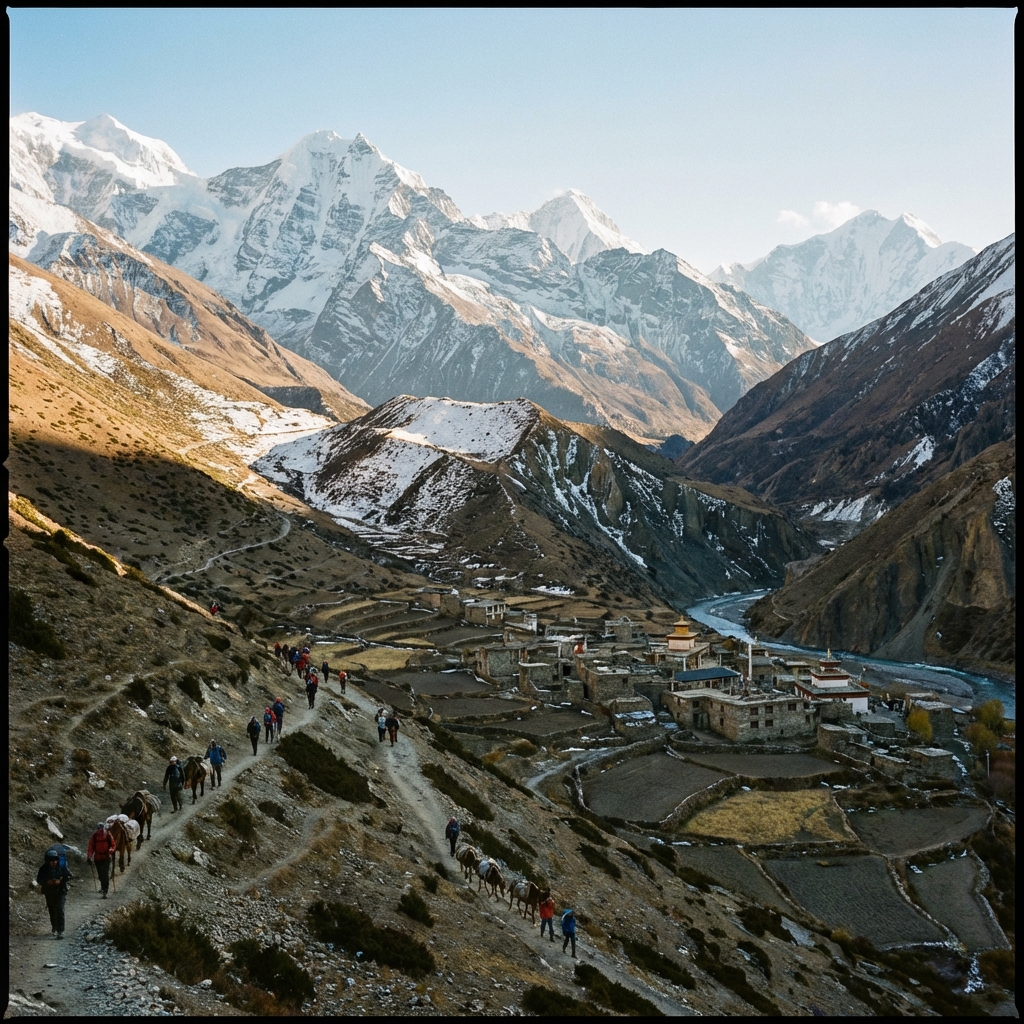
High Mountains (above 3,000m): Tibetan influence dominates with warming, calorie-dense foods designed for cold survival. Tsampa (roasted barley flour), butter tea, dried yak meat, and hearty noodle soups replace the rice-based dishes of lower elevations. Fresh ingredients become scarce, and preservation techniques like drying, fermenting, and smoking become essential.
Eating Customs and Meal Structure
Traditional Nepali eating customs differ significantly from Western habits.
Two main meals: Most Nepalis eat two substantial meals daily. The morning meal (around 10 AM) and the evening meal (around 7 PM) are both dal bhat. A lighter snack (khaja) around 4-5 PM bridges the gap.
Right hand eating: Traditional Nepali meals are eaten with the right hand, mixing dal into rice with the fingers. Cutlery is available in tourist-oriented establishments, but trying to eat with your hand at least once is a cultural experience worth having.
Communal cooking: Food preparation is a communal activity in Nepali homes and many tea houses. The kitchen is considered a sacred space in Hindu homes, and guests may not be welcome inside.
Jutho (contamination concept): In Hindu tradition, food touched by someone else or food from someone else's plate is considered jutho (ritually impure). Do not offer food from your plate or touch someone else's food or water bottle with your lips.
Pro Tip
Essential Nepali Dishes Every Trekker Should Know
Momos: Nepal's Beloved Dumplings
Momos are to Nepal what tacos are to Mexico: a national obsession that transcends class, geography, and occasion. These steamed or fried dumplings, filled with seasoned meat or vegetables and served with a fiery tomato-based dipping sauce (achar), are available at every altitude from Kathmandu streets to high-altitude tea houses.
Origins: Momos arrived in Nepal via Tibetan and Newari traders, evolving from simple Tibetan dumplings into a distinctly Nepali creation through the addition of local spices and the now-iconic tomato achar.
Types of Momos:
| Type | Description | Where to Find |
|---|---|---|
| Steam Momo | Classic steamed, juicy filling | Everywhere |
| Fried Momo (Kothey) | Pan-fried with crispy bottom | Kathmandu, Pokhara |
| Jhol Momo | Served in spicy soup broth | Kathmandu street stalls |
| C-Momo | Doused in spicy chutney sauce | Kathmandu, trendy shops |
| Tandoori Momo | Grilled with tandoori spices | Modern restaurants |
| Open Momo | Open-topped, more filling | Newari restaurants |
| Chocolate Momo | Dessert version | Tourist areas |
Fillings: Buff (water buffalo) is the most common and traditional filling. Chicken, vegetable, paneer (cheese), and mixed fillings are also standard. Pork momos are found in some areas. Avoid beef momos (extremely rare and culturally sensitive in Hindu areas).
Price range: NPR 100-200 for a plate of 8-10 from street vendors, NPR 300-600 in sit-down restaurants, NPR 400-800 at high-altitude tea houses.
Momo Street Food Safety
Thukpa: Mountain Noodle Soup
Thukpa is the quintessential high-altitude comfort food. This hearty noodle soup, rich with vegetables, meat, and warming spices, becomes increasingly common and increasingly welcome as you climb higher. At elevations above 3,500m, a steaming bowl of thukpa is arguably the most satisfying meal available.
Varieties:
- Thentuk: Hand-pulled flat noodle soup, thicker and heartier
- Gyathuk: Regular noodle thukpa, thinner noodles
- Tsel thukpa: Vegetable version, no meat
- Shapta thukpa: With fried meat pieces on top
Thukpa is available from Kathmandu to the highest tea houses. Prices range from NPR 200-400 in Kathmandu to NPR 500-800 at high altitude.
Sel Roti: Nepal's Festive Ring Bread
Sel roti is a ring-shaped fried bread made from rice flour batter, crispy on the outside and slightly sweet and chewy within. It is traditionally prepared during Dashain and Tihar festivals but available year-round from street vendors and some restaurants. Think of it as a Nepali doughnut, though less sweet and more substantial.
Sel roti is best eaten fresh and warm, paired with a cup of Nepali chiya (milk tea). Street vendors selling sel roti in the morning are a common sight in Kathmandu and Pokhara.
Where to find the best sel roti: Morning vendors near Asan Bazaar in Kathmandu, festival markets during Dashain (October) and Tihar (November), and Bhaktapur's traditional bakeries.
Choila: Newari Spiced Meat
Choila is a Newari delicacy of grilled or charred meat (traditionally water buffalo, now also chicken) marinated in a bold mixture of mustard oil, chili, ginger, garlic, cumin, and fenugreek. The meat is charred over an open flame, diced, and tossed with fresh spices and herbs. The result is intensely flavorful, slightly smoky, and powerfully spicy.
Where to try it: Newari restaurants in Kathmandu (especially around Asan and Kirtipur), Bhaktapur traditional eateries, and Patan local restaurants. This is not typically available on treks.
Cultural note: Choila is central to Newari feasts (bhoj) and celebrations. If you visit during a Newari festival, you may encounter community gatherings where choila is served alongside beaten rice (chiura) and local alcohol.
Pro Tip
Gundruk: Fermented Greens
Gundruk is Nepal's answer to Korean kimchi: a fermented leafy green vegetable preparation that is tangy, funky, and deeply nutritious. Made from mustard greens, radish greens, or cauliflower leaves that are wilted, packed into earthen pots, and fermented for several weeks, gundruk is a critical source of vitamins and minerals during the winter months when fresh vegetables are scarce.
How it is eaten: Most commonly as a soup (gundruk ko jhol), as a pickle (gundruk ko achar), or as a side dish. The flavor is sour, slightly bitter, and umami-rich, an acquired taste that rewards persistence.
Nutritional value for trekkers: High in vitamin C, iron, and probiotics. The fermentation process creates beneficial bacteria that support gut health, making gundruk particularly useful for trekkers dealing with digestive challenges at altitude.
Dhido: The Mountain Alternative to Rice
When rice becomes too expensive to carry above the tree line, dhido takes its place. This dense, dough-like food is made from buckwheat or millet flour cooked with water until thick and solid. It is traditionally eaten by rolling a small ball, making an indent with your thumb, and using it to scoop up dal and curry.
Dhido is deeply filling and energy-dense, making it ideal for cold mountain conditions. It is commonly available in Langtang, Upper Mustang, and other high-altitude regions. The taste is nutty and earthy, and the texture takes some getting used to for those accustomed to rice.
Chatamari: Newari Rice Crepe
Often called "Nepali pizza," chatamari is a thin rice flour crepe topped with minced meat, eggs, vegetables, and spices. It is a Newari specialty that showcases the community's sophisticated culinary traditions. Unlike actual pizza, chatamari is delicate, savory, and subtle in flavor.
Best versions: Plain egg chatamari, buff mince chatamari, and mixed vegetable chatamari. Available primarily in Newari restaurants in Kathmandu, Patan, and Bhaktapur.
Yomari: Steamed Rice Dumplings
Yomari are fish-shaped steamed dumplings filled with chaku (hardened molasses) and sesame. They are a sacred Newari creation traditionally prepared during the Yomari Punhi festival in December. The sweet, warm filling contrasted with the soft rice dough makes yomari one of Nepal's most distinctive desserts.
Regional Food Differences
Kathmandu Valley Food
The Kathmandu Valley is Nepal's culinary capital, offering the widest range of both traditional and international food. The Newari cuisine of the valley's indigenous population is the most sophisticated in Nepal, with a repertoire of over 200 distinct dishes.
Must-try Newari dishes in Kathmandu:
- Bara: Lentil patties, fried crispy, sometimes topped with egg or minced meat
- Yomari: Sweet steamed dumplings (seasonal)
- Chatamari: Rice crepes with various toppings
- Choila: Spiced grilled meat
- Aila: Traditional rice liquor (strong and clear)
- Samay Baji: Ceremonial feast plate with beaten rice, roasted soybeans, boiled egg, meat, and pickles
Where to eat in Kathmandu: See our dedicated best restaurants in Thamel guide for detailed restaurant recommendations.
Pokhara Food Scene
Pokhara's lakeside strip offers a mix of tourist restaurants serving international food and local eateries with Western Nepali cuisine influenced by Gurung and Magar traditions.
Pokhara specialties:
- Gurung bread: Dense, wholesome bread often served with honey at breakfast
- Fish from Phewa Lake: Freshwater fish, simply fried or curried
- Gundruk soup: Particularly good in Pokhara's local restaurants
- Dhido with gundruk: Traditional mountain meal available in authentic restaurants
Mountain Region Food (On the Trek)
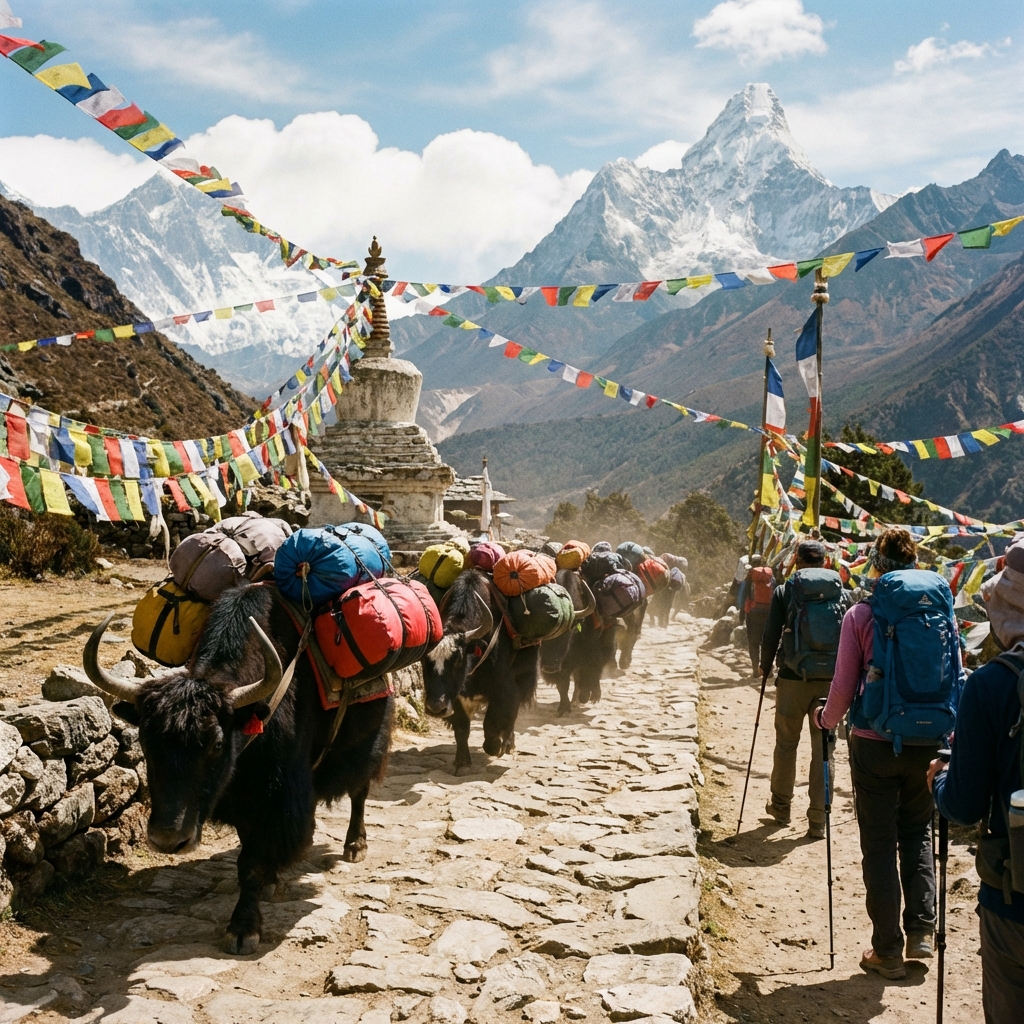
Food on the trekking trails follows a predictable pattern that varies by altitude and region.
Below 2,500m: Varied menus with fresh vegetables, eggs, meat options, and reasonable variety. Dal bhat is excellent at this altitude with abundant fresh ingredients.
2,500m to 3,500m: Menus narrow as supply logistics become harder. Dal bhat remains the best option. Eggs, noodles, fried rice, and basic pancakes are available. Fresh vegetables become limited to potatoes, cabbage, and carrots.
Above 3,500m: Limited menus dominated by dal bhat, noodles, and potato dishes. Food quality depends heavily on individual tea houses and supply routes. Prices increase significantly due to porter costs for carrying supplies.
For a deep dive into dal bhat, Nepal's essential trekking fuel, see our dal bhat trekking guide.
Common trekking trail foods:
| Dish | Availability | Price Range (NPR) | Notes |
|---|---|---|---|
| Dal Bhat | All altitudes | 400-900 | Always the best value (unlimited refills) |
| Fried Rice | All altitudes | 350-700 | Safe option, thoroughly cooked |
| Egg Fried Noodles | All altitudes | 350-700 | Filling and reliable |
| Thukpa | Above 2,500m | 350-800 | Perfect for cold evenings |
| Tibetan Bread | Above 2,500m | 150-400 | With honey for breakfast |
| Pancakes | All altitudes | 200-500 | Breakfast staple |
| Spring Rolls | Below 3,000m | 300-500 | Variable quality |
| Pizza | Below 3,500m | 500-900 | Quality drops with altitude |
| Snickers Bar | All altitudes | 200-500 | Price increases with altitude |
Food Safety on the Trail
Terai (Southern Nepal) Food
The Terai region bordering India offers the spiciest and most diverse cooking in Nepal, heavily influenced by Indian culinary traditions but with distinct local character.
Terai specialties:
- Tharu cuisine: Indigenous food traditions including snail curry (ghonghi), river fish, and fermented rice beer (jand)
- Biryani: Nepali-style rice and meat dishes with bold spicing
- Chaat: Street snacks with tangy tamarind and yogurt sauces
- Mithai: Indian-influenced milk-based sweets
Street Food Guide
What to Try
Nepal's street food scene is vibrant, affordable, and generally safe if you follow basic precautions. The best street food experiences are in Kathmandu, Pokhara, and the market towns of the Terai.
Top street food picks:
- Pani puri / golgappa: Crispy shells filled with spiced water and chickpeas (NPR 30-50)
- Chatpate: Spicy puffed rice mixture with lime and chili (NPR 50-100)
- Sekuwa: Grilled meat skewers, Nepal's barbecue tradition (NPR 100-200)
- Sel roti: Sweet rice bread rings (NPR 20-40)
- Samosa: Fried pastry with spiced potato filling (NPR 30-50)
- Corn on the cob: Grilled with chili and lime, seasonal (NPR 50-100)
- Lapphing: Tibetan jelly-like snack with spicy sauce (NPR 50-100)
- Fresh sugarcane juice: Pressed to order (NPR 30-50)
- Lassi: Yogurt drink, sweet or salted (NPR 50-100)
- Chiya (milk tea): Available at every corner (NPR 15-30)
Street Food Safety Guidelines
- Choose busy vendors: High turnover means fresh food
- Watch the cooking: Food cooked in front of you is safer
- Avoid standing water: Do not eat food washed in tap water
- Peel fruits yourself: Pre-cut fruit may have been washed in unclean water
- Start conservative: Try one or two items early in your trip before committing to a street food tour
- Carry hand sanitizer: Use before eating
Pro Tip
Drinks in Nepal
Non-Alcoholic
Chiya (Nepali milk tea): The social glue of Nepal. Black tea boiled with milk, sugar, and sometimes cardamom, ginger, or cinnamon. Available everywhere from NPR 15 (street vendor) to NPR 150 (tourist cafe). Refusing chiya when offered is culturally awkward; accepting it is a gateway to conversation.
Lassi: Thick yogurt drink, sweet or salted. Kathmandu and Pokhara have excellent lassi shops. Avoid in remote areas where the water used may not be safe.
Tongba: Not technically non-alcoholic, but too unique to skip. This millet-based fermented drink is served in a wooden container with a bamboo straw. Hot water is poured over fermented millet and sipped. It is the traditional drink of the Limbu and Rai communities in eastern Nepal and available in some Kathmandu restaurants.
Alcoholic
Nepali beer: Everest, Gorkha, and Nepal Ice are the main brands. Clean, crisp lagers suited to the climate. Available on most trekking routes below 3,500m. Prices range from NPR 300-500 in Kathmandu to NPR 700-1,000 on trek.
Raksi: Home-distilled rice or millet liquor, clear and potent. Available in mountain villages and some Kathmandu restaurants. Quality and strength vary wildly. Accept small amounts graciously when offered in villages; declining repeatedly may cause offense.
Aila: Newari rice spirit, stronger than raksi, traditionally served at festivals and celebrations. Available in Newari restaurants in Kathmandu and Bhaktapur.
Chhyang / Jand: Fermented rice or millet beer, milky white and mildly alcoholic. This is the everyday drink of many mountain communities and is commonly offered to guests in tea houses off the main trekking routes.
Alcohol at Altitude
Cooking Classes and Food Tours
Cooking Classes in Kathmandu
Cooking classes offer an immersive way to learn about Nepali cuisine while creating something tangible to take home: recipes and techniques you can recreate in your own kitchen.
Recommended cooking class experiences:
| Class Type | Duration | Cost (approx.) | What You Learn |
|---|---|---|---|
| Momo-making class | 2-3 hours | NPR 3,000-5,000 | Dough, filling, folding, achar |
| Full Nepali meal class | 4-5 hours | NPR 5,000-8,000 | Dal bhat set, curry, pickle |
| Newari cuisine class | 4-5 hours | NPR 5,000-8,000 | Choila, chatamari, bara |
| Market tour + cooking | 5-6 hours | NPR 6,000-10,000 | Market shopping, then cooking |
Tips for choosing a class: Select classes that include a market visit to see ingredients in their raw state. Classes in local homes (rather than professional kitchens) provide a more authentic experience. Book through your hotel or a reputable tour company rather than street touts.
Food Tours in Kathmandu
Guided food tours take you to local eateries, hidden street stalls, and traditional markets that you would never find on your own. A good food tour is one of the best ways to understand Kathmandu through its flavors.
Types of food tours:
- Street food walks: 3-4 hours through Asan Bazaar, Indra Chowk, and old Kathmandu. NPR 4,000-6,000 per person.
- Newari food trails: Focus on traditional Newari cuisine in Patan or Bhaktapur. NPR 5,000-8,000 per person.
- Market tours: Explore wholesale spice markets, vegetable markets, and traditional shops. NPR 3,000-5,000 per person.
- Thamel food crawl: Sample the best restaurants in the trekker district. NPR 4,000-7,000 per person.
Pro Tip
Food Markets Worth Visiting
Asan Bazaar (Kathmandu)
The oldest and busiest traditional market in Kathmandu is a sensory explosion of spices, grains, dried fruits, fresh vegetables, and cooking implements. Walking through Asan is a food education in itself. Key sections include the spice lanes (turmeric, cumin, chili, cardamom in bulk), the dried goods corner (dried fish, mushrooms, noodles), and the fresh produce area.
Kalimati Wholesale Market (Kathmandu)
Kathmandu's largest wholesale fruit and vegetable market operates primarily in the early morning (5-8 AM). It is not a tourist attraction, but serious food enthusiasts will find the scale and variety impressive. This is where Kathmandu's restaurants and hotels buy their produce.
Patan Lagankhel Saturday Market
A weekly market combining fresh organic produce, traditional foods, and artisan products. This is the most curated food market in the valley and excellent for sampling items not available in tourist areas.
Special Dietary Considerations
Vegetarian and Vegan Trekking
Nepal is exceptionally vegetarian-friendly due to its Hindu traditions. Dal bhat is naturally vegetarian, and most tea house menus offer vegetable noodles, fried rice, and vegetable curries. The concept of vegetarianism is well understood, and asking for "shaakahaari" (vegetarian) food is always respected.
Vegan trekking is more challenging. Ghee (clarified butter) is used extensively in Nepali cooking, and many dishes contain dairy. Communicate clearly by saying "no milk, no butter, no egg, no cheese" rather than "vegan," which is not widely understood outside tourist restaurants.
Gluten-Free Options
Dal bhat (rice and lentils) is naturally gluten-free, making Nepal one of the easier countries for gluten-free trekking. However, soups, gravies, and some sauces may contain flour as a thickener. Fried foods may share oil with breaded items. Communicate your needs clearly and stick to dal bhat, plain rice dishes, and eggs when uncertain.
Allergies
Nut allergies require particular caution. Many Nepali dishes use ground nuts (particularly peanuts and cashews) as thickeners, and cross-contamination in small tea house kitchens is likely. Communicate allergies in writing (have a note in Nepali) and always ask before eating unfamiliar dishes.
Dietary Communication Card
Trekking Food Strategy
The Dal Bhat Principle
Experienced trekkers follow one simple rule: eat dal bhat for at least one meal per day, preferably dinner. The reasons are practical.
- Freshly prepared: Dal bhat is always cooked to order, never reheated, making it the safest option
- Complete nutrition: Rice, lentils, vegetables, and pickle provide carbs, protein, vitamins, and minerals
- Unlimited refills: You can eat as much as you need to fuel the next day
- Consistent quality: The simplicity of the dish means it is hard to prepare badly
- Supports the kitchen: Tea houses plan their supplies around dal bhat demand
For the full nutritional analysis and cultural significance, see our complete dal bhat guide.
Food Budget on Trek
| Altitude Zone | Breakfast | Lunch | Dinner | Daily Total |
|---|---|---|---|---|
| Below 2,500m | NPR 200-400 | NPR 300-500 | NPR 400-700 | NPR 900-1,600 |
| 2,500-3,500m | NPR 300-500 | NPR 400-600 | NPR 500-800 | NPR 1,200-1,900 |
| Above 3,500m | NPR 400-600 | NPR 500-800 | NPR 600-900 | NPR 1,500-2,300 |
Add NPR 200-500 per day for tea, water, and snacks. Prices increase by approximately 20-30% for every 1,000 meters of altitude gained due to the cost of portering supplies uphill.
What to Bring as Trek Snacks
Tea house menus cover main meals, but trekkers benefit from carrying personal snacks for trail energy between stops.
- Trail mix: Buy in Kathmandu's Bhat Bhateni or Namaste supermarkets
- Electrolyte packets: Essential above 3,000m
- Energy bars: Available in Thamel, prices rise dramatically on trail
- Dried fruit: Buy from Asan Bazaar (excellent quality, fair prices)
- Chocolate: Snickers bars are available everywhere but become expensive
- Biscuits: Nepali glucose biscuits are cheap and ubiquitous
Pro Tip
Frequently Asked Questions
Is it safe to eat street food in Nepal?
Street food in Kathmandu and Pokhara is generally safe if you follow basic precautions: choose busy vendors with high turnover, eat food cooked fresh in front of you, avoid raw items and pre-cut fruit, and use hand sanitizer. Start with cooked items like momos, samosas, and sel roti, which carry lower risk than cold or raw items. Most trekkers who eat street food responsibly have no issues.
What is the spiciest Nepali food?
Newari choila, some regional achars (pickles), and Tharu cuisine from the Terai are among the spiciest. However, most Nepali food is milder than Indian food. Tea house food on treks is rarely very spicy, as cooks tone down heat for tourist palates. If you want more spice, ask for "piro" (spicy) and the cook will happily oblige.
Can I be vegetarian on a Nepal trek?
Absolutely. Nepal is one of the easiest countries for vegetarian trekking. Dal bhat is naturally vegetarian, and every tea house menu has multiple vegetarian options. Vegetable momos, fried rice, noodle soups, and egg dishes are available at every stop. You will never struggle to find vegetarian food in Nepal.
What should I avoid eating in Nepal?
Avoid raw salads (washed in potentially unsafe water), unpeeled fruit, meat above 3,500m (unreliable refrigeration), ice in drinks outside tourist restaurants, and any food that has been sitting at room temperature for extended periods. Tap water is not safe to drink anywhere in Nepal; use purified water or boiled water.
How much does food cost on a trek?
Budget NPR 1,200-2,300 per day for three meals depending on altitude. Below 2,500m, a dal bhat dinner costs NPR 400-600. Above 4,000m, the same meal costs NPR 700-900. Add NPR 200-500 for tea, snacks, and water. Most trekkers spend $12-20 USD per day on food.
What is the best food at high altitude?
Dal bhat is the gold standard: freshly cooked, nutritious, and filling. Thukpa (noodle soup) is excellent for hydration and warmth. Garlic soup is popular for its supposed altitude sickness prevention properties. Tibetan bread with honey makes a good breakfast. Avoid rich, heavy, or fried foods above 4,000m as digestion slows at altitude.
Should I bring food from home for my trek?
Bringing some comfort snacks is fine (energy bars, trail mix, electrolyte packets), but do not bring full meals. Tea house food is sufficient and purchasing it supports local communities. Instant coffee packets and specific herbal teas are worth bringing if you have strong preferences, as tea house options are limited.
Are cooking classes worth it?
Yes, particularly for food-interested travelers. A momo-making class is the most popular and practical choice, as the skills transfer easily to home cooking. Classes that include a market visit add significant cultural value. Book for your first or last day in Kathmandu when you have time and energy.
What is Nepali tea like?
Nepali chiya is black tea boiled with milk and sugar, similar to Indian chai but generally less spiced. It is served sweet by default; ask for "chini chhaina" (no sugar) if you prefer unsweetened. On the trail, milk tea costs NPR 50-150. Black tea (kalo chiya) is also available and is the safer option when you are unsure about the milk source at high altitude.
Can I find Western food in Kathmandu?
Kathmandu, especially Thamel, has extensive international food options including Italian, Mexican, Japanese, Korean, Thai, and American cuisine. Quality ranges from excellent to tourist-trap. Post-trek trekkers often crave pizza, burgers, and steaks after weeks of dal bhat. See our Thamel restaurant guide for specific recommendations.
What is tongba and should I try it?
Tongba is a fermented millet drink traditional to eastern Nepal's Limbu and Rai communities. Hot water is poured over fermented millet in a cylindrical container, and you sip through a bamboo straw. It is mildly alcoholic, warming, and a genuinely unique experience. Several restaurants in Kathmandu and Pokhara serve tongba. It is worth trying once.
Is tipping expected at restaurants in Nepal?
Tipping is not traditionally part of Nepali culture, but it is increasingly appreciated in tourist-area restaurants. A 10% tip at sit-down restaurants in Kathmandu is generous. At tea houses on the trail, tipping is not expected for individual meals but is nice for exceptional service. Some restaurants add a 10-13% service charge automatically.
Nepal's cuisine is a journey in itself. From the first cup of chiya at a Kathmandu street stall to the final dal bhat at a high-altitude tea house, food in Nepal connects you to the people, geography, and culture of the Himalayas in ways that sightseeing alone cannot. Eat boldly, eat wisely, and let your stomach guide you into experiences your guidebook never mentioned.
For food safety protocols during your trek, see our food safety guide. For the best places to eat in Kathmandu's trekking district, check our best restaurants in Thamel guide.