
Langtang Nepal: Complete Guide to the Region & Trek
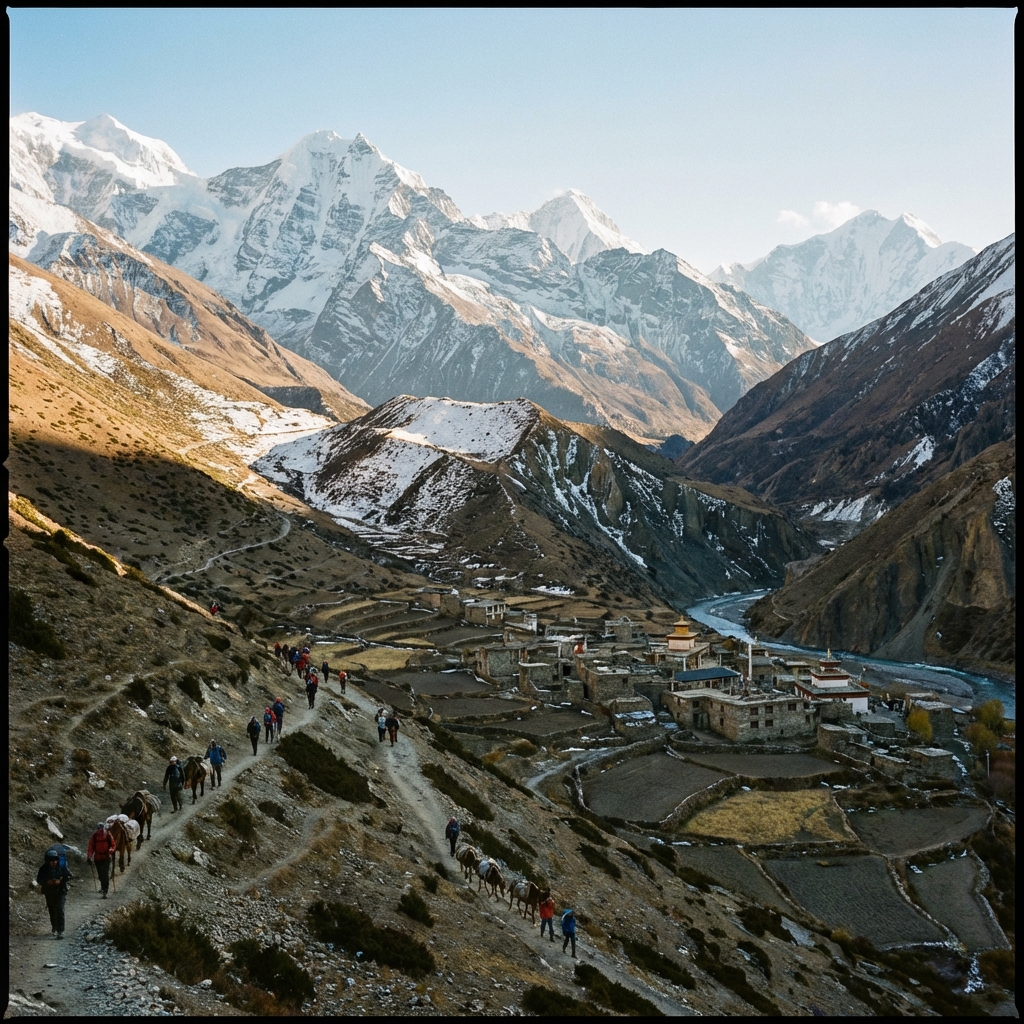
Langtang, Nepal, is a Himalayan valley and national park in Rasuwa District, roughly 65 km north of Kathmandu on the Tibetan border. It is Nepal's third most popular trekking region — a spectacular destination just seven hours by road from the capital, famous for the main Langtang Valley, the sacred Gosainkunda lakes, traditional Tamang villages, and its remarkable recovery from the 2015 earthquake.
What is Langtang, Nepal known for? Langtang is a glaciated valley and protected national park north of Kathmandu, reachable by road in 7-8 hours with no flights required. It is known for Langtang Lirung (7,227m), the Kyanjin Gompa monastery and yak-cheese factory, Tamang Buddhist culture, the sacred Gosainkunda lakes, and being Nepal's most affordable major trek (complete trips from $700).
The Langtang region is Nepal's hidden gem—a spectacular mountain destination just seven hours from Kathmandu that rivals Everest and Annapurna for natural beauty while offering something those famous regions have lost: authenticity, affordability, and genuine cultural immersion without overwhelming crowds.
Often called the "Valley of Glaciers" by pioneering British mountaineer Bill Tilman in 1949, Langtang encompasses a remarkable diversity of trekking experiences. In one region, you can journey through the main Langtang Valley beneath towering 7,000-meter peaks, complete sacred pilgrimages to Gosainkunda's alpine lakes, explore traditional Tamang villages along the Heritage Trail, or traverse the quieter Helambu circuit. Each route offers distinct character while sharing the region's defining traits: accessibility, cultural richness, and extraordinary value.
But Langtang's story is also one of remarkable resilience. The devastating 2015 earthquake and avalanche that buried Langtang Village, claiming over 350 lives, could have ended trekking here. Instead, the Tamang communities rebuilt with determination, and today your visit directly supports this ongoing recovery. Every teahouse stay, every meal purchased, every conversation shared contributes to one of Nepal's most inspiring stories of community strength.
This comprehensive guide covers everything you need to plan your Langtang adventure: detailed comparisons of all major routes, cultural insights into Tamang and Hyolmo traditions, practical cost breakdowns (Langtang is Nepal's most affordable major trekking region), optimal timing by season, permit requirements, and honest assessments of difficulty and altitude challenges. Whether you have five days or three weeks, whether you seek high-altitude adventure or cultural immersion, Langtang has a trek for you.
Rasuwa District, Bagmati Province, northern Nepal (Tibetan border)
1976 (Nepal's first Himalayan national park)
7-8 hours by road (no flights needed)
5-21 days depending on route
5,033m (Tserko Ri) | 4,610m (Laurebina La Pass)
Easy to Moderate (most routes)
Mar-May (Spring), Oct-Nov (Autumn)
Langtang National Park + TIMS
$38-45 total
Syabrubesi, Kyanjin Gompa, Gosainkunda, Tarkeghyang
Tamang and Hyolmo (Tibetan Buddhist)
Teahouse lodges throughout
$700-1,800 (complete trek)
Low to Moderate (30-40% less than Everest/Annapurna)
Why Choose Langtang? The Compelling Case
Accessibility Without Compromise
The Langtang region's greatest practical advantage is proximity. While Everest requires expensive flights to Lukla and Annapurna demands long drives to Pokhara, Langtang is accessible via a single 7-8 hour drive from Kathmandu. No flights, no weather delays, no complex logistics—just pack your bag and go.
This accessibility makes Langtang ideal for:
- Business travelers with limited vacation time
- Budget trekkers minimizing transport costs
- Families needing scheduling flexibility
- First-time Nepal visitors testing altitude tolerance
- Travelers who want to maximize trekking days vs travel days
Authentic Cultural Experience
Langtang is the heartland of Nepal's Tamang people, one of the country's largest ethnic groups with deep Tibetan Buddhist roots. Unlike the commercialized villages of mainstream regions, Tamang communities here maintain traditional lifestyles largely unchanged by tourism.
Cultural highlights:
- Traditional stone houses with hand-carved doorways
- Active Buddhist monasteries (gompas) with daily rituals
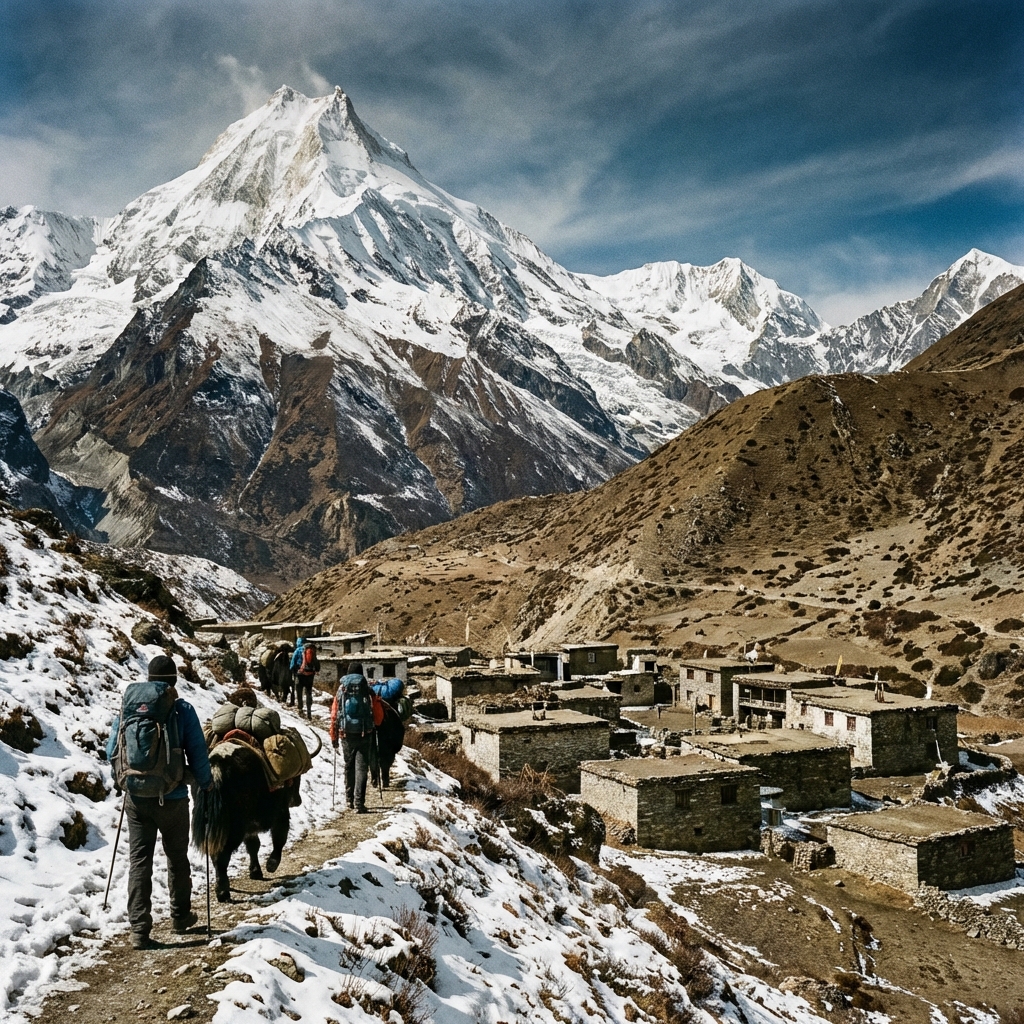
- Yak herding culture at high pastures
- Famous cheese factories producing traditional yak cheese
- Warm hospitality from families whose livelihoods depend on respectful tourism
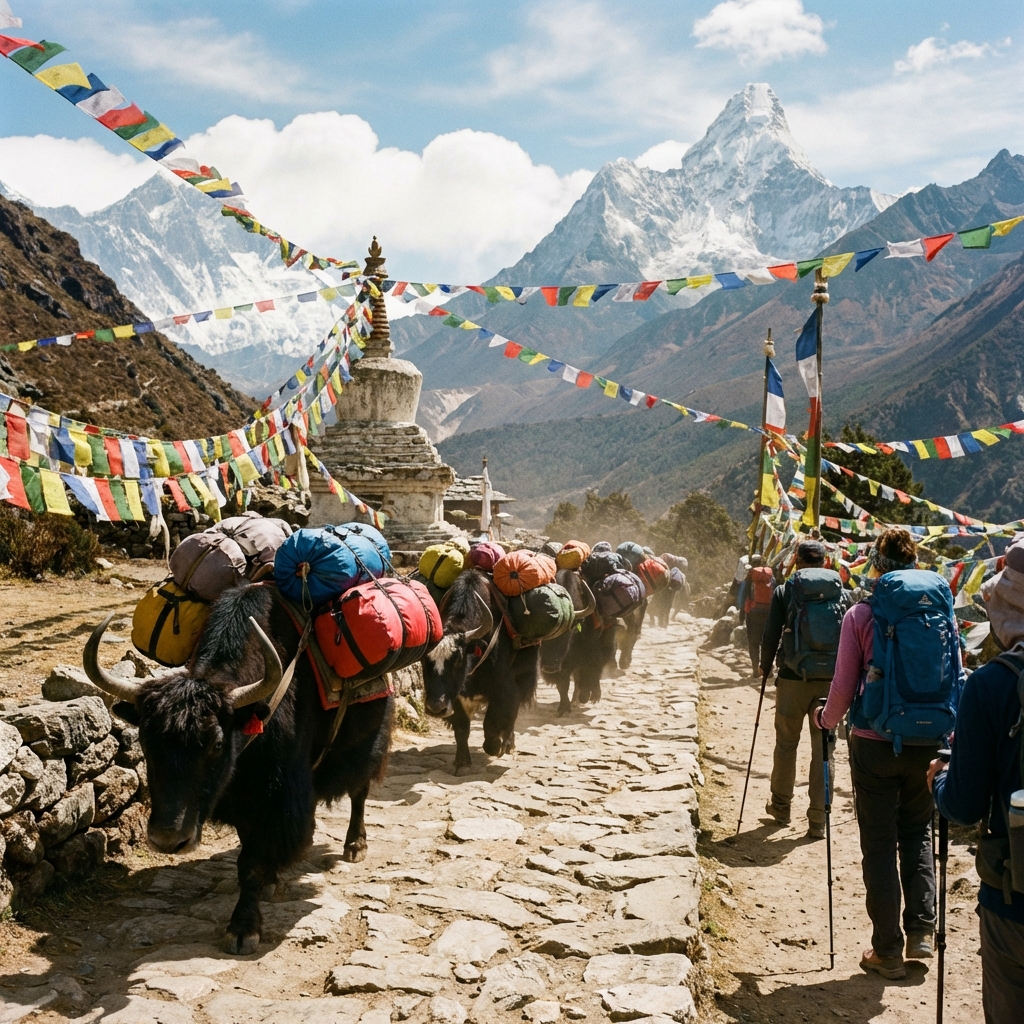
- Tibetan Buddhist customs including prayer flags, mani walls, and chortens
Exceptional Value
Langtang is consistently Nepal's most affordable major trekking destination. The combination of road access (no expensive flights), shorter durations, and less commercialized infrastructure means you can experience world-class Himalayan trekking at 50-60% of Everest's cost.
Cost comparisons (mid-range guided treks):
- Langtang Valley (10 days): $900-1,500
- Everest Base Camp (14 days): $1,800-3,000+
- Annapurna Base Camp (12 days): $1,200-2,000
Supporting Post-Earthquake Recovery
Your visit to Langtang has direct, meaningful impact. Tourism revenue flows directly to communities rebuilding after the 2015 tragedy. Unlike development programs with overhead and bureaucracy, your teahouse payments, meals, and guide fees immediately support local families.
How your visit helps:
- Teahouse income enables families to rebuild homes and businesses
- Porter and guide employment provides stable livelihoods
- Purchases of local products (cheese, handicrafts, produce) support the broader economy
- Your presence proves the region's viability, encouraging continued investment
- Word-of-mouth recommendations bring more visitors to support recovery
A Story of Resilience
The rebuilt Langtang Village stands as testament to Tamang determination. Within years of the 2015 earthquake that buried the original village, survivors returned and rebuilt. Today's village features improved earthquake-resistant construction, better infrastructure, and a community stronger for having survived tragedy together. Your visit honors this resilience while supporting continued recovery.
Where Is Langtang, Nepal?
Langtang lies in Rasuwa District, Bagmati Province, in north-central Nepal, sharing a border with the Tibet Autonomous Region of China. The valley sits roughly 65 km (about 40 miles) north of Kathmandu, and the trailhead at Syabrubesi is reached by a 7-8 hour drive. The wider area is protected as Langtang National Park, which contains around 25 villages, including the village of Langtang itself, the trekking hub of Kyanjin Gompa, and the gateway town of Dhunche. Tourism here began in the 1970s, and by the 2010s Langtang was drawing roughly 20,000 visitors a year, making it Nepal's third most popular trekking region after Everest and Annapurna.
Langtang Region Overview: Geography and Valleys
Langtang National Park, established in 1976 as Nepal's first Himalayan national park, protects 1,710 square kilometers of spectacular mountain terrain. The park stretches from subtropical forests at 1,000 meters to the glaciated peaks of the Tibetan border above 7,000 meters.
The Main Valleys
Langtang Valley (North) The primary destination, running north from Syabrubesi toward the Tibetan border. The Langtang Khola (river) valley climbs through dense forests, past cascading waterfalls, into traditional villages, and finally opens into the glacial wonderland around Kyanjin Gompa. The valley is dominated by Langtang Lirung (7,227m), one of the world's most dramatic unclimbed faces.
Gosainkunda Basin (Central-East) A high-altitude lake region sacred to both Hindus and Buddhists. The main lake at 4,380m is the focal point of the August Janai Purnima pilgrimage, when 20,000-40,000 devotees make the journey. The area includes over 100 smaller lakes scattered across alpine terrain.
Helambu Region (Southeast) Lower-altitude valleys home to Hyolmo (Sherpa) communities. This quieter region features terraced hillsides, rhododendron forests, and traditional villages where tourism remains minimal. Helambu serves as the southern approach to Gosainkunda and can be combined with the main valley for extended circuits.
Tamang Heritage Trail (West) A dedicated cultural trekking route passing through authentic Tamang villages: Gatlang, Tatopani (hot springs), Thuman, and Briddim. This circuit emphasizes homestay accommodation and cultural immersion rather than high-altitude adventure.
Border Peaks and Mountains
The Langtang region is defined by its spectacular mountain backdrop:
Major Peaks:
- Langtang Lirung (7,227m): The dominant peak visible from Kyanjin Gompa, with a massive unclimbed north face
- Dorje Lakpa (6,966m): Dramatic ice-clad wall visible from multiple valleys
- Gangchhenpo (6,387m): Technical climbing peak above Langtang Valley
- Langtang Ri (7,205m): Border peak on the Tibetan frontier
- Naya Kanga (5,844m): Popular trekking peak accessible from Kyanjin Gompa
Tibetan Border: The northern rim of Langtang Valley marks the Nepal-Tibet border. On clear days from Tserko Ri, you can see Shishapangma (8,027m), Tibet's only 8,000-meter peak entirely within its borders.
Ecological Zones
Langtang's dramatic elevation range creates distinct ecological zones:
Subtropical Forest (1,000-2,000m): Oak, bamboo, and rhododendron forests with rich biodiversity. This zone suffered extensive damage in the 2015 earthquake but is recovering.
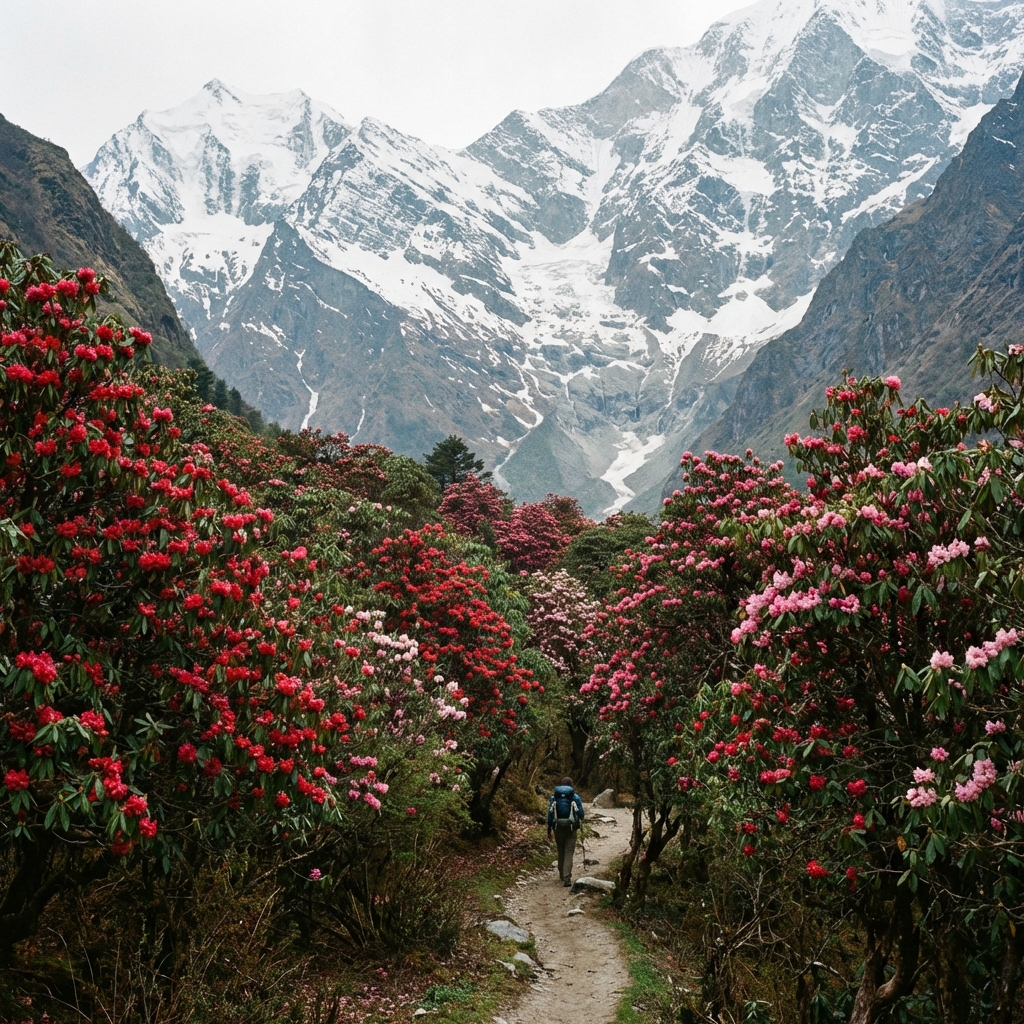
Temperate Forest (2,000-3,000m): Dense rhododendron, oak, and maple forests. Spectacular in spring (March-April) when rhododendrons bloom in crimson, pink, and white.
Alpine Zone (3,000-4,500m): Dwarf rhododendrons, juniper scrub, and high-altitude meadows. Yak pastures and traditional summer grazing areas.
Nival Zone (Above 4,500m): Rock, ice, and sparse vegetation. Glacial moraines, alpine lakes, and permanent snowfields.
All Langtang Region Treks: Complete Route Overview
The Langtang region offers remarkable diversity—from 5-day cultural circuits to 21-day complete traverses. Here's every major route with realistic difficulty and duration assessments.
1. Langtang Valley Trek (7-12 Days) — The Classic
The signature Langtang experience, following the valley from Syabrubesi to Kyanjin Gompa and the spectacular Tserko Ri viewpoint.
Route: Syabrubesi → Lama Hotel → Langtang Village → Kyanjin Gompa → Tserko Ri (5,033m) → Return
Duration: 7-12 days depending on pace and acclimatization Max Altitude: 5,033m (Tserko Ri summit) Difficulty: Moderate Best For: First-time Langtang visitors, glacier enthusiasts, those wanting the region's signature experience
Highlights:
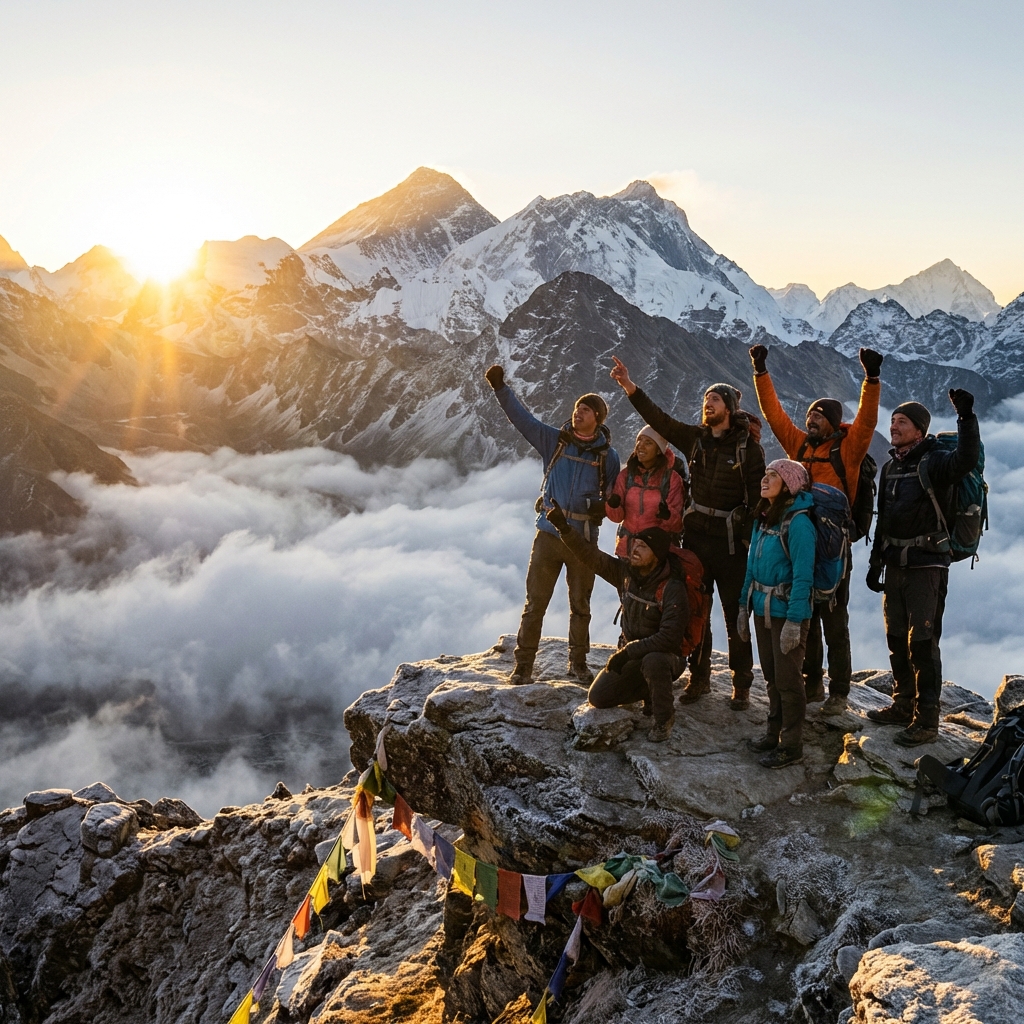
- Tserko Ri sunrise with 360-degree Himalayan panorama
- Kyanjin Gompa monastery and yak cheese factory
- Langtang Glacier access
- Traditional Tamang villages
- Post-earthquake memorial site
- Yak herding culture
Cost Range: $800-1,500 (all-inclusive, guided)
See the complete guide: Langtang Valley Trek
2. Gosainkunda Trek (5-8 Days) — Sacred Lakes Pilgrimage
A steep, rapid ascent to sacred alpine lakes at 4,380m, combining Hindu pilgrimage traditions with high-altitude trekking.
Route: Dhunche → Sing Gompa → Laurebinayak → Gosainkunda → Return (or traverse to Helambu)
Duration: 5-8 days Max Altitude: 4,610m (Laurebina La Pass if continuing to Helambu) Difficulty: Moderate to Difficult (rapid altitude gain) Best For: Pilgrimage seekers, those with limited time, cultural/religious interest
Highlights:
- Sacred Gosainkunda Lake (created by Shiva's trident, according to Hindu mythology)
- Janai Purnima festival in August (20,000-40,000 pilgrims)
- Shamanic rituals and Buddhist ceremonies
- Over 108 sacred lakes in the region
- Laurebina La Pass crossing option
Cost Range: $700-1,400
Warning: This trek involves rapid altitude gain (1,960m to 4,380m in 3-4 days), creating significant AMS risk. Not recommended for first-time high-altitude trekkers.
See the complete guide: Gosainkunda Trek
3. Langtang Valley + Gosainkunda Circuit (12-14 Days) — Best of Both
The ultimate Langtang experience, combining glacial valleys with sacred lakes in one comprehensive circuit.
Route: Syabrubesi → Langtang Valley → Kyanjin Gompa → Tserko Ri → Return via Thulo Syabru → Gosainkunda → Dhunche
Duration: 12-14 days Max Altitude: 5,033m (Tserko Ri) Difficulty: Moderate to Strenuous Best For: Those with 2 weeks, wanting maximum diversity, experienced trekkers
Highlights:
- Complete Langtang Valley experience
- Sacred Gosainkunda Lakes
- Laurebina La Pass crossing (optional)
- Cultural immersion in multiple villages
- Pre-acclimatization from Langtang helps with Gosainkunda altitude
Cost Range: $1,200-1,800
Why this combination works: After spending days at 3,870m in Kyanjin Gompa and summiting Tserko Ri at 5,033m, your body is well-prepared for Gosainkunda's 4,380m altitude. The route avoids backtracking and creates a satisfying circuit.
4. Helambu Circuit (5-7 Days) — Lower Altitude Cultural Trek
A gentler, lower-altitude circuit through traditional Hyolmo (Sherpa) villages with rich cultural experiences.
Route: Sundarijal → Chisapani → Kutumsang → Thadepati → Tarkeghyang → Sermathang → Melamchi Pul
Duration: 5-7 days Max Altitude: 3,690m (Thadepati) Difficulty: Easy to Moderate Best For: Limited time, altitude concerns, cultural focus, families
Highlights:
- Traditional Hyolmo villages and monasteries
- Lower altitude reduces AMS risk
- Quieter trails with minimal tourist infrastructure
- Apple orchards and terraced farming
- Close to Kathmandu (can be extended with Gosainkunda)
Cost Range: $600-1,000
See the complete guide: Helambu Trek
5. Tamang Heritage Trail (7-10 Days) — Community Homestay Circuit
A dedicated cultural trek through authentic Tamang villages with homestay accommodation and community-based tourism.
Route: Syabrubesi → Gatlang → Tatopani → Thuman → Briddim → Syabrubesi (can be combined with Langtang Valley)
Duration: 7-10 days Max Altitude: 3,165m (Nagthali viewpoint) Difficulty: Easy to Moderate Best For: Cultural immersion, homestay experience, hot springs, supporting community tourism
Highlights:
- Homestay accommodation with local families
- Tatopani hot springs (natural thermal pools)
- Traditional Tamang architecture and customs
- Local performances and cultural demonstrations
- Direct community benefit from tourism
- Lower altitude, accessible year-round
Cost Range: $750-1,200
See the complete guide: Tamang Heritage Trail
6. Complete Langtang Circuit (14-18 Days) — Comprehensive Traverse
The full regional experience, combining Langtang Valley, Gosainkunda, and Helambu in one extended circuit.
Route: Syabrubesi → Langtang Valley → Kyanjin Gompa → Tserko Ri → Thulo Syabru → Gosainkunda → Laurebina La → Helambu → Sundarijal
Duration: 14-18 days Max Altitude: 5,033m (Tserko Ri) Difficulty: Moderate to Strenuous Best For: Extended adventure, maximum regional diversity, experienced trekkers with 3 weeks
Highlights:
- Everything: glaciers, sacred lakes, villages, high passes, cultures
- Complete traverse (no backtracking)
- Natural acclimatization progression
- Quieter trails in Helambu section
- Every major attraction in one trip
Cost Range: $1,400-2,200
7. Langtang Valley with Yala Peak (12-14 Days) — Trekking Peak Extension
Langtang Valley trek extended with a summit attempt on Yala Peak (5,520m), one of Nepal's easiest trekking peaks.
Route: Standard Langtang Valley + 3-4 extra days for peak preparation and summit
Duration: 12-14 days Max Altitude: 5,520m (Yala Peak summit) Difficulty: Strenuous (basic mountaineering skills required) Best For: Peak aspirants, those wanting light technical climbing, experienced high-altitude trekkers
Requirements:
- Mountaineering guide and proper gear (crampons, ice axe, rope)
- Nepal Mountaineering Association (NMA) permit ($250-350)
- Prior high-altitude experience strongly recommended
- Basic crampon and ice axe skills
Cost Range: $1,800-2,800
8. Short Langtang Sampler (5-7 Days) — Quick Taste
A compressed itinerary for those with limited time, reaching Kyanjin Gompa but skipping Tserko Ri.
Route: Syabrubesi → Lama Hotel → Langtang Village → Kyanjin Gompa → Kyanjin Ri → Return
Duration: 5-7 days Max Altitude: 4,773m (Kyanjin Ri) or 3,870m (Kyanjin Gompa only) Difficulty: Moderate Best For: Time-limited travelers, testing altitude tolerance, weekend warriors
Trade-offs:
- Misses Tserko Ri sunrise (the region's highlight)
- Faster altitude gain increases AMS risk
- Limited acclimatization time
- Less cultural immersion
Cost Range: $600-1,000
Trek Comparison: Choosing Your Langtang Route
| Route | Duration | Max Altitude | Difficulty | Permits | Teahouses | Crowds |
|---|---|---|---|---|---|---|
| Langtang Valley Classic | 10-12 days | 5,033m | Moderate | $38-45 | Good | Low-Moderate |
| Gosainkunda Lakes | 7-8 days | 4,610m | Moderate-Difficult | $38-45 | Good | Moderate (High during festival) |
| Langtang + Gosainkunda | 12-14 days | 5,033m | Moderate-Strenuous | $38-45 | Good | Low-Moderate |
| Helambu Circuit | 6-7 days | 3,690m | Easy-Moderate | $38-45 | Basic | Very Low |
| Tamang Heritage Trail | 7-10 days | 3,165m | Easy-Moderate | $38-45 | Homestays | Low |
| Complete Circuit | 16-18 days | 5,033m | Strenuous | $38-45 | Good to Basic | Low |
Quick decision guide:
- First time in Langtang: Langtang Valley Classic (10-12 days)
- Only 1 week: Gosainkunda or Helambu
- 2 weeks available: Langtang + Gosainkunda combination
- Cultural focus: Tamang Heritage Trail
- Altitude concerns: Helambu or Tamang Heritage (both stay below 3,700m)
- Maximum experience: Complete Circuit (16-18 days)
- Pilgrimage interest: Gosainkunda (especially August during Janai Purnima)
Tamang and Hyolmo Culture: The Human Landscape
Understanding the people of Langtang transforms your trek from sightseeing to genuine cultural exchange. The region is home to two distinct but related ethnic groups: the Tamang and the Hyolmo (sometimes called Helambu Sherpa).
The Tamang People
The Tamang are one of Nepal's largest ethnic groups (over 1.5 million nationwide), with the Langtang region representing their cultural heartland. The name derives from Tibetan words meaning "horse traders," reflecting their historical role in trans-Himalayan commerce between Tibet and Kathmandu.
Tamang Origins and Migration: Archaeological and linguistic evidence suggests Tamang ancestors migrated from Tibet 1,000+ years ago, settling in the hills surrounding Kathmandu Valley. Despite their large population, the Tamang were historically marginalized in Nepal's caste hierarchy, their culture overlooked in favor of dominant groups. Only in recent decades has their rich cultural heritage received recognition.
Tamang Religion: Syncretism in Action: Tamang religious practice beautifully blends Tibetan Buddhism with older animist and Bon traditions:
- Buddhist Elements: Monasteries (gompas) in every village, prayer flags on homes and peaks, mani walls inscribed with sacred mantras, chortens marking trail junctions, lama priests conducting ceremonies
- Pre-Buddhist Elements: Shamanic practitioners (bombo/jhankri) for healing, nature spirits requiring propitiation, ancestor worship, sacred landscapes with forbidden areas
Tamang Village Life: Traditional villages follow consistent patterns that have changed little over centuries:
- Architecture: Stone houses with wooden frames, slate or metal roofing, hand-carved wooden doorways. Ground floors house animals; upper floors are living quarters. This design provides warmth (animal heat rises) and security.
- Economy: Mixed subsistence agriculture (potatoes, barley, buckwheat at high altitudes), animal husbandry (yaks, dzos, sheep, goats), and increasingly, tourism income.
- Social Structure: Extended family households, village councils making collective decisions, strong reciprocal labor traditions (neighbors help with harvests, construction, ceremonies).
Tamang Festivals on the Trail:
If your trek coincides with major festivals, you'll witness vibrant cultural celebrations:
- Losar (February): Tibetan/Tamang New Year, the year's most important celebration. Monasteries host special ceremonies, families gather, traditional dances performed. Villages fill with locals returning from Kathmandu and India.
- Saga Dawa (May/June): Commemorates Buddha's birth, enlightenment, and death. Pilgrimages to sacred sites, prayers, offerings at monasteries.
- Dasain (October): Major Hindu-Buddhist festival affecting transport and services. Many local staff return to their home villages.
The Hyolmo People of Helambu
The Helambu region is home to the Hyolmo people, often called "Helambu Sherpa" but ethnically distinct from the famous Solu-Khumbu Sherpa. They speak a Tibetan dialect and practice Tibetan Buddhism similar to Tamang traditions.
Hyolmo Cultural Distinctiveness:
- Closer linguistic ties to Tibetan than Tamang
- Distinct traditional dress and jewelry
- Different architectural styles (more similar to Tibetan homes)
- Apple cultivation and traditional crafts
Villages to Experience Hyolmo Culture:
- Tarkeghyang: One of the most culturally rich villages, with an active monastery
- Sermathang: Traditional architecture and agricultural terraces
- Melamchi: Lower-altitude village with mixed cultures
Experiencing Local Culture Respectfully
Monastery Etiquette:
- Remove shoes before entering prayer halls
- Walk clockwise around religious structures (mani walls, stupas, monasteries)
- Ask permission before photographing monks or ceremonies
- Dress modestly (cover shoulders and knees)
- Small donations (NPR 100-200) appreciated but not required
- Attend evening prayers if invited—a memorable experience
Home Visits and Homestays:
- Accept tea or food offerings graciously (refusal can be seen as impolite)
- Remove shoes when entering homes
- Sit cross-legged or with feet tucked under (pointing feet at people is rude)
- Ask permission before photographing inside homes
- Learn basic phrases: "Laso" (hello), "Thuche" (thank you), "Momo" (dumpling)
Supporting Local Economies:
- Purchase local products: yak cheese, sea buckthorn juice, handicrafts
- Eat meals where you sleep (teahouse etiquette)
- Hire local guides and porters from Tamang communities
- Pay fair prices—aggressive bargaining undermines community recovery
- Ask about products' origins (support local vs imported)
Pro Tip
Learn a few Tamang phrases before your trek. The Tamang language is distinct from Nepali and closer to Tibetan. Your effort to speak it earns genuine smiles and opens doors for deeper interactions. Common phrases: "Laso" (hello), "Thuche" (thank you), "Yapala" (goodbye), "Gyabasu" (delicious).
The 2015 Earthquake and Remarkable Recovery
Understanding Langtang's recent history is essential to appreciating the region today and understanding how your visit contributes to ongoing recovery.
What Happened: April 25, 2015
At 11:56 AM on April 25, 2015, a 7.8 magnitude earthquake struck 80 kilometers northwest of Kathmandu. In Langtang Valley, the shaking triggered a catastrophic avalanche from the mountains above Langtang Village. A massive wall of ice, rock, and debris—traveling at speeds exceeding 200 km/h—obliterated the village in seconds.
The Human Toll:
- 176 local Tamang residents killed
- Approximately 100 domestic tourists lost
- Dozens of foreign trekkers and their guides perished
- Total death toll: over 350 people
The destruction was so complete that many victims were never recovered. Nearby villages suffered extensive damage but were spared the worst. Kyanjin Gompa, higher in the valley, survived largely intact.
The Memorial Site
Today, a memorial at the original Langtang Village site honors those who perished. The massive debris field from the avalanche remains visible on the hillside above—a solemn reminder of the mountain's power.
Visiting the Memorial:
- Take time to reflect on the lives lost and community's remarkable recovery
- Your guide can share stories of the event and rebuilding process
- Many families lost multiple members—your respectful presence honors their memory
- Photography is permitted but should be done respectfully
- Small offerings of flowers or prayers are appropriate
The Rebuilding Process
What makes Langtang's story remarkable is not just the tragedy but the response. Within months, survivors began returning. Within two years, the trail was restored and new teahouses constructed. The rebuilt Langtang Village sits slightly above the original site with improved, earthquake-resistant construction.
Current Status (2026):
- Trail fully restored with improved sections and stronger bridges
- Teahouse capacity returned to pre-earthquake levels (40+ lodges valley-wide)
- New Langtang Village rebuilt with modern earthquake-resistant techniques
- Improved infrastructure including better water systems, solar power, communication
- Tourism recovered to about 70-80% of pre-earthquake levels (still less crowded than Everest/Annapurna)
How Your Visit Supports Recovery
Tourism is the economic lifeline of Langtang communities. Your presence, purchases, and employment of local people directly supports families still rebuilding their lives.
Ways to Maximize Your Positive Impact:
- Stay at locally-owned teahouses rather than outside-owned lodges—ask your guide who owns each property
- Eat meals where you sleep—this is expected etiquette and supports your hosts
- Purchase local products: Yak cheese from Kyanjin cheese factory, sea buckthorn juice, traditional handicrafts, local honey
- Hire local guides and porters from Tamang communities—request this when booking
- Pay fair prices—don't aggressively bargain on essential services
- Stay extra days—each additional night generates meaningful income
- Share the story—recommend Langtang to other trekkers
- Return—some trekkers become regular visitors, building lasting relationships
The Economic Reality
A single trekking season can make the difference between a family staying in the mountains or migrating to Kathmandu for work. Your teahouse stay isn't just accommodation—it's direct community support that helps keep traditional villages viable.
Best Time to Visit: Month-by-Month Analysis
Langtang is trekking year-round, but experience varies dramatically by season. Choose wisely based on your priorities: weather stability, crowd levels, costs, or cultural events.
| Month | High | Low | Conditions | Crowds | Notes |
|---|---|---|---|---|---|
| January | 8°C | -8°C | 15mm | Very Low | Cold and clear, snow possible above 3,500m, budget-friendly |
| February | 10°C | -6°C | 20mm | Low | Warming up, Losar festival, good visibility, still cold nights |
| MarchBest | 14°C | -2°C | 40mm | Moderate | Spring begins, rhododendrons blooming, excellent trekking |
| AprilBest | 16°C | 2°C | 60mm | Moderate-High | Peak spring, best rhododendron blooms, perfect weather |
| MayBest | 18°C | 6°C | 110mm | Moderate | Warm, pre-monsoon clouds afternoon, still good trekking |
| June | 20°C | 10°C | 280mm | Very Low | Monsoon begins, heavy rain, leeches below 2,500m |
| July | 20°C | 12°C | 420mm | Very Low | Peak monsoon, trail washouts, poor visibility |
| August | 20°C | 12°C | 380mm | Very Low (High at Gosainkunda) | Monsoon continues, Janai Purnima festival at Gosainkunda |
| September | 18°C | 8°C | 200mm | Low | Monsoon ending, improving conditions late month |
| OctoberBest | 16°C | 4°C | 30mm | Moderate-High | Peak autumn, clearest skies, best visibility, Dasain festival |
| NovemberBest | 12°C | 0°C | 10mm | Moderate | Excellent weather, cooling temperatures, still clear |
| December | 10°C | -4°C | 10mm | Low | Cold but clear, snow above 3,500m, budget season |
Spring Season (March-May): Blooming Trails
Why it's excellent:
- Spectacular rhododendron blooms transforming forests (especially March-April)
- Warming temperatures making high camps more comfortable
- Longer daylight hours
- Wildlife more active after winter
- Stable weather with morning clarity
Considerations:
- Afternoon clouds may obscure views (especially late May)
- Pre-monsoon rain possible in late May
- Slightly more crowded than autumn (but still quiet compared to Everest/Annapurna)
- Book popular teahouses ahead during April peak
Best for: Photographers (rhododendron blooms), flower enthusiasts, those preferring warmer conditions, wildlife watchers
What to expect at Kyanjin Gompa:
- March: Days 12-16°C, nights -4 to 0°C
- April: Days 14-18°C, nights 0 to 4°C
- May: Days 16-20°C, nights 4 to 8°C
Autumn Season (October-November): Peak Conditions
Why it's excellent:
- Clearest skies and best mountain visibility of the year
- Stable, predictable weather patterns
- Post-harvest golden landscapes
- Comfortable temperatures
- Dasain and Tihar festivals adding cultural dimension
Considerations:
- Most crowded season (though still 60-70% less busy than Everest/Annapurna)
- Higher prices during Dasain festival (mid-October)
- Book flights and accommodations earlier
- Colder nights than spring
Best for: First-time trekkers, photographers (landscape clarity), those prioritizing mountain views, festival participants
What to expect at Kyanjin Gompa:
- October: Days 14-18°C, nights 0 to 4°C
- November: Days 10-14°C, nights -4 to 0°C
Winter (December-February): Solitude and Snow
Why you might choose it:
- Complete solitude on trails
- Crystal-clear visibility (best photographic conditions)
- Lowest prices (30-40% discounts)
- Unique winter Himalayan experience
- No booking pressure
Challenges:
- Extreme cold nights at Kyanjin Gompa (-15°C to -20°C)
- Snow above 3,000m (trail may be difficult)
- Some teahouses closed
- Shorter daylight hours
- Risk of frostbite if unprepared
Requirements:
- 4-season sleeping bag (-15°C to -20°C rated)
- Expedition-grade down jacket
- Experience in winter mountain conditions
- Flexible schedule if weather closes trails
Best for: Experienced winter trekkers, photographers, extreme budget travelers, those seeking total solitude
Monsoon (June-August): Green but Challenging
Why it's generally not recommended:
- Heavy rainfall (300-420mm monthly)
- Trail becomes muddy and slippery
- Leeches prevalent below 2,500m
- Mountain views obscured by persistent clouds
- Landslide risk on access roads
- Cold rain at altitude (hypothermia risk)
The exception: Gosainkunda during Janai Purnima (August)
Despite monsoon conditions, 20,000-40,000 pilgrims trek to Gosainkunda during the August full moon festival. If cultural/spiritual experience outweighs physical comfort concerns, this is unforgettable.
Permits and Access: Simple Logistics
One of Langtang's practical advantages is straightforward permit requirements and road access from Kathmandu—no expensive flights, no weather-dependent airport delays.
Required Permits
1. Langtang National Park Entry Permit
- Cost: NPR 3,000 ($23) for foreigners, NPR 1,500 for SAARC nationals
- Where to get: Nepal Tourism Board office in Kathmandu OR at park checkpoint in Dhunche/Syabrubesi
- Validity: Entire stay within the park
- What it covers: All areas within Langtang National Park
2. TIMS Card (Trekkers' Information Management System)
- Cost: NPR 2,000 ($20) for independent trekkers, NPR 1,000 ($10) for organized trekkers
- Where to get: Nepal Tourism Board in Kathmandu OR at checkpoints
- Purpose: Safety tracking and management
- Required information: Passport, two photos, itinerary
Total Permit Cost: $38-45 depending on whether you're SAARC national and trekking independently
No guide requirement: Unlike Annapurna or Manaslu, Langtang region does not mandate hiring a guide. However, a guide is strongly recommended for first-time trekkers, safety, and cultural insights.
Getting Permits in Kathmandu
Nepal Tourism Board Office (Bhrikutimandap, Kathmandu):
- Open: Sunday-Friday, 10:00 AM-4:00 PM (winter), 10:00 AM-5:00 PM (summer)
- Closed: Saturdays and public holidays
- Processing time: 15-30 minutes if not busy
- Bring: Passport, two passport photos, cash in NPR
What most agencies do: Handle all permits as part of their package, obtaining them before departure. If trekking independently, allow 1-2 hours in Kathmandu for permit processing.
Getting Permits at Entry Points
If you don't get permits in Kathmandu, you can obtain them at:
- Dhunche: Park office and TIMS checkpoint (for Gosainkunda and Helambu routes)
- Syabrubesi: Checkpoint (for Langtang Valley route)
Advantage: Saves Kathmandu time Disadvantage: Must have exact cash in NPR, sometimes long queues during peak season, offices may have limited hours
Pro Tip
Carry photocopies of your permits and passport. You'll be asked to show permits at multiple checkpoints along the trail. Some lodges may also request to register your details. Having copies protects against loss while providing backup documentation.
Access: Getting to Langtang Region
From Kathmandu to Syabrubesi (for Langtang Valley):
- Distance: ~140 km
- Duration: 7-8 hours by bus/jeep (longer with traffic or road conditions)
- Route: Kathmandu → Trisuli Bazaar → Dhunche → Syabrubesi
- Road condition: Paved to Dhunche, rough and unpaved Dhunche-Syabrubesi
- Cost:
- Local bus: NPR 500-700 ($4-6)
- Tourist bus: NPR 800-1,000 ($6-8)
- Private jeep: NPR 8,000-12,000 ($60-90) for entire vehicle (split among group)
From Kathmandu to Dhunche (for Gosainkunda/Helambu):
- Distance: ~120 km
- Duration: 6-7 hours
- Same route as above, ending at Dhunche
- Cost: Slightly less than Syabrubesi
From Kathmandu to Sundarijal (for Helambu circuit):
- Distance: ~15 km
- Duration: 45 minutes
- Route: Taxi or local bus
- Cost: NPR 500-800 ($4-6)
The Drive Experience:
The drive to Langtang trailheads is spectacular but demanding. The road winds along the Trisuli River gorge, climbs steep switchbacks, and traverses narrow cliffside sections. Motion sickness is common on the winding portions.
Tips for the drive:
- Take motion sickness medication 30 minutes before departure
- Sit in front if prone to car sickness
- Bring snacks and water (meal stops are basic)
- Early morning departure recommended (6-7 AM) to avoid Kathmandu traffic
- Bring entertainment (music, podcast, book) for long journey
Departure points in Kathmandu:
- Local buses: Machhapokhari bus park
- Tourist buses: Thamel area (agency will inform exact pickup)
- Private jeeps: Pick up from your hotel
Return Options
Most trekkers return via the same route (Syabrubesi to Kathmandu or Dhunche to Kathmandu). The complete circuit trek ends at Sundarijal, just 45 minutes from Kathmandu—a convenient ending point.
Helicopter returns: Available but expensive ($1,500-2,500 for chartered helicopter from Kyanjin Gompa to Kathmandu). Only worthwhile for extreme time constraints or medical emergencies.
Cost Breakdown: Nepal's Most Affordable Major Trek
Langtang consistently ranks as Nepal's best-value major trekking destination. The combination of road access (no flights), shorter typical durations, and less commercialized infrastructure means world-class Himalayan trekking at 50-60% of Everest's cost.
Why Langtang is Budget-Friendly
- No expensive internal flights: Everest's Lukla flights cost $215-400+ round trip
- Road access from Kathmandu: Bus/jeep $10-30 vs flights
- Shorter typical durations: 7-12 days vs 14-18 for Everest/Annapurna
- Lower teahouse prices: Less developed tourism = lower prices
- Fewer "extras": Less commercialization means fewer spending temptations
Budget Framework (2026 Pricing)
| Budget Level | Total Cost | What's Included |
|---|---|---|
| Budget Independent | $700-1,000 | Bus transport, basic teahouses, dal bhat meals, self-guided |
| Mid-Range Guided | $1,100-1,500 | Jeep transport, comfortable teahouses, experienced guide, porter option |
| Premium Package | $1,600-1,800 | Private jeep, best lodges, full support team, flexibility |
Detailed Cost Breakdown (Standard 10-Day Langtang Valley Trek)
Fixed Costs:
| Item | Cost (USD) | Notes |
|---|---|---|
| Langtang National Park Permit | $23 (NPR 3,000) | Required for all foreign trekkers |
| TIMS Card | $20 (NPR 2,000) | Independent trekker rate; $10 group |
| Kathmandu-Syabrubesi transport | $20-40 | Bus $20-30, share jeep $30-40 |
| Syabrubesi-Kathmandu return | $20-40 | Same as above |
| Total Fixed | $78-118 |
Daily Variable Costs (Budget Level - Per Day on Trail):
| Item | Cost Range | Notes |
|---|---|---|
| Accommodation | $5-10/night | Basic rooms, shared bathroom |
| Breakfast | $3-5 | Porridge, pancakes, Tibetan bread |
| Lunch | $4-6 | Fried rice, noodles, soups |
| Dinner | $5-8 | Dal bhat (best value, unlimited refills) |
| Hot shower | $2-3 | Solar-heated, not available everywhere |
| Phone charging | $2-3 | Per device per charge |
| WiFi | $2-5 | Slow and unreliable above 3,000m |
| Snacks/drinks | $3-5 | Tea, biscuits, chocolate |
| Total Daily | $26-45 |
For 8 trekking days: $208-360
Optional Costs:
| Item | Cost | Notes |
|---|---|---|
| Guide (licensed) | $25-35/day | Recommended for first-timers |
| Porter | $20-25/day | Carries up to 15kg |
| Travel insurance | $50-100 | Essential—must cover altitude |
| Sleeping bag rental | $2/day | Available in Kathmandu |
| Down jacket rental | $3/day | Available in Kathmandu |
| Guide tips | $80-120 | 10% of guide cost (customary) |
| Porter tips | $60-80 | 10% of porter cost (customary) |
Sample Total Budgets
Budget Solo Trekker (10 days total, no guide):
- Permits: $38
- Transport: $60 (round trip)
- Accommodation/meals (8 trek days): $280
- Extras (charging, showers, snacks): $80
- Insurance: $75
- Total: $530-580 (not including international flights or Kathmandu hotels)
Mid-Range with Guide and Porter (10 days):
- Agency package: $900-1,200 (includes permits, guide, porter, accommodation, most meals)
- Personal extras: $100
- Tips (guide + porter): $140
- Insurance: $75
- Kathmandu hotels (2 nights): $60
- Total: $1,275-1,575
Langtang + Gosainkunda Combination (14 days, guided):
- Agency package: $1,300-1,600
- Personal extras: $150
- Tips: $180
- Insurance: $75
- Total: $1,705-2,005
Cost Comparison: Langtang vs Other Major Treks
| Trek | Duration | Transport | Permits | Est. Total (Mid-Range) |
|---|---|---|---|---|
| Langtang Valley | 10 days | $60-80 | $38 | $1,100-1,500 |
| Gosainkunda | 7 days | $60-80 | $38 | $900-1,200 |
| Helambu | 7 days | $20-40 | $38 | $800-1,100 |
| Annapurna Base Camp | 12 days | $80-120 | $45 | $1,400-2,200 |
| Everest Base Camp | 14 days | $400-500 (flights) | $50 | $2,000-3,500 |
| Annapurna Circuit | 15 days | $80-150 | $45 | $1,500-2,400 |
Bottom line: Langtang offers 80% of Everest's experience at 50% of the cost.
Money Management on Trail
Cash Requirements:
- ATMs exist in Kathmandu only—none beyond the city until you return
- Bring all cash in Nepali Rupees from Kathmandu
- Budget: NPR 4,000-6,000/day ($30-45) for independent trekking
- Bring extra 20-30% for emergencies, delays, or extra purchases
Small denominations essential:
- NPR 100, 500, and 1,000 notes most useful
- Change becomes scarce at higher altitudes
- Some teahouses struggle to break large bills (NPR 2,000+)
Credit cards:
- Essentially useless on trail (cash only)
- Some Kathmandu agencies accept cards for advance booking
- Bring backup cash even if agency booking was by card
Price inflation with altitude: Expect costs to increase 30-50% from Syabrubesi to Kyanjin Gompa:
- Syabrubesi dal bhat: NPR 400-500
- Kyanjin Gompa dal bhat: NPR 600-800
All supplies must be portered from lower villages, explaining higher prices at altitude.
Major Villages: Your Trail Stops
Understanding the key villages helps with planning daily stages and knowing what facilities to expect.
Information current as of January 2025.
Syabrubesi
1,550m
Room: $5-8/night
Dal Bhat: $4-6
Main trailhead for Langtang Valley. Stock up on snacks and essentials. Tatopani hot springs 20-minute walk (great for post-trek relaxation). Last good phone signal until return.
Lama Hotel
2,480m
Room: $5-10/night
Dal Bhat: $5-7
Named for red pandas (lama in Tibetan) occasionally spotted nearby. Multiple teahouse options. Forest surroundings with waterfall sounds. Cold nights begin here.
Langtang Village
3,430m
Room: $8-12/night
Dal Bhat: $6-8
Rebuilt since 2015 avalanche, sitting slightly higher than original site. Visit memorial to honor victims. Strong community spirit. Your stay directly supports recovery.
Kyanjin Gompa
3,870m
Room: $10-15/night
Dal Bhat: $6-10
Langtang Valley's spiritual and trekking heart. Multiple lodge options. Visit cheese factory (yak cheese production since 1955). Active monastery open to visitors. Base for Tserko Ri and glacier excursions.
Dhunche
1,960m
Room: $5-10/night
Dal Bhat: $4-7
Gateway to Gosainkunda and Helambu treks. Can obtain permits here. Last substantial settlement before entering mountains. Stock up on forgotten items.
Sing Gompa (Chandanbari)
3,330m
Room: $7-12/night
Dal Bhat: $5-8
Major stop on Gosainkunda route. Famous yak cheese factory. Active monastery welcomes visitors. Cold nights—request extra blankets.
Gosainkunda Lake
4,380m
Room: $10-20/night
Dal Bhat: $7-12
Sacred pilgrimage site. Extremely basic facilities. No hot showers. Temperatures drop to -10°C at night. Spiritual atmosphere especially at sunrise/sunset. Altitude is serious—many experience mild AMS.
Tarkeghyang
2,560m
Room: $6-10/night
Dal Bhat: $5-7
One of Helambu's most culturally rich villages. Active monastery. Traditional architecture. Apple orchards. Quieter, more authentic atmosphere than main Langtang route.
Natural Highlights: Wildlife and Ecosystems
Langtang National Park protects remarkable biodiversity from subtropical forests to glacial zones.
Mammal Species
Red Panda (Ailurus fulgens) Langtang is one of Nepal's best locations for spotting elusive red pandas. These raccoon-sized creatures inhabit bamboo forests between 2,500-4,000m. Sightings are rare but possible, especially between Lama Hotel and Langtang Village. Look for russet-colored animals in tree canopies during early morning or late afternoon.
Himalayan Tahr (Hemitragus jemlahicus) Wild goat-relatives common on rocky slopes above treeline. You'll likely spot them on cliffs near Kyanjin Gompa or during Tserko Ri climbs. Males have impressive manes and can weigh up to 100 kg.
Snow Leopard (Panthera uncia) The legendary "ghost of the mountains" inhabits Langtang's highest reaches but is extremely rarely seen. Camera trap studies confirm presence in remote areas near Tibetan border.
Other mammals: Himalayan black bear (rarely seen), musk deer, barking deer, Himalayan marmot, pika, langur monkey, wild boar.
Bird Species
Langtang hosts over 250 recorded bird species, making it exceptional for birdwatchers.
Himalayan Monal (Lophophorus impejanus) Nepal's national bird—a spectacular pheasant with iridescent plumage. Males display brilliant greens, purples, and reds. Common in forested areas between 2,500-4,500m. Listen for distinctive whistling calls.
Blood Pheasant (Ithaginis cruentus) Named for males' blood-red breast feathers. Common in rhododendron forests and alpine scrub.
Other notable birds: Himalayan griffon vulture, golden eagle, snow pigeon, grandala, white-capped river chat, various laughingthrushes and warblers.
Flora
Rhododendron Forests Langtang hosts 12 species of rhododendron, creating spectacular displays from March through May. Species range from giant tree rhododendrons at lower elevations to dwarf alpines near treeline.
Bamboo Zones Dense bamboo forests between 2,000-3,000m provide red panda habitat and create distinctive tunnel-like trail sections.
Alpine Meadows Above treeline, alpine meadows bloom with wildflowers from June through August. Blue poppies, primulas, and edelweiss dot the landscape.
Medicinal Plants The region is renowned for medicinal plants including yarsagumba (caterpillar fungus), highly valued in traditional Chinese medicine.
Best Wildlife Viewing Tips
- Start early: Most wildlife is active at dawn
- Stay quiet: Reduce conversation when passing through forest
- Use binoculars: Essential for bird watching and scanning cliffs for tahr
- Ask locals: Teahouse owners often know recent sighting locations
- Be patient: Wildlife sightings require time and luck
Emergency and Safety
Langtang's infrastructure has improved significantly since 2015, but you're still in remote mountains. Understanding emergency procedures and safety considerations is essential.
Altitude Sickness
The primary health risk in Langtang is acute mountain sickness (AMS). See our comprehensive Altitude Sickness Guide for detailed symptoms and protocols.
Key prevention measures:
- Climb slowly—never rush ascent
- Follow "climb high, sleep low" principle on acclimatization days
- Stay hydrated (3-4 liters water daily)
- Avoid alcohol above 3,000m
- Add extra rest days if experiencing symptoms
Warning signs requiring descent:
- Severe persistent headache
- Nausea and vomiting
- Difficulty breathing at rest
- Confusion or inability to walk straight
- Symptoms worsening overnight
Helicopter Evacuation
Helicopter rescue is available from most locations in Langtang, weather permitting. Evacuation typically reaches Kathmandu within 1-2 hours.
Essential insurance requirements:
- Must explicitly cover helicopter evacuation from 5,000m+
- Confirm coverage amount is sufficient ($5,000-10,000 minimum)
- Carry insurance documentation (policy number, emergency contact)
- Many standard travel policies EXCLUDE high-altitude trekking
Evacuation procedure:
- Notify your guide or lodge owner immediately
- Call insurance company emergency line
- Helicopter dispatched from Kathmandu (weather and coordination permitting)
- Common pickup points: Kyanjin Gompa, Gosainkunda, Langtang Village
Cost: $3,000-7,000 depending on location and weather (covered by proper insurance)
Medical Facilities
- Basic first aid: Available at all teahouses
- Health posts: Small clinics in Langtang Village and Dhunche
- Rescue coordination: Through Himalayan Rescue Association and local operators
- For serious issues: Helicopter evacuation to Kathmandu hospitals is standard protocol
What to carry:
- Comprehensive first aid kit
- Altitude sickness medication (discuss Diamox with doctor)
- Personal prescription medications (bring extras)
- Water purification tablets or filter
- Blister treatment supplies
- Pain relievers and anti-diarrhea medication
Trail Safety
Post-2015, trails have been significantly improved with better bridges and path maintenance. However, standard mountain safety applies:
- Watch for landslide risk during/after heavy rain
- Suspension bridges can be slippery when wet
- Loose rocks on steep sections
- Ice on trails above 3,500m in winter
- Stream crossings can be dangerous during afternoon melt
Sustainable and Responsible Trekking
Your choices matter in this recovering region. Responsible trekking helps preserve Langtang's environment and supports community well-being.
Environmental Practices
Waste Management:
- Carry out all non-biodegradable waste (batteries, plastics, wrappers)
- Use teahouse toilets rather than outdoor defecation
- Don't burn trash—take it back to Kathmandu
- Use water purification instead of plastic bottles
Water Conservation:
- Water is precious at altitude—use sparingly
- Skip daily showers above 3,500m (wet wipes suffice)
- Reuse water bottles rather than buying new
Trail Etiquette:
- Stay on established trails to prevent erosion
- Don't pick flowers or disturb wildlife
- Don't remove stones from mani walls for souvenirs
- Keep noise levels down near villages and monasteries
Supporting Local Communities
Ethical guide and porter employment:
- Ensure fair wages and working conditions
- Confirm porter weight limits (max 25 kg)
- Verify proper clothing and footwear provided
- Ask about insurance coverage
Supporting local economy:
- Stay at family-run teahouses, not outside-owned lodges
- Eat meals where you sleep
- Purchase local products (cheese, handicrafts, produce)
- Pay fair prices—excessive bargaining hurts recovering communities
Cultural sensitivity:
- Ask permission before photographing people
- Dress modestly in villages
- Respect religious sites and ceremonies
- Learn basic Tamang phrases
Tipping guidelines:
- Guide: $8-$15 per day ($80-100 for 10-day trek)
- Porter: $5-8 per day ($50-80 for 10-day trek)
- Tips given in Nepali Rupees at trek end, directly to each person
What Treks Are in the Langtang Region?
The Langtang region offers three main treks: the Langtang Valley trek (7-10 days) to Kyanjin Gompa and Tsergo Ri viewpoint, the Gosaikunda Lakes trek (5-7 days) to sacred high-altitude lakes, and the Helambu trek (5-7 days) through lower-altitude Hyolmo villages. These can be combined into a 14-18 day Langtang-Gosaikunda-Helambu traverse. All require a Langtang National Park permit and TIMS card.
How Do I Get to the Langtang Region?
Drive from Kathmandu to Syabrubesi (7-8 hours by local bus or 5-6 hours by private jeep). The road passes through Trisuli Bazaar and Dhunche. No flights are needed — Langtang is the most accessible major trekking region from Kathmandu. For Helambu, the trailhead at Sundarijal is just 45 minutes from Kathmandu by taxi.
Frequently Asked Questions
Where is Langtang in Nepal?
Langtang is in Rasuwa District, Bagmati Province, in north-central Nepal, on the border with Tibet (China). The valley is about 65 km (40 miles) north of Kathmandu, and the main trailhead at Syabrubesi is a 7-8 hour drive — no flights required, unlike Everest or Mustang.
What is Langtang, Nepal famous for?
Langtang is famous as the "Valley of Glaciers," for Langtang Lirung (7,227m), the Kyanjin Gompa monastery and its yak-cheese factory, sacred Gosainkunda lakes, authentic Tamang Buddhist culture, and being Nepal's third most popular and most affordable major trekking region. It is also widely known for its dramatic recovery after the 2015 earthquake.
What happened to Langtang in the 2015 earthquake?
On April 25, 2015, a 7.8-magnitude earthquake triggered a massive avalanche of ice and rock that buried Langtang Village in seconds. Over 350 people died, including local Tamang residents, domestic tourists, and foreign trekkers. The village has since been rebuilt slightly above the original site with earthquake-resistant construction, and trekking has fully resumed.
Is Langtang open and safe to trek in 2026?
Yes. Trails have been fully restored with stronger bridges and improved teahouses, and tourism has recovered to about 70-80% of pre-earthquake levels. The rebuilt Langtang Village uses earthquake-resistant techniques, and the region is considered safe for trekking. Your visit directly supports ongoing community recovery.
How difficult is Langtang trekking compared to Everest or Annapurna?
Langtang Valley is comparable to Annapurna Base Camp in difficulty—moderate with manageable altitude. It's less demanding than Everest Base Camp due to lower maximum altitude (5,033m vs 5,545m) and better acclimatization profile. Gosainkunda is more challenging due to rapid altitude gain.
Do I need a guide for Langtang?
A guide is not legally mandatory in the Langtang region. Nepal's April 2023 rule requiring a licensed guide for independent foreign trekkers applies to areas managed under TIMS, but the Langtang National Park permit system means solo trekking here remains common in practice. That said, a guide is strongly recommended for first-time trekkers — for safety, cultural insights, and supporting local employment in a recovering community. The main valley trail is well-marked, so confident, experienced trekkers do still walk it independently.
How long do I need for Langtang Valley trek?
Minimum 7 days (quite rushed), recommended 10-12 days for proper acclimatization and experiencing highlights. Adding Gosainkunda requires 12-14 days. Full circuit needs 16-18 days.
What's the best time to trek Langtang?
October-November (autumn) and March-May (spring) are optimal. October offers clearest skies; April showcases rhododendron blooms. Avoid monsoon (June-August) except for Janai Purnima pilgrimage. Winter (December-February) is possible for experienced trekkers with cold-weather gear.
Is Langtang safe after the 2015 earthquake?
Yes. Trails have been fully restored with improved infrastructure. The rebuilt Langtang Village uses earthquake-resistant construction. Geological monitoring continues, and the region is considered safe for trekking. Your visit supports ongoing community recovery.
How much does Langtang trek cost?
Budget independent: $700-1,000. Mid-range guided: $1,100-1,500. Premium: $1,600-1,800. This is significantly cheaper than Everest ($2,000-3,500) due to no flight costs and shorter duration.
Can beginners do Langtang Valley trek?
Yes, with proper preparation. The standard 10-12 day itinerary allows gradual acclimatization. Train for 8-12 weeks focusing on cardio and stair climbing with weight. Start slowly on trail and add extra acclimatization days if needed.
What accommodation is available?
Teahouse lodges throughout Langtang region. Rooms are basic (twin beds, foam mattresses, shared bathrooms) but adequate. Facilities improve in lower villages, become more basic above 3,500m. Bring warm sleeping bag—rooms are unheated.
Is WiFi available on the trek?
Limited. Some teahouses offer WiFi for $2-5 but expect slow speeds and frequent outages above 3,000m. Cell coverage (Ncell) extends to around Langtang Village but becomes unreliable higher. Bring offline maps and download entertainment before leaving Kathmandu.
What food is available?
Standard Nepal trekking fare: dal bhat (rice, lentils, vegetables—best value with unlimited refills), noodles, fried rice, momos (dumplings), soups, pancakes, porridge. Menu diversity decreases with altitude. Vegetarian options excellent throughout.
Can I trek Langtang solo?
Yes, independent trekking is common. Trails are well-marked, teahouses are frequent, and you'll meet other trekkers. However, solo trekking increases risk if you experience altitude sickness or injury. Consider hiring at least a porter for safety and support.
What about travel insurance?
Essential. Must explicitly cover high-altitude trekking (up to 5,033m for Langtang Valley) and helicopter evacuation. Many standard policies exclude adventure activities. Verify coverage before departure. Cost: $50-100 for 2-week trek.
How crowded is Langtang?
Significantly less crowded than Everest or Annapurna—roughly 60-70% fewer trekkers. Even in peak season (October-November), trails feel uncrowded. Teahouses rarely fill completely except during Dasain festival. This is a major appeal of choosing Langtang.
Can I do Langtang and Gosainkunda in one trek?
Yes, this is one of Nepal's best 12-14 day combinations. After completing Langtang Valley, descend via Thulo Syabru and climb to Gosainkunda. The prior altitude exposure in Langtang helps acclimatization for Gosainkunda's 4,380m altitude.
What gear should I pack?
Warm sleeping bag (-10°C rated minimum), layers (base layer, fleece, down jacket, shell), broken-in hiking boots, trekking poles, sun protection (hat, sunscreen, sunglasses), headlamp, water purification, basic first aid. See our complete Nepal Trekking Packing List for comprehensive details.
Plan Your Langtang Trek
Ready to plan your Langtang, Nepal adventure? Start with the route that fits your timeframe, then sort out permits, costs, and timing. When you're ready to book, work with a verified local agency that employs guides and porters from the Langtang region's own Tamang communities.
Related Routes and Comparisons
Within Langtang Region:
- Langtang Valley Trek — Complete 10-12 day itinerary with Tserko Ri
- Gosainkunda Trek — Sacred lakes pilgrimage, 7-8 days
- Helambu Trek — Lower altitude cultural circuit, 6-7 days
- Tamang Heritage Trail — Community homestay trek, 7-10 days
Comparison Treks:
- Everest Base Camp Trek — Nepal's most famous trek, higher altitude, more expensive
- Annapurna Base Camp Trek — Similar difficulty to Langtang, different scenery
- Ghorepani Poon Hill Trek — Shorter, easier introduction, 4-5 days
- Manaslu Circuit — Remote high pass trek, more challenging
- Everest Region Guide — Complete Khumbu overview
Practical Guides:
- Nepal Trekking Permits Explained — All permit requirements
- Best Time to Trek Nepal — Comprehensive seasonal guide
- Altitude Sickness Signs and Turnaround Rules — Essential safety information
This comprehensive Langtang, Nepal guide is maintained by the Nepal Trekking Team with input from verified local agencies, Tamang community members, and experienced guides. Last updated June 2026. For corrections or updates, contact our editorial team.
Special acknowledgment to the Tamang communities of Langtang who continue rebuilding their lives and welcoming trekkers with remarkable warmth and resilience. Your visit supports their ongoing recovery.