Solo Trekking Nepal: Complete Safety Guide for Independent Travelers 2026
Solo trekking in Nepal represents one of the most rewarding yet challenging adventures available to independent travelers. The majestic Himalayas, welcoming tea house culture, and well-established trekking infrastructure make Nepal an attractive destination for those seeking to trek alone. However, recent regulatory changes, safety considerations, and practical realities require careful understanding before embarking on a solo Himalayan adventure.
This comprehensive guide provides everything you need to know about solo trekking in Nepal, from the 2023 mandatory guide rule and its enforcement reality to practical safety tips, best routes for solo travelers, and special considerations for female trekkers.
Introduction: Solo Trekking in Nepal - Opportunities and Realities
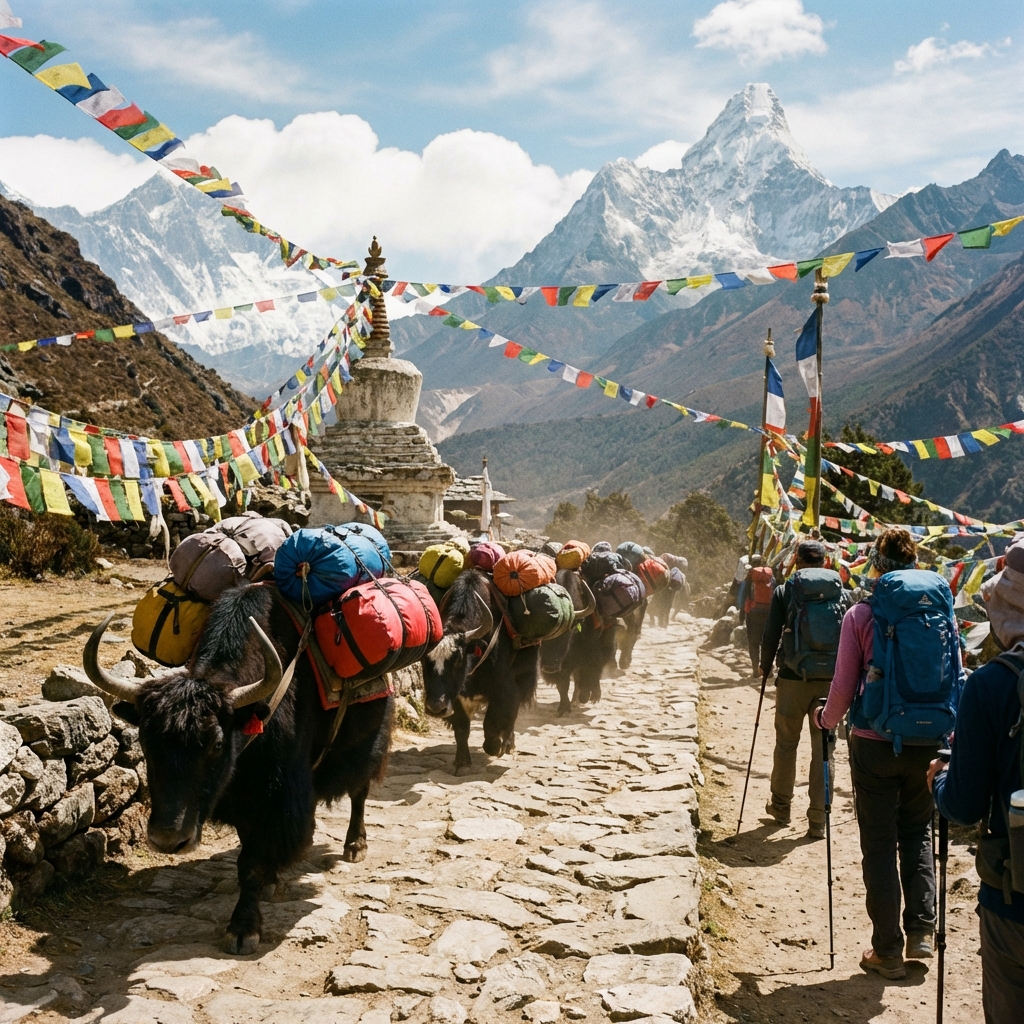
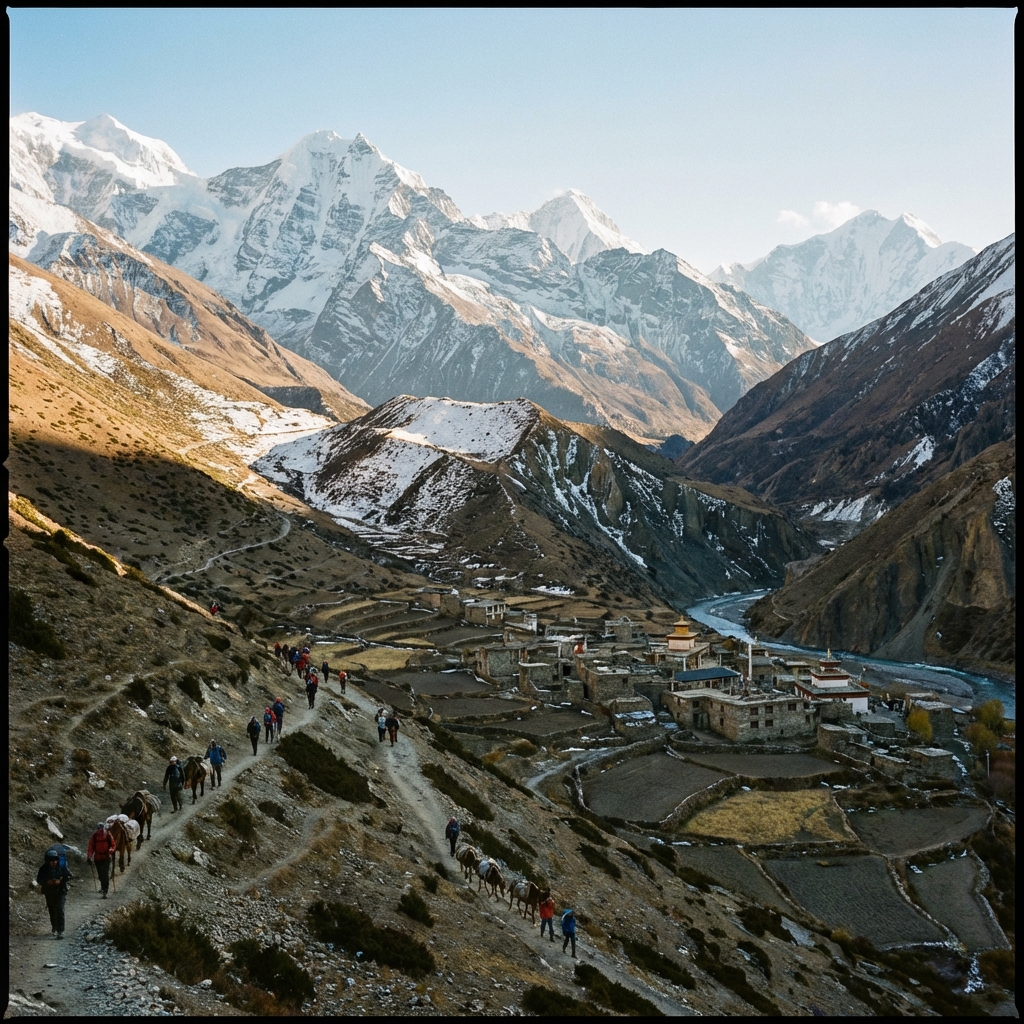
Nepal has long been a haven for solo travelers seeking mountain adventures. The country's unique tea house trekking system, where basic lodges line popular trails at regular intervals, has made independent trekking accessible without the need for camping equipment or organized groups. Unlike many mountain ranges worldwide, Nepal's infrastructure allows trekkers to walk from village to village, finding accommodation and meals along the way.
The Appeal of Solo Trekking
Solo trekking offers unparalleled freedom and flexibility. You choose your pace, rest days, and daily distances. You make decisions based solely on your energy levels, interests, and acclimatization needs. For many, solo trekking represents personal growth, self-reliance, and the opportunity to disconnect from daily life while connecting deeply with nature and local cultures.
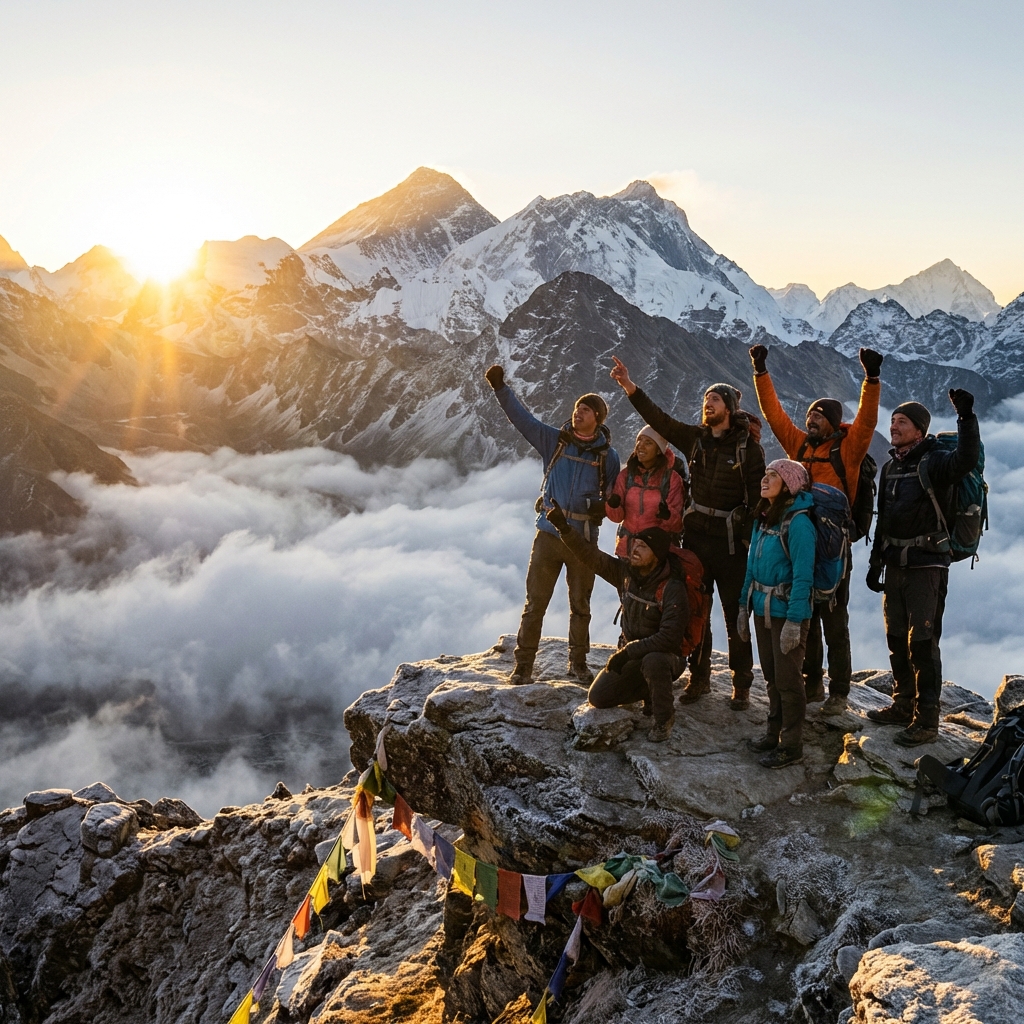
The tea house system facilitates social interaction even for solo trekkers. Evening meals around communal tables, shared trail experiences, and the constant flow of trekkers create opportunities to connect with like-minded adventurers from around the world while maintaining your independence.
The Changing Landscape
However, the solo trekking landscape in Nepal changed significantly in 2023 with new regulations requiring guides. Understanding these rules, their enforcement reality, and practical implications is essential for planning your trek. Additionally, safety considerations specific to solo travelers, from altitude sickness management to emergency protocols, require careful attention.
Is Solo Trekking Safe in Nepal? An Honest Assessment
The question of solo trekking safety in Nepal doesn't have a simple yes or no answer. The reality is nuanced, varying by route, season, experience level, and individual risk management.
The Safety Record
According to historical data from 1984-1991, Nepal experienced a trekking death rate of approximately 14-15 per 100,000 trekkers. The Trekking Agencies' Association of Nepal (TAAN) reports 2-4 solo trekker fatalities annually in recent years. To put this in perspective, these rates are relatively low compared to many adventure activities, but not negligible.
Between mid-1987 and 1991, analysis of 40 trekking deaths revealed:
- 14 deaths from illness (35%)
- 12 deaths from trauma (30%)
- 10 deaths from altitude sickness (25%)
- 3 found dead after being reported missing (7.5%)
- 1 still missing and presumed dead (2.5%)
Key Safety Factors
Route Popularity: Safety correlates strongly with route popularity. Popular trails like Everest Base Camp, Annapurna Base Camp, and Annapurna Circuit have constant traffic, regular medical posts, reliable communication, and quick rescue access. Remote trails carry significantly higher risks.
Altitude Management: Interestingly, research shows that 8 out of 10 altitude sickness deaths occurred in organized groups, despite only 40% of trekkers being in groups. This suggests that having a guide doesn't automatically prevent altitude issues - proper acclimatization and self-awareness matter more.
Medical Emergencies: Solo trekkers face higher risks if medical emergencies occur, particularly injuries that prevent walking. Without companions, you depend entirely on passing trekkers or tea house staff for assistance.
Navigation: Getting lost is a real concern, especially in fog, snow, or at trail junctions. Solo trekkers bear full responsibility for route-finding, though popular trails are generally well-marked.
The Honest Answer
Nepal is reasonably safe for solo trekking if you:
- Stick to popular, well-traveled routes
- Trek during main seasons (spring and autumn)
- Have previous trekking experience
- Understand altitude risks and acclimatization
- Carry appropriate safety equipment and insurance
- Maintain regular communication with family/friends
- Exercise good judgment about weather and personal limits
Solo trekking becomes significantly riskier if you venture to remote areas, trek off-season, lack mountain experience, or ignore altitude acclimatization protocols.
Solo Trekking Reality Check
Every year, solo trekkers in Nepal go missing or experience fatal incidents, mostly from preventable causes like getting lost, injuries from falls, altitude sickness, or medical emergencies where help arrives too late. The risks are real but manageable with proper preparation.
# The 2026 Mandatory Guide Rule: Regulation vs Reality
The Official Rule
On April 1, 2023, the Government of Nepal, through the Nepal Tourism Board and Department of Tourism, implemented a regulation requiring all foreign trekkers to hire licensed guides for trekking in national parks, conservation areas, and restricted regions. The stated aims were:
- Enhancing trekker safety and reducing rescue incidents
- Ensuring environmental protection
- Supporting local employment in the tourism sector
- Better tracking and managing of trekker movements
Under this regulation, solo or free independent trekkers are mandatorily required to hire a government-licensed guide or porter-guide to trek in most of Nepal's popular trekking areas.
The Everest Region Exception
Significantly, the Khumbu Pasang Lhamu Rural Municipality, which governs the Everest region, formally opted out of the ban. The Solukhumbu region, including the entire Everest Base Camp trek, Gokyo Lakes, Three Passes, and related routes, officially remains open for solo trekking with a mandatory licensed guide requirement.
This exemption reflects the strong tea house infrastructure, high trekker volume, and established safety networks in the Everest region, as well as local governance preferences.
Enforcement Reality: The Gap Between Rule and Practice
Here's where the situation becomes complex. Despite the official regulation, practical enforcement has been minimal to non-existent on most popular routes. Multiple trekking reports from 2023-2024 reveal:
Annapurna Region: Hikers who entered the Annapurna Circuit and Annapurna Base Camp routes with a mandatory licensed guides after April 1, 2023 were neither questioned nor stopped. TAAN did not establish TIMS checkpoints to verify guide requirements.
Langtang Region: Solo trekkers report trekking with a mandatory licensed guides with no enforcement or penalties.
Permit Checkpoints: Police and park checkpoints continue checking trekking permits (TIMS cards when required) but do not verify guide hire or stop solo trekkers.
Practical Status: As of 2026, trekkers report that the rule exists on paper but is not being actively enforced on popular trails outside restricted areas.
Why the Enforcement Gap?
Several factors contribute to limited enforcement:
- Lack of infrastructure for checking guide requirements
- Resistance from local tea house owners who welcome all trekkers
- Practical difficulty of enforcing on long, multi-day routes
- Economic considerations and trekker pushback
- Focus on restricted areas rather than popular trails
What This Means for Solo Trekkers
Official Position: Regulations require guides for trekking in national parks and conservation areas (except Everest region).
Practical Reality: Solo trekkers continue trekking popular routes (Annapurna Circuit, ABC, Langtang, Poon Hill) with a mandatory licensed guides, facing minimal to no enforcement.
Your Decision: You must weigh official regulations against practical enforcement. Some trekkers hire guides to fully comply with regulations and gain local expertise and safety benefits. Others trek independently, aware of the regulatory situation.
Future Uncertainty: Enforcement could increase at any time. The situation remains fluid and subject to change based on government priorities and incidents.
Regulatory Navigation
Restricted Areas: Strict Enforcement Continues
The guide requirement is strictly enforced in restricted areas requiring special permits:
- Upper Mustang
- Upper Dolpo
- Tsum Valley
- Manaslu Circuit
- Kanchenjunga
- Nar Phu Valley
- Makalu Base Camp
For these areas, you must book through a registered agency with a licensed guide, and checkpoints verify compliance. Solo trekking is absolutely not permitted in restricted areas.
Solo Trekking Statistics: Understanding the Numbers
How Many Solo Trekkers Visit Nepal?
According to Nepal Tourism Board statistics, approximately 46,000 solo trekkers visited Nepal out of 171,000 total trekkers during the 2019-20 fiscal year (pre-pandemic). This represents roughly 27% of all trekkers, a significant portion of the trekking market.
Solo trekking has been a growing segment, particularly among:
- European trekkers (especially German, French, British, Dutch)
- North American independent travelers
- Experienced trekkers returning to Nepal
- Gap year travelers and long-term backpackers
- Digital nomads and remote workers
Incident Rates: The Statistical Reality
Annual Fatalities: The Trekking Agencies' Association of Nepal (TAAN) reports 2-4 cases of solo trekkers involved in deadly incidents each year. Given roughly 40,000+ annual solo trekkers in recent years, this represents an annual fatality rate of approximately 5-10 per 100,000 solo trekkers.
Historical Death Rates: Research covering 1984-1991 showed:
- 1984-mid 1987: 15 deaths per 100,000 trekkers
- Mid 1987-1991: 14 deaths per 100,000 trekkers
- Total: 40 deaths among 275,950 trekkers
Causes of Death (based on 1987-1991 data):
- Illness: 35% (cardiac events, infections, existing conditions)
- Trauma: 30% (falls, avalanches, rockfall)
- Altitude sickness: 25% (HACE, HAPE)
- Missing/unaccounted: 10%
Success Rates
While precise success rate data isn't systematically collected, anecdotal evidence from trekking agencies and tea house operators suggests:
- 80-90% of solo trekkers on popular routes complete their intended trek
- 5-10% turn back due to altitude sickness, weather, or injury
- 3-5% modify their route (shorter variant, lower altitude)
- <1% require emergency evacuation
Success rates are significantly higher on moderate-difficulty routes (Poon Hill, Langtang Valley) compared to high-altitude treks (EBC, Thorong La Pass).
Risk Factors for Solo Trekkers
Analysis shows solo trekkers face elevated risks in:
- Remote areas with limited traffic and support
- Off-season trekking when trails are less populated
- High-altitude routes above 4,500m where altitude sickness risks increase
- Monsoon season when landslides and leeches present challenges
- First-time trekkers without previous mountain experience
Conversely, experienced solo trekkers on popular trails during peak season have risk profiles comparable to group trekkers.
Missing Persons
Each year, a small number of trekkers go missing in Nepal. According to TAAN, most missing solo trekkers are eventually found, but incidents occur from:
- Getting lost at trail junctions or in poor visibility
- Falling from trails and being unable to call for help
- Suffering medical emergencies away from main trails
- Underestimating route difficulty or weather changes
The TIMS (Trekkers' Information Management System) was designed partially to track trekkers and identify when someone fails to check out from a route, though enforcement and tracking vary.
Solo Female Trekkers: Special Considerations and Realities
Nepal has developed a strong reputation as a safe destination for female solo travelers and trekkers. However, understanding cultural contexts, practical considerations, and taking appropriate precautions ensures the best experience.
Overall Safety Assessment for Women
The Good News: Nepal is widely considered one of the safer countries in Asia for solo female trekkers. The trekking regions especially are friendly, welcoming, and accustomed to seeing independent female travelers. Violent crimes against tourists are very rare, and the mountain communities are generally respectful and protective of trekkers.
Cultural Context
Nepali culture, particularly in Buddhist-influenced mountain regions, tends to be respectful toward women. Trekking areas see thousands of female trekkers annually, both solo and in groups, normalizing the sight of women traveling independently.
However, cultural awareness remains important:
- Modest Dress: In villages and tea houses, wear clothes that cover shoulders and reach at least to knees. This shows respect and reduces unwanted attention.
- Physical Contact: Public displays of affection are uncommon. Handshakes with men may be less common; follow local cues.
- Gender Dynamics: Nepal is traditionally patriarchal, but mountain communities involved in tourism are more progressive and accustomed to Western cultural norms.
Best Routes for Solo Female Trekkers
The following routes are particularly well-suited for solo female trekkers due to high traffic, good infrastructure, and social environments:
- Annapurna Base Camp: Very popular with solo female trekkers, busy tea houses, good social atmosphere
- Ghorepani Poon Hill: Short, easy, extremely popular with women travelers
- Langtang Valley: Moderate difficulty, friendly villages, good mix of trekkers
- Everest Base Camp: Busy trail, excellent infrastructure, many solo women
- Mardi Himal: Growing popularity among female trekkers, beautiful and less crowded than ABC
Potential Challenges and How to Address Them
Urban Areas vs Trekking Areas:
- Cities (Kathmandu, Pokhara): Exercise more caution. Stick to busy areas after dark, use registered taxis, and be aware of occasional street harassment or overly pushy vendors.
- Trekking Trails: Generally much safer. Mountain communities are respectful, and the trekking culture is well-established.
Harassment and Unwanted Attention:
- Generally rare on trekking trails but can occur
- Tea house staff and guides are usually respectful
- Occasional staring in villages (curiosity rather than threat)
- Rare instances of inappropriate comments or behavior from other trekkers or local men
How to Handle It:
- Be firm and clear if someone makes you uncomfortable
- Tea house owners typically protect their guests - inform them if issues arise
- Trek with temporary trail partners if you feel uncomfortable
- Trust your instincts and remove yourself from uncomfortable situations
Safety Tips Specific to Female Solo Trekkers:
Female Trekking Guides: Growing Options
Nepal is experiencing growth in trained female trekking guides and women-led trekking agencies. Benefits include:
- Cultural insights from a woman's perspective
- Understanding of female-specific needs and concerns
- Often more attuned to safety and comfort considerations
- Can facilitate interactions with local women in conservative areas
- Provides same-gender companionship if preferred
Several agencies now specialize in women-led treks or can arrange female guides upon request.
Women-Only Trekking Groups
Some agencies offer women-only group treks, popular among:
- First-time trekkers who want female companionship
- Those from conservative cultural backgrounds
- Women who prefer female-only environments
- Solo travelers wanting to join a supportive group
These groups combine the social benefits of group trekking with the comfort of all-female environments.
Sanitation and Hygiene Considerations
Menstruation on Trek:
- Bring adequate supplies - limited availability on trails
- Most tea houses have basic bathrooms (squat toilets are common)
- Carry disposal bags for used products (pack out what you can't burn)
- Some higher-altitude tea houses have less water; wet wipes helpful
- Pain medication if you experience cramps
Bathroom Facilities:
- Tea houses have basic toilets (varying cleanliness)
- Higher altitudes have simpler facilities
- Bring toilet paper (rarely provided)
- Hand sanitizer essential
Real Experiences from Solo Female Trekkers
Testimonials from female trekkers consistently highlight:
- "The people are respectful, the energy is calm"
- "You're far less likely to feel under siege just for existing in a female body compared to other countries"
- "Popular trails are social - you'll meet other solo travelers at tea houses"
- "I felt safer trekking in Nepal than walking around many Western cities"
- "The mountain communities are incredibly welcoming to women"
Areas Requiring More Caution
Terai Region (Southern Nepal): The plains bordering India have different cultural dynamics. Women may experience more harassment similar to northern India. If traveling in Terai, take extra precautions.
Off-Season, Remote Treks: With fewer trekkers and limited tea house operations, solo female trekkers may feel more vulnerable. Consider hiring a guide for very remote or off-season treks.
For Solo Female Trekkers
Treks Best Suited for Solo Travelers
Not all treks are created equal for solo travelers. Route selection significantly impacts your safety, social opportunities, and overall experience when trekking independently.
Top Recommendations for Solo Trekkers
1. Everest Base Camp (EBC)
Why It's Excellent for Solo Trekkers:
- Extremely high traffic during peak seasons - you're never truly alone
- Excellent tea house infrastructure with reliable lodging
- Good medical facilities (Namche Bazaar has clinics, Pheriche has a high-altitude research station)
- Social atmosphere with many solo trekkers and opportunities to connect
- Well-marked trails with clear signage
- Officially exempt from mandatory guide rule
- Regular helicopter evacuation access if emergencies arise
- Multiple lodges at each stop providing choices
Considerations:
- High altitude (5,364m) requires proper acclimatization
- Longer duration (12-14 days minimum)
- More expensive than other treks
- Can be crowded during peak season
Best For: Experienced trekkers comfortable with high altitude, those seeking social trekking experience, adventurers wanting iconic Himalayan experience.
2. Annapurna Base Camp (ABC)
Why It's Great Solo:
- Very popular with diverse international trekkers
- Shorter duration (7-10 days) than EBC
- Excellent tea house network with friendly lodges
- Stunning scenery in a more compact timeframe
- Moderate difficulty accessible to fit beginners
- Highly social trail with many solo travelers
- Good trail marking and clear routes
- Lower altitude maximum (4,130m) than EBC
Considerations:
- Technically requires guide under current regulations (minimal enforcement)
- Can be slippery in monsoon
- Avalanche risks in certain sections during unstable snow
Best For: First-time Himalayan trekkers, those with limited time, trekkers wanting spectacular views without extreme altitude, solo travelers seeking social environment.
3. Langtang Valley
Why It's Ideal for Solo Trekkers:
- Closer to Kathmandu (easier logistics)
- Moderate difficulty suitable for various fitness levels
- Beautiful cultural experience with Tamang villages
- Less crowded than EBC/ABC but still has good trekker flow
- Friendly tea houses with welcoming families
- Reasonable prices
- Maximum altitude around 4,000-4,500m depending on variant
- Good trail conditions and marking
Considerations:
- Rebuilding after 2015 earthquake (now largely recovered)
- Less social than EBC/ABC due to lower traffic
- Fewer medical facilities than Everest region
Best For: Solo trekkers seeking moderate challenge with cultural immersion, those wanting less crowded trails while maintaining tea house support, budget-conscious trekkers.
4. Ghorepani Poon Hill
Why Perfect for Solo Beginners:
- Short duration (4-5 days)
- Low altitude (maximum 3,210m)
- Very easy to moderate difficulty
- Extremely popular with continuous trekker flow
- Excellent tea house infrastructure
- Beautiful rhododendron forests and sunrise views
- Very safe and straightforward navigation
- Great introduction to Himalayan trekking
Considerations:
- Can be very crowded, especially at sunrise viewpoint
- Less challenging for experienced trekkers
- Weather-dependent views
Best For: First-time trekkers, those testing altitude tolerance, solo travelers wanting extremely safe introduction to Nepal trekking, limited time visitors.
5. Annapurna Circuit
Why It Works for Solo Trekkers:
- Classic trek with consistent trekker traffic
- Incredible diversity of landscapes and cultures
- Long duration provides time to form trail friendships
- Well-established tea house network
- Multiple exit options if needed
- Highly social with international trekking community
- Flexible itinerary options
Considerations:
- Thorong La Pass (5,416m) requires good acclimatization
- Longer commitment (15-20 days for full circuit)
- Road construction has changed some sections
- Higher altitude sections more challenging
Best For: Experienced trekkers with time, those seeking cultural diversity and landscape variety, solo travelers who enjoy forming temporary trekking partnerships.
Summary Table: Best Solo Treks
Solo Trekker Trek Comparison
| Name | Difficulty | Duration | Max Altitude | Social Factor | Solo Beginner | Guide Required | Best Season |
|---|---|---|---|---|---|---|---|
| Everest Base Camp | Challenging | 12-14 days | 5,364m | Very High | No | No (exempt) | Mar-May, Sep-Nov |
| Annapurna Base Camp | Moderate | 7-10 days | 4,130m | Very High | Yes | Officially yes, rarely enforced | Mar-May, Sep-Nov |
| Langtang Valley | Moderate | 7-10 days | 4,500m | Moderate-High | Yes | Officially yes, rarely enforced | Mar-May, Sep-Nov |
| Poon Hill | Easy | 4-5 days | 3,210m | Very High | Excellent | Officially yes, rarely enforced | Year-round (best Oct-Apr) |
| Annapurna Circuit | Challenging | 15-20 days | 5,416m | High | No | Officially yes, rarely enforced | Mar-May, Sep-Nov |
Treks to Avoid as a Solo Trekker
While many treks welcome solo travelers, certain routes present elevated risks that make them unsuitable for independent trekking with a mandatory licensed guides or companions.
Very Remote Routes
Why Avoid Solo:
- Limited to no tea house traffic
- Days between encountering other trekkers
- No help available if injury or illness occurs
- Navigation challenges without companions to consult
- Limited accommodation options
Examples:
- Makalu Base Camp: Remote, challenging, technical sections
- Kanchenjunga Circuit: Very long, isolated, mandatory guide anyway
- Dolpo Region: Extremely remote, high altitude, cultural sensitivity
- Simikot to Mount Kailash: Logistics complex, very isolated
Restricted Areas
All restricted areas require licensed guides by strictly enforced law:
- Upper Mustang: Special permit, guide mandatory
- Upper Dolpo: Very remote, guide essential for permits and safety
- Tsum Valley: Restricted area, guide required
- Nar Phu Valley: Remote, restricted, technical sections
- Manaslu Circuit: Restricted area permit requires guide
Why Guide Required:
- Legal compliance - checkpoints verify guide presence
- Cultural sensitivity in preserved areas
- Safety in remote, high-altitude environments
- Navigation through less-developed trails
Off-Season Remote Treks
Even on normally suitable routes, off-season trekking creates solo risks:
Monsoon Season (June-August):
- Trails can be deserted
- Tea houses may be closed
- Landslide and leech risks increase
- Poor visibility and trail conditions
- Rescue access complicated by weather
Winter (December-February) on High Passes:
- Extreme cold and snow
- Many tea houses closed on high routes
- Avalanche risks
- Fewer trekkers for assistance
- Limited rescue access
Routes Particularly Risky Off-Season:
- Thorong La Pass (Annapurna Circuit) in deep winter
- EBC in monsoon (possible but challenging)
- Three Passes Trek in winter
- Any high-altitude route during monsoon
Technically Challenging Routes
Some treks require mountaineering skills, equipment, or involve objective hazards unsuitable for solo trekking:
Three Passes Trek (Everest Region):
- While possible solo, the Cho La, Kongma La, and Renjo La passes involve glacier travel, steep ice, and route-finding challenges
- Better with guide or experienced companions
- Weather changes create significant risks
Upper Mustang to Teri La Pass:
- Extreme altitude
- Navigation challenges
- Very isolated
Tilicho Lake Side Trip:
- Can be done solo but landslide-prone trail
- Weather-dependent safety
- Consider going with other trekkers met on circuit
Cultural Sensitivity Areas
Some regions benefit from guide presence for cultural reasons:
- Dolpo: Tibetan Buddhist culture with sensitivities to outside influence
- Mustang: Preserved Tibetan culture where guides help navigate customs
- Restricted areas generally: Cultural protocols best understood with local guide
Solo Trekking Red Flags
Avoid solo trekking if: you'll go days without seeing other trekkers, the route requires technical mountaineering skills, it's a restricted area, weather forecasts show extended bad periods, you lack previous high-altitude experience and the trek exceeds 5,000m, or you're trekking in monsoon/deep winter on remote routes.
The Social Reality: You're Never Truly Alone
One of the most important realities about "solo" trekking in Nepal is that on popular routes, you're rarely actually alone. Understanding the social dynamics helps set realistic expectations.
The Tea House Community
Tea houses create natural social hubs. Most tea houses have common dining areas where trekkers gather for evening meals. The typical routine:
- Arrive at tea house in afternoon
- Check into room
- Gather in dining room for dal bhat or other meals
- Share tables with other trekkers
- Exchange stories, plans, route information
- Often trek together the next day if pace matches
This system means solo trekkers have daily opportunities for social interaction without the commitment of organized groups.
Trail Socializing
On popular routes during peak season:
- You'll pass and be passed by trekkers throughout the day
- Regular rest stops at tea houses create meeting points
- Faster trekkers overtake; slower trekkers are overtaken - creating repeated encounters
- Common destinations (EBC, ABC) mean you see the same people over days
- Natural pace-matching leads to informal trekking partnerships
Temporary Trekking Partnerships
Many solo trekkers form temporary partnerships:
- Trek together for a day or several days
- Split up if pace differs or rest day schedules conflict
- Reunite at common stopping points
- Provides safety benefits of companionship with flexibility
This organic system offers a middle ground between pure solo trekking and committed group treks.
Meeting Points and Social Hubs
Certain locations become particularly social:
- Namche Bazaar (EBC): Acclimatization days bring trekkers together
- Manang (Annapurna Circuit): Pre-Thorong La gathering point
- Ghorepani: Evening social scene
- Kyanjin Gompa (Langtang): Small village creates intimacy
Language and International Mix
Popular trails attract international trekkers:
- English is common language for communication
- Mix of nationalities creates cultural exchange
- Solo travelers from different countries often connect
- Guides and tea house staff facilitate introductions
The Reality Check
You'll Have Alone Time: Hiking during the day, you can be alone or with others as you choose. Fast or slow days naturally create solitude or companionship.
You Won't Be Isolated: On popular routes, you're never far from help, conversation, or companionship if needed.
It's Flexible: The beauty of solo trekking in Nepal is choosing your level of social interaction day by day.
Making Trail Friends
Solo vs Solitary
Solo Trekking = Independence in planning and decision-making Solitary Trekking = Being physically alone
In Nepal, you can have solo trekking (making your own plans) without solitary trekking (being isolated). This distinction makes Nepal uniquely accessible for independent travelers who value autonomy but appreciate community.
Solo Trekking vs Solo Traveler with Agency Options
Solo travelers have multiple options beyond pure independent trekking. Understanding these alternatives helps match your comfort level, budget, and preferences.
Pure Solo Independent Trekking
What It Means:
- No guide, no porter
- Book your own permits
- Arrange your own transportation
- Choose accommodation day-by-day
- Complete flexibility and independence
Pros:
- Maximum flexibility
- Lower cost (no guide/agency fees)
- Complete autonomy
- Personal challenge and growth
- Freedom to change plans instantly
Cons:
- Full responsibility for navigation and safety
- Language barriers in permit processes
- No local cultural insights from guide
- Officially violates guide requirement (minimal enforcement on popular routes)
- Emergency assistance depends on other trekkers or tea houses
Best For: Experienced trekkers, budget travelers, those valuing complete independence, adventurers comfortable with uncertainty.
Solo Traveler Joining Group Trek
What It Means:
- Book through agency for a group departure
- Trek with 4-15 other travelers (group size varies)
- Shared guide, set itinerary
- Usually includes permits, some meals, accommodation
- You're a solo traveler joining an organized group
Pros:
- Built-in social group
- Professional guide and support
- Logistics handled (permits, bookings, transportation)
- Safety of numbers
- Often "single supplement" fee manageable
- Meet like-minded travelers
Cons:
- Fixed itinerary and pace
- Group dynamics may not suit everyone
- Less flexibility for rest days or route changes
- Potential personality conflicts
- Accommodations might be shared
Best For: First-time trekkers, those wanting social experience, travelers preferring organized logistics, people who enjoy group dynamics.
Private Guide for Solo Traveler
What It Means:
- Hire a guide just for yourself (and porter if desired)
- Set your own itinerary and pace
- One-on-one cultural exchange and guiding
- Personalized experience with support
Pros:
- Maintain flexibility while having professional support
- Safety benefits of guide presence
- Deep cultural insights and language assistance
- Complies with guide regulations
- Emergency support immediately available
- Can adjust pace and rest days
- Personal attention
Cons:
- Significantly more expensive (paying for exclusive guide)
- Still have another person with you (less solitude)
- Quality varies by guide
- Need to find compatible guide personality
Best For: Solo travelers with larger budgets, those wanting cultural depth, first-time trekkers who value independence, travelers concerned about altitude/medical risks.
Cost Consideration: Private guide typically $25-35/day, porter $20-25/day. For a 12-day EBC trek, guide costs add $300-420 to your budget.
Porter-Only Option
What It Means:
- Hire a porter to carry your pack
- No guide - you navigate yourself
- Porter walks separately (not guiding)
- Lighter walking load
Pros:
- Easier hiking without heavy pack
- Employment support for local community
- Companionship without formal guiding
- More affordable than guide
- Assistance available if needed
Cons:
- Doesn't satisfy guide requirement officially
- Porter isn't guide-trained for safety/navigation
- Language barriers may limit communication
- Still responsible for route-finding
Best For: Trekkers who want easier physical experience, those supporting local employment, experienced navigators who want pack-carrying help.
Last-Minute Group Joining
What It Means:
- Arrive in Kathmandu/Pokhara solo
- Join a group trek departing soon
- Many agencies offer last-minute slots
- Fill empty spots in scheduled groups
Pros:
- Flexibility in arrival dates
- Often discounted rates for filling spots
- Combines independence pre-trek with group benefits on trail
- Lower single supplement or none
Cons:
- Limited route/date choices
- May need to wait for suitable group
- Less planning time
- Group may already have formed dynamics
Best For: Flexible travelers, budget-conscious solo trekkers, those who want some pre-trip independence then group experience.
Finding Trek Partners Online
What It Means:
- Use online forums, social media, or hostel bulletin boards
- Connect with other solo travelers
- Form independent trekking partnerships
- Trek together without formal agency
Where to Find Partners:
- Lonely Planet Thorn Tree forums
- Reddit r/Nepal, r/solotravel
- Facebook groups for Nepal trekking
- Hostel notice boards in Kathmandu/Pokhara (Thamel especially)
- Trekking agency bulletin boards
Pros:
- Cost savings of independent trekking with safety of companionship
- Meet like-minded travelers
- Shared costs for permits, transportation
- Flexibility with compatible partners
- Social benefits without agency costs
Cons:
- Requires time to find compatible partners
- Personality/pace mismatches possible
- Logistics coordination needed
- Doesn't satisfy official guide requirement
- Partnership may dissolve if conflicts arise
Best For: Social solo travelers, budget-conscious trekkers, those with time to network before trekking.
Solo Traveler Options Comparison
| Option | Cost | Flexibility | Safety | Social | Compliance | Best For |
|---|---|---|---|---|---|---|
| Pure Solo Independent | $ | Maximum | Moderate | Variable | Non-compliant | Experienced, budget, independent |
| Join Group Trek | $$ | Low | High | High | Compliant | First-timers, social types |
| Private Guide | $$$ | High | High | Moderate | Compliant | Budget-flexible, safety-focused |
| Porter Only | $$ | High | Moderate | Low-Moderate | Non-compliant | Experienced, want pack help |
| Find Partners Online | $ | Moderate | Moderate-High | High | Non-compliant | Social, budget, network-savvy |
Safety Considerations Specific to Solo Trekkers
Solo trekkers face unique safety considerations that require specific preparation and ongoing vigilance.
Altitude Sickness When Alone
The Challenge: Altitude sickness affects judgment, physical capability, and decision-making. When trekking solo, you lack companions to notice symptoms you might miss or downplay.
Critical Concerns:
- HACE (High Altitude Cerebral Edema) affects mental state - you may not recognize your own confusion
- HAPE (High Altitude Pulmonary Edema) can progress rapidly overnight
- Denial is common - solo trekkers may push through symptoms without intervention from others
- Night-time deterioration happens when you're alone in your room
Solo Trekker Altitude Protocol:
-
Know the symptoms intimately:
- Headache, nausea, loss of appetite, fatigue (mild AMS)
- Severe headache, vomiting, confusion, loss of coordination (HACE)
- Shortness of breath at rest, wet cough, chest tightness (HAPE)
-
Be brutally honest with yourself:
- Don't dismiss symptoms
- Ask tea house staff or other trekkers for objective assessment
- If uncertain, descend - altitude illness is the one situation where descending is the only cure
-
Communicate symptoms:
- Tell tea house owners if you feel unwell
- Ask them to check on you
- Connect with other trekkers - they can monitor your condition
-
Acclimatize conservatively:
- Solo trekkers should be more conservative than groups
- Take extra acclimatization days
- Don't skip recommended rest days to "save time"
-
Never ascend with symptoms:
- This rule is absolute for solo trekkers
- Descend until symptoms improve
- Your trek timeline matters less than your life
Altitude Emergency Protocol for Solo Trekkers
If you experience severe headache unrelieved by painkillers, confusion, inability to walk straight line, or shortness of breath at rest: DESCEND IMMEDIATELY. Tell tea house staff, ask other trekkers for help, and go down at least 500m. Don't wait until morning. Don't hope it improves. Descend.
Medical Emergencies Solo
Scenarios and Solutions:
Injury Preventing Walking:
- Twisted ankle, knee injury, or fall injuries
- Protocol: Stay put, call for help from tea house or passing trekkers
- Emergency evacuation may be necessary
- This is why insurance with helicopter evacuation is critical
Gastro Illness:
- Food poisoning, traveler's diarrhea, vomiting
- Protocol: Rest at tea house, hydrate, use medications
- Inform tea house staff - they can bring food/water to your room
- Don't trek while severely ill
- Most passes in 24-48 hours
Cardiac or Serious Medical Emergency:
- Heart attack, stroke, severe allergic reaction
- Protocol: Immediate assistance from anyone available
- Tea houses usually have satellite phones or cell coverage
- Emergency helicopter evacuation
- This underscores importance of good insurance and emergency contacts
Solo Medical Kit Essentials:
- Comprehensive first aid supplies
- Altitude sickness medications (Diamox, Dexamethasone)
- Antibiotics for gastro issues
- Pain relievers
- Blister treatment
- Ankle wrap/support
- Water purification
- Personal medications
- Emergency whistle
Navigation Challenges
Route-Finding Risks:
- Fog, snow, or low visibility obscuring trails
- Unmarked trail junctions
- Shortcuts that aren't actually routes
- Getting lost without companions to consult
Solo Navigation Tools:
- Offline Maps: Maps.me, Gaia GPS, or similar with Nepal trekking trails downloaded
- GPS Device: Garmin or similar for backup navigation
- Physical Maps: Paper maps as non-electronic backup
- Compass: Basic navigation tool
- Guidebook: Detailed trail descriptions
Navigation Protocol:
- Study route daily before departing
- Ask tea house staff about route conditions and junctions
- Take photos at junctions to verify route on return (if you're doing out-and-back sections)
- If unsure, wait for other trekkers and follow
- Don't guess - backtrack to last known point if lost
- Stone cairns often mark routes but verify they're on the right trail
Weather Risks
Caught in Bad Weather Alone:
- Snowstorms above tree line
- Heavy rain and landslide risks
- Lightning on exposed ridges
- Temperature drops creating hypothermia risk
Weather Safety for Solo Trekkers:
- Check forecasts (Windy.com, Mountain Forecast)
- Start early (weather often deteriorates afternoon)
- Turn back if weather worsens
- Carry emergency shelter (space blanket/bivy)
- Don't push through dangerous weather to make schedule
- Tea houses provide shelter - stay put if needed
Personal Security
Physical Safety: Nepal's trekking trails are generally safe from crime, but considerations:
- Keep valuables secure (money belt, locked bags)
- Don't flash expensive electronics or large amounts of cash
- Lock room doors at night
- Be cautious accepting food/drinks from strangers (rare issue but prudent)
Women's Safety (covered more in female section):
- Choose populated tea houses
- Lock doors
- Trust instincts about situations/people
Communication Safety
Staying Connected:
- Cell coverage exists on many popular routes (Ncell and Nepal Telecom)
- Satellite phones available for rent
- Tea houses often have WiFi (paid, unreliable but functional for check-ins)
Check-In Protocol:
- Establish regular check-in schedule with family/friend
- Share itinerary before leaving
- Check in every 2-3 days minimum
- If you miss check-in, your contact knows to investigate
Emergency Contacts:
- Your embassy in Kathmandu
- Trekking agency (if you used one)
- Insurance company emergency line
- Himalayan Rescue Association
- Local police/army posts on trail
The Buddy System Adapted
Practical Solo Trekking Tips
Pre-Trek Preparation
Share Detailed Itinerary:
- Leave copy with trusted friend/family
- Include tea house names, daily stops, dates
- Note rest days and flexibility buffer
- Provide emergency contacts in Nepal
Registration and Tracking:
- TIMS card (when required) helps track trekkers
- Register with your embassy if they offer it
- Trekking permits create paper trail
Insurance Verification:
- Confirm coverage details before leaving
- Save emergency numbers offline
- Understand evacuation protocols
- Verify altitude coverage
Physical Preparation:
- Training for fitness
- Previous hiking experience valuable
- Altitude experience helpful but not required
- Medical check-up recommended
On-Trail Practices
Daily Routine:
- Start early (7-8am departures common)
- Finish by mid-afternoon (2-3pm)
- Allows buffer for delays, rest, altitude adjustment
- Evening socialization and early sleep
Hydration and Nutrition:
- Drink 3-4 liters daily
- Eat regularly even if appetite is low (altitude effect)
- Carry snacks for energy
- Water purification critical
Pace Management:
- "Pole pole" (slowly slowly) is the Himalayan mantra
- Rest every 45-60 minutes
- Don't race - altitude requires slow, steady pace
- Listen to your body
Communication:
- Charge devices when electricity available
- Power banks essential
- Check in regularly with home
- Exchange contact info with fellow trekkers
Decision-Making Framework
When to Rest:
- Feeling unusually fatigued
- Any altitude symptoms
- Bad weather forecast
- Injury or illness
- Sometimes just because you want to
When to Turn Back:
- Severe altitude symptoms
- Injury preventing safe hiking
- Dangerous weather conditions
- Route conditions beyond your skill
- Gut feeling something is wrong
When to Seek Help:
- Medical emergencies
- Lost and unable to navigate
- Severe weather threatening safety
- Any situation overwhelming your capability
Budget Management Solo
Daily Costs (solo trekker):
- Accommodation: $3-10/night (higher altitude costs more)
- Meals: $15-25/day
- Snacks/drinks: $5-10/day
- Charging: $2-5/day
- WiFi: $3-5/day if used
- Total: $30-60/day depending on altitude and preferences
No Group Discounts:
- You pay individual prices
- Some tea houses charge single supplements (not common)
- Consider this in budget planning
Money Management:
- Carry enough cash - limited ATMs after Namche (EBC) or Pokhara (ABC)
- Small bills essential
- Hidden money belt for backup funds
- Tea houses don't accept cards except major villages
Packing Differences for Solo
Critical Solo Items:
- More comprehensive first aid kit
- Extra batteries/power bank
- Emergency shelter (space blanket)
- Water purification backup
- Extra emergency food
- Personal locator beacon (optional but considered by some)
- Duct tape and repair supplies
Weight Considerations:
- Carrying your own pack means weight matters
- Aim for <10kg base weight
- Every kilogram counts at altitude
- Consider hiring porter if pack exceeds comfort
Solo Trekking Accommodation Strategies
Choosing Tea Houses:
- Busier tea houses provide more social opportunities and safety
- Smaller, quieter ones offer more solitude if desired
- Higher-altitude locations have fewer choices
- Peak season may require early arrival for rooms
Single Room Availability:
- Most tea houses have both private and shared rooms
- Private rooms generally available and affordable ($3-10)
- Higher altitudes may have limited private room options
- Solo travelers often get private rooms at shared room prices off-season
Room Security:
- Most rooms have locks (bring your own padlock as backup)
- Valuables should stay secured
- Keep passport, money, electronics with you or locked
- Tea houses are generally trustworthy but practice normal security
Shared Rooms:
- If private rooms unavailable, shared dormitory-style rooms common
- Usually separated by gender
- Brings cost down further
- Social opportunity
- Less privacy
Solo Trekking Costs: Complete Budget Breakdown
Understanding the full cost picture helps solo trekkers budget accurately. Solo trekking generally costs more than group trekking on a per-person basis due to lack of group discounts and potential guide requirements.
Everest Base Camp Solo Budget (12 days)
with a mandatory licensed guide (limited enforcement makes this possible):
- Permits: $50-70 (Khumbu entry, TIMS if required)
- Kathmandu-Lukla flights: $215-400 round trip
- Accommodation: $5-10/night × 12 = $60-120
- Meals: $20-30/day × 12 = $240-360
- Snacks/drinks: $8-12/day × 12 = $96-144
- Charging/WiFi: $5/day × 12 = $60
- Emergency buffer: $100-200
- Total: $956-1,454
With Private Guide (compliant with regulations):
- Above costs plus:
- Guide: $30/day × 12 = $360
- Guide accommodation/meals: Included in your tea house costs
- Guide permit/insurance: $50-100
- Total: $1,366-1,914
Group Trek Package:
- Typical package: $1,200-1,800
- Usually includes guide, permits, accommodation, most meals, flights
- Single supplement: +$100-200
- Total: $1,300-2,000
Annapurna Base Camp Solo Budget (8 days)
with a mandatory licensed guide:
- Permits: $40-60 (ACAP, TIMS)
- Pokhara-Nayapul transport: $30 round trip
- Accommodation: $4-8/night × 8 = $32-64
- Meals: $18-25/day × 8 = $144-200
- Snacks/drinks: $7-10/day × 8 = $56-80
- Charging/WiFi: $4/day × 8 = $32
- Emergency buffer: $50-100
- Total: $384-566
With Guide:
- Above costs plus:
- Guide: $28/day × 8 = $224
- Guide fees: $30-50
- Total: $638-840
Group Trek Package:
- Typical package: $650-950
- Single supplement: +$50-100
- Total: $700-1,050
Cost Comparison: Solo vs Group
Solo independent trekking is cheaper than group packages on lower-cost treks (ABC, Langtang, Poon Hill) but comparable or sometimes more expensive on higher-cost treks (EBC) when you factor in coordination costs and lack of bulk discounts on flights.
Where Solo Saves Money:
- Shorter, easier treks near Kathmandu/Pokhara
- Flexible food choices (can eat cheaper)
- Can stay in budget tea houses
- No guide fees (if enforcement allows)
Where Group Packages Compete:
- Expensive flights (Lukla) booked in bulk
- Permit processing simplified
- Guide costs spread across group
- Pre-negotiated tea house rates
Insurance for Solo Trekkers: Critical Coverage
Travel insurance is essential for all trekkers but absolutely critical for solo trekkers who lack the group support network.
Essential Coverage Elements
Medical Expenses:
- Minimum $50,000 medical coverage
- $100,000+ recommended for high-altitude treks
- Covers hospital, doctor, medication costs
Emergency Evacuation:
- Most Critical Component
- Helicopter evacuation from high altitude: $5,000-15,000+
- Must cover altitude you'll reach (many policies cap at 4,000m - insufficient for EBC, Thorong La)
- Ensure coverage up to 6,000m for high treks
Repatriation:
- Return to home country if serious medical situation
- Covers medical transport and accompaniment
Trip Cancellation/Interruption:
- Refunds if you must cancel before departure
- Covers unused portions if you abandon trek mid-way
Lost/Stolen Gear:
- Covers expensive gear (camera, electronics, trekking equipment)
- Keep receipts and serial numbers
Solo-Specific Insurance Considerations
Higher Risk Profile:
- Solo trekkers may face slightly higher premiums
- Declare solo trekking when purchasing policy
- Don't hide solo status - could void claims
Pre-Existing Conditions:
- Declare all conditions honestly
- May need specialized coverage or waivers
Adventure Activity Coverage:
- Ensure "trekking" is specifically covered
- Some policies exclude high-altitude activity
- Mountaineering different from trekking - know the distinction
Recommended Insurance Providers
Popular among trekkers:
- World Nomads: Widely used, good altitude coverage
- True Traveller: UK-based, excellent altitude limits
- IMG Global: Comprehensive adventure coverage
- SafetyWing: Digital nomad favorite, monthly coverage
Check Carefully:
- Altitude limits
- Solo trekking status
- Helicopter evacuation explicitly included
- Pre-approval requirements for evacuation
- Claims process from Nepal
- 24/7 emergency contact
Cost: Comprehensive trekking insurance typically $100-300 for 2-4 week trip depending on age, coverage level, and altitude.
Insurance Documentation
Cultural Attitudes Toward Solo Trekkers
Understanding how Nepalis view solo trekkers helps set expectations and navigate cultural interactions.
General Acceptance
Tourism-Experienced Areas:
- Mountain communities along popular trails see thousands of solo trekkers
- Completely normal and unremarkable
- No stigma or unusual treatment
- Tea house owners accustomed to individual travelers
Curiosity and Friendliness:
- Nepalis are generally warm and welcoming
- May ask questions about why you're alone (curiosity, not judgment)
- Often express concern for your safety (caring, not criticism)
- Frequently helpful and protective
The Guide Question
Common Interaction:
- "Where is your guide?"
- "You are alone?"
- "Is this safe for you?"
How to Respond:
- Friendly, brief explanation
- "Yes, I enjoy trekking independently"
- "I've done research on the route"
- Most accept this readily
Local Perspective:
- Some Nepalis find solo trekking puzzling (why not hire guide to help someone earn money?)
- Economic perspective - tourism provides livelihoods
- Safety concern - they know the risks
- Generally respectful of your choice
Solo Women's Reception
Cultural Context:
- Independent travel by women increasingly normalized
- Mountain communities see many female solo trekkers
- Generally respectful and protective
- Some surprise in more conservative areas
Safety Note:
- Mountain communities tend to be more progressive than Kathmandu Valley in attitude toward independent women
- Tourism has normalized diverse behaviors
- Women often report feeling very safe
Building Rapport
Tea House Relationships:
- Regular guests at tea houses form relationships with owners
- Sharing meals, conversations creates bonds
- Owners often check on solo trekkers' well-being
- Can become protective of "their" trekkers
Local Interactions:
- Basic Nepali phrases appreciated ("Namaste," "Dhanyabad")
- Respect for local customs (remove shoes, modest dress)
- Interest in culture well-received
- Photography etiquette (ask permission)
Pros and Cons of Solo Trekking: Honest Assessment
Advantages of Solo Trekking
Complete Freedom and Flexibility:
- Set your own pace without accommodating others
- Take rest days when you want them
- Change plans spontaneously
- Extend or shorten trek based on how you feel
- Choose your budget level
- Decide daily distances
Personal Growth and Self-Reliance:
- Builds confidence and independence
- Problem-solving without group input
- Sense of accomplishment
- Self-discovery through solitude and challenge
- Overcoming fears
Social Flexibility:
- Be social when you want, alone when you prefer
- Choose your companions rather than being assigned
- Easier to meet locals and other trekkers (not insulated by group)
- Can join others temporarily without commitment
Pace Matching:
- No frustration with too-fast or too-slow group
- Rest when tired, push when energized
- Acclimatize at your body's pace
- Take photos without holding others up
Authentic Experience:
- More immersive cultural interaction
- Direct navigation and problem-solving
- Deeper connection to place
- Not filtered through group leader
Budget Control:
- Choose your spending level
- Eat cheaply or splurge as you prefer
- Stay in basic or nicer tea houses
- No forced group expenses
Disadvantages of Solo Trekking
Safety Concerns:
- No companions if medical emergency
- Altitude sickness harder to recognize in yourself
- Injury could leave you stranded
- Navigation errors have no cross-check
- Emergency response slower
- Rescue more complicated
Higher Costs (sometimes):
- No group discounts on permits or guides
- Occasional single supplements
- Guide costs not shared if you hire one
- Some economies of scale lost
- May need to hire guide to comply with regulations
Loneliness Potential:
- Long days alone (though trail provides company on popular routes)
- Evening solitude if you don't engage with others
- Lack of shared experience
- No one to discuss decisions with
- Missing camaraderie of shared challenge
Mental Challenge:
- All decisions on you - no one else to blame or consult
- Uncertainty can be stressful
- Bad weather days more psychologically taxing alone
- Altitude symptoms combined with solo decision-making difficult
Practical Challenges:
- Carrying your own pack (unless you hire porter)
- All logistics and problem-solving on you
- Language barriers with a mandatory licensed guide
- Navigation entirely your responsibility
- Permit processes more complicated
Regulatory Issues:
- Technically violating guide requirement (except Everest)
- Uncertainty about rule enforcement
- Ethical considerations about following regulations
Missed Opportunities:
- Guides provide cultural context and insights
- Group experiences create bonding
- Support network of group trek
- Organized logistics can be easier
Honest Assessment
Solo trekking suits certain personalities and situations while being challenging for others. It requires:
- Comfort with uncertainty and solitude
- Willingness to accept higher personal risk
- Self-reliance and problem-solving ability
- Physical fitness to carry your pack
- Mental resilience for challenging moments
It rewards with:
- Incredible freedom and flexibility
- Personal growth and confidence
- Authentic, unfiltered experience
- Social opportunities on your terms
- Deep sense of accomplishment
Solo Traveler Alternatives: Finding Your Perfect Option
If pure solo trekking feels too risky or isolating, but you're traveling to Nepal alone, excellent alternatives exist.
Finding Trek Partners Online
Before You Arrive:
Facebook Groups:
- "Nepal Trekking & Backpacking"
- "Solo Female Travelers Nepal"
- "Annapurna Circuit Trekkers"
- Post your dates, route, experience level
- Connect with others on similar timelines
Reddit:
- r/Nepal
- r/solotravel
- r/Mountaineering
- Post in advance to find partners
Lonely Planet Thorn Tree:
- Active Nepal forum
- Partner-finding threads common
- Connect with experienced travelers
Travel Apps:
- Couchsurfing (not for accommodation, for meetups)
- Meetup.com (Kathmandu/Pokhara events)
- Travel partner apps
In Nepal:
Thamel Bulletin Boards (Kathmandu):
- Hostels have physical notice boards
- Post your trek plans
- Respond to others' posts
- OR Guest House, Karma Travelers Home, other popular hostels
Lakeside Pokhara:
- Similar bulletin boards
- Cafes and trekking agencies
- Hostel common areas
Trekking Agencies:
- Some agencies maintain partner-finding services
- Can connect solo travelers with similar interests
- Sometimes free, sometimes small fee
Last-Minute Group Joining
How It Works:
- Agencies have scheduled departures
- Group treks need minimum numbers
- Empty spots often available close to departure
- Solo travelers can fill these spots
Advantages:
- Discounted rates (sometimes 20-40% off)
- Immediate availability
- Combines pre-trek solo flexibility with group trek benefits
- No long commitment to group (just the trek)
Process:
- Visit trekking agencies in Thamel or Lakeside
- Ask about departures in next few days
- Negotiate rates (last-minute spots often flexible)
- Meet the group and decide
Considerations:
- Limited choice of routes/dates
- Group may already have formed dynamics
- Less planning time
- Best in peak season when more departures
Hiring Just a Guide (Not Full Package)
Independent Guide Hire:
- Find freelance guides
- Negotiate daily rate directly
- You arrange your own accommodation, permits
- Guide provides navigation and support
- More affordable than full packages
Where to Find:
- Guide associations in Kathmandu/Pokhara
- Tea houses can connect you with guides
- Online guide platforms
- Recommendations from other trekkers
Typical Arrangement:
- Daily rate: $25-35
- You pay guide's accommodation and meals (basic tea house costs)
- Guide handles navigation, cultural interaction
- Flexible itinerary
- Complies with guide requirement
Benefits:
- Lower cost than agency packages
- Maintain flexibility
- Cultural bridge
- Safety benefits
- Employment directly benefits guide
Women-Only Groups and Guides
Growing Options:
- Female-led trekking agencies
- Women-only group departures
- Female guide services
Why Choose Women-Only:
- Comfort for solo female travelers
- Shared experiences and understanding
- Cultural access (female guides can interact with local women more easily)
- Pacing and priorities may differ from mixed groups
- Safety perception
Agencies Offering:
- 3 Sisters Adventure Trekking (established women-led agency)
- Women on Top Adventures
- Various agencies offer female guides on request
Solo With Porter
The Middle Ground:
- Hire porter to carry pack
- No guide - you navigate
- Lighter physical load
- Companionship without formal guiding
Considerations:
- Porter isn't guide-trained
- May not speak much English
- Walks separately (not navigating for you)
- Doesn't satisfy guide requirement
- Daily cost: $20-25 plus meals/accommodation
When This Works:
- Experienced trekkers who know routes
- Those wanting pack weight relief
- Supporting local employment
- Budget-conscious but want help
Join-In Tours vs Private Tours
Join-In (Scheduled Departures):
- Fixed dates
- Group of strangers
- Set itinerary
- Lower cost per person
- Social experience
Private Tour for One:
- Your dates
- Your itinerary
- Private guide
- Higher cost
- Maximum flexibility
Budget Comparison (ABC example):
- Join-in group: $650-800
- Private tour solo: $900-1,200
- Pure independent: $400-550
Real Solo Trekker Stories: Experiences and Lessons
Success Stories
Sarah, 28, UK - First Solo Trek (Poon Hill): "I was terrified before my first solo trek. I chose Poon Hill specifically because it's short and popular. By the second day, I'd met three other solo trekkers and we walked together when we wanted, separately when we didn't. The tea houses made me feel so safe - the owners treated me like family. I gained so much confidence that I'm planning EBC solo next year."
Lessons: Start with easier treks, popular routes provide natural social opportunities, fear is often worse than reality.
Marcus, 35, Germany - Annapurna Circuit Solo: "I trekked the full circuit in April with a mandatory licensed guide. At no point was I stopped or questioned about the guide rule. I met the same group of trekkers repeatedly, and we'd share dinner each night then go our separate ways during the day. Thorong La was challenging, but I paired up with two Dutch guys for the pass day which made it safer and more fun. The freedom to rest days when I wanted was invaluable for acclimatization."
Lessons: Enforcement of guide rule minimal, temporary partnerships form naturally, flexibility key for altitude management.
Priya, 32, India - Solo Female Langtang Trek: "As a South Asian woman, I was concerned about how locals would view me trekking alone. Instead, I found the Tamang communities incredibly welcoming. The tea house aunties would check on me every morning, ask if I slept well, had I eaten enough. Other trekkers were respectful and friendly. I never felt unsafe. The challenging part was my own mental barriers - being alone with my thoughts on long hiking days. It was therapeutic but intense."
Lessons: Mountain communities are welcoming, support comes from unexpected places, mental challenge as significant as physical.
Challenges Faced
Tom, 42, Australia - EBC Altitude Issues: "I started feeling headache and nausea at Lobuche (4,940m). As a solo trekker, I had no one to tell me I looked terrible or that I should descend. I pushed on to Gorak Shep and that night was awful - severe headache, vomiting. Luckily my tea house owner recognized altitude sickness and insisted I descend in the morning. I went back down to Pheriche and recovered. I learned that solo trekkers need to be even more conservative with altitude than groups because no one else is monitoring you."
Lessons: Altitude self-assessment difficult, listen to local advice, be conservative when solo, descend at first severe symptoms.
Emma, 26, USA - Navigation Error (Annapurna Circuit): "After Upper Pisang, I took what I thought was a shortcut to Manang. I ended up on a wrong trail for three hours before realizing my mistake. No cell signal, no other trekkers. I backtracked and wasted five hours. I was exhausted and stressed. After that, I downloaded detailed offline maps and asked locals at every major junction. My mistake was overconfidence in my navigation skills and not using technology."
Lessons: Navigation errors happen, offline maps essential, ask locals for confirmation, backtracking is okay.
David, 51, Canada - Injury Solo: "I twisted my ankle badly on day 3 of EBC trek. I was terrified - how would I get down from Namche? Fortunately, the tea house owner helped me find a helicopter evacuation service. My insurance covered it ($7,000 cost). The experience taught me that insurance isn't optional and that tea house networks are incredibly supportive. But it also showed me the vulnerability of solo trekking with injury."
Lessons: Injuries happen, insurance critical, local support networks help, solo trekking has real risks.
Loneliness and Mental Health
Lisa, 29, Netherlands - Coping with Solitude: "I wanted solo trekking for self-reflection. What I didn't expect was how overwhelming the solitude could be on hard days. When the weather was bad and I was tired, having no one to share the misery with made it harder. I learned to be more proactive about connecting with other trekkers in the evenings. The social aspect of tea houses saved me from complete isolation. Balance is key."
Lessons: Solitude can be overwhelming, utilize tea house community, self-awareness about mental needs important.
Unexpected Benefits
Alex, 38, France - Meeting Locals: "Traveling with a group insulates you from local culture. Solo, I had so many more interactions with tea house families. At one lodge in Langtang, the owner invited me to his family's dal bhat dinner. We couldn't communicate much but shared photos and laughs. These moments don't happen in groups."
Lessons: Solo travel facilitates deeper cultural connections, language barriers surmountable, openness creates opportunities.
What Experienced Solo Trekkers Wish They Knew
Before First Trek:
- "It's not as scary as you imagine"
- "Popular routes are very social - you're rarely actually alone"
- "The tea house system makes independent trekking remarkably accessible"
- "Altitude is the real challenge, not being solo"
- "Other trekkers are friendly and helpful"
- "Good insurance is non-negotiable"
- "Start with easier treks to build confidence"
- "Mental preparation is as important as physical"
Emergency Protocols for Solo Trekkers
Having clear emergency protocols before issues arise can save your life.
Medical Emergency Protocol
Severity Assessment:
Minor Issues (handle independently):
- Blisters, minor cuts, mild headache
- Slight nausea, fatigue
- Mild cold symptoms
- Action: Self-treat, rest if needed, monitor
Moderate Issues (seek advice):
- Persistent headache, moderate altitude symptoms
- Diarrhea/vomiting beyond 24 hours
- Painful injury not preventing walking
- Action: Consult tea house owners, other trekkers, use satellite/cell to contact rescue if available, consider descending
Severe Issues (emergency response):
- Severe altitude sickness (HACE/HAPE)
- Inability to walk due to injury
- Chest pain, breathing difficulty at rest
- Severe bleeding, broken bones
- Confusion, loss of consciousness
- Action: Immediate descent if possible, emergency evacuation, activate insurance
Evacuation Process
Step 1: Alert People:
- Tea house owner/staff
- Other trekkers nearby
- Anyone with satellite phone
Step 2: Contact Insurance:
- Call emergency number (should be saved offline)
- Explain situation
- Get pre-authorization for evacuation if policy requires
- They coordinate with helicopter services
Step 3: Get to Evacuation Point:
- Helicopter landing zones exist at major villages
- May need to descend to nearest helipad
- Tea house staff know locations
Step 4: Documentation:
- Keep all medical documents
- Receipts for any expenses
- Accident/incident reports
- For insurance claims
Helicopter Evacuation Points (EBC route):
- Lukla, Namche Bazaar, Tengboche, Pheriche, Lobuche, Gorak Shep
Costs (if uninsured):
- Lukla to Kathmandu: $3,000-5,000
- Gorak Shep to Kathmandu: $5,000-8,000
- Higher altitude/bad weather increases costs
Altitude Sickness Emergency
HACE (High Altitude Cerebral Edema):
Symptoms:
- Severe headache not relieved by medication
- Confusion, disorientation
- Difficulty walking (ataxia)
- Vomiting
- Hallucinations or altered consciousness
Action:
- DESCEND IMMEDIATELY - minimum 500m, preferably 1,000m
- Dexamethasone (if you carry it): 8mg immediately
- Oxygen if available
- Get help from anyone available
- Don't wait - this is life-threatening
HAPE (High Altitude Pulmonary Edema):
Symptoms:
- Shortness of breath at rest
- Wet cough (may have pink/frothy sputum)
- Chest tightness
- Extreme fatigue
- Blue lips/fingernails
Action:
- DESCEND IMMEDIATELY
- Nifedipine (if you carry it): 30mg
- Oxygen critical if available
- Emergency evacuation may be necessary
- This is life-threatening
For Solo Trekkers:
- You may not recognize your own symptoms
- Ask tea house staff to assess you if you feel very unwell
- Don't minimize or deny symptoms
- Descend even if alone - staying high is more dangerous
Lost/Navigation Emergency
If You Realize You're Lost:
- STOP: Don't continue blindly
- Assess: Where did you last know your location?
- Backtrack: Return to last known point if possible
- Signal: Use whistle, bright clothing, reflective items if you think people are searching
- Shelter: If night approaching and lost, find shelter rather than wandering in dark
- Wait: On popular routes, other trekkers will come - stay on path
- Signal Phone: Even without service, emergency signals sometimes get through
Prevention:
- Offline maps with GPS tracking
- Regular location checks
- Ask locals at junctions
- Don't trek in low visibility
- Start early to avoid being caught after dark
Weather Emergency
Caught in Storm:
- Seek shelter immediately (tea house, cave, emergency shelter)
- Don't try to push through dangerous weather
- Hypothermia risk is real
- Wait it out - schedules matter less than safety
Avalanche Risk Areas:
- Post-snowfall on steep slopes
- Afternoon warming periods
- Cho La, Kongma La, Renjo La passes (EBC Three Passes)
- Some sections of Annapurna Circuit
- Action: Check conditions, ask locals, wait if avalanche risk high, cross early morning when snow more stable
Communication in Emergency
Communication Options:
- Cell phone (works in many areas on popular routes)
- Satellite phone (rent in Kathmandu)
- Emergency satellite communicator (Garmin inReach, SPOT)
- Tea house phones (most have satellite or cell)
- Radio (some tea houses, army posts)
Important Numbers (save offline):
- Insurance emergency: Your policy number
- Embassy: Your country's embassy in Kathmandu
- Himalayan Rescue Association: +977-1-4440292
- Tourist Police: 1144-1-4247041
- Nepal Police: 100
- Helicopter Rescue Services: Multiple providers, insurance coordinates
Solo Emergency Scenarios
Scenario: Severe Altitude Sickness Alone at Gorak Shep:
- Tell tea house owner immediately
- Descend to Pheriche (1,000m lower) even if alone
- Other trekkers at tea house may accompany you
- Don't sleep - descend same day
- Contact insurance if evacuation needed
Scenario: Twisted Ankle, Can't Walk, Namche Bazaar:
- Stay at tea house
- Assess severity - potentially just needs rest
- Contact insurance for advice
- If severe, coordinate helicopter evacuation
- Tea house will provide food/care while waiting
Scenario: Lost in Fog Between Lobuche and Gorak Shep:
- Stop, don't continue
- Check GPS location on offline map
- Wait for visibility to improve or other trekkers
- If desperate, carefully backtrack using GPS
- Don't panic - this is a popular route, people will come
Scenario: Food Poisoning, Severe Diarrhea, Dingboche:
- Stay put, don't trek while ill
- Hydrate constantly (ORS solution)
- Use antibiotics if brought them (Azithromycin common)
- Rest for 24-48 hours
- Descend if not improving or symptoms worsen
Solo Emergency Reality
In emergencies, you're dependent on the kindness and support of tea house owners and other trekkers. The mountain community is remarkably helpful, but this underscores why comprehensive insurance and conservative decision-making are critical for solo trekkers.
Frequently Asked Questions: Solo Trekking in Nepal
General Solo Trekking Questions
Q: Is solo trekking in Nepal safe? A: Nepal is relatively safe for solo trekking on popular routes (EBC, ABC, Annapurna Circuit, Langtang) during main seasons. Risks include altitude sickness, injury, navigation errors, and medical emergencies. Proper preparation, good insurance, conservative decision-making, and sticking to busy routes significantly improve safety. Death rate is approximately 14-15 per 100,000 trekkers historically.
Q: Can I legally trek solo in Nepal in 2026? A: Official regulations since April 2023 require guides for national parks and conservation areas. However, the Everest region is officially exempt, and enforcement on other popular routes (ABC, Annapurna Circuit, Langtang) is minimal to non-existent. The regulatory situation remains fluid - official rules exist but practical enforcement is limited.
Q: Do I really need a guide for solo trekking? A: Officially yes (except Everest region), but enforcement is minimal on popular routes. Guides provide safety, cultural insights, navigation, and emergency support. Consider your experience level, the route difficulty, altitude, and comfort with risk when deciding. Many solo trekkers successfully trek with a mandatory licensed guides on busy routes, while others hire guides for safety and cultural benefits.
Q: What are the best treks for first-time solo trekkers? A: Start with shorter, moderate-difficulty treks: Poon Hill (4-5 days, 3,210m max), Langtang Valley (7-10 days, 4,500m), or Annapurna Base Camp (7-10 days, 4,130m). These provide experience with tea house systems, altitude, and social opportunities while being less challenging than EBC or Annapurna Circuit.
Q: How much does solo trekking in Nepal cost? A: Budget varies by route and style:
- ABC solo independent: $400-600 for 8 days
- EBC solo independent: $950-1,450 for 12 days
- With private guide: Add $350-420 for guide fees (12 days)
- Group package as solo traveler: $700-2,000 depending on route and services Daily costs: $30-60 including accommodation, meals, charging, WiFi.
Q: Can I trek alone without previous trekking experience? A: It's not recommended for complete beginners to start with solo trekking, especially on high-altitude routes. Gain experience on shorter, easier treks first, or consider hiring a guide for your first trek. If you're fit and well-researched, easier routes like Poon Hill can work for beginners, but altitude experience is valuable before attempting EBC or similar high treks.
Q: Will I be lonely trekking solo? A: On popular routes (EBC, ABC, Annapurna Circuit), you'll encounter many trekkers daily. Tea houses provide social environments where solo trekkers naturally connect over meals. You can be social when desired and alone when preferred. Loneliness is possible on very remote routes or off-season, but busy trails during peak seasons are quite social.
Female Solo Trekker Questions
Q: Is Nepal safe for solo female trekkers? A: Yes, Nepal is considered one of the safer countries for solo female trekkers, especially in mountain regions. The trekking culture is well-established, and harassment is rare compared to many destinations. Mountain communities are generally respectful and protective. Modest dress, choosing busy tea houses, and normal safety precautions enhance security.
Q: What should female solo trekkers wear in Nepal? A: On trails: comfortable trekking clothes are fine, but tops should cover shoulders and pants/leggings are better than shorts in villages. In Kathmandu/Pokhara: modest clothing (covered shoulders, pants/skirts at least knee-length) shows cultural respect and reduces unwanted attention. Trekking gear is accepted on trails, but villages appreciate modesty.
Q: Are there women-only trekking groups? A: Yes, several agencies offer women-only group treks, including 3 Sisters Adventure Trekking, Women on Top Adventures, and others. Many agencies can arrange female guides upon request. Women-only groups provide same-gender companionship and understanding of female-specific needs.
Q: How do I handle menstruation while trekking? A: Bring adequate supplies from Kathmandu/Pokhara - limited availability on trails. Tea houses have basic bathrooms (squat toilets common). Carry disposal bags for used products. Wet wipes helpful where water is scarce. Pain medication if you experience cramps. Many women trek while menstruating without issues.
Q: Will I get harassed as a solo female trekker? A: Harassment is rare on trekking trails. Occasional staring (curiosity more than threat) may occur in villages. Tea house communities are generally protective of guests. Urban areas (Kathmandu, Pokhara) require more caution than mountain trails. Trust your instincts, inform tea house owners if issues arise, and most situations resolve quickly.
Practical and Logistical Questions
Q: How do I get permits for solo trekking? A: For most treks, you need a national park/conservation entry permit and potentially TIMS card. Purchase in Kathmandu (Nepal Tourism Board office, Thamel agencies) or Pokhara. Bring passport photos and passport. Costs: $30-70 depending on region. Some permits (restricted areas) require booking through registered agency.
Q: Do I need trekking insurance? A: Absolutely essential. You need coverage for:
- Medical expenses ($50,000-100,000)
- Emergency helicopter evacuation (most critical - costs $5,000-15,000)
- Coverage for altitude you'll reach (up to 6,000m for high treks)
- Trip cancellation/interruption Cost: $100-300 for 2-4 week trip. Don't trek without proper insurance.
Q: Can I charge my devices on the trail? A: Yes, most tea houses offer charging (usually $2-5 per device per charge). Higher altitudes may have limited electricity (solar power). Bring power bank as backup. Charging gets more expensive and less reliable at higher elevations.
Q: Is there WiFi on trekking routes? A: Many tea houses offer WiFi (typically $3-5/day or per use). Quality varies - slow, intermittent, but functional for messaging/basic email. Higher altitudes have less reliable service. Cell coverage exists on many routes (buy Nepal SIM card - Ncell or Nepal Telecom). Don't rely on constant connectivity.
Q: How do I book accommodation on solo treks? A: On popular routes, you don't book ahead - choose tea houses as you go. Arrive by mid-afternoon for best room selection. During peak season (October-November, March-April), some popular stops fill up, so slightly earlier arrival helps. Private rooms usually available ($3-10/night).
Q: What language is spoken on the trails? A: Nepali is the local language, but basic English is widely spoken in tourist areas and tea houses on popular routes. Menu items in English, basic communication functional. Learning basic Nepali phrases ("Namaste," "Dhanyabad," "How much?") is appreciated but not required for popular trails.
Q: Can I drink water from taps on the trail? A: No, water must be purified. Options: boiled water from tea houses ($1-3/liter, expensive at altitude), water purification tablets, filter systems (Sawyer, LifeStraw), UV purifiers (SteriPen). Avoid single-use plastic bottles - refill and purify.
Q: How fit do I need to be for solo trekking? A: Fitness requirements vary by trek:
- Poon Hill: Moderate fitness, can walk 4-6 hours daily
- ABC/Langtang: Good fitness, 5-7 hours daily
- EBC/Annapurna Circuit: Very good fitness, 6-8 hours daily at altitude Cardiovascular fitness matters more than strength. Training with hills/stairs, carrying pack prepares you well.
Altitude and Health Questions
Q: What is acute mountain sickness (AMS)? A: AMS is your body's response to lower oxygen at high altitude. Symptoms: headache, nausea, loss of appetite, fatigue, dizziness. It's common above 3,000m. Treatment: acclimatize slowly, ascend gradually, stay hydrated, rest, descend if severe. Serious forms (HACE, HAPE) are life-threatening and require immediate descent.
Q: How do I prevent altitude sickness as a solo trekker? A:
- Ascend slowly (gain <500m sleeping altitude per day above 3,000m)
- Take acclimatization rest days
- "Climb high, sleep low"
- Stay hydrated (3-4 liters daily)
- Avoid alcohol
- Don't skip rest days to "save time"
- Consider Diamox (acetazolamide) - consult doctor
- Descend immediately if severe symptoms
Q: What medications should solo trekkers carry? A: Essential medications:
- Diamox (altitude sickness prevention)
- Dexamethasone (emergency HACE treatment)
- Nifedipine (emergency HAPE treatment)
- Ibuprofen/paracetamol (pain, headache)
- Antibiotics for diarrhea (Azithromycin)
- Anti-diarrheal (Imodium)
- ORS packets (rehydration)
- Personal prescriptions
- First aid basics Consult a travel medicine doctor before trekking.
Q: What if I get sick while trekking alone? A: For minor illness: rest at tea house, self-treat, hydrate. Tea house owners often help with basic care. For moderate issues: consult other trekkers, consider descending, contact insurance if needed. For severe illness: emergency evacuation via helicopter (insurance covers), immediate descent if possible, get help from anyone available.
Route-Specific Questions
Q: Can I trek to Everest Base Camp solo? A: Yes, EBC is one of the best routes for solo trekking. The Everest region is officially exempt from the guide requirement. The trail is very busy, well-marked, with excellent tea house infrastructure. However, it's high-altitude (5,364m) requiring good acclimatization, longer duration (12-14 days), and more expensive than other treks.
Q: Is Annapurna Circuit good for solo trekkers? A: Yes, excellent for solo trekkers. Very popular route with constant trekker traffic, good tea houses, social atmosphere. The full circuit takes 15-20 days with Thorong La Pass at 5,416m requiring proper acclimatization. Shorter variants available. Officially requires guide but enforcement minimal.
Q: Which trek is easier: ABC or EBC? A: ABC (Annapurna Base Camp) is generally easier: shorter (7-10 vs 12-14 days), lower maximum altitude (4,130m vs 5,364m), less expensive, closer to starting point. EBC is longer, higher altitude, more challenging acclimatization, but iconic destination. Both excellent for solo trekkers.
Q: Can I trek Langtang solo? A: Yes, Langtang Valley is excellent for solo trekking. Closer to Kathmandu (easier logistics), moderate difficulty, friendly Tamang villages, less crowded than EBC/ABC but still good trekker flow. Maximum altitude around 4,500m depending on variant. Beautiful scenery and cultural experience.
Q: What about restricted area treks (Mustang, Manaslu, etc.)? A: Restricted areas strictly require licensed guides and special permits. You must book through registered agencies. Solo trekking is not permitted in Upper Mustang, Upper Dolpo, Tsum Valley, Manaslu Circuit, Kanchenjunga, and other restricted zones. Regulations are enforced with checkpoints verifying guide presence.
Safety and Emergency Questions
Q: What happens if I need emergency evacuation? A: Call your insurance company's emergency number (saved offline). They coordinate helicopter rescue with Nepali services. Cost is $5,000-15,000+ depending on altitude and conditions - insurance covers this if you have proper policy. You'll be flown to Kathmandu hospital. Keep all documentation for insurance claims.
Q: Is there cell phone coverage on trekking routes? A: Yes, surprisingly good on many popular routes. Buy Nepal SIM card (Ncell has best mountain coverage, Nepal Telecom also works). Coverage on EBC route up to Gorak Shep (intermittent), ABC route has coverage, Annapurna Circuit has many coverage areas. Not continuous but sufficient for emergencies and check-ins.
Q: What if I get lost? A: Stop, don't continue blindly. Use offline GPS maps to check location. Backtrack to last known point if possible. Wait for other trekkers on popular routes. Ask locals at villages. Don't trek in low visibility without good navigation. Emergency whistle, bright clothing help if people search for you. On busy trails, you'll encounter people within hours.
Q: Are there medical facilities on trekking routes? A: Limited but some exist:
- EBC: Namche Bazaar has clinics, Pheriche has Himalayan Rescue Association aid post (altitude research)
- ABC: Basic health posts in some villages
- Annapurna Circuit: Manang has HRA clinic
- All routes: Basic first aid at some tea houses For serious issues, helicopter evacuation to Kathmandu hospitals required.
Q: What's the crime rate against trekkers? A: Very low. Violent crime against tourists is rare in Nepal. Petty theft can occur (secure valuables), but trekking regions are generally very safe. Tea house communities protect their reputation and guests. Physical attacks are extremely uncommon. Main risks are natural (altitude, weather, injury) rather than criminal.
Budgeting and Money Questions
Q: How much cash should I carry? A: Depends on trek length and spending. Budget $40-60/day for accommodation, meals, charging, WiFi, snacks. For 12-day EBC trek: carry $600-800 cash. No ATMs after Namche (EBC) or Pokhara (ABC). Bring small bills (tea houses struggle with large notes). USD or EUR can be exchanged; NPR preferred.
Q: Can I use credit cards on the trail? A: No, cash only on trails. Some larger lodges in major villages (Namche Bazaar) might accept cards but don't rely on it. Kathmandu and Pokhara have ATMs - withdraw sufficient cash before starting trek.
Q: Is tipping expected? A: Not mandatory but appreciated. If you hire a guide: $7-10/day tip is standard. Porter: $5-7/day. Tea house staff: small tips appreciated but not expected. Groups often pool tips. Amount reflects service quality and your budget.
Q: Are prices negotiable on the trail? A: Accommodation prices sometimes negotiable, especially off-season or if committing to eat meals there. Food and drink prices generally fixed (menus posted). Higher altitudes cost more (supply logistics). Don't over-haggle - prices are already low and locals depend on tourism income.
Seasonal Questions
Q: What's the best season for solo trekking? A: Spring (March-May) and Autumn (September-November) are best. Clear weather, stable conditions, moderate temperatures, busy trails (good for solo social opportunities). October is peak month (crowded but ideal weather). December-February is cold but possible on lower routes. June-August is monsoon (wet, leeches, landslides, fewer trekkers).
Q: Can I trek solo in monsoon season? A: Possible but challenging. Heavy rain, leeches, landslide risks, trails muddy, fewer trekkers (lonelier and less safe), cloud-obscured views. Some routes like Upper Mustang and Upper Dolpo are in rain shadow and trek well in monsoon. Lower-altitude treks more affected than high-altitude routes. Not recommended for first-time solo trekkers.
Q: Is winter solo trekking safe? A: Depends on route and altitude. Lower routes (Poon Hill, lower Langtang) work well in winter with fewer crowds, clear views, cold temperatures. High-altitude routes (Thorong La, Cho La, EBC in deep winter) face extreme cold, snow, avalanche risks, many closed tea houses. If trekking high in winter, guide highly recommended, even for experienced solo trekkers.
Q: How crowded are the trails during peak season? A: October-November can be very busy on EBC and ABC routes. You'll encounter hundreds of trekkers daily at peak. Tea houses fill up (arrive early afternoon). Social opportunities abundant but feels less wilderness-like. Spring (March-April) slightly less crowded. For solitude, choose shoulder season (December, February, June) or less popular routes (Langtang, Mardi Himal).
Cultural and Social Questions
Q: How do I meet other trekkers on the trail? A: Tea houses naturally facilitate connections. Arrive at lodge, order dinner for evening, sit in common dining area. You'll share tables with other trekkers. Strike up conversations about routes, experiences, plans. Many solo trekkers form temporary partnerships for next day's hiking. Be open and friendly - trekking culture is very social.
Q: What if I don't like hiking alone all day? A: Easy to adjust. Trek with others you meet for as many days as you both want. Pace-matching is natural - fast trekkers find each other, slower ones pair up. No commitment required - "see you at the next stop" is perfectly acceptable. Flexibility to be alone or social as mood suits is the beauty of solo trekking.
Q: Do I need to learn Nepali? A: Not essential for popular routes. Basic phrases appreciated and helpful:
- "Namaste" (hello/goodbye)
- "Dhanyabad" (thank you)
- "Kati ho?" (how much?)
- "Pani" (water)
- "Dal bhat" (traditional meal) English works for basic communication at tea houses. Guides bridge language gaps if you hire one.
Q: How should I interact with local communities? A: Respectfully and openly. Ask permission for photos, dress modestly in villages, remove shoes entering homes/temples, accept offered tea (refusing can offend), show interest in local life, support local businesses (buy local products), don't give money/candy to children (creates begging culture), be patient with language barriers.
Final Thoughts: Is Solo Trekking Right for You?
Solo trekking in Nepal offers unparalleled freedom, flexibility, and personal growth opportunities. The country's unique tea house system, welcoming communities, and stunning landscapes create an environment where independent travel is accessible and relatively safe compared to many mountain regions worldwide.
However, solo trekking isn't for everyone or every situation. Honest self-assessment of your experience, fitness, comfort with risk, and mental readiness is essential. The challenges are real - altitude sickness without companions to monitor you, navigation responsibility, emergency situations without immediate help, and the psychological demands of solo travel in challenging environments.
The good news is that Nepal offers a spectrum of options. Pure solo independence, temporary trail partnerships, private guides, group treks, women-only groups, and many variations provide choices matching different comfort levels and preferences.
Make Your Decision Based On:
Choose Pure Solo Trekking If:
- You have previous mountain/trekking experience
- You're comfortable with uncertainty and problem-solving
- You value complete autonomy highly
- You're physically fit to carry your pack
- You're mentally prepared for solitude and challenge
- You have excellent insurance coverage
- You're trekking popular routes in main seasons
Consider Hiring a Guide If:
- This is your first high-altitude trek
- You want cultural insights and language help
- You're concerned about altitude sickness management
- You prefer having professional support available
- Budget allows for guide costs
- You want to fully comply with regulations
Join a Group Trek If:
- You're new to trekking
- You want built-in social experience
- You prefer organized logistics
- You're uncomfortable with navigation/planning
- You want to meet other travelers
- You value shared experience
Try a Hybrid Approach If:
- You want flexibility with some support
- You're open to temporary trekking partnerships
- You want porter for pack but not guide
- You value both independence and community
Regardless of your choice, the Himalayan experience awaits - profound, challenging, beautiful, and transformative. Whether you trek completely alone, find companions along the way, or join others from the start, Nepal's mountains offer something few places on earth can match.
Trek safely, respect the mountains and communities, carry excellent insurance, know your limits, and embrace the adventure that suits you best.
Namaste and happy trekking!
Additional Resources
- Everest Base Camp Trek Guide
- Annapurna Base Camp Trek Guide
- Langtang Valley Trek Guide
- Nepal Trekking Permits Complete Guide
- Altitude Sickness Prevention and Treatment
- Nepal Trekking Insurance Guide
- Best Trekking Seasons in Nepal
- Trekking Gear Checklist
- Female Trekkers Complete Guide
- Nepal Trekking Costs and Budgeting
- How to Choose a Trekking Agency
- Tea House Trekking Explained
- Nepal Cultural Etiquette for Trekkers
- Emergency Protocols and Rescue
- Acclimatization Strategy Guide
- Solo Travel Tips for Nepal
- Kathmandu Preparation Guide
- Physical Training for Trekking
- Trekking Photography Tips
- Post-Trek Recovery
Sources:
- Current Nepal Trekking Rules 2026 | Permits, Guides & Solo Trek Restrictions
- 9 Useful Tips to Solo Trekking in Nepal (Updated 2026 / 2025)
- Solo Trekking Ban in Nepal Updated 2026
- No, Solo Trekking in Nepal isn't over: Here's what to know
- Ban on Trekking in Nepal with a mandatory licensed guide | 2026 Update
- Solo Trekking Everest Region 2025: Legal or Not?
- Is Nepal Safe for Solo Female Trekkers? Best Routes & Safety Tips
- Is Nepal Safe for Solo Female Travelers? A Complete Safety Guide
- Female Solo Trekking in Nepal – Mountains with Megan
- Solo Trekking in Nepal: Rules, Safety & Alternatives
- All you need to know about Nepal's new solo-trekking ban
- The causes of death among trekkers in Nepal - PubMed
Last Updated: January 30, 2025