

Dingboche: The Critical Acclimatization Stop on the Everest Base Camp Trek
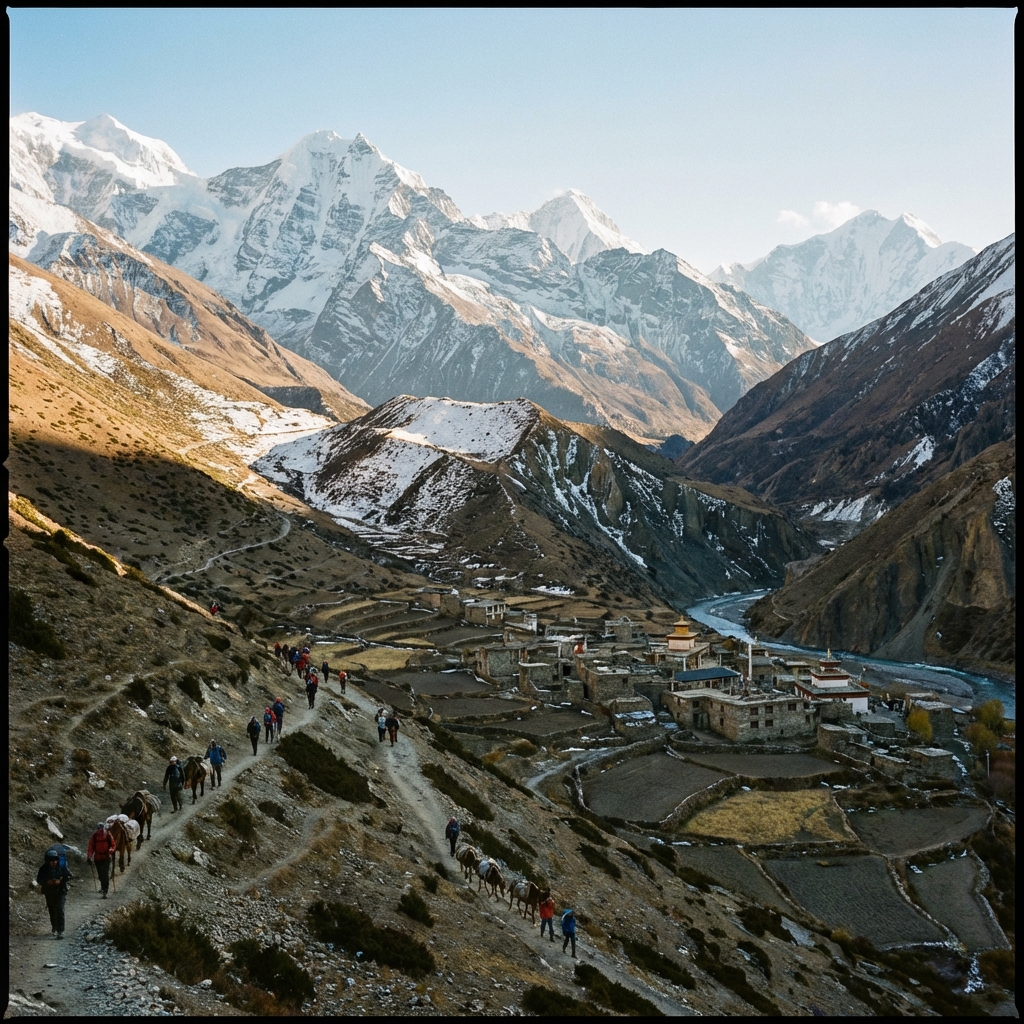
Dingboche sits at 4,410 meters (14,469 feet) in a broad, wind-swept valley beneath some of the most dramatic mountain scenery on the planet. For trekkers heading to Everest Base Camp, this compact settlement of stone-walled lodges and yak pastures serves as the most important acclimatization stop after Namche Bazaar. The standard EBC itinerary calls for two nights here -- one for arrival and one for a rest day -- and that extra day can make the difference between a successful summit of Kala Patthar and a retreat due to altitude sickness.
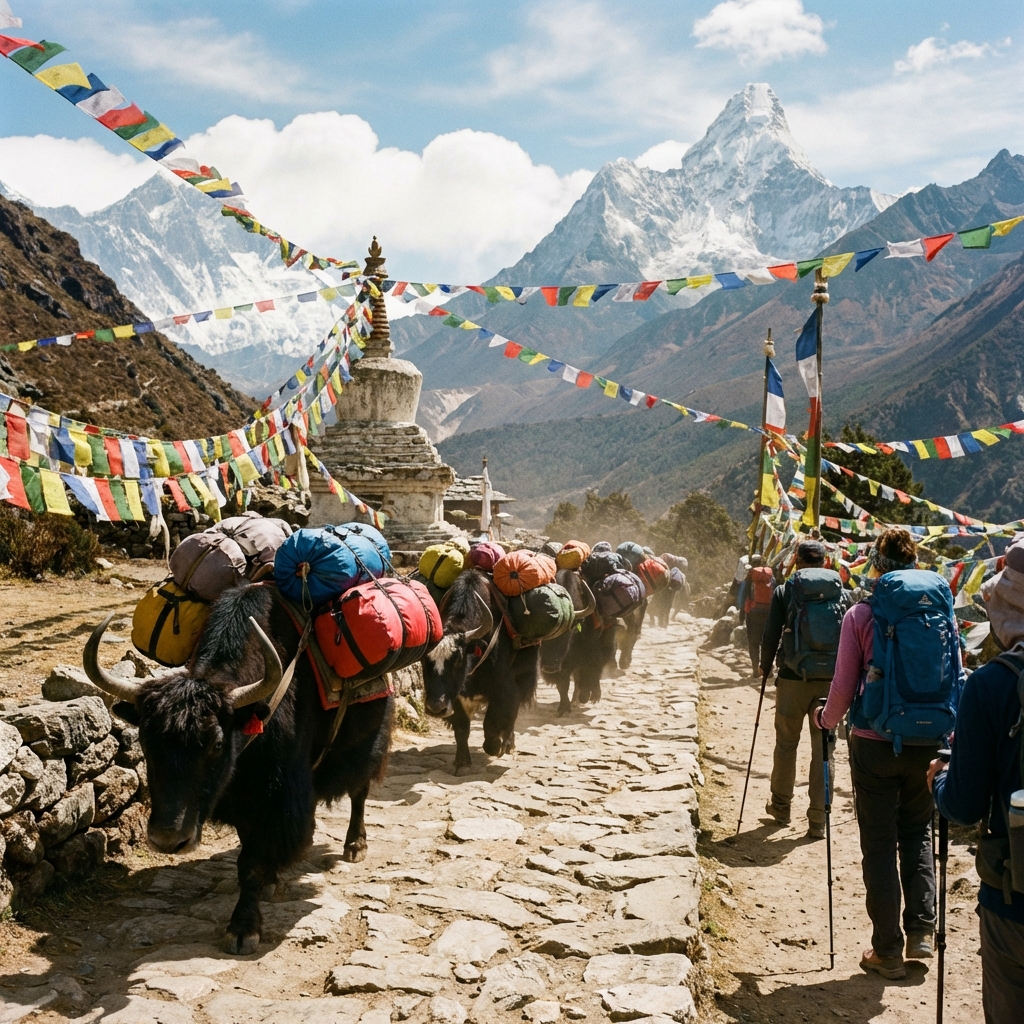
The village occupies a stunning position. To the south, the towering pyramid of Ama Dablam (6,812m) dominates the skyline with its hanging glacier and ice-draped ridges. To the north and east, the massive walls of Lhotse (8,516m) and Island Peak (6,189m) form an imposing barrier. On clear mornings, the valley fills with golden light that illuminates the surrounding peaks in ways that keep photographers rooted to the spot for hours.
Unlike its neighbor Pheriche, which sits in a narrower valley to the west, Dingboche enjoys more sunshine and slightly warmer temperatures thanks to its south-facing aspect. This geographical advantage, combined with its fractionally higher elevation, makes Dingboche the preferred acclimatization stop for most trekkers and guides. The village has responded by developing solid infrastructure: comfortable lodges, bakeries serving fresh cinnamon rolls, and a general atmosphere of purposeful rest.
Dingboche is also a living agricultural settlement. During the pre-monsoon season, Sherpa farmers cultivate barley, potatoes, and buckwheat in the stone-walled fields surrounding the village. These walls are not decorative -- they protect crops from the powerful winds that funnel through the valley. Yaks graze on the sparse pastures above town, and the rhythmic clang of yak bells provides a constant soundtrack to village life.
4,410m (14,469ft)
Khumbu, Solukhumbu District
Approximately 300 residents (seasonal)
2 nights (1 rest day)
Lukla (3-4 days walking)
No - last ATM in Namche Bazaar
Available at most lodges (paid)
Weak Ncell; limited NTC
March-May, September-November
HRA clinic in nearby Pheriche (1 hour)
Nangkartshang Peak acclimatization hike
Ama Dablam, Lhotse, Island Peak, Makalu
Why Dingboche Matters: The Make-or-Break Acclimatization Day
At 4,410 meters, Dingboche sits firmly in the zone where altitude sickness becomes a serious concern for the majority of trekkers. The air here contains roughly 60% of the oxygen available at sea level. Your body is working harder with every breath, your heart rate is elevated, and the physiological processes of acclimatization are either happening properly or starting to fail. The rest day in Dingboche exists to tip the balance decisively in your favor.
The science is straightforward. When you spend a day at 4,410m performing a "climb high, sleep low" acclimatization hike -- ascending to 5,000m or higher before returning to sleep at 4,410m -- your body receives a powerful signal to increase red blood cell production, adjust blood chemistry, and improve oxygen delivery to tissues. This single day of active acclimatization dramatically reduces your risk of Acute Mountain Sickness (AMS) during the final push to Everest Base Camp at 5,364m and Kala Patthar at 5,545m.
Skipping the Dingboche rest day is one of the most common mistakes made by overconfident trekkers. Many arrive feeling strong after the walk from Tengboche and assume they can push straight through to Lobuche. This is a dangerous miscalculation. Altitude sickness does not care about your fitness level, and its onset is often sudden and severe at elevations above 5,000m. The vast majority of trek abandonments on the EBC route happen between Lobuche and Gorakshep, frequently to trekkers who cut short their acclimatization lower down.
Never Skip the Acclimatization Day
The rest day in Dingboche is not optional. Even if you feel perfectly fine, your body needs this day to adapt. Trekkers who skip it face significantly higher rates of altitude sickness at Gorakshep and Kala Patthar. No amount of physical fitness substitutes for proper acclimatization. Trust the process and spend two nights here.
Getting to Dingboche
The Standard Route from Tengboche
Most trekkers reach Dingboche from Tengboche (3,860m) via Pangboche, following the main EBC trail. The walk takes 4-5 hours and gains approximately 550 meters of elevation.
Trail description:
- Descend from Tengboche through rhododendron forest to Debuche (3,770m)
- Cross the Imja Khola on a suspension bridge
- Climb to Pangboche (3,930m), passing the famous Pangboche monastery
- Continue ascending through scrubland as vegetation thins
- Final climb through yak pastures to Dingboche
Highlights along the way:
- Ama Dablam grows increasingly dominant as you approach
- Pangboche monastery, one of the oldest in the Khumbu
- Views of Everest, Lhotse, and Nuptse from the upper trail
- Transition from forest to alpine scrub landscape
Alternative Route via Pheriche
Some trekkers reach Dingboche via Pheriche (4,240m), the parallel village in the next valley west. A trail connects the two settlements in approximately one hour, traversing a windswept ridge between the Khumbu and Imja Khola valleys. This route is sometimes used by trekkers returning from the HRA clinic in Pheriche.
Pro Tip
Start early from Tengboche to reach Dingboche by midday. Afternoon winds in the Dingboche valley can be fierce, and arriving early gives you time to settle in, hydrate, and explore the village before temperatures drop sharply after sunset.
Accommodation in Dingboche
Lodge Overview
Dingboche offers approximately 15-20 lodges, ranging from basic to comfortable by high-altitude standards. During peak season (October), lodges fill quickly, and late arrivals may find themselves sharing rooms or sleeping in dining halls. Pre-booking through a trekking agency eliminates this risk.
| Feature | Budget Lodges | Mid-Range Lodges | Best Available |
|---|---|---|---|
| Price per night | $5-8 | $8-15 | $15-25 |
| Room type | Twin beds, thin walls | Twin beds, thicker walls | Private rooms, better insulation |
| Blankets | Provided (thin) | Provided (adequate) | Multiple blankets |
| Hot shower | No | Paid ($5-7) | Paid ($5-7) |
| Charging | Paid ($3-5/device) | Paid ($3-5/device) | Sometimes included |
| WiFi | Paid ($5-7/day) | Paid ($5-7/day) | Paid ($3-5/day) |
| Dining room heating | Yak dung stove (evening) | Yak dung stove (evening) | Yak dung stove (evening) |
What to Expect at 4,410m
Accommodation at this altitude differs markedly from lower villages. Rooms are cold -- often near freezing at night during autumn season. Walls are thin, and you will hear your neighbors. Hot showers exist but require solar heating (available only on sunny afternoons) or gas-heated water (expensive and sometimes unavailable). Sleeping bags rated to -15C or lower are essential, not optional.
Dining halls are the social hub. Every lodge has a central room heated by a yak dung stove that is lit in the early evening. Trekkers gather here for meals, card games, and conversation. The stove is turned off around 9-10 PM, after which temperatures plummet.
Recommended Lodges
Hotel Dingboche
- Location: Central village
- Rooms: Clean twin rooms, reasonable insulation
- Dining: Good menu variety, reliable dal bhat
- Notes: Popular with agencies, book ahead in peak season
Peaceful Lodge
- Location: Quiet end of village
- Rooms: Basic but clean
- Dining: Good bakery items
- Notes: Friendly owners, good mountain views from dining room
Snow Lion Lodge
- Location: Upper village
- Rooms: Some rooms with Ama Dablam views
- Dining: Excellent garlic soup (altitude remedy)
- Notes: Slightly warmer rooms due to position
Pro Tip
Request a room on the south-facing side of the lodge if possible. South-facing rooms receive afternoon sun, which can raise the room temperature by 5-10 degrees compared to north-facing rooms. At 4,410m, this temperature difference matters enormously for sleep quality.
Food and Dining
Menu and Prices
Food in Dingboche costs more than lower elevations because everything arrives by yak or porter. Menus are simpler than Namche Bazaar but still offer reasonable variety.
Typical menu items and prices:
- Dal bhat (unlimited refills): $8-10
- Fried rice or noodles: $7-9
- Garlic soup: $4-5
- Sherpa stew: $7-9
- Momos: $6-8
- Pizza: $8-10
- Pancakes: $5-7
- Tea/coffee: $2-4
- Bottled water (1L): $4-5
Food Recommendations
Best energy food: Dal bhat remains the champion -- unlimited refills at a fixed price, providing the carbohydrates and calories your body desperately needs at altitude.
Altitude remedy: Garlic soup is a Khumbu tradition believed to help with acclimatization. Whether or not the science supports this claim, the warming broth is comforting and hydrating.
Bakery items: Several lodges bake fresh bread and cinnamon rolls. These are a welcome treat and a good source of calories.
Water: Do not buy bottled water. Use purification tablets or a SteriPen to treat tap water. This saves money and reduces plastic waste in the mountains.
Eat More Than You Want To
At 4,410m, most trekkers experience reduced appetite. This is a normal altitude effect, but you must force yourself to eat adequately. Your body is burning 4,000-5,000 calories per day trekking at altitude, and caloric deficit leads to fatigue, poor acclimatization, and increased susceptibility to illness. Dal bhat with unlimited refills is your best friend.
The Acclimatization Day: What to Do on Your Rest Day
Your rest day in Dingboche should be active, not passive. The "climb high, sleep low" principle means you should hike to a higher elevation and return. Several excellent options exist.
Nangkartshang Peak (5,083m) -- The Classic Choice
The most popular acclimatization hike from Dingboche is the ascent of Nangkartshang Peak (also spelled Nagarjun), a modest summit directly above the village. The hike offers extraordinary 360-degree panoramic views and gains nearly 700 meters of elevation -- perfect for acclimatization.
Details:
- Duration: 3-5 hours round trip
- Elevation gain: 673m
- Difficulty: Moderate to strenuous (steep final section)
- Trail: Reasonably well-defined, cairn-marked above tree line
What you will see from the top:
- Ama Dablam (6,812m) -- impossibly close and dramatic
- Lhotse (8,516m) wall in full profile
- Makalu (8,485m) to the east
- Island Peak (6,189m) base camp area
- The entire Imja Valley and Dingboche far below
- Thamserku, Kangtega, and dozens of unnamed peaks
The first half of the climb follows a gentle trail through yak pastures above Dingboche. The second half steepens significantly, with some scrambling required near the summit ridge. The trail is not technical but demands caution, especially if snow or ice covers the rocks. Start early (7-8 AM) to reach the summit before afternoon clouds build.
Chhukung Valley Walk (4,730m)
A gentler alternative to Nangkartshang, the walk up the Imja Valley toward Chhukung reaches approximately 4,730m and provides stunning views of the Lhotse wall and Island Peak. This option suits trekkers who prefer a less strenuous day.
Details:
- Duration: 4-5 hours round trip
- Elevation gain: 320m
- Difficulty: Easy to moderate (gradual trail)
- Trail: Well-defined, follows valley floor
The walk passes through flat yak pastures and moraine deposits, with the Lhotse-Nuptse wall growing increasingly dramatic ahead. Chhukung itself is a tiny settlement at 4,730m with a few basic lodges, serving as the base camp for Island Peak climbers.
Pheriche and HRA Clinic Visit
A shorter option is the walk to Pheriche (4,240m) in the adjacent valley, where the Himalayan Rescue Association (HRA) operates a medical clinic during trekking season. The HRA gives free daily altitude talks at 3:00 PM that provide invaluable education on recognizing and treating altitude sickness.
Details:
- Duration: 2-3 hours round trip
- Elevation change: Lose then gain 170m
- Difficulty: Easy
- HRA talk: 3:00 PM daily during season
Pro Tip
If you choose the Nangkartshang Peak hike, bring your warmest layers and wind protection even if the morning looks clear. The summit is fully exposed and wind speeds at 5,083m can be brutal. Also bring snacks and at least one liter of water -- dehydration accelerates altitude sickness.
Ama Dablam: The View That Defines Dingboche
If one mountain defines the Dingboche experience, it is Ama Dablam. Often called the "Matterhorn of the Himalaya" for its striking pyramidal shape, Ama Dablam rises 6,812 meters directly south of Dingboche and dominates every view from the village. The mountain's name translates to "Mother's Necklace" -- the long ridges on each side represent the arms (ama) of a mother protecting her child, while the hanging glacier on the face resembles a dablam, the traditional double-pendant containing pictures of the gods that Sherpa women wear.
From Dingboche, you see Ama Dablam in profile, with its ice-fluted southwest face catching the morning light in spectacular fashion. Photographers should position themselves on the western edge of the village for the best compositions, using the stone-walled fields as foreground elements.
Best photography times:
- Sunrise (6:00-7:00 AM): Golden light on the southwest face
- Late afternoon (3:00-4:00 PM): Dramatic shadows and warm light
- Clear nights: Star trails with Ama Dablam silhouette
Medical Facilities and Altitude Safety
HRA Clinic in Pheriche
Dingboche itself has no dedicated medical facility, but the Himalayan Rescue Association (HRA) clinic in Pheriche is just one hour's walk away. The clinic is staffed by volunteer doctors during the spring and autumn trekking seasons and provides essential altitude medicine services.
Services available:
- Altitude sickness diagnosis and treatment
- Daily altitude lecture (3:00 PM)
- Oxygen supplementation
- Gamow bag (portable hyperbaric chamber)
- Basic first aid and medications
- Consultation fee: Donation-based
Altitude Sickness Warning Signs at 4,410m
At this elevation, it is critical to monitor yourself and your trekking companions for symptoms of AMS.
Mild AMS symptoms (monitor closely):
- Headache not fully relieved by ibuprofen
- Mild nausea or loss of appetite
- Fatigue beyond normal tiredness
- Dizziness
- Difficulty sleeping
Severe AMS symptoms (descend immediately):
- Persistent vomiting
- Severe headache unresponsive to medication
- Ataxia (loss of coordination -- test by walking heel-to-toe)
- Confusion or altered mental state
- Breathlessness at rest
- Gurgling or crackling sounds when breathing (HAPE)
The Golden Rule of Altitude
If you develop symptoms of altitude sickness that do not improve with rest, hydration, and medication, you must descend. Descent is the only reliable cure for altitude sickness. Do not wait to see if symptoms improve on their own at the same elevation. Descend at least 300-500 meters and reassess. Your life may depend on this decision.
For comprehensive altitude safety information, read our Acclimatization Guide for Nepal Trekking.
Weather and Conditions
Seasonal Overview
| Season | Daytime Temp | Nighttime Temp | Conditions |
|---|---|---|---|
| Autumn (Oct-Nov) | 5 to 10C | -10 to -5C | Clear skies, cold nights, moderate wind |
| Spring (Mar-May) | 5 to 12C | -8 to -3C | Warming, some afternoon cloud, occasional snow |
| Winter (Dec-Feb) | -5 to 5C | -20 to -10C | Extremely cold, clear, few trekkers |
| Monsoon (Jun-Aug) | 5 to 10C | -2 to 2C | Cloud, rain, snow possible, not recommended |
Wind
Dingboche is notoriously windy. The Imja Valley acts as a natural wind tunnel, and afternoon gusts can be powerful enough to make walking difficult. Wind chill at 4,410m can push effective temperatures well below zero even on sunny days. A windproof outer layer is essential.
What to Wear and Carry
Essential layers at 4,410m:
- Moisture-wicking base layer
- Insulating mid-layer (fleece or down)
- Windproof and waterproof outer shell
- Warm hat covering ears
- Insulated gloves
- Buff or neck gaiter
- Warm sleeping layers for nights
Cost of Staying in Dingboche
Prices in Dingboche reflect its remote high-altitude location. Everything arrives by yak or porter, and costs increase accordingly.
| Item | Typical Cost (NPR) | Typical Cost (USD) |
|---|---|---|
| Lodge room (per night) | 500-2,000 | $4-15 |
| Dal bhat | 800-1,200 | $6-10 |
| Fried rice/noodles | 700-1,000 | $5-8 |
| Garlic soup | 400-600 | $3-5 |
| Tea/coffee | 200-400 | $2-3 |
| Hot shower | 500-800 | $4-6 |
| WiFi (per day) | 500-800 | $4-6 |
| Phone charging | 300-500 | $2-4 |
| Bottled water (1L) | 400-600 | $3-5 |
Budget for two nights: Plan approximately $40-70 per person for accommodation, meals, and basic services over two nights.
Pro Tip
Many lodges in Dingboche offer free or discounted rooms if you commit to eating all meals there. This is standard practice throughout the Khumbu. Always ask about this arrangement before checking in -- it can save you $10-20 over two nights, and the food is typically the same quality regardless.
Dingboche vs. Pheriche: Which Should You Choose?
Trekkers heading to EBC face a choice between acclimatizing in Dingboche or Pheriche. Both are valid options, but they offer different experiences.
| Factor | Dingboche (4,410m) | Pheriche (4,240m) |
|---|---|---|
| Elevation | Higher by 170m | Lower by 170m |
| Sun exposure | More (south-facing) | Less (narrower valley) |
| Wind | Windy but slightly sheltered | Very windy |
| Lodges | More options, slightly better | Fewer options |
| Views | Ama Dablam dominant | Taboche, Cholatse views |
| Medical | No HRA clinic | HRA clinic on-site |
| Acclimatization hike | Nangkartshang Peak | Valley hikes |
| Atmosphere | More trekker activity | Quieter |
| Warmth | Warmer rooms (more sun) | Cooler |
The verdict: Most trekkers and guides prefer Dingboche for its superior sun exposure, warmer lodges, and the excellent Nangkartshang Peak acclimatization hike. However, if you are experiencing any altitude symptoms, Pheriche's lower elevation and on-site HRA clinic make it the safer choice.
Dingboche to Lobuche: The Next Stage
After your acclimatization day, you continue north toward Lobuche (4,940m), the next overnight stop on the standard EBC itinerary.
Trail details:
- Distance: 8-9 km
- Duration: 4-5 hours
- Elevation gain: 530m
- Terrain: Rocky trail, moraine, memorial cairns
The trail climbs out of Dingboche valley, traverses a ridge with views of Ama Dablam behind and the Khumbu Glacier ahead, and passes through the Thukla (Dughla) Pass area at approximately 4,620m. Near Thukla, you pass a cluster of memorial chorten and stone cairns commemorating climbers who died on Everest and other Khumbu peaks. This is a sobering and reflective section of the trail.
Beyond Thukla, the landscape becomes increasingly austere as you enter the moraine zone. Vegetation disappears, and the trail picks its way through rocky terrain toward Lobuche, the penultimate stop before Gorakshep and Everest Base Camp.
Hydration at Altitude
At 4,410m and above, you should be drinking 3-4 liters of water per day minimum. The dry air, increased respiration rate, and physical exertion cause rapid dehydration. Dehydration mimics and worsens altitude sickness symptoms. Force yourself to drink even when you do not feel thirsty. Carry a water bottle and sip constantly throughout the day.
Practical Tips for Dingboche
Packing for Two Nights
Essentials to have accessible:
- Sleeping bag rated to -15C or colder
- Down jacket for evenings and rest day hike
- Headlamp with fresh batteries (lodges turn off lights early)
- Water purification method
- Ibuprofen and Diamox (if prescribed)
- Sunscreen SPF 50+ and lip balm with SPF
- Snacks for acclimatization hike
- Book or cards for lodge evenings
Charging and Communication
Charging devices costs $2-$7 per device. WiFi exists but is slow and expensive. Most trekkers conserve phone battery for photography and limit internet use. Solar chargers and power banks are invaluable at this elevation.
Mobile signal is unreliable. Ncell sometimes works; NTC coverage is spotty. Do not depend on cellular communication above Namche Bazaar.
Sleeping at 4,410m
Expect disrupted sleep. Cheyne-Stokes respiration -- a pattern of deep breathing followed by shallow breathing or brief pauses -- is common at this altitude and can be alarming but is generally harmless. You may wake frequently, feel breathless, or have vivid dreams. These are normal altitude effects.
Tips for better sleep:
- Sleep slightly elevated (prop up your pack under the mattress head)
- Avoid heavy meals close to bedtime
- Stay warm -- cold worsens sleep quality
- Drink herbal tea before bed, avoid caffeine after noon
- Accept that sleep quality will be poor; this is normal
Pro Tip
Bring earplugs and an eye mask. Lodge walls are thin at this altitude, and you will hear every cough, zipper, and rustling sleeping bag in adjacent rooms. The shared bathrooms often have doors that bang in the wind. Earplugs dramatically improve sleep quality.
What Facilities Are Available in Dingboche?
Dingboche (4,410m) offers comfortable teahouses with dining rooms, basic hot showers (solar-heated, weather dependent), charging stations ($3-5 per device), WiFi at most lodges, and a small HRA (Himalayan Rescue Association) health post offering daily altitude sickness lectures. No ATM is available — the last one is in Namche Bazaar. Basic supplies and snacks can be purchased at inflated prices. This is a critical acclimatization stop on the EBC trek.
Frequently Asked Questions
1. How long does it take to walk from Tengboche to Dingboche?
The walk from Tengboche (3,860m) to Dingboche takes 4-5 hours for most trekkers. The trail gains approximately 550m of elevation, passing through Pangboche village along the way.
2. Is the rest day in Dingboche really necessary?
Yes. The rest day is a critical component of safe acclimatization. Skipping it dramatically increases your risk of altitude sickness at higher elevations. Every reputable guide and trekking agency includes this rest day in their itineraries.
3. Can I do a rest day in Pheriche instead?
Yes. Pheriche (4,240m) is an alternative acclimatization stop at a slightly lower elevation. It offers the advantage of the HRA clinic and daily altitude talks. Both villages are valid choices.
4. How cold does it get in Dingboche at night?
During the autumn trekking season, nighttime temperatures typically drop to -5 to -10C. In winter, temperatures can reach -20C. A sleeping bag rated to -15C or colder is essential.
5. Is there phone signal in Dingboche?
Ncell has intermittent coverage. NTC coverage is unreliable. WiFi is available at lodges for a fee but speeds are very slow. Do not rely on phone or internet connectivity.
6. What should I eat for altitude acclimatization?
Eat high-carbohydrate foods. Dal bhat is ideal -- it provides carbs, protein, and hydration. Garlic soup is a traditional remedy. Avoid heavy, fatty foods and alcohol. Stay well hydrated.
7. How high should I hike on the acclimatization day?
Aim to reach at least 4,800-5,100m before returning to Dingboche. Nangkartshang Peak (5,083m) is the classic target. Even reaching 4,700-4,800m on the Chhukung trail provides meaningful acclimatization benefit.
8. Is there a doctor in Dingboche?
No permanent medical facility exists in Dingboche. The HRA clinic in Pheriche (one hour walk) is staffed during trekking seasons and is the nearest medical facility. For emergencies, helicopter evacuation to Kathmandu is available with proper insurance.
9. Can I get cash in Dingboche?
No. There are no ATMs or money exchange services. The last ATM on the EBC route is in Namche Bazaar, and even that one is unreliable. Carry sufficient cash from Kathmandu.
10. What is the best lodge in Dingboche?
Quality varies seasonally, but Hotel Dingboche and Snow Lion Lodge consistently receive positive feedback. During peak season, lodge choice is often determined by availability rather than preference. Booking through a trekking agency guarantees your reservation.
11. How do I get from Dingboche to Everest Base Camp?
From Dingboche, the standard route continues to Lobuche (4,940m, 4-5 hours), then to Gorakshep (5,164m, 3-4 hours), and finally to Everest Base Camp (5,364m, 3-4 hours from Gorakshep). The full journey from Dingboche to EBC takes 2-3 days.
12. Is Dingboche or Chhukung better for acclimatization?
Dingboche is the standard choice because it sits on the main EBC trail. Chhukung (4,730m) is higher and more remote, used primarily by Island Peak climbers. For EBC trekkers, Dingboche with a day hike toward Chhukung or up Nangkartshang provides optimal acclimatization.
Related Guides
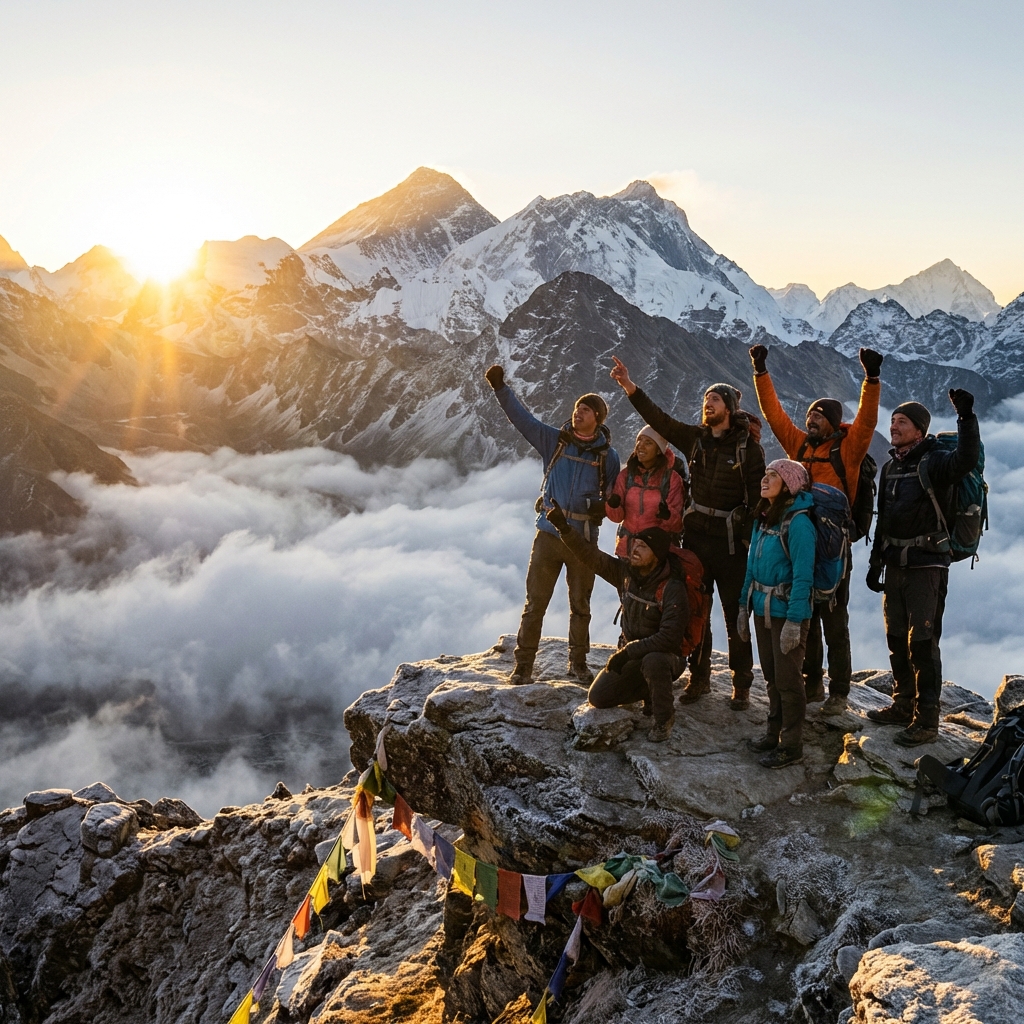
Final thoughts: Dingboche is not merely a waypoint on the journey to Everest Base Camp. It is a place where the mountains reveal themselves in full majesty, where your body makes the critical physiological adjustments that will carry you safely to your goal, and where the simple rhythm of trekking life -- walking, eating, sleeping, watching the light change on impossibly beautiful peaks -- reaches its purest expression. Give this village the respect of two full nights. Your body, and your future self standing on Kala Patthar, will thank you.
