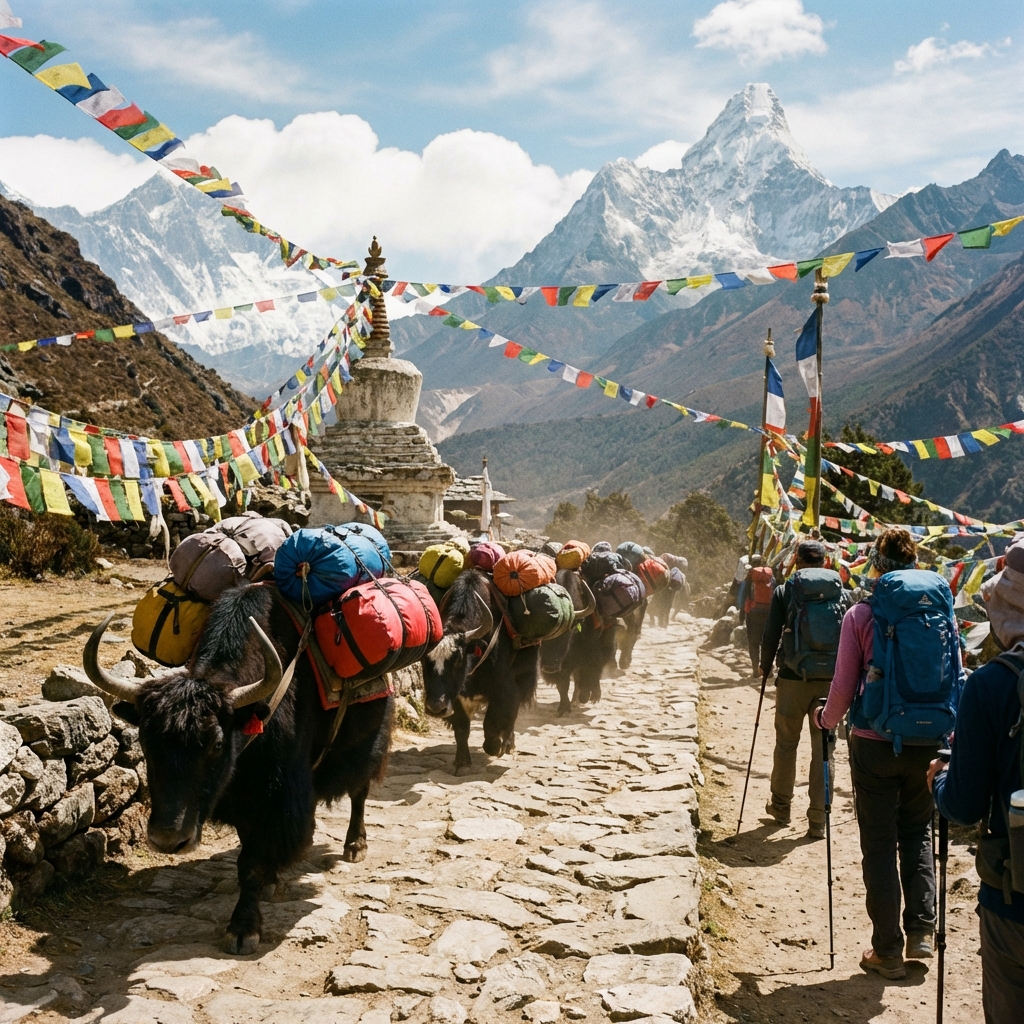
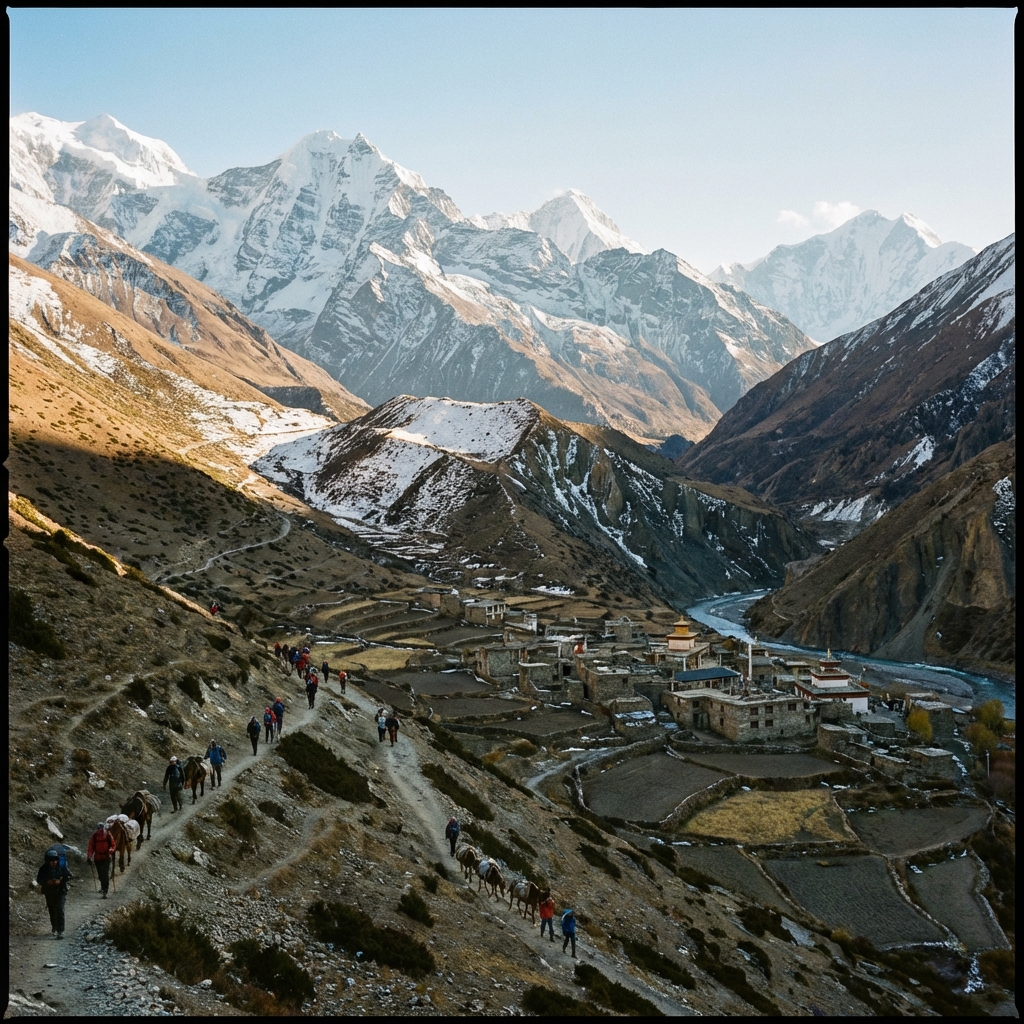
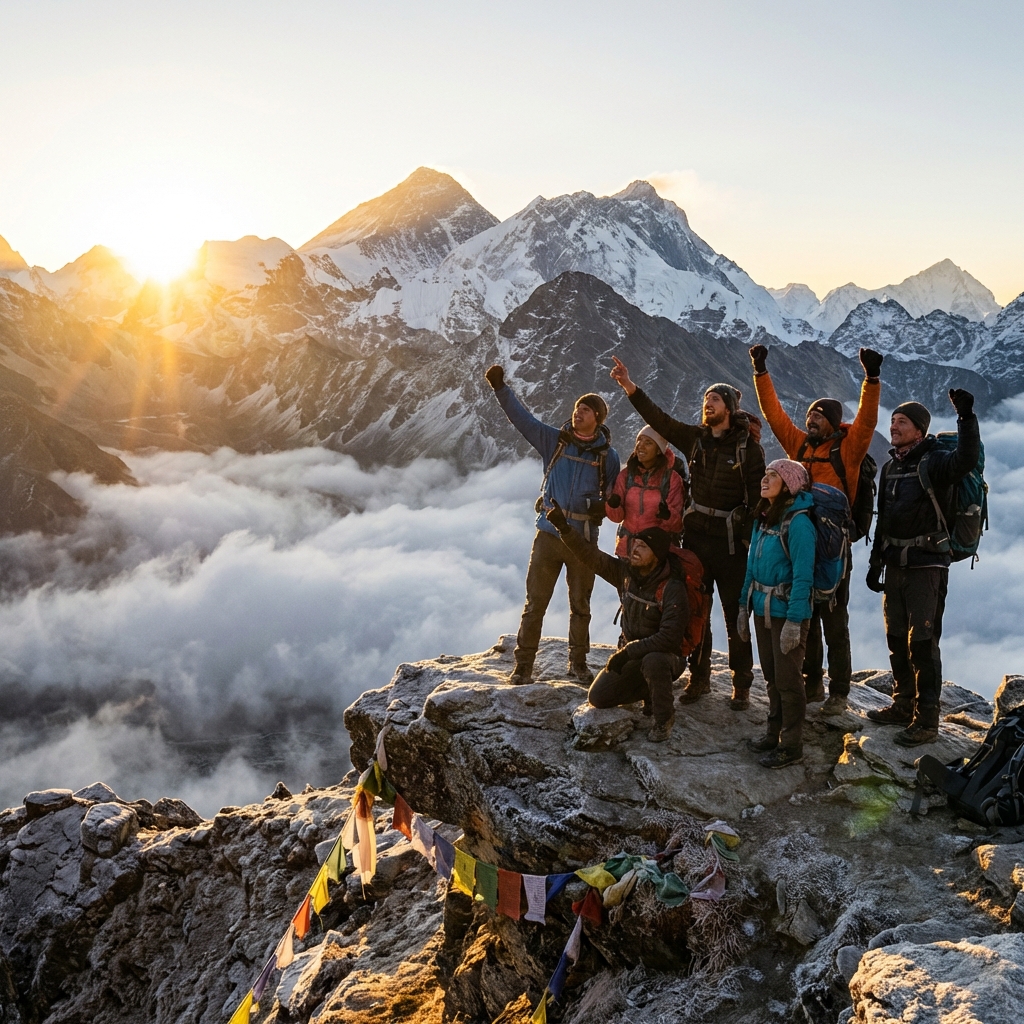
Perched at 4,380 meters in the heart of Langtang National Park, Gosaikunda is a cluster of 108 alpine lakes considered among the holiest pilgrimage sites in Nepal. Hindu mythology tells that Lord Shiva himself created the lakes by striking his trident into the mountainside to obtain water after consuming poison during the churning of the cosmic ocean. Every August during the full moon festival of Janai Purnima, tens of thousands of Hindu pilgrims make the arduous climb to bathe in these sacred waters.
For trekkers, Gosaikunda offers something equally compelling: a relatively short, highly accessible trek from Kathmandu that reaches genuine high-altitude alpine terrain without requiring flights, restricted area permits, or weeks of vacation time. In just 5 to 7 days, you can walk from the roadhead at Dhunche or Sundarijal, ascend through rhododendron forests and traditional Tamang villages, and stand at the shores of crystal-clear glacial lakes surrounded by snow-capped peaks. The combination of cultural significance, natural beauty, and accessibility makes Gosaikunda one of Nepal's most underrated trekking destinations.
This guide provides everything you need to plan your Gosaikunda trek in 2026, including multiple itinerary options, permit information, seasonal advice, and the possibility of extending your journey into the Langtang Valley or down through the Helambu region.
Why Trek to Gosaikunda?
Sacred Geography
Gosaikunda is not just a beautiful place. It is a landscape imbued with centuries of spiritual meaning. The main lake is believed to contain a rock formation in its center that represents a Shiva lingam, visible through the clear water. The surrounding 107 smaller lakes, each with its own name and associated legend, create a sacred landscape that has drawn pilgrims for centuries. Trekking here adds a dimension of cultural depth that purely scenic treks cannot match.
Accessibility from Kathmandu
One of Gosaikunda's greatest advantages is its proximity to Kathmandu. The trailhead at Dhunche is just 6-7 hours by road from the capital, and no domestic flights are required. This eliminates the weather-related flight delays that plague treks starting from Lukla (Everest region) and significantly reduces overall costs. You can literally leave Kathmandu in the morning and be on the trail by afternoon.
No Restricted Area Permits
Unlike many of Nepal's more remote cultural treks, Gosaikunda requires only a Langtang National Park entry permit and a TIMS card (if trekking with a guide) or individual permit. No restricted area permits, no mandatory guide requirements, and no minimum group sizes. This makes it accessible to independent trekkers and those on tighter budgets.
Versatile Itinerary Options
Gosaikunda can be trekked as a standalone 5-7 day out-and-back journey, combined with the Langtang Valley for a comprehensive 12-16 day trek, or connected to Helambu for a point-to-point traverse. This flexibility means it can be tailored to almost any timeframe and fitness level.
5-7 days (standard), 10-14 days (with extensions)
4,610m (Laurebina La pass)
Moderate to Challenging
March-May, September-November
Langtang NP Entry Permit + TIMS/Guide Permit
$300-$800 (independent to guided)
No (recommended but mandatory since April 2023)
Dhunche or Sundarijal (no flights needed)
Itinerary Options
Standard Gosaikunda Trek: 5-7 Days from Dhunche
This is the most direct route to Gosaikunda, starting from Dhunche (the Langtang National Park headquarters) and ascending through Sing Gompa to the lakes.
Day-by-Day Itinerary:
Day 1: Kathmandu to Dhunche (1,960m) -- Drive 6-7 hours
The journey from Kathmandu to Dhunche follows the Trisuli Highway through increasingly dramatic gorge scenery. The road is paved for most of the distance but can be rough in the final section. Local buses depart from Machhapokhari (Gongabu) bus park early in the morning, or you can arrange a private jeep through your agency. Dhunche is a small but well-equipped town with several lodges, restaurants, and the national park permit office.
Day 2: Dhunche to Sing Gompa (3,330m) -- 5-6 hours trekking
The trail climbs steeply through dense oak and rhododendron forests. In spring (March-April), the rhododendrons burst into spectacular red, pink, and white blooms. You will pass through the small settlement of Deurali before reaching Sing Gompa, named after a small Buddhist monastery in the village. A government-run cheese factory here produces excellent yak cheese, well worth trying. The evening views of Langtang Lirung and Ganesh Himal from Sing Gompa are magnificent.
Day 3: Sing Gompa to Gosaikunda (4,380m) -- 5-6 hours trekking
The big ascent day. The trail climbs steadily through thinning forest, past the first lake (Saraswati Kunda at 4,100m) and Bhairav Kunda (4,200m), before reaching the main Gosaikunda lake at 4,380m. The landscape transitions from forest to high alpine grassland and then to bare rocky terrain. This is a significant altitude gain of over 1,000 meters, so go slowly, stay hydrated, and watch for altitude sickness symptoms. Lodges at Gosaikunda are basic but adequate.
Day 4: Gosaikunda Exploration Day -- 3-5 hours
Spend a day exploring the lake basin. Walk around the main Gosaikunda lake (approximately 2 hours to circumnavigate), visit the smaller surrounding lakes including Surya Kunda, Bhairav Kunda, and others, and take in the panoramic mountain views. If acclimatized well, you can hike up to the ridge above the lake for even more expansive views. This rest day also serves as crucial acclimatization before either returning or continuing to Laurebina La.
Day 5: Gosaikunda to Sing Gompa (3,330m) -- 4-5 hours trekking
Descend the same route back to Sing Gompa. The descent is much easier than the ascent, and you will appreciate details of the landscape you may have missed on the way up.
Day 6: Sing Gompa to Dhunche (1,960m) -- 4-5 hours trekking
Continue the descent to Dhunche. Drive back to Kathmandu the same afternoon or the following morning.
Day 7 (if needed): Dhunche to Kathmandu -- Drive 6-7 hours
Acclimatization Strategy
The jump from Dhunche (1,960m) to Gosaikunda (4,380m) is significant. If you are not already acclimatized from a previous trek, consider adding a night at Sing Gompa (3,330m) before pushing to Gosaikunda. Spending two nights at Sing Gompa with a day hike to the first lakes and back provides excellent acclimatization and significantly reduces altitude sickness risk.
Extended Route: Gosaikunda to Helambu Traverse (7-9 Days)
This point-to-point route crosses the Laurebina La pass (4,610m) from Gosaikunda and descends into the Helambu region, eventually ending at Sundarijal on the outskirts of Kathmandu. It offers incredible variety, from high-altitude lakes to alpine passes to lush Tamang villages.
| Day | Route | Altitude | Hours |
|---|---|---|---|
| 1 | Kathmandu to Dhunche | 1,960m | 6-7 hrs drive |
| 2 | Dhunche to Sing Gompa | 3,330m | 5-6 hrs |
| 3 | Sing Gompa to Gosaikunda | 4,380m | 5-6 hrs |
| 4 | Gosaikunda exploration | 4,380m | 3-5 hrs |
| 5 | Gosaikunda to Ghopte via Laurebina La | 3,440m | 7-8 hrs |
| 6 | Ghopte to Kutumsang | 2,470m | 5-6 hrs |
| 7 | Kutumsang to Chisapani | 2,215m | 5-6 hrs |
| 8 | Chisapani to Sundarijal, taxi to Kathmandu | 1,460m | 3-4 hrs + taxi |
Laurebina La Pass Conditions
The Laurebina La (4,610m) can be snow-covered and difficult to navigate in winter and early spring. The descent on the Helambu side is steep and can be treacherous when icy. Check conditions with your lodge at Gosaikunda before attempting the crossing, and hire a local guide if conditions are uncertain. Several trekkers have become disoriented in snow or fog on this pass.
Grand Combination: Langtang Valley + Gosaikunda (12-16 Days)
The ultimate option for trekkers with more time. Start with the Langtang Valley trek, return to Syabrubesi, then trek to Gosaikunda via Sing Gompa. Some itineraries link directly from Langtang to Gosaikunda via a high route, though this is more demanding.
Connection options:
- Via Syabrubesi: Return from Langtang Valley to Syabrubesi, then drive or walk to Dhunche and ascend to Gosaikunda. Adds 2-3 days.
- Via high route: Some experienced trekkers traverse directly from Langtang to Gosaikunda via high ridges, but this route is not well-marked and requires a knowledgeable local guide.
For comprehensive information on the Langtang Valley section, see our Langtang region guide.
The Janai Purnima Festival
A Once-in-a-Lifetime Experience
Every year during the full moon of the Nepali month of Shrawan (July-August), the festival of Janai Purnima transforms Gosaikunda from a peaceful alpine sanctuary into one of Nepal's most dramatic religious gatherings. Hindu pilgrims from across Nepal, many barefoot and carrying offerings, make the steep climb to bathe in the sacred waters at dawn.
What to Expect
- Timing: Usually falls in late July or August. The exact date changes annually based on the lunar calendar.
- Crowds: Expect thousands of pilgrims. The trails and lakeside become extremely crowded. Lodge accommodation must be booked months in advance or you may need to camp.
- Atmosphere: A charged, emotional environment with chanting, incense, ritual bathing, and communal celebration.
- Weather: This falls during the monsoon season, so expect rain, leeches on the lower trail, and limited visibility. However, many pilgrims and intrepid trekkers consider the cultural experience worth the weather challenges.
Should You Go During Janai Purnima?
Pros:
- Witnessing one of Nepal's most important and atmospheric religious festivals
- Experiencing the pilgrimage alongside tens of thousands of devoted Hindus
- A cultural experience unavailable at any other time of year
Cons:
- Monsoon weather with rain, mud, leeches, and limited mountain views
- Extreme crowding on the trail and at the lakes
- Accommodation scarcity and higher prices
- Trail conditions can be dangerous in heavy rain
Janai Purnima Planning
If you want to witness Janai Purnima, book your trek at least 3 months in advance. Bring a tent as backup accommodation. Start your ascent 2-3 days before the full moon to secure a lodge spot near the lake. Accept that mountain views may be obscured by monsoon clouds, and focus on the human spectacle instead. The combination of sacred landscape, devoted pilgrims, and dramatic weather creates a powerful atmosphere unlike anything else in Nepal.
Permits and Costs
Required Permits
1. Langtang National Park Entry Permit
- Cost: NPR 3,000 for SAARC nationals, NPR 3,000 for foreign nationals (approximately $23)
- Can be obtained at the Langtang National Park office in Dhunche or at the National Park office in Kathmandu (Bhrikutimandap)
- Valid for the duration of your trek within the park
2. TIMS Card or Individual Trekking Permit
- If trekking with an agency: TIMS card (NPR 2,000 for organized groups)
- If trekking independently: Individual trekking permit available through the Tourism Board
- Your agency will handle TIMS processing if you book a guided trek
Cost Breakdown
| Expense | Independent | Guided (Budget) | Guided (Mid-Range) |
|---|---|---|---|
| Transport (KTM-Dhunche return) | $20-$30 (bus) | Included | Included |
| National Park Permit | $23 | Included | Included |
| TIMS/Permit | $15 | Included | Included |
| Accommodation (per night) | $3-$8 | Included | Included |
| Meals (per day) | $10-$18 | Included | Included |
| Guide fee | N/A | Included | Included |
| Porter fee | N/A | Optional ($25-$35 /day) | Included |
| Agency package (5-7 days) | N/A | $300-$500 | $500-$800 |
| Total (5-7 days) | $150-$300 | $300-$500 | $500-$800 |
Budget Transport Hack
Local buses from Kathmandu to Dhunche cost approximately NPR 600-800 (roughly $5-6) and depart from Machhapokhari bus park between 6:00 and 7:30 AM. The ride takes 6-8 hours depending on road conditions. For a more comfortable but still affordable option, shared jeeps (NPR 1,200-1,500) are faster and less crowded. Private jeep hire costs NPR 15,000-20,000 for the vehicle.
Best Season to Trek Gosaikunda
Autumn (September to November): Best Overall
Post-monsoon autumn offers the clearest skies, driest trails, and best mountain visibility. October is the single best month for trekking to Gosaikunda.
- September: Tail end of monsoon. Trails can still be wet early in the month but clear rapidly. Lush green landscapes. Fewer trekkers than October.
- October: The gold standard. Clear skies, moderate temperatures, excellent visibility. Peak trekking season with the most other trekkers on the trail (though Gosaikunda remains far less crowded than Annapurna or Everest routes).
- November: Clear and dry but noticeably colder, especially at Gosaikunda. Nights at 4,380m can drop to -15 degrees Celsius. Fewer trekkers than October.
Spring (March to May): Best for Flowers
Spring brings the famous rhododendron blooms to the forests between Dhunche and Sing Gompa. Weather is generally stable in March and April, with increasing afternoon cloud buildup in May.
- March: Cool and clear. Rhododendrons begin blooming at lower elevations. Snow may still be present above 4,000m.
- April: Peak rhododendron season. Warm days, cool nights. Excellent trekking conditions.
- May: Warming temperatures, increasing humidity. Pre-monsoon haze can reduce visibility. Still hikeable but less optimal.
Winter (December to February): For the Hardy
Winter trekking to Gosaikunda is possible but demanding. Heavy snowfall above 3,500m can block trails, and temperatures at the lake can plunge below -20 degrees Celsius at night. The Laurebina La pass is typically closed or extremely dangerous in winter. Only experienced winter trekkers with proper gear should attempt this.
Monsoon (June to August): Pilgrimage Season
The monsoon brings heavy rain, leeches, landslide risk, and very limited mountain views. However, this is when Janai Purnima occurs. If you are specifically coming for the festival, the monsoon inconveniences are part of the experience.
For a comprehensive seasonal breakdown for all Nepal treks, see our best time to trek Nepal guide.
Trail Description and Terrain
Dhunche to Sing Gompa
The initial ascent follows a well-established trail through mixed broadleaf and conifer forest. The gradient is steady but not extreme, gaining approximately 1,370 meters over 5-6 hours. The forest is home to langur monkeys, Himalayan pheasant, and various bird species. In spring, the rhododendron forest between 2,800 and 3,200 meters is spectacularly colorful.
Trail surface: Mostly well-maintained dirt trail with stone steps in steeper sections. Some muddy patches during and after rain.
Sing Gompa to Gosaikunda
This section is more demanding, gaining over 1,050 meters through increasingly exposed terrain. The treeline ends around 3,800m, and the final approach to the lakes crosses rocky, barren ground. The trail is well-marked with cairns and paint markers.
Trail surface: Dirt trail transitioning to rocky alpine terrain. Some scrambling over boulders near the lakes. Can be icy in early morning or late season.
Gosaikunda to Laurebina La (if continuing to Helambu)
The ascent from Gosaikunda to Laurebina La (4,610m) is a moderate climb of approximately 230 meters. The descent on the Helambu side, however, is steep, rough, and can be treacherous in wet or icy conditions. This is the most technically demanding section of the entire trek.
Trail surface: Rocky alpine terrain ascending, followed by steep, loose descent. Trekking poles essential. Can be snow-covered in winter and spring.
Trail Condition Updates
The 2015 earthquake and subsequent landslides affected some sections of trail in the Langtang and Gosaikunda region. Reconstruction has been completed on the main trails, but minor route changes may have occurred since older guidebooks were published. Check with the Langtang National Park office in Dhunche for the latest trail condition information before setting out.
Accommodation and Facilities
Lodge Quality
Dhunche (1,960m): Good selection of lodges with private rooms, attached bathrooms (some), hot water, electricity, and Wi-Fi. Several restaurants serving Nepali, Tibetan, and basic Western food.
Sing Gompa (3,330m): Moderate-quality lodges with basic rooms, shared bathrooms, limited hot water (bucket showers for extra charge), and basic meal options. The cheese factory is worth a visit.
Gosaikunda (4,380m): Basic lodges with dormitory-style and twin rooms. Shared squat toilets. No hot showers. Very limited menu (dal bhat, noodle soup, potatoes). Cold at night. Bring a warm sleeping bag.
Helambu villages (if continuing): Moderate-quality lodges, improving as you descend. Better food variety and facilities at lower elevations.
Water and Food
- Water: Stream water is available throughout the trek but should be purified. Bring purification tablets or a filter. Bottled water is available but expensive at higher elevations and creates plastic waste.
- Food: Dal bhat is the most reliable and best-value meal at every stop. Expect diminishing menu variety and increasing prices as you gain altitude. Carry supplementary snacks.
- Charging: Available at most lodges for NPR 200-500 per device. Bring a portable power bank for the higher sections.
Difficulty Assessment
Overall Rating: Moderate to Challenging
The Gosaikunda trek is more demanding than many trekkers expect. While the distance is short and the trail is well-established, the altitude gain is rapid and the final section to the lakes crosses genuine high-altitude terrain.
Key Challenge Factors
Altitude: The jump from Dhunche (1,960m) to Gosaikunda (4,380m) represents a gain of 2,420 meters, often accomplished in just 2 trekking days. This rapid ascent increases altitude sickness risk. Adding an extra acclimatization day at Sing Gompa is strongly recommended for trekkers who have not recently been at altitude.
Terrain: The trail above Sing Gompa is rocky and increasingly exposed. The final approach to Gosaikunda involves some boulder-hopping. The Laurebina La crossing (if continuing to Helambu) includes steep, loose terrain.
Weather exposure: Above the treeline (approximately 3,800m), there is little shelter from wind, rain, or sun. Conditions can change rapidly. Carry rain gear, warm layers, and sun protection.
Fitness requirements: You should be comfortable walking 5-6 hours per day with significant uphill sections. Regular cardiovascular exercise (hiking, running, cycling) for at least 6-8 weeks before the trek is recommended.
Who Is This Trek For?
- Fit beginners who want a step up from Poon Hill without committing to a 2-week trek
- Experienced trekkers looking for a short, accessible high-altitude experience
- Pilgrims and cultural enthusiasts interested in Hindu sacred sites
- Photographers seeking alpine lake landscapes without extreme altitude
- Trekkers looking to combine with Langtang Valley for a comprehensive itinerary
Altitude Sickness Warning
Do not underestimate the altitude at Gosaikunda. At 4,380m, you are above the altitude at which serious symptoms can occur. Ascend gradually, stay hydrated, avoid alcohol, and descend immediately if you experience persistent headache, nausea, disorientation, or difficulty breathing. Acetazolamide (Diamox) can be used as a preventive measure. Consult your doctor before the trek.
Combining Gosaikunda with Langtang Valley
The Langtang Valley and Gosaikunda combination is one of Nepal's most rewarding multi-week treks, offering both valley and lake scenery, cultural diversity (Tamang and Tibetan heritage), and altitude variety.
Recommended Combination Itinerary (12-14 Days)
Phase 1: Langtang Valley (7-8 days)
- Syabrubesi to Kyanjin Gompa and back
Phase 2: Gosaikunda (4-5 days)
- Dhunche to Gosaikunda and back (or continuing to Helambu)
Connection: Drive from Syabrubesi to Dhunche (approximately 1-2 hours) to start the Gosaikunda section. No additional permits are needed as both areas fall within Langtang National Park.
Acclimatization Advantage
If you trek the Langtang Valley first (reaching Kyanjin Gompa at 3,870m), you arrive at Gosaikunda already well-acclimatized. This means you can comfortably ascend from Dhunche to Gosaikunda in 2 days without the same altitude sickness risk that affects trekkers coming straight from Kathmandu. This combination is one of the safest ways to experience Gosaikunda.
What to Pack for Gosaikunda
Essential Gear
The Gosaikunda trek requires standard trekking gear with some emphasis on warmth and weather protection for the high-altitude sections:
- Sleeping bag: Comfort rating -10 degrees Celsius or lower for nights at Gosaikunda
- Down jacket: Essential for evenings and early mornings above 3,500m
- Rain gear: Waterproof jacket and pants, especially in monsoon/shoulder season
- Trekking poles: Highly recommended for the steep and rocky sections
- Sun protection: High-altitude UV is intense. Sunscreen (SPF 50+), sunglasses (UV400), and a sun hat
- Warm layers: Thermal base layers, fleece mid-layer, warm hat, and gloves
- Footwear: Sturdy waterproof trekking boots with ankle support
- Water purification: Tablets, drops, or a filter system
- Headlamp: Essential for early morning starts and basic lodge lighting
- Cash: Nepali rupees in small denominations. No ATMs after Dhunche.
- First aid kit: Including altitude sickness medication (Diamox), pain relievers, blister treatment, and any personal medications
Frequently Asked Questions
Related Guides
Final Thoughts
Gosaikunda occupies a unique place in Nepal's trekking landscape. It is close enough to Kathmandu to fit into a tight schedule, yet remote enough to feel genuinely wild. It is culturally significant in a way that goes beyond the standard village-and-monastery experience of most treks. And it reaches an altitude that feels like a real achievement without demanding the two-week commitment of longer high-altitude routes.
For experienced trekkers, Gosaikunda is a perfect short trip between longer adventures or a worthwhile extension to a Langtang Valley trek. For ambitious beginners looking to push beyond Poon Hill-level trekking, it offers a challenging but achievable step up. And for anyone with an interest in Hindu culture and pilgrimage traditions, the sacred lakes at 4,380 meters provide a window into a spiritual practice that has endured for centuries.
Whether you visit during the atmospheric intensity of Janai Purnima or the clear, quiet days of autumn, Gosaikunda rewards trekkers with a combination of natural beauty, cultural depth, and personal accomplishment that is difficult to match on Nepal's more crowded trails.