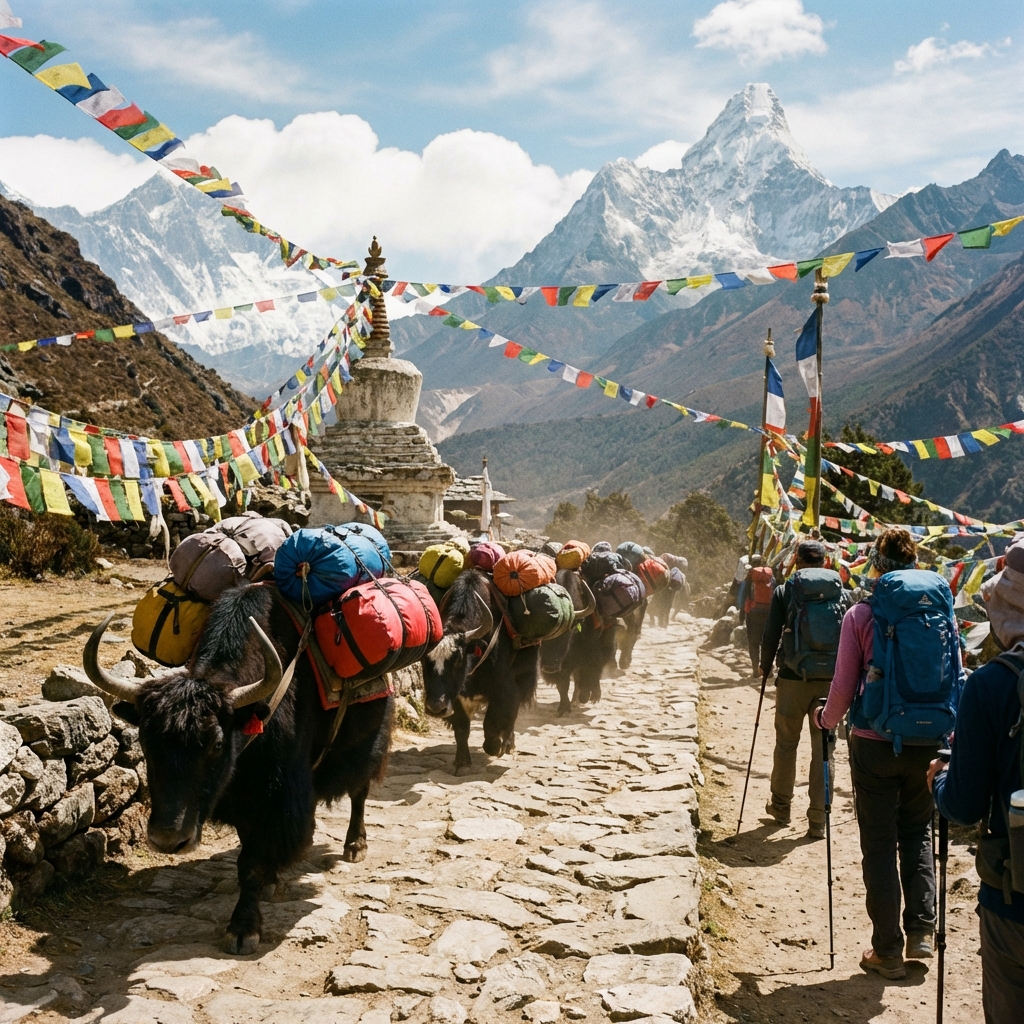
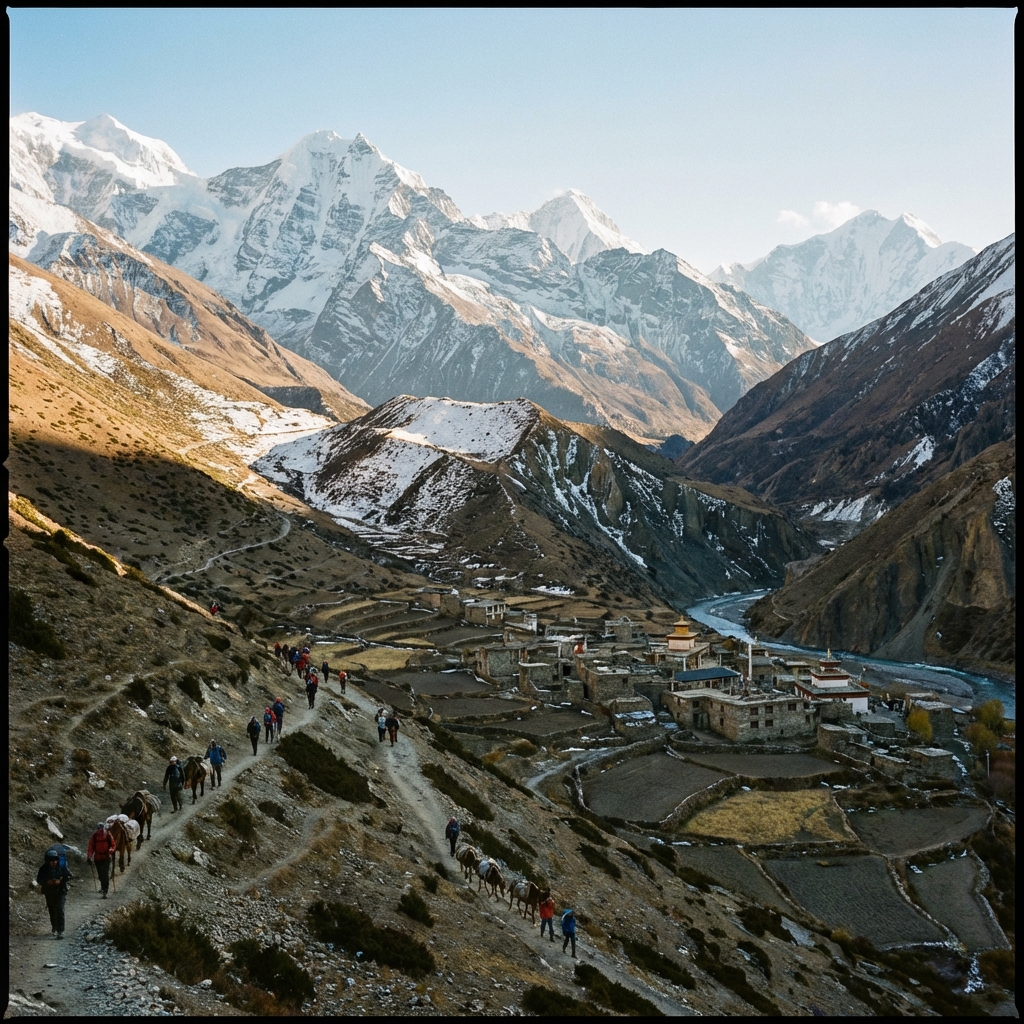
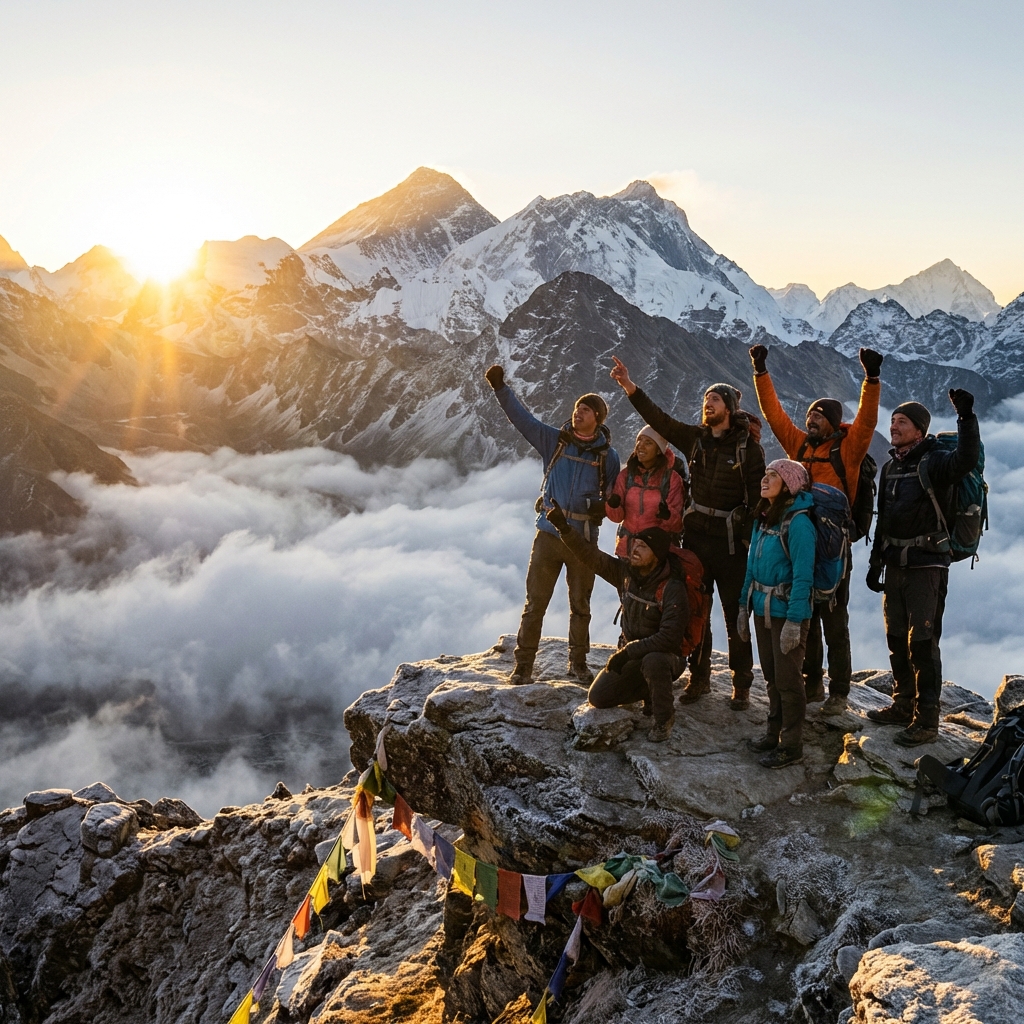
Choosing the right hats for trekking in Nepal is far more critical than most trekkers realize. At high altitudes, you can lose up to 70% of your body heat through your head, while intense UV radiation at elevation can cause severe sunburn even on cloudy days. The temperature swing from midday sun to evening cold can exceed 30°C (54°F), requiring multiple hat options to stay comfortable and safe throughout your trek.
This comprehensive guide covers everything you need to know about selecting, packing, and using hats for Nepal trekking, from the subtropical valleys at 1,000 meters to the high passes above 5,000 meters.
Understanding Nepal's Unique Hat Requirements
Why Multiple Hats Are Essential
Nepal's dramatic elevation changes create microclimate zones that require different headwear solutions. On a typical day trekking to Everest Base Camp or the Annapurna Circuit, you might start at dawn in freezing temperatures requiring an insulated hat, switch to a sun hat by mid-morning as temperatures rise, then return to your warm beanie as evening temperatures plummet.
The three-hat system addresses these challenges:
- Sun Hat: Protects against intense UV radiation during daytime trekking
- Warm Beanie: Provides insulation for cold mornings, evenings, and high altitudes
- Insulated Hat: Offers extreme cold protection for winter treks and high passes
This layered approach to headwear parallels the clothing layering system that's essential for Himalayan trekking, allowing you to adapt quickly to changing conditions without carrying excessive weight.
Altitude and Temperature Considerations
Understanding how altitude affects your hat needs is crucial for proper preparation:
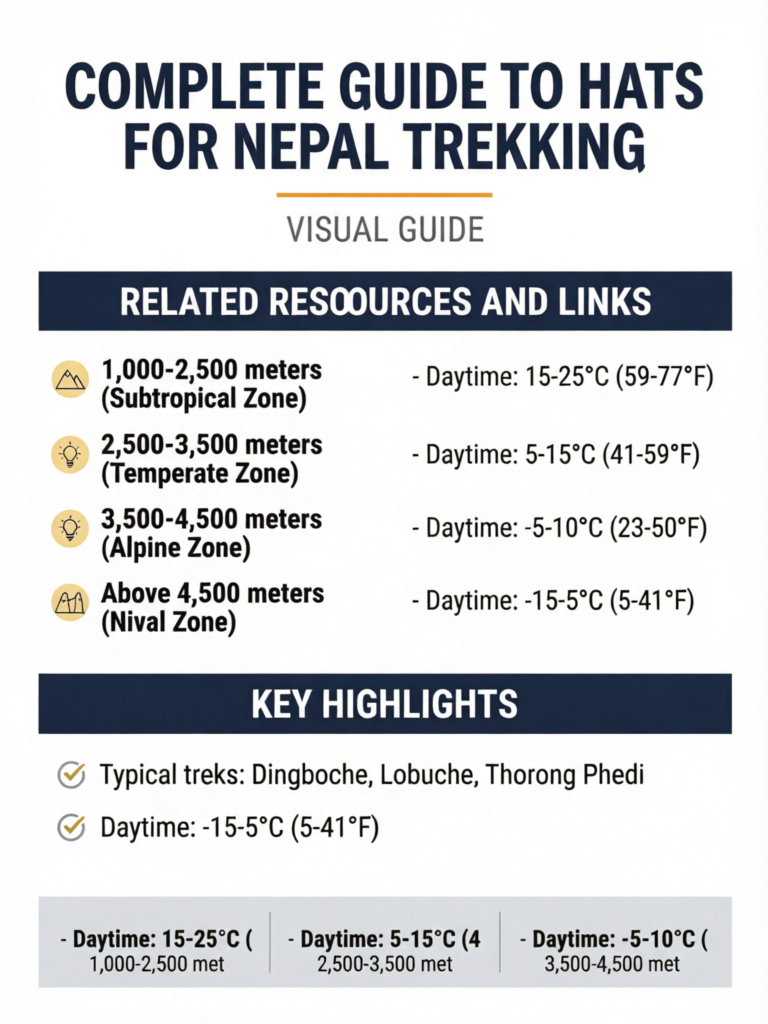
1,000-2,500 meters (Subtropical Zone)
- Daytime: 15-25°C (59-77°F)
- Hat needs: Sun hat primarily, light beanie for early mornings
- Typical treks: Lower Langtang Valley, Ghorepani approach
2,500-3,500 meters (Temperate Zone)
- Daytime: 5-15°C (41-59°F)
- Hat needs: Sun hat during day, warm beanie essential for mornings/evenings
- Typical treks: Namche Bazaar, Manang village, mid-Langtang
3,500-4,500 meters (Alpine Zone)
- Daytime: -5-10°C (23-50°F)
- Hat needs: Both sun hat and beanie; may need to layer
- Typical treks: Dingboche, Lobuche, Thorong Phedi
Above 4,500 meters (Nival Zone)
- Daytime: -15-5°C (5-41°F)
- Hat needs: Insulated hat or layered beanie, sun hat when conditions allow
- Typical treks: Everest Base Camp, Thorong La Pass, Cho La Pass
UV Radiation at Altitude
One of the most underestimated dangers in Nepal is UV radiation intensity. For every 1,000 meters of elevation gain, UV radiation increases by 10-12%. At 5,000 meters, UV levels are approximately 60% higher than at sea level, with UV Index readings often exceeding 11 (extreme category).
Even on cloudy days, up to 80% of UV radiation penetrates cloud cover. Snow reflection can increase UV exposure by an additional 80-90%, creating what mountaineers call "double exposure" - you're being hit by direct sunlight from above and reflected radiation from below. This is why proper sun protection including a high-quality sun hat is absolutely critical.
Pro Tip
Start wearing your sun hat from day one of your trek, even at lower elevations. Many trekkers make the mistake of waiting until they reach higher altitudes, by which point they've already accumulated sun damage. The cumulative effect of UV exposure over a 12-14 day trek can result in severe burns, particularly on the scalp, ears, and back of the neck.
The Three-Hat System Explained
Hat #1: Sun Hat for Daytime Protection
Your sun hat is your primary defense against the intense Himalayan sun and will be worn during most daylight trekking hours from the moment you set out until evening.
Essential Features:
Wide Brim (3+ inches/7.6+ cm) The brim is your most important sun protection feature. A 3-inch minimum brim provides adequate coverage for your face, ears, and neck. Wider is generally better for high-altitude trekking - a 3.5-4 inch brim offers optimal protection without being unwieldy in wind.
The brim should be:
- Stiff enough to maintain shape in wind
- Flexible enough to pack without permanent creasing
- Uniform width all around (360-degree protection)
- Slightly downward-angled for maximum coverage
UPF 50+ Rating UPF (Ultraviolet Protection Factor) measures how much UV radiation penetrates fabric. UPF 50+ blocks at least 98% of UV radiation, allowing less than 2% to reach your skin. This is essential for the extreme UV levels encountered at altitude.
Regular cotton baseball caps typically have UPF ratings of only 5-7, blocking less than 20% of UV radiation. This is woefully inadequate for Nepal trekking where you'll face 8-12 hours of intense sun exposure daily.
Chin Strap/Retention System Wind is a constant companion at altitude, particularly on exposed ridges and high passes. Above 4,000 meters, wind speeds regularly exceed 40 km/h (25 mph), with gusts much stronger. A secure chin strap prevents your hat from becoming a very expensive piece of litter on the mountainside.
Look for:
- Adjustable cord lock system
- Comfortable, non-chafing materials
- Quick-release buckle (optional but convenient)
- Ability to tighten securely without restricting breathing
Moisture-Wicking and Quick-Drying Materials You'll sweat during uphill sections, encounter rain showers, and possibly wash your hat during the trek. Synthetic materials like nylon or polyester dry in 2-4 hours, while cotton can take 12+ hours and loses insulation value when wet.
Packability Your sun hat needs to survive being stuffed in your daypack when weather changes. Look for hats that can be crushed and will return to their original shape.
Recommended Sun Hats:
Outdoor Research Sun Runner Cap ($30-40) The Sun Runner is the gold standard for trekking sun hats. Features include:
- UPF 50+ sun protection
- 3.5-inch brim with flexible structure
- Adjustable chin cord with cord lock
- TransAction headband wicks moisture
- Crushable for easy packing
- Available in multiple colors (choose light colors to reflect heat)
- Weight: 85 grams (3 oz)
This hat has been field-tested on countless Himalayan expeditions and consistently performs well in high winds and intense sun. The brim width is perfect for Nepal's conditions - wide enough for excellent protection but not so wide that it catches wind excessively.
Tilley T3 Wanderer ($70-80) For those willing to invest more, the Tilley T3 is legendary for durability:
- UPF 50+ certified sun protection
- 3.75-inch brim (widest of our recommendations)
- Guaranteed for life against wearing out
- Fully packable - can be stuffed, sat on, stepped on
- Secret pocket in crown for small items
- Floats in water (useful near rivers and lakes)
- Removable chin strap
- Weight: 170 grams (6 oz)
The T3 is heavier than the Sun Runner but virtually indestructible. Many trekkers report using the same Tilley for 10+ years of adventures. If you plan multiple treks or extended travel, the investment pays for itself.
Columbia Bora Bora Booney II ($25-35) Best budget option without sacrificing essential features:
- UPF 50 sun protection
- 3-inch brim
- Omni-Wick sweatband
- Adjustable drawcord and toggle
- Mesh vent panel for breathability
- Packable (though less crushable than higher-end options)
- Weight: 95 grams (3.35 oz)
The Bora Bora offers excellent value and will perform well for most trekkers. The main compromise compared to premium hats is durability - expect 2-3 years of regular use rather than a decade.
Baseball Cap Alternative Some trekkers prefer baseball caps for their lighter weight and athletic fit. If choosing this option:
- Select UPF 50+ rated fabric (brands like Sunday Afternoons and Outdoor Research make excellent options)
- Accept that you'll have no neck protection (use sunscreen liberally)
- Ensure it has a secure retention strap
- Consider adding a detachable neck cape (like the OR Sun Runner Neck Cape)
Baseball caps work well for faster-paced treks where weight savings matter and you're diligent about reapplying sunscreen. For the average trekker, a wide-brim hat provides superior protection with less maintenance.
Hat #2: Warm Beanie for Cold Weather
Your warm beanie is essential for temperature regulation during cold mornings, evenings, and at high altitudes where temperatures regularly drop below freezing even during trekking season.
Essential Features:
Full Ear Coverage Ear coverage is non-negotiable at altitude. Frostbite most commonly affects extremities including ears, and the pain of cold wind on unprotected ears is miserable. Your beanie should fully cover your ears without requiring constant adjustment.
Material: Merino Wool or Synthetic Fleece Both materials have advantages:
Merino Wool (Preferred)
- Naturally temperature-regulating
- Odor-resistant (wear multiple days without washing)
- Insulates when wet
- Soft against skin
- Dries in 6-8 hours
- More expensive ($25-45)
Synthetic Fleece
- Faster drying (3-4 hours)
- More affordable ($15-30)
- Durable and easy care
- Less odor-resistant
- Excellent warmth-to-weight ratio
Avoid cotton beanies entirely. Cotton loses all insulation value when wet from sweat or precipitation and takes 12+ hours to dry - potentially dangerous at altitude.
Weight Options Consider bringing two beanies if trekking in shoulder seasons (March-April, October-November):
- Lightweight beanie (150-200 g/m²) for temperatures 0-10°C
- Midweight beanie (250-300 g/m²) for temperatures below 0°C
For standard spring/autumn treks, a single midweight beanie suffices. For winter treks (December-February), you'll need the heavyweight option or an insulated hat.
Recommended Warm Beanies:
Smartwool Lid ($25-35) Excellent all-around beanie from merino wool specialists:
- 100% merino wool (250 g/m² midweight)
- Full ear coverage
- Classic fit works under hoods
- Machine washable (unlike some merino items)
- Available in multiple colors
- Weight: 50 grams (1.76 oz)
The Smartwool Lid has become the default beanie for Nepal trekkers. It performs flawlessly in the -5°C to 10°C range common at altitude during trekking season, and the merino wool means you can wear it for multiple days without odor issues.
Patagonia Brodeo Beanie ($35-45) Premium organic wool option:
- Recycled materials (eco-conscious choice)
- Soft merino wool blend
- Excellent ear coverage
- Slouchy fit provides extra warmth
- Fair Trade Certified factory
- Weight: 60 grams (2.1 oz)
If environmental impact matters to you and budget allows, the Brodeo is an excellent choice. The recycled materials perform identically to virgin fibers while reducing environmental footprint.
Outdoor Research Flurry Beanie ($25-30) Best synthetic option:
- Polartec fleece construction
- Superior moisture management
- Quick-drying (2-3 hours)
- Extremely durable
- Ponytail-compatible opening (women's version)
- Weight: 45 grams (1.6 oz)
The Flurry is perfect for high-output activities or trekkers who tend to sweat heavily. It dries faster than merino and costs less, though you'll need to wash it more frequently.
Budget Option: Generic Merino or Fleece Beanie ($10-20) Many outdoor stores and online retailers sell house-brand merino or fleece beanies that perform adequately:
- Ensure it's 100% merino or polyester fleece (no cotton)
- Check for full ear coverage
- Verify quality of stitching
- Accept shorter lifespan than premium brands
A $15 merino beanie will keep you warm on your trek. It may develop holes after one season while a Smartwool beanie lasts five years, but it will do the job.
Hat #3: Insulated Hat for Extreme Cold (Winter and High Passes)
For winter treks (December-February), early spring expeditions, or high passes above 5,000 meters, an insulated hat provides critical warmth that a standard beanie cannot match.
When You Need an Insulated Hat:
- Winter treks (Dec-Feb) at any altitude above 3,000m
- High passes (Thorong La, Cho La, Renjo La) in shoulder seasons
- Extended time above 4,500m
- If you sleep cold (some trekkers need this for teahouse sleeping)
- Early morning summit attempts or pass crossings
Insulation Types:
Synthetic Insulation (Recommended) Materials like PrimaLoft, Thermoball, or Coreloft continue insulating when wet and dry quickly. Synthetic is the safer choice for trek conditions where your hat might get damp from sweat or precipitation.
Down Insulation Offers superior warmth-to-weight ratio but loses insulation when wet. Only choose down if you're extremely careful about keeping it dry or trekking in guaranteed dry conditions.
Recommended Insulated Hats:
Outdoor Research Transcendent Beanie ($50-60) Purpose-built for extreme cold:
- PrimaLoft Gold insulation (60g)
- Pertex Quantum shell fabric
- Packable into own interior pocket
- Full ear coverage
- Temperature range: -20°C to -5°C
- Weight: 65 grams (2.3 oz)
This is the go-to insulated hat for Himalayan mountaineering. It's warm enough for winter trekking and high passes while remaining packable enough to stuff in your jacket pocket when not needed.
Arc'teryx Cerium LT Hoody (Hood as Hat Alternative) Some trekkers forgo a separate insulated hat by bringing an insulated jacket with an excellent hood:
- 850-fill European goose down
- Articulated hood fits over beanie
- Adjustable hood for secure fit
- Full piece serves as camp jacket and insulated layer
- Weight: 265 grams (9.3 oz) - full jacket
This approach works well if you're already bringing a down jacket with a quality hood. The hood over your warm beanie creates a layered system adequate for extreme cold.
Mountain Hardwear Compressor Hooded Jacket (Budget Alternative) More affordable insulated jacket with functional hood:
- Synthetic insulation
- Hood designed to fit over helmet (easily fits beanie)
- Water-resistant shell
- Packs into own pocket
- Full piece serves multiple purposes
- Weight: 340 grams (12 oz)
Balaclava Option For the coldest conditions (winter expeditions, high passes in wind), consider a balaclava instead of or in addition to an insulated hat:
- Protects entire face, head, and neck
- Essential for extreme wind chill
- Can layer under helmet for climbing sections
- Breathable options won't fog up if you need eye protection
The Outdoor Research Gorilla Balaclava ($40-50) is the industry standard, with wind-resistant fleece and comfortable face coverage.
Pro Tip
Test your insulated hat on a cold morning at home before your trek. Put it on and see if any cold spots develop around your ears or forehead. These will be magnified at altitude with wind, so ensure your insulated hat provides complete coverage before depending on it at 5,000+ meters.
Seasonal Hat Strategies
Spring Trekking (March-May)
Spring is the second-most popular trekking season, with gradually warming temperatures but still significant cold at altitude.
Lower Elevations (1,000-3,000m)
- Sun hat is primary need
- Lightweight beanie for early mornings only
- Temperatures: 10-20°C days, 5-10°C nights
Mid Elevations (3,000-4,000m)
- Sun hat during day essential
- Warm beanie for mornings, evenings, indoors
- Temperatures: 5-15°C days, -5-5°C nights
High Elevations (4,000m+)
- Both sun hat and beanie needed daily
- Consider insulated hat for early May at very high altitudes
- Temperatures: -5-10°C days, -15-0°C nights
Recommended Spring Hat Kit:
- Wide-brim sun hat (UPF 50+)
- Midweight merino beanie
- Optional: lightweight insulated hat for passes
Autumn Trekking (September-November)
Autumn offers the most stable weather and is the peak trekking season. However, temperatures drop significantly as winter approaches.
Early Autumn (September-October) Similar to late spring conditions:
- Sun hat critical throughout
- Warm beanie increasingly needed at altitude
- Generally warm days, cold nights
Late Autumn (November) Winter approaches with dropping temperatures:
- Sun hat remains essential (UV doesn't decrease)
- Warm beanie needed from mid-elevations upward
- Consider insulated hat for high passes and extended time above 4,500m
- First significant snowfall possible at high elevations
Recommended Autumn Hat Kit:
- Wide-brim sun hat (UPF 50+)
- Midweight merino beanie
- For November treks above 4,500m: add insulated hat
Winter Trekking (December-February)
Winter trekking requires serious cold-weather preparation. While lower elevations remain pleasant, high altitudes experience extreme cold with temperatures frequently -20°C or lower.
Lower Elevations (1,000-3,000m)
- Sun hat during midday (UV remains intense)
- Warm beanie for mornings and evenings
- Surprisingly pleasant daytime temperatures: 10-15°C
- Cold nights: 0-5°C
Mid Elevations (3,000-4,000m)
- Sun hat during clear midday hours
- Warm beanie or insulated hat for morning/evening trekking
- Temperatures: 0-10°C days, -10-0°C nights
High Elevations (4,000m+)
- Insulated hat essential
- May need balaclava for wind protection
- Sun hat only during calm, clear midday hours
- Extreme cold: -10-5°C days, -25--10°C nights
Recommended Winter Hat Kit:
- Wide-brim sun hat (UPF 50+) - yes, still needed
- Heavyweight merino beanie
- Insulated synthetic hat (essential)
- Balaclava for extreme conditions
- Consider: spare lightweight beanie for sleeping
Winter trekking is for experienced trekkers only. The winter trekking guide provides comprehensive information on cold-weather preparation.
Monsoon Trekking (June-August)
Monsoon trekking is least popular due to rain, leeches, and obscured mountain views. However, some rain-shadow regions like Upper Mustang and Upper Dolpo remain dry and accessible.
Hat Strategy:
- Wide-brim waterproof or quick-dry sun hat
- UV protection remains critical (UV penetrates clouds)
- Lightweight beanie for rare cold mornings
- Consider hat with integrated rain brim or add rain jacket hood
Rain brings fungal growth concerns. Synthetic sun hats dry faster than canvas and resist mildew better than natural fibers.
Altitude-Based Hat Guide
This guide helps you determine which hat to wear based on your current altitude and time of day.
1,000-2,000 meters
Daytime (6am-6pm)
- Sun hat primary choice
- Temperature comfortable: 15-25°C
- High UV despite lower altitude
Early Morning/Evening
- Optional lightweight beanie if chilly
- Often comfortable with just sun hat
Typical Locations: Lukla, Jiri, Besisahar, lower Langtang
2,000-3,000 meters
Daytime
- Sun hat essential
- Temperature moderate: 10-20°C
- UV increasing noticeably
Morning (5am-8am) / Evening (5pm-8pm)
- Warm beanie recommended
- Temperature drops to 5-10°C
- Indoor teahouses can be cold
Typical Locations: Namche Bazaar, Chame, Syabrubesi, Ghandruk
3,000-4,000 meters
Daytime
- Sun hat essential during trekking
- May layer light beanie under sun hat on cold, windy days
- Temperature: 5-15°C
- UV very intense
Morning/Evening
- Warm beanie essential
- Temperature: -5-5°C
- Significant wind chill possible
Typical Locations: Dingboche, Manang, Gokyo, Kyanjin Gompa
4,000-5,000 meters
Daytime
- Sun hat when conditions allow (calm, clear)
- Warm beanie or insulated hat in wind or clouds
- Often need to switch between hats during day
- Temperature: -5-10°C
- Extreme UV exposure
Morning/Evening
- Insulated hat or layered beanie essential
- Balaclava in winter or high winds
- Temperature: -15-0°C
- Severe wind chill
Typical Locations: Lobuche, Gorak Shep, Thorong Phedi, Everest Base Camp
Above 5,000 meters
All Times
- Insulated hat or heavy beanie with balaclava option
- Sun hat only during brief calm periods (still need eye protection)
- Temperature: -15-5°C
- Life-threatening cold with wind chill
Typical Locations: Thorong La Pass (5,416m), Cho La Pass (5,420m), Kala Patthar (5,545m)
Pro Tip
Carry both your sun hat and warm beanie in accessible locations during daytime trekking above 3,500 meters. Weather can change rapidly, and you'll need to switch between hats as conditions evolve. Clip your sun hat to your pack when wearing your beanie, and keep the beanie in your jacket pocket or top of pack when wearing your sun hat.
Practical Considerations
Packability and Storage
Packing in Your Main Bag For hats not currently in use:
- Stuff beanies into shoes or empty spaces (they're crushable)
- Place sun hat in center of pack surrounded by soft items
- Use hat as padding around fragile items (sunscreen, electronics)
- Don't pack heavy items on top of sun hat brim
Daily Carry in Daypack You'll typically carry both sun hat and beanie during trekking:
- Clip sun hat to outside of pack when not wearing (use carabiner and chin strap)
- Store beanie in top pocket or stuff pocket for quick access
- Keep currently-worn hat secure (chin strap fastened)
Clip Attachment Systems Many trekkers use a small carabiner to clip their sun hat to pack straps when not wearing it:
- Attach to shoulder strap or top compression strap
- Prevents loss if hat blows off
- Quick access when needed
- Frees up pack space
Choose a lightweight aluminum carabiner (not for climbing) - they cost $3-5 and weigh only 10-15 grams.
Hat Maintenance on the Trail
Washing Hats accumulate sweat, sunscreen, and dust. To wash on the trail:
- Use biodegradable soap away from water sources
- Rinse thoroughly (soap residue irritates skin)
- Hang to dry overnight
- In teahouses, hang near wood stove for faster drying (not too close)
Wash frequency:
- Sun hat: every 4-5 days
- Beanie: every 5-7 days (merino resists odor longer)
- Insulated hat: spot clean only unless visibly dirty
Drying
- Clip to outside of pack while trekking (sun and air dry)
- Never leave in direct sun on hot surfaces (can damage materials)
- Stuff beanies with paper to maintain shape while drying
- Most hats dry in 4-6 hours in good conditions
Repairs Bring lightweight repair supplies:
- Needle and thread (25m/80ft minimum)
- Small patch of repair tape
- Safety pins
Common repairs needed:
- Reattaching chin strap (sun hat)
- Stitching small tears (beanie)
- Replacing elastic (rare but possible)
Hat Comfort and Fit
Sizing Most hats come in S/M/L or specific measurements (cm or inches):
- Measure your head circumference above eyebrows
- Size up if between sizes (easier to add adjustment than remove)
- Try on with beanie underneath to ensure layering works
Adjustment for Altitude As you gain altitude, mild swelling can occur:
- Loosen chin straps slightly at high altitude
- Ensure beanie isn't too tight (can cause headaches)
- If headache develops, remove hat temporarily to check if pressure contributing
Under Hoods Your beanie needs to fit comfortably under rain jacket and wind jacket hoods:
- Avoid beanies with large pom-poms or excessive bulk
- Ensure beanie doesn't push hood away from face (defeats wind protection)
- Test layering at home before trek
Hair Considerations Long hair affects hat fit and function:
- Choose sun hats with ponytail opening or adequate crown height
- Braid or bun hair for better beanie fit
- Consider buff or headband to keep hair under control
- Some women prefer baseball cap style for easier hair management
Multiple Hat Strategy
How Many Hats to Bring
Minimum: 2 Hats
- 1 sun hat
- 1 warm beanie
- Suitable for spring/autumn treks below 4,500m
Recommended: 3 Hats
- 1 sun hat
- 1 warm beanie
- 1 insulated hat OR second beanie (for sleeping/backup)
- Suitable for most treks year-round
Maximum: 4 Hats
- 1 sun hat
- 1 warm beanie
- 1 insulated hat
- 1 balaclava or backup beanie
- For winter treks, high passes, or those who sleep cold
Redundancy Benefits Bringing a backup beanie provides:
- Spare while one is wet/being washed
- Sleeping beanie (keeps primary beanie cleaner)
- Insurance against loss
- Layering option in extreme cold
- Weight penalty: only 45-60 grams
Many experienced trekkers bring two beanies. The weight is minimal, and having a dry beanie when your primary is damp is a significant comfort upgrade.
Sleeping with Hats
At high altitude, teahouses often lack heating and temperatures drop dramatically overnight. Many trekkers sleep with a beanie:
Sleeping Beanie Tips:
- Use lightweight beanie for sleeping (more comfortable)
- Dedicate one beanie to sleeping to keep it cleaner
- Ensure it covers ears fully
- Not so tight it causes headaches
- Consider silk or merino liner for extra comfort
At very high elevations (above 4,500m), you might sleep with both beanie and insulated hat or pull your sleeping bag hood over your beanie.
Women-Specific Considerations
Fit and Style Many outdoor brands offer women-specific hat designs:
- Often slightly smaller sizing
- Ponytail openings in beanies and sun hats
- Color and style options beyond basic black
- More fitted designs
However, many women successfully use unisex or men's hats. Focus on function over marketing.
Hair Management Long hair creates specific challenges:
- UV damage to hair (consider hair-friendly sun hat styles)
- Sweat and dirt accumulation (bring dry shampoo or wash more frequently)
- Tangling in wind (braids work better than loose hair)
- Hat fit with various hairstyles (test at home)
Menstruation at Altitude Some women experience cycle changes at altitude. If experiencing:
- Increased body temperature: lightweight beanie may suffice when others need heavy
- Decreased body temperature: may need insulated hat earlier than others
- Plan hat kit based on your body's responses
Budget Planning
Budget Hat System ($40-60)
Sun Hat: Columbia Bora Bora Booney ($25-35) Excellent value with all essential features.
Warm Beanie: Generic Merino or Fleece ($15-25) House brands from REI, Decathlon, or online retailers perform adequately.
Total: $40-60
This budget system will perform well for standard spring/autumn treks. The main compromises are durability (expect 1-2 seasons rather than 5-10) and potentially less refined features (pocket on sun hat, fit adjustments).
Mid-Range Hat System ($80-120)
Sun Hat: Outdoor Research Sun Runner ($30-40) Gold standard trekking sun hat.
Warm Beanie: Smartwool Lid ($25-35) Premium merino beanie that lasts years.
Insulated Hat: Outdoor Research Transcendent ($50-60) For winter treks or high passes.
Total: $105-135 (without insulated hat: $55-75)
This represents the sweet spot for most trekkers - excellent performance, proven durability, and reasonable cost.
Premium Hat System ($150-200+)
Sun Hat: Tilley T3 Wanderer ($70-80) Lifetime guarantee, maximum durability.
Warm Beanie: Patagonia Brodeo Beanie ($35-45) Premium sustainable materials.
Insulated Hat: Outdoor Research Transcendent ($50-60) Same recommendation (excellent value at this performance level).
Balaclava: Outdoor Research Gorilla Balaclava ($40-50) For extreme conditions.
Total: $195-235
The premium system excels in durability and often uses more sustainable materials. For serious trekkers planning multiple expeditions, the investment pays off through longevity.
When to Invest More
Spend more on hats if:
- Planning multiple treks (cost-per-use decreases)
- Trekking in extreme conditions (winter, high passes)
- Previously had cheap hats fail
- Value sustainability and ethical manufacturing
- Want maximum performance and minimal worry
Save money on hats if:
- First-time trekker testing if you enjoy trekking
- Budget very constrained (invest in boots and sleeping bag first)
- Short, low-altitude trek planned
However, never skimp on UPF rating for sun hats. A non-UPF-rated hat provides almost no protection regardless of cost.
Common Mistakes to Avoid
Mistake #1: Bringing Only One Hat
The single most common hat mistake is bringing only a sun hat or only a warm beanie. Temperature swings of 30°C between day and night are normal. You need both.
Solution: Minimum two hats (sun and warm beanie), preferably three.
Mistake #2: Cotton Hats
Cotton t-shirts are marginally acceptable for Nepal trekking (though not recommended). Cotton hats are not. When cotton gets wet from sweat or rain, it:
- Loses all insulation value
- Takes 12+ hours to dry
- Becomes heavy and uncomfortable
- Can contribute to hypothermia in cold conditions
Solution: Only merino wool, synthetic fleece, or technical fabrics.
Mistake #3: Insufficient Sun Protection
Many trekkers underestimate UV intensity at altitude and arrive with:
- Baseball cap with no UPF rating
- Bucket hat with only 2-inch brim
- Dark colors that absorb heat
- No chin strap (lost to wind)
Solution: UPF 50+ wide-brim hat (3+ inch brim) with chin strap. Non-negotiable for Nepal trekking.
Mistake #4: Oversized Hat
An oversized sun hat becomes a wind sail at altitude, catching gusts and pulling uncomfortably even with chin strap fastened.
Solution: Proper sizing. Hat should fit snugly enough not to move with chin strap tightened, but not so tight it causes pressure headaches.
Mistake #5: Forgetting Ear Coverage
Some beanies are designed as fashion items and sit high on the head without covering ears. At altitude, exposed ears are extremely uncomfortable and at risk for frostbite.
Solution: Verify full ear coverage before purchasing. Try on beanie and ensure it comfortably covers ears completely.
Mistake #6: No Backup Plan
Hats can be lost to wind, damaged, or stolen. Having no backup means purchasing overpriced gear in trekking villages or suffering without.
Solution: Bring spare beanie (weighs only 50g) or at minimum, know that you can purchase basic hats in Namche Bazaar or Manang if needed.
Mistake #7: Wearing Beanie During Steep Uphills
New trekkers often wear warm beanies during steep uphill sections and overheat, then remove it on the ridgetop where wind is strong and temperature plummets.
Solution: Switch to sun hat during high-output uphill trekking, even if morning air is cool. Add beanie when you stop for breaks or reach steady flat sections.
Mistake #8: Not Testing at Home
Discovering hat problems (poor fit, inadequate chin strap, insufficient warmth) on day 5 of your trek is too late.
Solution: Test all hats before leaving:
- Wear sun hat on a sunny afternoon walk
- Wear beanie in cold morning conditions
- Practice switching between hats
- Verify layering works with jacket hoods
Shopping and Preparation
Where to Buy
Online Retailers (Best Selection)
- REI (excellent return policy)
- Backcountry
- Moosejaw
- Amazon (verify seller authenticity)
- Brand direct websites (Patagonia, Arc'teryx, etc.)
Physical Stores (Best for Fit Testing)
- REI stores
- Local outdoor gear shops
- Sporting goods stores
- Brand flagship stores in major cities
In Nepal (Emergency/Budget Options)
- Namche Bazaar: largest selection, many genuine and knockoff items
- Kathmandu (Thamel): extensive gear shops, beware counterfeits
- Manang: limited selection, adequate for emergencies
- Other trail towns: very limited, expensive, often only basic items
Rental Options in Nepal
Renting hats in Nepal is uncommon and generally not recommended:
- Hygiene concerns (hats in direct contact with hair/skin)
- Limited size/style options
- Sun hats inexpensive enough to purchase
- Rental savings minimal ($2-3 vs $25-40 to buy)
However, you can rent insulated hats and balaclavas in Namche Bazaar or Kathmandu for winter treks if you don't want to purchase gear you'll rarely use.
Pre-Trek Testing Timeline
2 months before trek:
- Research and purchase hats
- Begin wearing sun hat during outdoor activities
- Verify UPF rating and features
1 month before trek:
- Test beanie in cold conditions (early morning, air-conditioned spaces)
- Practice packing hats with trek gear
- Verify layering with jacket hoods
2 weeks before trek:
- Wash all hats to remove factory sizing
- Do final fit check with all layers
- Arrange clip/attachment system
- Pack in luggage
Breaking In
Unlike boots, hats require minimal break-in:
- Sun hats may be slightly stiff initially (improve after 2-3 wears)
- Wash beanies once before trek to soften
- Verify no chafing points where chin strap contacts skin
- Ensure headband doesn't cause pressure headaches
One week of occasional wear is sufficient break-in for any hat.
FAQ
Related Resources and Links
For comprehensive Nepal trekking preparation, explore these related guides:
Essential Gear Guides:
- Complete Nepal Trekking Gear List - Comprehensive checklist for all equipment
- Clothing Layering System for Nepal - Understanding base, mid, and outer layers
- Best Trekking Boots for Nepal - Footwear selection and preparation
- Down Jackets for Nepal Trekking - Insulated layer recommendations
- Rain Gear Guide for Nepal - Waterproof jacket and pants selection
- Sleeping Bags for Nepal Trekking - Temperature ratings and recommendations
- Best Daypacks for Nepal - Daypack selection and features
Protection and Health:
- Sun Protection in Nepal - UV protection, sunscreen, and eye protection
- Altitude Sickness Prevention - Acclimatization and symptoms
- Water Purification in Nepal - Safe drinking water strategies
- First Aid Kit for Nepal Trekking - Medical supplies and medications
Specific Trek Guides:
- Everest Base Camp Trek - Classic Khumbu region trek
- Annapurna Circuit - Complete circuit with Thorong La Pass
- Langtang Valley Trek - Beautiful valley trek near Kathmandu
- Manaslu Circuit - Remote circuit trek
- Upper Mustang Trek - Restricted area in rain shadow
Seasonal and Specialized Information:
- Winter Trekking in Nepal - Cold weather preparation
- Monsoon Trekking Guide - June-August considerations
- Teahouse Accommodation Guide - Lodging expectations
- Nepal Trekking Permits - Required permits and costs
Preparation Resources:
- Physical Training for Nepal Treks - Fitness preparation timeline
- Budget Planning for Nepal - Cost breakdown and saving strategies
- What to Pack for Nepal - Complete packing list with weights
- Gear Testing Before Your Trek - Breaking in and testing equipment
Conclusion
Selecting the right hats for Nepal trekking is one of the most important yet most overlooked aspects of trek preparation. The three-hat system - a UPF 50+ wide-brim sun hat, a warm merino or fleece beanie, and an optional insulated hat for extreme conditions - provides comprehensive protection against Nepal's intense UV radiation, dramatic temperature swings, and high-altitude cold.
Don't make the common mistake of bringing only one hat or choosing fashion over function. The $80-150 investment in a quality hat system provides protection worth far more than the cost: preventing painful sunburn, reducing altitude sickness symptoms through proper temperature regulation, and ensuring comfort throughout your trek.
Test your hats at home, practice switching between them efficiently, and ensure they pack well with your other gear. With the right headwear strategy, you'll be prepared for everything from the subtropical valleys to the highest trekking passes in the world.
The mountains of Nepal offer life-changing experiences, but they demand proper preparation. Your hat system is a small component of your overall gear, but critical to your safety, comfort, and success. Choose wisely, pack smart, and enjoy your Himalayan adventure with confidence that your head is properly protected at any altitude or condition.
Namaste, and happy trekking!