
Lumbini Guide: Visiting the Birthplace of Buddha in Nepal
In the flat, subtropical plains of southern Nepal, far from the towering Himalayas that define the country's image, lies one of the most significant spiritual sites on Earth. Lumbini, a small town in the Rupandehi District, is the place where Siddhartha Gautama was born in 623 BCE, the prince who would become the Buddha and whose teachings would spread across Asia and eventually the entire world. For the 500 million Buddhists worldwide, Lumbini holds a significance comparable to Bethlehem for Christians, Mecca for Muslims, or Varanasi for Hindus.
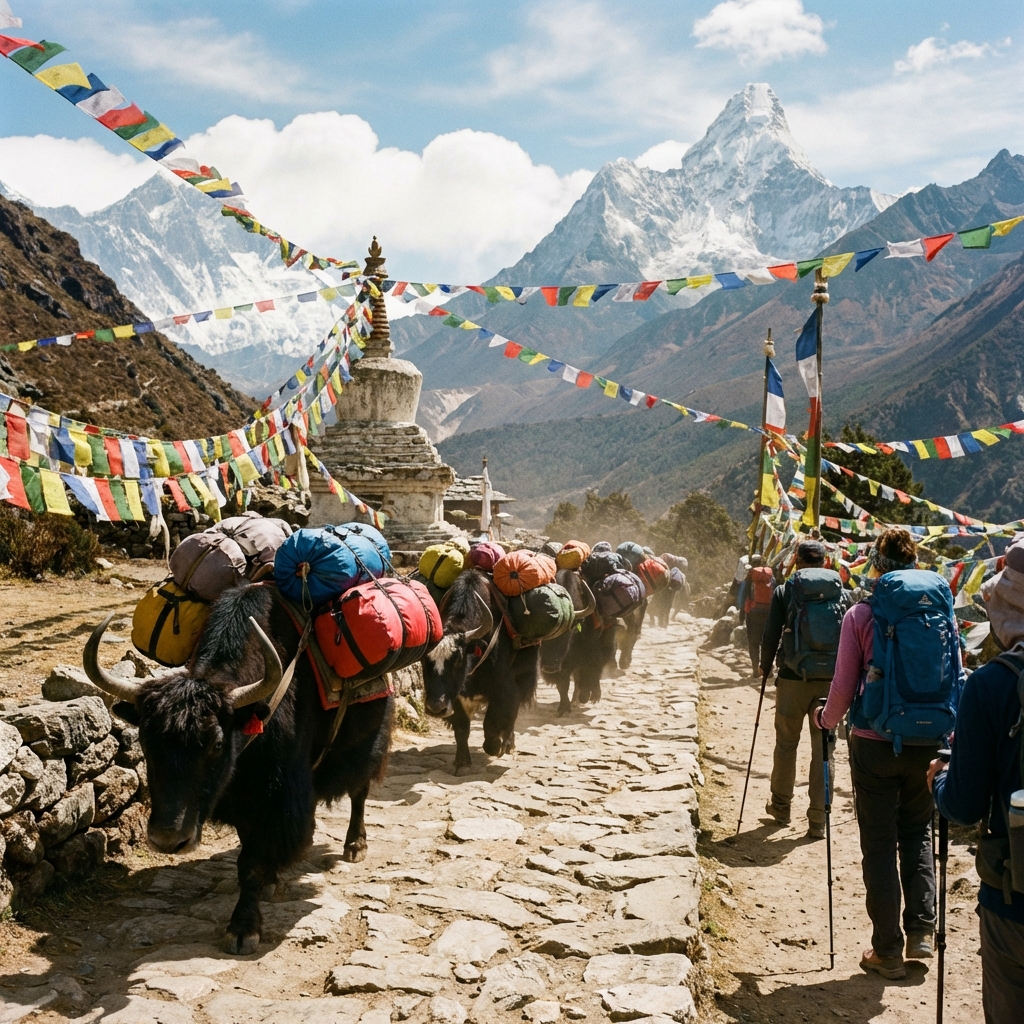
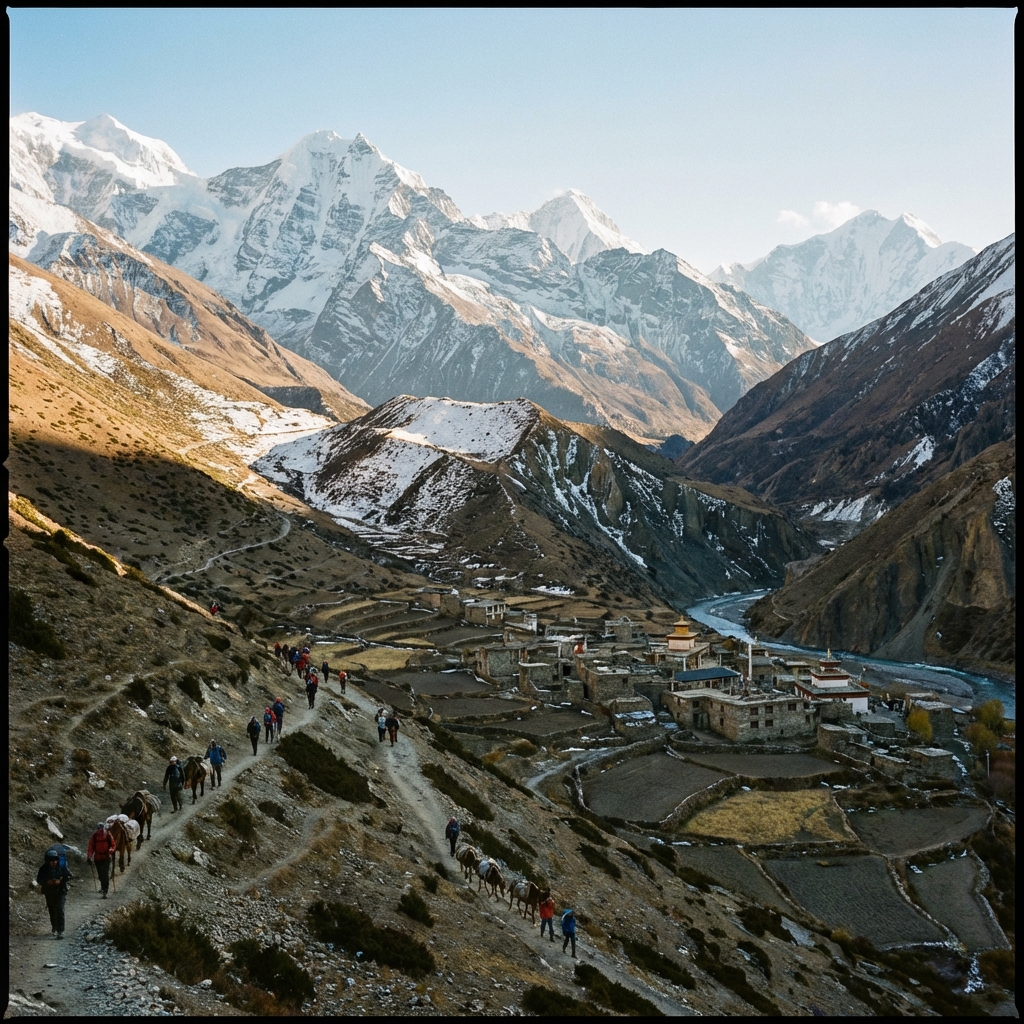
For trekkers visiting Nepal, Lumbini offers a profound cultural dimension that deepens the Buddhist elements encountered throughout the trekking experience. If you have walked past monasteries in the Khumbu, spun prayer wheels in Annapurna villages, or marveled at colorful prayer flags strung across mountain passes, visiting the place where it all began adds extraordinary context and meaning to those trail encounters.
Lumbini is also a place of remarkable physical beauty and architectural diversity. The Sacred Garden contains the ancient Maya Devi Temple and Ashoka Pillar, while the surrounding monastic zone features over 25 temples and monasteries built by Buddhist nations from around the world, each reflecting its own architectural tradition. The result is a peaceful, park-like campus where you can walk from a Thai temple to a Chinese pagoda to a German meditation center to a Burmese golden stupa, all within a few hundred meters.
This guide covers everything you need to plan a Lumbini visit: what to see, how to get there, how long to spend, costs, the best time to visit, accommodation options, and how to integrate Lumbini into your Nepal trekking itinerary.
World Heritage Site since 1997
Birthplace of Siddhartha Gautama (623 BCE)
Maya Devi Temple, Ashoka Pillar, Sacred Garden
25+ temples from countries worldwide
NPR 200 (~$1.50 USD) for foreigners
1-2 days
280 km (6-7 hours by road)
170 km (4-5 hours by road)
Historical Significance: Where Buddhism Began
The Birth of Siddhartha Gautama
According to Buddhist tradition and historical records, Queen Maya Devi gave birth to Prince Siddhartha Gautama while grasping the branch of a sal tree in the Lumbini garden in 623 BCE. She was traveling from her husband's capital in Kapilavastu to her maternal home and stopped to rest in the beautiful garden, where she gave birth.
The young prince grew up in privilege and luxury in Kapilavastu, shielded from the suffering of the outside world. When he eventually encountered old age, sickness, and death, the experience catalyzed his spiritual quest. After years of ascetic practice and meditation, he attained enlightenment at Bodh Gaya in India, becoming the Buddha ("The Awakened One"). His teachings on the nature of suffering, compassion, and the path to liberation spread across Asia and now form the foundation of one of the world's major religions.
The Ashoka Connection
In 249 BCE, Indian Emperor Ashoka made a pilgrimage to Lumbini and erected a stone pillar to commemorate his visit and mark the birthplace of Buddha. This Ashoka Pillar, still standing today, bears an inscription in Brahmi script that reads: "Here the Buddha was born." It is one of the most important archaeological artifacts in Buddhist history and provides definitive historical evidence identifying Lumbini as the birthplace.
The site was lost to the jungle for centuries until its rediscovery in 1896 by German archaeologist Dr. Alois Anton Fuhrer, guided by the Ashoka Pillar inscription. Excavations since then have uncovered the exact birth spot, ancient monastery ruins, and artifacts spanning over two millennia.
UNESCO Inscription
UNESCO inscribed Lumbini as a World Heritage Site in 1997, recognizing it as a place of outstanding universal value. The inscription cites Lumbini's significance as the birthplace of Lord Buddha, the heritage of the Ashoka Pillar and its inscription, and the archaeological remains dating from the 3rd century BCE. The site is managed by the Lumbini Development Trust, which oversees conservation and development.
What to See in Lumbini
The Sacred Garden (Core Zone)
The Sacred Garden is the spiritual heart of Lumbini, containing the exact birth spot of Buddha and the most historically significant structures.
Maya Devi Temple: The centerpiece of the Sacred Garden, the Maya Devi Temple is built over the exact spot where Buddha was born. Inside the temple, you can see:
- The Marker Stone - a stone slab marking the precise birth spot, discovered during archaeological excavations
- The Nativity Sculpture - an ancient stone carving depicting Maya Devi giving birth while grasping a tree branch
- Archaeological remains - excavated foundations of earlier temples dating back to the 3rd century BCE, visible through glass floors
- The Sacred Pond - Puskarini, the pond where Maya Devi is said to have bathed before giving birth, still filled with water and surrounded by ancient trees
Ashoka Pillar: Standing beside the Maya Devi Temple, the Ashoka Pillar is a 6-meter sandstone column erected by Emperor Ashoka in 249 BCE. The Brahmi inscription identifying this as Buddha's birthplace is the oldest known written reference to the historical Buddha. The pillar was damaged (possibly by lightning) and the upper portion is missing, but the inscription remains legible.
Other Sacred Garden features:
- The Sacred Bodhi Tree - a descendant of the tree under which Buddha attained enlightenment
- Ruins of ancient monasteries and stupas dating from the 3rd century BCE to the 9th century CE
- The Eternal Flame - lit in 1986 and maintained continuously since
- Meditation areas and peaceful walkways through manicured gardens
Visit the Maya Devi Temple at Dawn
The Monastic Zone
Surrounding the Sacred Garden, the Monastic Zone is divided into East (Theravada tradition) and West (Mahayana and Vajrayana traditions) sections by a central canal. Here, Buddhist countries from around the world have built monasteries and temples, each reflecting their own architectural and artistic traditions. Walking through this zone is like taking a tour of Asian Buddhist architecture without leaving Nepal.
Notable monasteries and temples:
| Country | Temple Name | Architectural Style | Highlights |
|---|---|---|---|
| Thailand | Royal Thai Monastery | Traditional Thai | Golden spire, ornate decorations |
| China | Chinese Buddhist Temple | Chinese pagoda | Multi-story pagoda, vast grounds |
| Myanmar (Burma) | Myanmar Golden Temple | Burmese | Gold-plated stupa, elaborate carvings |
| South Korea | Korean Buddhist Temple | Korean | Elegant simplicity, beautiful gardens |
| Japan | Japanese Buddhist Temple | Japanese | Minimalist Zen design, rock garden |
| Germany | German Theravada Monastery | Modern/European | Meditation center, international community |
| Cambodia | Cambodian Monastery | Khmer-influenced | Angkor-inspired elements |
| Sri Lanka | Sri Lankan Monastery | Sinhalese | White stupa, tropical plantings |
| Vietnam | Vietnamese Temple | Vietnamese | Colorful decorations, lotus ponds |
| India | Indian Buddhist Temple | Indian | Connected to Bodh Gaya tradition |
| Nepal | Nepali Monastery | Traditional Nepali | Pagoda style, local artistry |
| France | French Buddhist Center | Modern | International meditation programs |
The architectural diversity is genuinely remarkable. Within a single morning's walk, you transition from the golden magnificence of the Thai and Myanmar temples to the austere minimalism of the Japanese temple, from the colorful exuberance of Chinese and Vietnamese architecture to the modernist simplicity of European meditation centers.
Visiting the monastic zone:
- Most monasteries are open to visitors (check individual opening hours)
- Dress modestly (covered shoulders and knees) in all monasteries
- Remove shoes before entering temple buildings
- Photography is usually permitted outside but may be restricted inside prayer halls
- Some monasteries offer meditation sessions open to visitors
- The entire monastic zone can be explored on foot in 3-4 hours, or you can rent a bicycle
Monastery Etiquette
Lumbini is an active place of worship, not just a tourist attraction. Observe proper etiquette in all temples and monasteries: remove shoes before entering, dress modestly, speak quietly, do not point your feet at Buddha statues or monks, and ask before photographing people at prayer. For comprehensive guidance on Buddhist site etiquette, see our monastery etiquette guide.
Lumbini Museum
The Lumbini Museum houses a collection of coins, stamps, religious manuscripts, terracotta objects, and artifacts recovered from the Lumbini area. While small, it provides useful historical context for your visit, particularly regarding the archaeological discoveries that authenticated the site.
Details:
- Opening hours: 10:00 AM - 5:00 PM (closed on Tuesdays)
- Entry fee: NPR 50 (~$0.40)
- Duration: 30-45 minutes
World Peace Pagoda (Shanti Stupa)
The gleaming white World Peace Pagoda, located near the monastic zone, is a Japanese-built stupa that stands as a symbol of peace and harmony. The pagoda contains gold statues of Buddha on each of its four sides, representing different stages of his life.
Kapilavastu (Day Trip)
Located about 27 km from Lumbini, the ruins of Tilaurakot are believed to be the site of ancient Kapilavastu, the city where Prince Siddhartha grew up. Archaeological excavations have uncovered fortified walls, palace foundations, and artifacts from the period. A visit here adds depth to the Lumbini experience, particularly for those interested in the full story of Buddha's early life.
Rent a Bicycle
Cultural Connections for Trekkers
Buddhism Along the Trail
If you have trekked in Nepal, you have already encountered the living Buddhism that began here in Lumbini. Understanding these connections enriches both your trekking memories and your Lumbini visit:
- Prayer flags seen on every mountain pass carry mantras printed in the five colors representing the five elements. The wind carries the prayers, a practice rooted in Tibetan Buddhism that traces back to the teachings that began here.
- Mani stones carved with "Om Mani Padme Hum" line trails throughout the Everest and Annapurna regions. This mantra invokes the bodhisattva of compassion, a concept from Mahayana Buddhism.
- Monasteries like Tengboche in the Khumbu and Muktinath on the Annapurna Circuit are living centers of Buddhist practice, directly connected to the tradition that started with Siddhartha's birth at this very spot.
- Stupas like Boudhanath and Swayambhunath in Kathmandu (see our Boudhanath and Swayambhunath guide) are architectural embodiments of Buddhist cosmology.
- Prayer wheels that trekkers spin along the trail contain scrolls of mantras, generating merit according to Buddhist belief.
Visiting Lumbini after trekking closes a cultural circle, connecting the everyday Buddhist elements of the mountain trail to their historical origin.
Meditation at Lumbini
Several monasteries in the Lumbini compound offer meditation sessions, retreats, and dharma talks open to visitors. This can be a profoundly calming experience after the physical intensity of trekking. Options include:
- Panditarama Lumbini International Meditation Center - offers Vipassana meditation retreats
- Korean Buddhist Temple - daily meditation sessions
- German Theravada Monastery - regular meditation instruction in English
- Various temples - informal meditation is welcome in most monastery gardens and halls
No Buddhist Background Needed
You do not need to be Buddhist or have any meditation experience to appreciate Lumbini. The site is meaningful for anyone interested in history, architecture, culture, or spirituality. The peaceful atmosphere, beautiful gardens, and diverse architecture make Lumbini a worthwhile visit purely as a cultural and aesthetic experience, regardless of religious background.
Getting to Lumbini
From Pokhara
By Tourist Bus:
- Duration: 6-7 hours
- Cost: $10-15 one way
- Route: Through the hills to the Terai plains via Butwal
- Departure: Morning (6:00-7:00 AM) from Pokhara tourist bus park
- Arrival: Lumbini (Bhairahawa/Siddharthanagar, then local transport to Lumbini)
By Private Vehicle:
- Duration: 5-6 hours
- Cost: $100-150 for private car/jeep
- More comfortable, with flexibility to stop at viewpoints
From Kathmandu
By Tourist Bus:
- Duration: 8-10 hours
- Cost: $12-18 one way
- Departure: Morning from Thamel area
- Not recommended as a direct journey due to length; better to break in Pokhara or Chitwan
By Domestic Flight:
- Duration: 35 minutes to Bhairahawa Airport (Gautam Buddha International Airport), then 30 minutes to Lumbini
- Cost: $100-140 for the flight
- Airlines: Buddha Air, Yeti Airlines
- The new Gautam Buddha International Airport also accepts some international flights
From Chitwan (Most Convenient Combination)
By Tourist Bus or Private Vehicle:
- Duration: 4-5 hours
- Cost: $10-12 by bus, $70-100 by private vehicle
- Route: Through the Terai lowlands, relatively flat and straightforward
- This is the most logical routing for trekkers who visit Chitwan
For trekkers planning to combine Chitwan and Lumbini, this is the most efficient approach. The two destinations are relatively close in the Terai region, allowing a combined southern Nepal excursion that avoids excessive backtracking.
Chitwan-Lumbini-Pokhara Loop
How Long to Spend in Lumbini
One Day (Minimum)
A single full day allows you to visit:
- Maya Devi Temple and Sacred Garden (2-3 hours)
- Several monasteries in the monastic zone (2-3 hours)
- Lumbini Museum (30-45 minutes)
- World Peace Pagoda (30 minutes)
This is sufficient for most visitors who want to see the key sites without rushing excessively.
Two Days (Recommended)
Two days allow a more relaxed exploration:
- Day 1: Sacred Garden at dawn, explore the East Monastic Zone, Lumbini Museum, sunset at World Peace Pagoda
- Day 2: Explore the West Monastic Zone, optional day trip to Kapilavastu (Tilaurakot), meditation session, departure
The second day is particularly valuable for photography, meditation, or spending more time in individual monasteries.
Three Days (For Deep Engagement)
Three days allow everything above plus:
- Extended meditation retreats at participating monasteries
- Day trip to Kapilavastu and Devdaha (Maya Devi's maternal home)
- Deeper engagement with specific monasteries and their communities
- Exploration of the surrounding Terai countryside
Where to Stay in Lumbini
Budget ($10-25 per night)
Numerous small guesthouses and lodges operate in the area around the Lumbini complex entrance. Basic rooms with attached bathroom and hot water are standard. Some monasteries also offer simple guest accommodation for a nominal donation.
Mid-Range ($30-60 per night)
Hotels like Lumbini Buddha Garden, Hotel Ananda Inn, and Buddha Maya Garden Hotel offer comfortable rooms with air conditioning (important in the hot Terai climate), good restaurants, and gardens.
Upscale ($60-150+ per night)
A few higher-end options exist, including Tiger Palace Resort and Hotel Kasai, offering pool access, premium dining, and spa facilities.
Heat Preparation
Lumbini sits in the Terai lowlands at approximately 150 meters elevation. Temperatures can reach 35-40 degrees Celsius from April to June and remain warm (25-30 degrees Celsius) even in October-November. After spending time in the cool mountains, the Terai heat can be a shock. Bring lightweight clothing, sunscreen, a hat, and water bottle. Start sightseeing early in the morning and take a midday break during hot months.
Best Time to Visit Lumbini
| Period | Temperature | Comfort | Crowds | Overall Rating |
|---|---|---|---|---|
| October-November | 20-30°C | Very Good | Moderate | Excellent |
| December-January | 8-22°C | Good (cool mornings) | Low | Very Good |
| February-March | 15-30°C | Good | Moderate | Very Good |
| April-May | 28-40°C | Hot | Low | Fair (too hot for many) |
| June-September | 25-38°C | Hot, humid, monsoon rain | Very Low | Not ideal |
The October-February window aligns perfectly with Nepal's trekking season, making it easy to add Lumbini to a trek-focused itinerary.
Costs Summary
| Item | Cost |
|---|---|
| Sacred Garden entry | NPR 200 (~$1.50) |
| Lumbini Museum | NPR 50 (~$0.40) |
| Bicycle rental (full day) | NPR 200-300 (~$1.50-2.25) |
| Electric rickshaw (per hour) | NPR 300-500 (~$2.25-3.75) |
| Licensed guide (half day) | NPR 1,000-2,000 (~$7.50-15) |
| Budget accommodation (per night) | $10-25 |
| Mid-range hotel (per night) | $30-60 |
| Meals (per day) | $5-15 |
| Bus from Pokhara | $10-15 |
| Bus from Chitwan | $10-12 |
| Flight from Kathmandu (Bhairahawa) | $215-140 |
| Total (1-day visit, budget) | $30-50 |
| Total (2-day visit, mid-range) | $80-150 |
Sample Itinerary: Lumbini in a Nepal Trip
For Annapurna Trekkers (Adding Lumbini + Chitwan)
| Day | Activity | Location |
|---|---|---|
| Days 1-2 | Arrive Kathmandu, explore, prepare | Kathmandu |
| Day 3 | Travel to Pokhara (bus/flight) | En route / Pokhara |
| Days 4-14 | Trek (e.g., ABC or Circuit) | Annapurna region |
| Day 15 | Rest day in Pokhara | Pokhara |
| Day 16 | Travel to Chitwan | En route / Chitwan |
| Days 17-18 | Chitwan safari | Chitwan |
| Day 19 | Travel to Lumbini | En route / Lumbini |
| Days 20-21 | Explore Lumbini | Lumbini |
| Day 22 | Travel to Kathmandu (or fly from Bhairahawa) | En route / Kathmandu |
| Days 23-24 | Final Kathmandu sightseeing, departure | Kathmandu |
This 24-day itinerary gives you the complete Nepal experience: mountains, wildlife, and cultural heritage. For a shorter trip, you can visit either Chitwan or Lumbini (not both), saving 2-3 days.
Fly Out from Bhairahawa
Spiritual Practices and Etiquette
Respecting the Sacred Site
Lumbini is first and foremost a place of worship, and visitors should conduct themselves accordingly:
- Dress code: Cover shoulders and knees in all temple areas. Long pants or skirts and sleeved shirts are appropriate.
- Footwear: Remove shoes before entering any temple or monastery building. Carry a bag for your shoes.
- Photography: Ask before photographing monks, nuns, or people at prayer. Photography is prohibited inside the Maya Devi Temple.
- Behavior: Speak softly, do not run, do not climb on structures, and avoid using phones in prayer areas.
- Offerings: If you wish to make an offering (flowers, incense, candles), these can be purchased at stalls near the temple. There is no obligation to make offerings.
- Circumambulation: When walking around stupas and temples, always walk clockwise (keeping the structure to your right). This follows Buddhist tradition.
For comprehensive guidance on Buddhist site etiquette applicable to both Lumbini and monastery visits during your trek, see our monastery etiquette guide.
Participating in Meditation
If you are interested in meditation, several options are available:
- Drop-in sessions: Some monasteries offer daily meditation sessions (usually morning and evening) that visitors can join. Ask at the monastery reception.
- Short retreats: The Panditarama Center and others offer structured retreats ranging from 3 days to several weeks.
- Self-guided meditation: The peaceful Sacred Garden and monastic zone grounds are wonderful for personal meditation practice. Find a quiet spot, sit, and absorb the atmosphere.
Frequently Asked Questions
Final Thoughts
Lumbini stands as a place where history, spirituality, and cultural diversity converge in a landscape of remarkable serenity. For Nepal trekkers, it provides something the mountains cannot: a direct connection to the spiritual tradition that permeates every monastery, stupa, prayer wheel, and string of prayer flags encountered on the trail. Walking through the Sacred Garden where Buddha was born, standing before the same Ashoka Pillar that has witnessed over 2,200 years of pilgrimage, and exploring monasteries representing Buddhist traditions from across the globe creates a depth of understanding that enriches the entire Nepal experience.
Whether you are drawn by religious devotion, historical curiosity, architectural interest, or simply the desire to experience the full breadth of what Nepal offers, Lumbini rewards your visit with a peace and perspective that few places on Earth can match.
For more on cultural and spiritual sites in Nepal, see our Kathmandu sightseeing guide for trekkers and Boudhanath and Swayambhunath temples guide.