
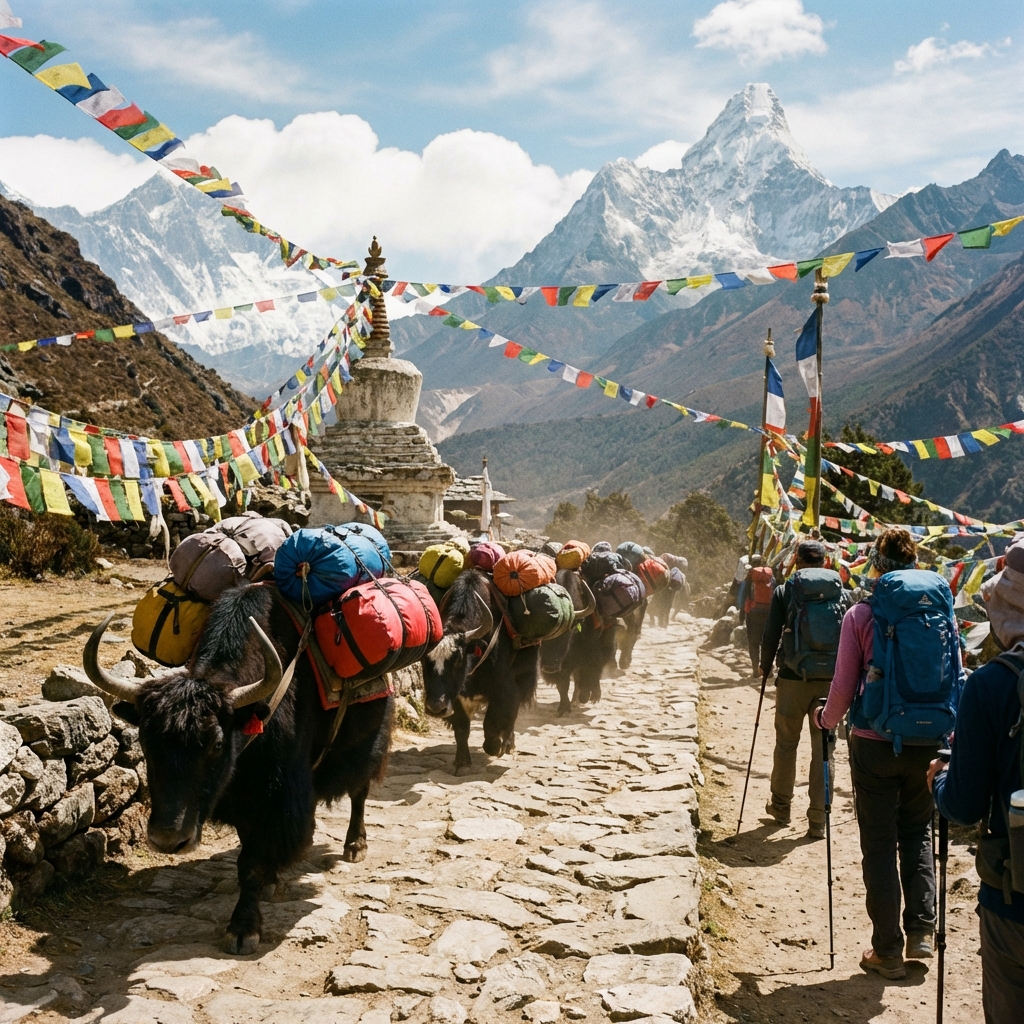
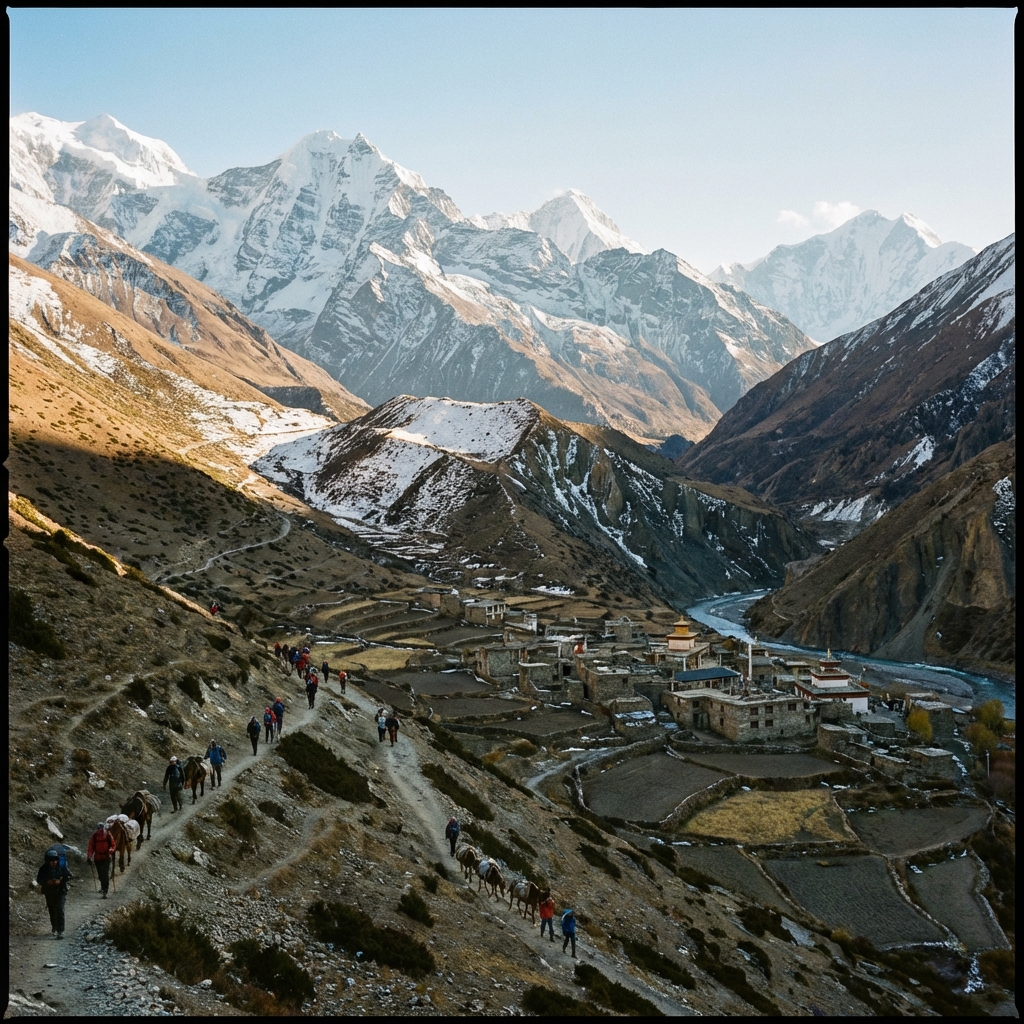
Nepal's trekking industry owes its existence to porters. These remarkable individuals carry loads through some of the world's most challenging terrain, enabling hundreds of thousands of trekkers each year to experience the majesty of the Himalayas. Yet behind the stunning mountain vistas and life-changing adventures, a troubling reality persists: porter exploitation remains widespread, with many porters enduring dangerous overloading, inadequate equipment, unfair wages, and hazardous working conditions.
This comprehensive guide examines the ethics of porter employment in Nepal, providing trekkers with the knowledge and tools to ensure their adventures contribute positively to porter welfare rather than perpetuating harmful practices. Whether you are planning your first trek or are a seasoned Himalayan traveler, understanding porter ethics is fundamental to responsible trekking.
Over 100,000 seasonal workers
NPR 1,500-2,000 minimum
30 kg (including personal gear)
50-100 from cold/altitude
Estimated 60-70%
IPPG, KEEP Nepal, TAAN
18-45 years
Solukhumbu, Mustang, Manang
Introduction: Why Porter Ethics Matter
Every year, approximately 150,000 to 200,000 international trekkers visit Nepal, with the Everest and Annapurna regions attracting the vast majority. Behind nearly every successful trek stands an army of porters—individuals from rural mountain communities who carry supplies, equipment, and personal belongings that make trekking possible.
The economic importance of portering cannot be overstated. For many families in remote Himalayan villages, seasonal portering income represents the primary source of cash earnings. This income funds children's education, healthcare, home improvements, and basic necessities that would otherwise be unattainable. When practiced ethically, the porter-trekker relationship creates genuine economic opportunity and cross-cultural exchange.
However, the porter industry also harbors serious problems. Exploitation takes many forms: excessive loads that cause permanent spinal injuries, inadequate clothing and equipment that leads to frostbite and hypothermia, minimal or nonexistent insurance coverage, and wages that fail to reflect the grueling nature of the work. Every trekking season, porters die on Nepal's trails—deaths that are almost entirely preventable with proper equipment, reasonable loads, and appropriate care.
Your choices as a trekker directly impact porter welfare. The agency you book with, the questions you ask, the observations you make on the trail, and the actions you take when witnessing mistreatment all contribute to either perpetuating or challenging the status quo. This guide empowers you to make informed, ethical choices.
The Hidden Cost of Budget Trekking
When an agency offers prices significantly below market rates, someone is paying the difference. That "someone" is often the porter—through lower wages, excessive loads (one porter doing the work of two), inadequate equipment, or nonexistent insurance. The cheapest trek is rarely the most ethical trek. Be wary of deals that seem too good to be true.
The Reality of Porter Work in Nepal
Understanding what porters actually experience provides crucial context for ethical decision-making. Porter work is among the most physically demanding occupations on Earth, conducted in some of the planet's harshest environments.
Who Becomes a Porter?
Porters in Nepal come from diverse backgrounds, but certain patterns emerge:
Demographics:
- Predominantly male, though female porters exist (often facing additional challenges)
- Ages typically range from 18 to 45, though both younger and older porters work
- Often from ethnic groups with historical ties to mountain regions: Sherpa, Rai, Tamang, Gurung, Magar
- Increasingly, porters come from lower-altitude regions seeking economic opportunity
- Educational backgrounds vary from none to high school, occasionally college students earning money between terms
Economic Circumstances:
- Most are from families where agriculture alone cannot meet financial needs
- Seasonal work—peak seasons (October-November, March-May) provide majority of annual income
- Many are primary breadwinners supporting extended families
- Some are working to fund their own education or training for other careers
The Physical Demands
Porter work exacts a severe physical toll that many trekkers fail to appreciate fully:
The Load: Ethical standards call for maximum loads of 30 kg (including the porter's personal gear). In practice, loads of 40-60 kg remain common on some routes, with documented cases of loads exceeding 80 kg. These weights are carried using traditional woven baskets (dokos) secured by head straps (namlos), placing enormous stress on the neck, spine, and legs.
The Terrain: Porters traverse the same challenging trails as trekkers—steep ascents, technical descents, rocky paths, river crossings—but do so while carrying substantial weight. They often walk faster than trekkers to complete round trips, sometimes hiking 30+ km per day with full loads.
The Environment: Porters work in conditions that push human physiology to its limits:
- Extreme altitude (trails reaching 5,000m+ on high passes)
- Temperatures ranging from scorching heat at lower elevations to severe sub-zero conditions at altitude
- Monsoon rains, snow, ice, and unpredictable weather events
- Limited shelter opportunities when caught in storms
The Cumulative Impact: Long-term portering takes a measurable toll:
- Chronic back problems affect the majority of career porters
- Knee and joint degeneration from repeated loaded descents
- Altitude-related health issues from repeated exposure without proper acclimatization
- Respiratory problems from dust and cold air
- Higher rates of certain cancers (possibly linked to carrying kerosene and other substances)
Observe, Don't Just Trek
While trekking, pay attention to porters on the trail. Notice their loads, their footwear, their clothing. Are they wearing adequate gear for the conditions? Do their loads look reasonable or excessive? These observations help you understand the reality of porter work and identify potential ethical concerns.
The Exploitation Continuum
Porter treatment in Nepal exists on a spectrum. Understanding this continuum helps identify ethical concerns:
Best Practices (Ethical Agencies):
- Loads strictly limited to 25-30 kg
- Quality equipment provided (jackets, boots, sleeping bags)
- Same quality food and accommodation as trekkers
- Comprehensive insurance coverage
- Fair wages paid reliably
- Training and advancement opportunities
Common Practices (Average Agencies):
- Loads of 30-40 kg (above recommendations but not extreme)
- Basic equipment provided, quality variable
- Adequate but separate food and accommodation
- Basic insurance coverage
- Market-rate wages
- Limited advancement opportunities
Exploitative Practices (Unethical Operations):
- Loads exceeding 40-50 kg
- Inadequate or no equipment provided
- Poor quality food, inferior accommodation (or sleeping outside)
- No insurance coverage
- Below-market wages or payment delays
- No advancement opportunities, disposable workforce mentality
Fair Wage Standards
Understanding fair wages helps you evaluate agencies and ensure porters are properly compensated for their demanding work.
2026 Wage Guidelines
Minimum Ethical Daily Wages:
- Basic Porter (lower elevations): NPR 1,500-1,800 per day
- High-Altitude Porter (above 4,000m): NPR 1,800-2,200 per day
- Technical/Expedition Porter: NPR 2,200-3,000+ per day
These figures represent the daily wage only. Additional costs that should be covered include:
Beyond Base Wages:
- Food: NPR 800-1,200 per day (three meals plus tea)
- Accommodation: NPR 300-600 per night (proper indoor sleeping, not kitchens or storage)
- Equipment: Either provided or rental costs covered
- Insurance: NPR 50-100 per day equivalent
- Transportation: To and from trailhead
Understanding Total Compensation: When evaluating agencies, ask about total porter compensation, not just the daily wage. A "fair" daily wage means little if porters must pay for their own food, accommodation, and equipment from that amount.
Context: The Cost of Living
To understand what these wages mean, consider the Nepali context:
Urban Nepal (Kathmandu):
- Basic meal at local restaurant: NPR 150-300
- Monthly apartment rent (modest): NPR 8,000-15,000
- Monthly family groceries: NPR 10,000-20,000
Rural Mountain Communities:
- Many costs are lower, but access to goods is limited
- School fees (per child, per year): NPR 5,000-30,000+
- Medical costs can be catastrophic for families without savings
A porter earning NPR 1,500/day for 60 working days per season earns approximately NPR 90,000 per season—meaningful income, but far from comfortable by any standard when supporting a family.
Currency Context
As of February 2026, NPR 1,500 equals approximately USD 11-12. While this may seem low by Western standards, it represents reasonable wages within the Nepali economy when combined with proper food, accommodation, and equipment provision. The key is ensuring porters receive total compensation that reflects the difficulty and danger of their work.
Wage Red Flags
Be concerned if you discover:
- Daily wages below NPR 1,200 (exploitation territory)
- Porters paying for their own food from wages
- End-of-trek payment only (creates vulnerability to wage theft)
- Vague answers about porter compensation
- Significant discrepancy between what you paid and what porters receive
Proper Equipment Requirements
Inadequate equipment is a leading cause of porter deaths and injuries. Understanding what porters need helps you verify ethical practices.
Essential Equipment for High-Altitude Trekking
Footwear:
- Sturdy trekking boots with ankle support (not flip-flops or worn-out shoes)
- Proper fit (many porters suffer in ill-fitting donated shoes)
- Adequate tread for snow and ice conditions
- Gaiters for snow conditions
Clothing:
- Warm insulating jacket (down or synthetic)
- Waterproof outer layer (jacket and pants)
- Multiple warm layers (fleece or wool)
- Thermal base layers for high altitude
- Warm hat covering ears
- Gloves or mittens (warm and waterproof for snow conditions)
- Sunhat for lower elevations
Sleeping:
- Proper sleeping bag rated for conditions (often -15C or lower at high altitude)
- Sleeping mat or pad when camping
Protection:
- Quality sunglasses with UV protection (snow blindness is a real risk)
- Sunscreen
- Water bottle or hydration system
Carrying Equipment:
- Well-maintained doko (basket) and namlo (head strap) in good condition
- Alternative: modern carrying frame for heavy loads
The Equipment Gap Reality
Despite clear needs, many porters work without adequate equipment:
Common Deficiencies:
- Flip-flops or worn-out sneakers instead of trekking boots
- Single thin jacket instead of proper insulation
- No rain protection
- No sunglasses (leading to snow blindness)
- Shared sleeping bags or no sleeping bags at all
- Torn or damaged carrying equipment
Why Equipment Gaps Persist:
- Cost: Quality equipment represents significant investment
- Turnover: Agencies hesitate to invest in equipment for seasonal workers
- Responsibility confusion: Agencies may expect porters to bring their own gear
- Enforcement: No systematic inspection of porter equipment
Equipment Inspection Matters
Before your trek begins, inspect the equipment provided to your porters. If you see inadequate footwear, insufficient warm clothing, or missing sunglasses, address this immediately with your agency. Offer to rent or purchase necessary items if needed. A porter without proper equipment at high altitude is a porter at risk of injury or death.
Maximum Load Limits
Load weight is perhaps the most visible indicator of ethical porter treatment—and one of the most commonly violated standards.
The 30 kg Standard
The International Porter Protection Group (IPPG) establishes clear guidelines:
Maximum Recommended Load: 30 kg total
- This includes the porter's personal gear (typically 5-7 kg)
- Client gear should not exceed 20-25 kg
- Loads should be weighed before departure and at checkpoints
Why Load Limits Matter
Immediate Risks of Overloading:
- Acute back injuries and muscle strains
- Falls and accidents due to imbalanced loads
- Faster fatigue leading to poor decisions
- Increased altitude sickness risk (body under greater stress)
- Inability to respond quickly to emergencies
Long-Term Health Consequences:
- Chronic spinal deformities and disc problems
- Permanent joint damage
- Shortened career span
- Reduced quality of life in later years
The Overloading Reality
Despite clear standards, overloading remains endemic:
Why Overloading Continues:
- Economics: Carrying more per porter reduces agency costs
- Pressure: Porters may accept excessive loads to keep jobs
- Culture: Historical normalization of heavy loads
- Enforcement: No systematic weighing or penalties
Documented Extremes: Researchers and advocacy groups have documented loads exceeding 60-80 kg in various Nepali trekking regions. These loads are not merely unethical—they are dangerous and contribute directly to porter deaths and permanent disabilities.
Weigh Before You Go
Ask your agency to weigh porter loads before departure. Better agencies do this automatically. If loads exceed 30 kg, redistribute weight, hire an additional porter, or carry more yourself. Never allow excessive loads to be carried on your behalf—you share moral responsibility for the consequences.
What You Can Do
Before Trekking:
- Pack light (every kg you save benefits porters)
- Ask agencies about their load limit policies
- Budget for additional porters if needed
During Trekking:
- Observe porter loads on the trail
- Offer to carry more personal items yourself
- Speak up if you observe excessive loads
After Witnessing Violations:
- Report to IPPG, KEEP, or TAAN
- Leave detailed reviews mentioning porter treatment
- Share information with future trekkers
Insurance and Medical Coverage
Insurance represents a critical yet frequently neglected aspect of porter welfare. When accidents occur—and in this dangerous profession, they do occur—the presence or absence of insurance can mean the difference between treatment and catastrophe for porter families.
What Insurance Should Cover
Minimum Coverage Requirements:
- Medical treatment for illness and injury
- Emergency helicopter evacuation
- Repatriation of remains in case of death
- Accidental death and disability benefits
- Coverage valid for the trek's altitude and duration
Adequate Coverage Amounts:
- Medical expenses: Minimum NPR 500,000 (approx. USD 4,000)
- Evacuation: Full cost coverage (can exceed USD 5,000)
- Accidental death: Minimum NPR 500,000 to family
- Disability: Proportional benefits based on severity
The Insurance Gap
The reality of porter insurance in Nepal is troubling:
Estimated Insurance Coverage:
- Approximately 30-40% of porters have any insurance coverage
- Of those insured, many have inadequate coverage amounts
- Policy validity often not verified
- Claims processes can be complex and deny legitimate claims
Why Insurance Gaps Exist:
- Cost: Insurance represents additional expense for agencies
- Short-term thinking: Agencies may gamble on no accidents
- Enforcement: No mandatory verification system
- Porter awareness: Many porters don't know their rights
Verification Steps
Before Your Trek:
- Ask your agency directly: "Do all porters have insurance?"
- Request to see insurance documents (legitimate agencies will provide)
- Verify coverage amounts and validity dates
- Confirm insurance covers the specific route and altitude
- If insurance is absent, either insist on coverage or choose another agency
What to Look For:
- Named insurance provider (legitimate company)
- Policy number and validity dates
- Coverage amounts for medical, evacuation, death
- Contact information for claims
Verbal Assurances Are Not Enough
"Yes, our porters are insured" is a common response that may or may not reflect reality. Request documentation. Ethical agencies will readily provide proof of insurance. Agencies that become evasive or defensive when asked may be hiding inadequate coverage.
How to Verify an Ethical Agency
Choosing an ethical agency is the single most impactful decision you can make for porter welfare. These verification steps help identify agencies committed to ethical practices.
Pre-Booking Research
Online Verification:
- TAAN Registration: Check the Trekking Agencies' Association of Nepal (TAAN) registry for registered agencies
- Reviews Analysis: Read TripAdvisor, Google Reviews, and travel forums specifically for mentions of porter treatment
- Website Examination: Look for explicit ethical commitments, porter welfare policies, and transparency about pricing
- Certification Checks: Some agencies hold ethical certifications (though absence doesn't necessarily indicate problems)
Direct Communication: When contacting agencies, ask specific questions:
- "What is your policy on porter load limits?"
- "Do you provide equipment to porters, or must they bring their own?"
- "What insurance coverage do your porters have?"
- "Where do porters sleep and eat during the trek?"
- "What are your porter wage rates?"
- "How do you handle porter illness or injury during treks?"
Red Flags in Responses:
- Vague or evasive answers
- Claims that these questions are unusual or unnecessary
- Significantly lower prices than comparable agencies
- Pressure to book quickly without addressing concerns
- Inability to provide documentation when requested
On-the-Ground Verification
In Kathmandu/Pokhara:
- Visit the agency office in person
- Ask to meet the porters assigned to your trek
- Inspect equipment that will be provided
- Request written confirmation of porter terms
- Verify TAAN registration certificate is displayed
At Trek Start:
- Observe porter loads being packed
- Ask for loads to be weighed if concerned
- Check porter equipment adequacy
- Confirm porter understanding of route and expectations
- Ensure porters have your contact information and vice versa
Ethical Agency Indicators
Strong Indicators of Ethical Practices:
- Transparent pricing breakdown (what goes to guides, porters, etc.)
- Written porter welfare policies readily available
- Membership in ethical tourism organizations
- Willingness to answer detailed questions without defensiveness
- Long-term relationships with porters (not just casual labor)
- Training and advancement programs for staff
- Porter representation in company decisions
- Regular equipment inspection and replacement protocols
Organizations and Certifications to Look For:
- KEEP Nepal (Kathmandu Environmental Education Project) partner
- Travelife certification
- IPPG supporter
- Member of sustainable tourism networks
Ask About Long-Term Relationships
Ask agencies about their porter hiring practices. Ethical agencies often have long-term relationships with specific porters, providing consistent employment and investment in their development. "We hire whoever is available at the trailhead" suggests a more transactional, potentially exploitative approach.
Your Responsibilities as a Trekker
Ethical trekking extends beyond choosing a good agency. Your behavior and decisions throughout the trek impact porter welfare.
Before the Trek
Packing Considerations:
- Pack as light as possible (recommended: less than 15 kg for porters to carry)
- Prioritize essentials over comfort items
- Consider weight when purchasing gear
- Bring high-quality, compact items rather than heavy alternatives
Financial Preparation:
- Budget for fair tipping (addressed separately below)
- Carry small bills for tips and direct support
- Set aside emergency fund for equipment needs that may arise
- Don't bargain aggressively on agency prices (someone pays the difference)
Knowledge Preparation:
- Learn basic Nepali phrases (shows respect)
- Understand porter rights and ethical standards
- Know warning signs of altitude sickness (in yourself AND porters)
- Research organizations working on porter welfare
During the Trek
Daily Interactions:
- Learn your porter's name and use it
- Greet porters each morning and acknowledge their work
- Treat porters as valued team members, not servants
- Include porters in conversations when possible
- Never publicly criticize or humiliate porters
Practical Support:
- Ensure porters are eating adequately (observe at meal times)
- Verify porters have proper sleeping arrangements
- Offer hot drinks (tea, coffee) during cold weather
- Share snacks and treats as appropriate
- Carry some of your own weight if possible
Health Monitoring:
- Watch for signs of altitude sickness in porters (they may not report symptoms)
- Notice exhaustion, unusual behavior, or health concerns
- Insist on rest days if porters appear unwell
- Support descent decisions if altitude sickness is suspected
- Porters deserve the same altitude care as trekkers
Load Vigilance:
- Periodically observe porter loads
- If loads appear excessive, raise concerns with your guide
- Offer to redistribute weight or hire additional support
- Document any concerns for post-trek reporting
After the Trek
Immediate Actions:
- Tip generously and directly (see tipping section)
- Thank porters personally and sincerely
- Exchange contact information if desired
- Request photos be shared with porters
Follow-Up Actions:
- Write detailed reviews mentioning porter treatment
- Report any ethical concerns to appropriate organizations
- Share experiences with future trekkers
- Consider supporting porter welfare organizations
- Maintain contact if meaningful relationships developed
Language Barriers
Most porters speak limited English. This shouldn't prevent connection. Simple gestures, shared smiles, offering food or drink, and basic Nepali phrases (dhanyabad - thank you, namaste - hello/goodbye) communicate respect across language barriers. Your effort to connect is meaningful even when words fail.
What to Do If You See Mistreatment
Witnessing porter mistreatment creates a difficult situation. These guidelines help you respond effectively.
Recognizing Mistreatment
Clear Indicators:
- Loads visibly exceeding 30-40 kg
- Porters wearing inadequate clothing for conditions (flip-flops in snow, no jacket in cold)
- Porters sleeping outside or in kitchens while clients sleep in rooms
- Porters receiving visibly inferior food or no food
- Porters showing signs of illness but continuing to work
- Verbal abuse or disrespectful treatment by guides or agency staff
- Porters showing signs of frostbite, hypothermia, or altitude sickness
Subtle Indicators:
- Porters avoiding eye contact or showing fear
- Porters not eating during meal times
- Equipment in poor condition
- Porters working despite obvious injury
- Significant age discrepancy (very young or very old porters)
Immediate Response
For Your Own Trek:
-
Address Concerns with Guide First:
- Raise concerns calmly and privately
- Be specific about what you observed
- Request immediate remediation
-
Escalate to Agency if Needed:
- Contact agency office by phone or message
- Document your concerns in writing
- Set clear expectations for resolution
-
Take Direct Action When Possible:
- Offer to carry more weight yourself
- Pay for additional porter to reduce loads
- Purchase or rent needed equipment
- Provide food, drink, or medical supplies
-
Document Everything:
- Photos of loads, equipment, conditions
- Names of agency, guides, porters
- Dates, locations, specific observations
- Written timeline of events
For Others' Treks:
Witnessing mistreatment of porters not on your trek is more challenging:
-
Assess Safely:
- Don't create confrontation with unknown parties
- Consider language and cultural barriers
- Recognize your limitations as an outsider
-
Document Discreetly:
- Photos from distance if possible
- Note agency name, location, date
- Count approximate number of affected porters
-
Report After:
- Share information with IPPG, KEEP, or TAAN
- Post on trekking forums to warn others
- Provide details to your own agency (ethical agencies will follow up)
Reporting Organizations
International Porter Protection Group (IPPG):
- Primary international organization focused on porter welfare
- Accepts reports of mistreatment
- Works with agencies on improvement
- Website: ippg.net
KEEP Nepal (Kathmandu Environmental Education Project):
- Leading Nepali organization for responsible tourism
- Porter welfare is core focus
- Training programs and agency partnerships
- Office in Thamel, Kathmandu
TAAN (Trekking Agencies Association of Nepal):
- Industry association with ethical standards
- Can investigate member agency complaints
- Office in Kathmandu
- Limited enforcement power but provides industry pressure
Nepal Tourism Board:
- Government body with regulatory authority
- Accepts formal complaints
- Slower response but official record
Balance Urgency with Safety
While porter welfare is important, responding to mistreatment must balance urgency with safety considerations. Don't physically intervene in confrontational situations. Don't put yourself at risk. Document and report—these actions create lasting change more effectively than individual confrontations.
Organizations Working for Porter Welfare
Understanding the landscape of porter welfare organizations helps you support meaningful change and access resources.
International Porter Protection Group (IPPG)
Mission: Improve the safety, health, and welfare of mountain porters worldwide
Key Activities:
- Establishing and promoting porter welfare standards
- Training programs for agencies and guides
- Research on porter conditions and health
- Advocacy with governments and industry
- Emergency assistance for injured porters
Standards Promoted:
- Maximum 25 kg loads (30 kg including personal gear)
- Adequate equipment provision
- Insurance coverage
- Fair wages
- Equal food and accommodation
- Medical treatment access
How to Support:
- Donate directly to IPPG programs
- Report mistreatment observations
- Choose agencies that follow IPPG guidelines
- Spread awareness among fellow trekkers
KEEP Nepal
Mission: Promote sustainable mountain tourism in Nepal through environmental education and responsible trekking practices
Key Activities:
- Porter welfare training programs
- Environmental education for trekkers
- Agency partnership development
- Community-based tourism support
- Resource center in Thamel
Programs:
- Porter training workshops
- Equipment provision initiatives
- Health screening programs
- Rescue insurance support
- Community education
How to Engage:
- Visit the KEEP center in Thamel
- Attend pre-trek orientation sessions
- Donate to porter welfare programs
- Choose KEEP partner agencies
- Volunteer if staying long-term in Nepal
Other Organizations
Porters' Progress:
- UK-based charity focusing on porter welfare
- Equipment distribution programs
- Medical support initiatives
- Education for porters' children
Tourism Cares:
- Global responsible tourism organization
- Nepal-focused projects
- Industry partnerships for improvement
- Emergency response support
Local Initiatives:
- Various community-based organizations
- Temple lodges supporting porter rest and recovery
- Regional welfare committees
- Guide associations with porter programs
Tips for Direct Porter Support
Beyond choosing ethical agencies, trekkers can directly support porter welfare through thoughtful actions.
Tipping Guidelines
Recommended Tip Amounts (2025):
- Basic Porter (7-14 day trek): NPR 3,000-5,000 (USD 25-40)
- High-Altitude Porter: NPR 5,000-8,000 (USD 40-65)
- Exceptional Service: NPR 8,000-12,000+ (USD 65-100+)
Tipping Best Practices:
- Tip in cash directly to the porter (not through guides or agencies)
- Tip at the end of the trek in a private moment
- Include a genuine verbal thank you
- Consider a small written note if language allows
- Tip in local currency when possible (NPR)
Factors Affecting Tip Amount:
- Trek length and difficulty
- Quality of service and attitude
- Conditions encountered
- Your budget and satisfaction
- Number of porters serving you
Equipment Donations
What to Donate:
- Warm jackets and fleeces (gently used or new)
- Quality trekking boots (proper sizes needed)
- Sleeping bags (synthetic preferred for durability)
- Warm hats, gloves, socks
- Sunglasses with UV protection
- Thermal underwear
- Rain jackets
Donation Best Practices:
- Donate directly to your porter at trek end
- Ensure items are clean and in good condition
- Consider sizing (ask porters what they need)
- Coordinate with agencies for distribution to those in need
- Donate to organizations like KEEP for wider distribution
Avoid:
- Worn-out items you would throw away
- Items inappropriate for conditions (fashion over function)
- Creating dependency or expectation
- Donations that might be sold rather than used
Financial Support
Direct Support:
- Contribute to porter emergency funds
- Sponsor equipment purchases through agencies
- Support porter children's education
- Contribute to medical treatment costs
Organizational Support:
- Donate to IPPG, KEEP, or similar organizations
- Support porter training programs
- Fund equipment distribution initiatives
- Contribute to insurance subsidies
Knowledge Sharing
Spread Awareness:
- Share porter welfare information with fellow trekkers
- Write detailed reviews including porter treatment observations
- Post on travel forums and social media
- Recommend ethical agencies to others
- Call out unethical practices publicly when documented
Meaningful Gestures
Sometimes the most meaningful support isn't financial. Learning a porter's name, sharing photos, staying in touch via Facebook or WhatsApp, sending postcards from home—these gestures communicate that porters are valued as individuals, not just labor. The human connection matters alongside material support.
Environmental Responsibility While Trekking
Ethical trekking extends beyond porter welfare to environmental stewardship. These practices protect the landscapes porters work in and communities depend upon.
Leave No Trace Principles
Core Practices:
- Pack It In, Pack It Out: Carry all trash until proper disposal is possible
- Minimize Campfire Impacts: Use existing fire rings, keep fires small, burn wood completely
- Respect Wildlife: Observe from distance, don't feed animals, secure food properly
- Stay on Trails: Avoid creating new paths and damaging vegetation
- Leave What You Find: Don't collect plants, rocks, artifacts, or cultural items
- Be Considerate of Others: Yield to uphill hikers, keep noise reasonable
Waste Management
Your Responsibilities:
- Carry reusable water bottles (avoid single-use plastic)
- Bring bags for your trash
- Use toilet facilities properly
- Dispose of human waste responsibly when facilities unavailable
- Minimize packaging before trek begins
The Porter Connection: Porters often carry trash as part of their loads. Minimizing waste reduces porter burden. Some ethical agencies include specific porter loads for trail cleanup—supporting these agencies supports environmental efforts.
Water and Resources
Water Practices:
- Use water purification instead of buying bottled water
- Avoid contaminating water sources
- Don't waste water at lodges (water must be carried or pumped)
- Use eco-friendly soaps and detergents (if any)
Energy Conservation:
- Minimize electrical usage at tea houses
- Don't leave devices charging unnecessarily
- Use solar chargers when possible
- Turn off lights and heaters when not needed
Cultural and Religious Respect
Sacred Sites:
- Remove shoes when requested
- Walk clockwise around stupas and mani walls
- Ask permission before photographing religious ceremonies
- Don't touch religious artifacts
- Dress modestly at religious sites
Community Respect:
- Ask permission before photographing people
- Don't give candy or money to children (creates begging culture)
- Support local businesses rather than imported goods
- Respect local customs and traditions
- Learn basic cultural etiquette before arrival
The Interconnection
Environmental degradation affects porters directly. Climate change alters trail conditions and increases hazards. Deforestation eliminates shelter and fuel sources. Pollution damages water supplies communities depend upon. Protecting the environment protects the people who work in it—including the porters who make your trek possible.
Frequently Asked Questions
Conclusion: The Ethical Trekker's Commitment
The mountains of Nepal offer transformative experiences—physical challenges, spiritual renewal, cultural immersion, and encounters with some of Earth's most spectacular landscapes. These experiences exist because of porters. Every step toward Everest Base Camp, every sunrise viewed from Annapurna, every pass crossed in the Himalaya is made possible by individuals carrying loads that would break most of us.
Ethical trekking isn't about perfection. It's about awareness, intention, and action. It's about choosing agencies that prioritize people over profits. It's about observing, questioning, and speaking up when something seems wrong. It's about treating porters as the essential partners they are, not as invisible labor.
The ethical trekker's commitment:
- I will research agencies and choose those committed to porter welfare
- I will pack light and never allow excessive loads to be carried on my behalf
- I will ensure porters on my trek have adequate equipment for conditions
- I will verify insurance coverage and fair wage practices
- I will treat porters with respect, learn their names, and acknowledge their work
- I will observe conditions throughout my trek and raise concerns when needed
- I will tip generously and directly
- I will report mistreatment to appropriate organizations
- I will share my knowledge with fellow trekkers
- I will support organizations working for porter welfare
The trekking industry can change. It changes one trekker decision at a time, one agency policy at a time, one porter whose life is improved by fair treatment. Your choices matter. Your questions matter. Your willingness to pay fair prices and demand ethical practices matters.
The mountains will always be there. Let us ensure the people who carry us to them are there too—healthy, fairly compensated, and treated with the dignity every human being deserves.
Trek responsibly. Trek ethically. Trek with awareness.
Namaste.
Data Sources:
- International Porter Protection Group (IPPG)
- KEEP Nepal
- Trekking Agencies Association of Nepal (TAAN)
- Nepal Tourism Board
- Interviews with trekking agency operators (2026/2027)
- Field research in Everest and Annapurna regions (2024)
- Porter welfare studies and academic research