
3-5 days in Kathmandu
NPR 1,500-1,800 (foreigners)
NPR 1,000 (foreigners)
32 km, 1-1.5 hours drive
$2 per day at Immigration Office
NPR 1,500-4,000 per session
$70-100 USD for tandem flight
NPR 100-200 per kg in Thamel
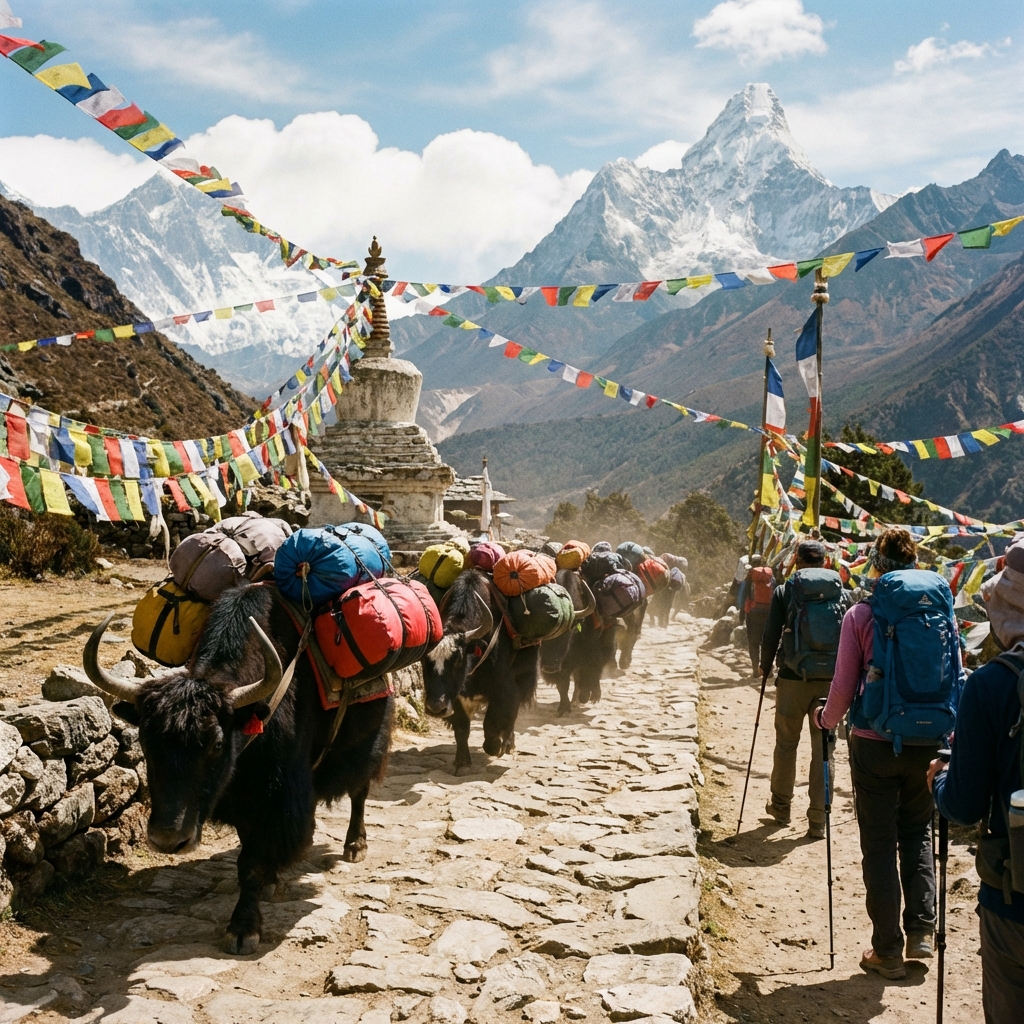
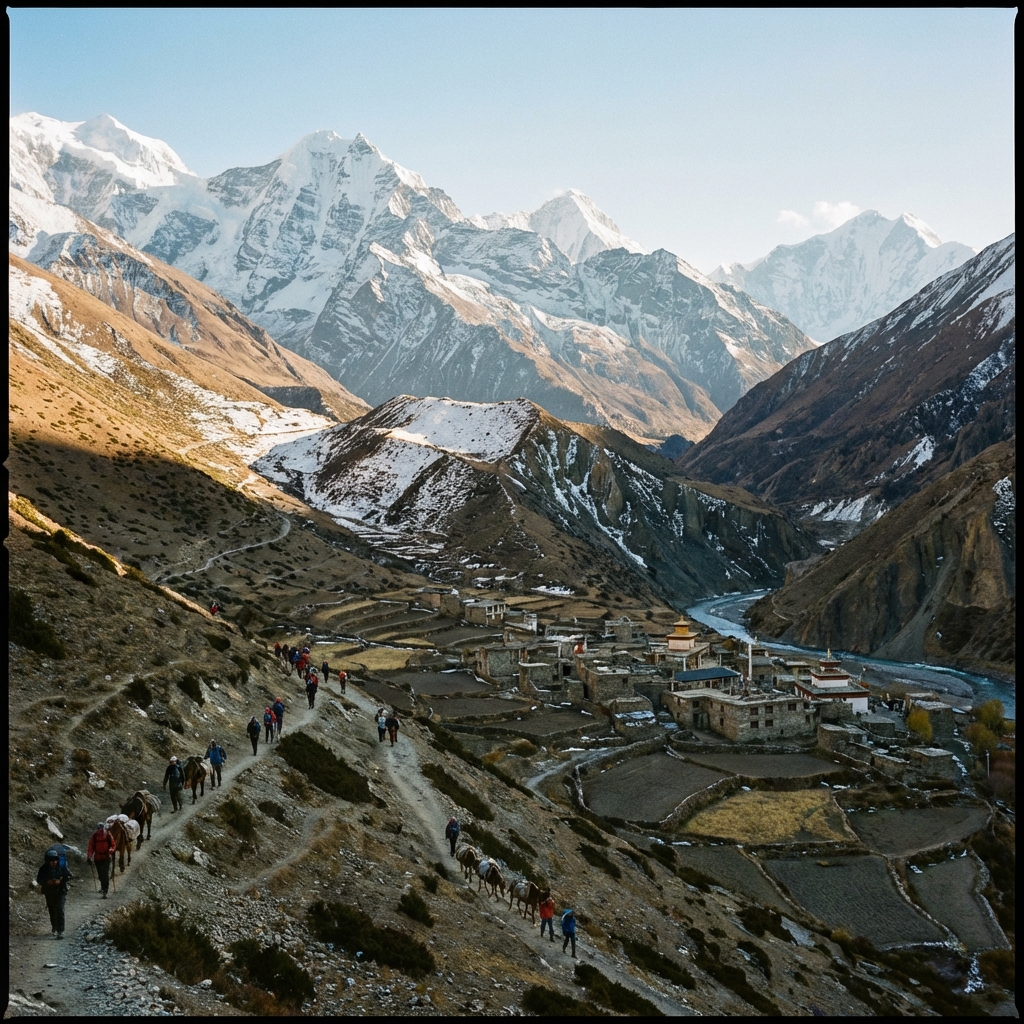
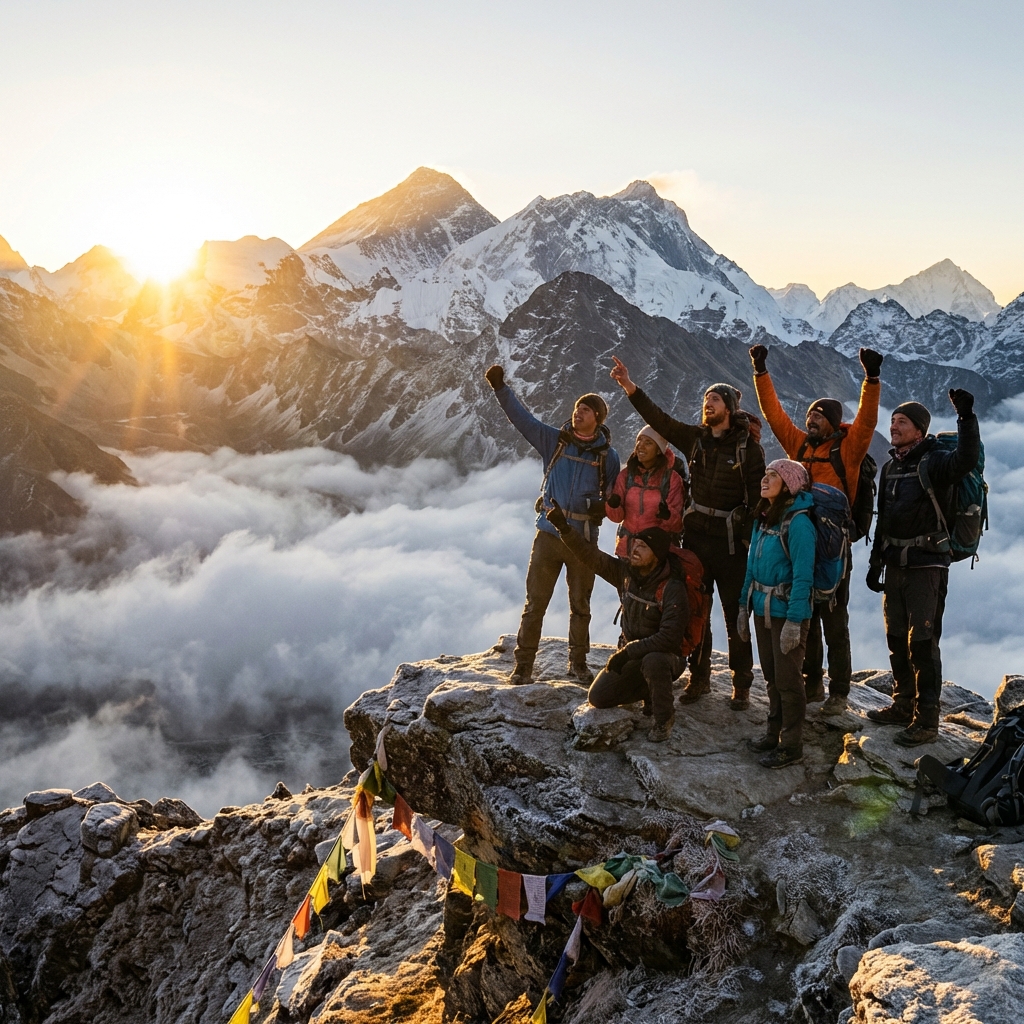
You have just returned from the mountains. Your legs are tired, your boots are dusty, and your mind is still processing the enormity of what you have accomplished. Whether you descended from Everest Base Camp, completed the Annapurna Circuit, or finished any of Nepal's incredible trekking routes, you now find yourself back in Kathmandu with a few days before your flight home. This is a golden opportunity -- do not waste it by sitting in your hotel room scrolling through your trek photos.
Kathmandu and its surrounding valley are packed with cultural treasures, relaxation opportunities, adventure activities, and practical tasks that deserve your attention. The post-trek period is also a crucial recovery window, so this guide balances rest and activity to help your body heal while ensuring you make the most of your remaining time in Nepal.
This guide covers everything from world-class UNESCO heritage sites to where to get the best massage in Thamel, from selling your leftover gear to extending your visa if you decide Nepal deserves more of your time.
Day 1: Rest, Recover, and Reorient
Morning: Sleep In and Slow Start
Your first day back in Kathmandu should prioritize recovery. After days or weeks on the trail, your body needs rest. Read our complete post-trek recovery guide for detailed recovery advice.
- Sleep as long as your body wants. After poor sleep at altitude, your body is catching up. Ten to twelve hours is perfectly normal.
- Take a long, hot shower. After days of bucket washes or no washing at all, a proper hot shower is therapeutic. Most mid-range and above hotels in Thamel have reliable hot water.
- Order room service or eat at your hotel restaurant. You do not need to navigate Kathmandu's chaotic streets on day one.
Afternoon: Gentle Thamel Exploration
Once you have rested, take a gentle walk through Thamel. The contrast between the quiet mountain trails and Thamel's sensory overload can be jarring, so take it slowly.
Afternoon activities:
- Garden of Dreams (Swapna Bagaicha): A beautiful neoclassical garden just a 5-minute walk from central Thamel. Entry is NPR 400, and it offers a peaceful escape from the chaos. There is a cafe inside serving decent coffee and snacks. Spend an hour here with a book or just sitting quietly.
- Gear assessment: Walk through your hotel room and sort your gear into keep, return, and sell piles. This saves time later.
- Money exchange: If you are running low on Nepali rupees, exchange money at one of Thamel's many money changers. Rates are better here than at the airport.
Evening: Your First Real Meal
After weeks of dal bhat, momos, and limited menu variety on the trail, Kathmandu's restaurant scene will feel overwhelming in the best possible way.
Top restaurant recommendations for returning trekkers:
| Restaurant | Location | Cuisine | Price Range (per person) | Best For |
|---|---|---|---|---|
| OR2K | Thamel | Mediterranean/Vegetarian | NPR 800-1,500 | Healthy recovery meals |
| Fire and Ice Pizzeria | Thamel | Italian | NPR 1,000-2,000 | Pizza cravings |
| Bhojan Griha | Dillibazar | Traditional Nepali | NPR 2,500-3,500 | Cultural dining experience |
| Rosemary Kitchen | Thamel | Continental/Nepali | NPR 600-1,200 | Budget-friendly quality |
| Krishnarpan | Dwarika's Hotel | Nepali Fine Dining | NPR 4,000-8,000 | Special occasion |
| Third Eye | Thamel | Indian | NPR 800-1,500 | Rich, flavorful curries |
| Yangling Tibetan | Thamel | Tibetan | NPR 400-800 | Best momos in Thamel |
Pro Tip
Day 2: Cultural Immersion -- Bhaktapur Day Trip
Why Bhaktapur
Bhaktapur is the crown jewel of the Kathmandu Valley's three ancient cities, and it is the one least affected by modernization. While Kathmandu and Patan have been absorbed into the greater metropolitan sprawl, Bhaktapur retains its medieval character. The entire city is a living museum of Newari architecture, craftsmanship, and culture.
Getting there: Take a local bus from Ratna Park (NPR 30-40, about 45 minutes) or hire a private car or taxi (NPR 1,500-2,500 round trip with waiting time). Taxi is recommended for post-trek comfort.
Entry fee: NPR 1,800 for foreigners. This ticket is valid for your entire stay, including multiple days if you choose to linger.
What to See in Bhaktapur
Bhaktapur Durbar Square:
- The 55 Window Palace (Pachpanna Jhyale Durbar) -- an architectural masterpiece of carved wooden windows
- The Golden Gate (Sun Dhoka) -- considered the finest piece of gilded metalwork in Nepal
- The Vatsala Temple and its famous bell, known as the "Bell of the Barking Dogs" because its ringing allegedly makes dogs howl
- The Palace of Fifty-five Windows
Pottery Square (Bolachhen):
- Watch potters working at their wheels using techniques unchanged for centuries
- Hundreds of pots drying in the sun create incredible photo opportunities
- You can try your hand at the wheel for a small tip
Taumadhi Square:
- The five-story Nyatapola Temple, the tallest pagoda in Nepal
- The Bhairavnath Temple dedicated to the fierce Bhairav deity
Tachupal Tole (Dattatreya Square):
- The Dattatreya Temple, said to be carved from a single tree
- The Pujari Math with its famous Peacock Window, considered the finest piece of carved wood in Nepal
- The Woodcarving Museum and Bronze Museum
Pro Tip
Bhaktapur Food Experiences
- Juju Dhau (King of Yogurt): Bhaktapur's famous creamy yogurt, served in clay pots. You will find it everywhere. Do not leave without trying it.
- Newari feast: Several restaurants in Bhaktapur serve traditional Newari cuisine -- beaten rice (chiura), spiced meat, fermented vegetables, and local spirits.
Day 3: Patan and Kathmandu Heritage
Morning: Patan (Lalitpur)
Patan is the second of the three ancient Kathmandu Valley kingdoms and sits just across the Bagmati River from central Kathmandu. It is known for its artistic heritage -- particularly metalwork, stone carving, and traditional painting.
Getting there: Taxi from Thamel takes 20-30 minutes (NPR 600-1,000). You can also take a local bus from Ratna Park.
Key sites:
- Patan Durbar Square: A UNESCO World Heritage Site with more concentrated Newari architecture than even Bhaktapur. The Krishna Temple (Chyasin Dega) is carved entirely from stone, which is rare for Nepal.
- Patan Museum: Located inside the old Royal Palace, this is widely considered the best museum in Nepal. Its collection of bronze statues, Hindu and Buddhist art, and historical artifacts is exceptional. Entry is NPR 1,000 for foreigners.
- Golden Temple (Hiranya Varna Mahavihar): A 12th-century Buddhist monastery with an ornate golden facade. Entry by donation.
- Mahabouddha Temple: The Temple of a Thousand Buddhas, covered entirely in terracotta tiles each bearing an image of Buddha.
Patan Artisan Workshops
Patan is famous for its metalwork artisans. Many workshops in the old city create traditional bronze statues, singing bowls, and metal crafts using lost-wax casting techniques that are centuries old. You can watch the process and purchase directly from the artisans -- this is both more authentic and more affordable than buying from tourist shops in Thamel.
Afternoon: Kathmandu's Must-See Temples
If you arrived in Kathmandu before your trek and headed straight to the mountains, you likely missed these essential sites. Even if you visited them pre-trek, they are worth revisiting with the perspective that a Himalayan trek provides.
**Boudhanath Stupa entry fee: NPR 400 for foreigners
Swayambhunath (Monkey Temple):
- Perched on a hilltop overlooking the Kathmandu Valley
- Warning: There are 365 steep steps to climb. After your trek, your knees may protest. Take it slowly.
- The sunset views from the top are spectacular
- The resident monkeys are entertaining but guard your belongings
Pashupatinath Temple:
- Nepal's holiest Hindu temple, on the banks of the Bagmati River
- Non-Hindus cannot enter the main temple but can observe from the riverbank
- The cremation ghats are a sobering and powerful experience -- observe respectfully
- Sadhus (holy men) are usually present and will pose for photos (tip expected, NPR 100-200)
- Entry fee: NPR 1,000
Day 4: Relaxation and Practical Tasks
Morning: Spa and Massage
Your body has been through an extraordinary physical challenge, and a professional massage is not a luxury -- it is a recovery essential. Kathmandu and Pokhara have excellent spa options at remarkably affordable prices compared to Western countries. See our detailed massage and spa guide for comprehensive recommendations.
Quick spa recommendations in Thamel area:
- Seeing Hands Nepal: Massage by trained visually impaired therapists. Excellent deep tissue work. NPR 1,500-2,500 per hour. Multiple locations in Thamel.
- Shtrii Spa: Higher-end option with professional therapists. NPR 3,000-6,000. Located near Thamel.
- Thamel Spa: Mid-range option with good reputation. NPR 2,000-3,500. Various locations.
Afternoon: Practical Tasks
Use the afternoon to handle the practical side of post-trek life.
Gear Return and Resale:
If you rented gear from shops in Thamel, return it now. Keep your rental receipts handy.
If you purchased gear for the trek and do not want to carry it home:
- Sell to gear shops: Thamel shops will buy back used gear at 30-50% of what you paid, depending on condition. Negotiate.
- Sell to other trekkers: Post in hostel common rooms or on Facebook groups ("Trekking in Nepal" groups). You will get better prices than from shops.
- Donate: The Porters' Progress organization accepts gear donations that go directly to porters. You can also donate to your trekking agency for their staff.
For more details on Thamel's gear shops and services, see our Thamel district guide.
Laundry:
- Most hotels offer laundry service (NPR 100-200 per kg, returned within 24 hours)
- Express laundry in Thamel can turn around in 4-6 hours for a small surcharge
- If you are on a tight budget, self-service laundromats exist but are rare -- your hotel is usually the best option
Visa Extension:
If you have fallen in love with Nepal (this happens to most people) and want to stay longer:
| Visa Extension Details | Information |
|---|---|
| Where | Department of Immigration, Kalikasthan, Kathmandu |
| Hours | Sunday-Thursday, 10:00 AM - 2:00 PM (application), 3:00-4:00 PM (collection) |
| Cost | $2 per day for the extension period |
| Maximum Stay | 150 days total per calendar year |
| Documents Needed | Passport, passport photo, completed application form |
| Processing Time | Same day (apply morning, collect afternoon) |
| Online Application | Available at immigration.gov.np |
Visa Overstay Penalties
Do not overstay your visa. Nepal charges $5 per day for overstay plus potential complications at departure. If you realize you need more time, extend your visa before it expires. The immigration office process is straightforward and same-day.
Pro Tip
Evening: Rooftop Bars and Nightlife
Kathmandu's nightlife scene has grown significantly, and Thamel offers plenty of options for a celebratory evening.
Top rooftop bars:
- Rum Doodle Bar: The legendary trekkers' bar where summiteers sign the ceiling. A must-visit for anyone who has completed a major trek. Located just off Thamel's main strip.
- Sam's Bar: Live music most evenings, good cocktails, rooftop seating with views.
- Purple Haze Rock Bar: Live rock music, energetic atmosphere, popular with younger crowds.
- Tom & Jerry's Pub: Long-running Thamel institution, good beer selection, pool tables.
Alcohol After Altitude
Your body is still recovering from altitude, and alcohol will hit harder than normal. Dehydration from the trek amplifies alcohol's effects. Drink moderately on your first night out, and alternate alcoholic drinks with water. Your liver and kidneys are still working to clear the metabolic byproducts of sustained altitude exposure.
Day 5: Sunrise and Adventure Options
Option A: Nagarkot Sunrise
Nagarkot is a hilltop village 32 km east of Kathmandu, famous for its panoramic Himalayan views. On a clear day, you can see a stretch of peaks from Dhaulagiri in the west to Everest in the east.
Logistics:
- Depart Kathmandu: 4:00-4:30 AM by taxi or pre-arranged car (NPR 3,000-5,000 round trip)
- Sunrise time: Varies by season (approximately 5:30 AM in October, 6:30 AM in December)
- Duration: 3-4 hours total (including drive time and viewing)
- Best season: October-November and March-April for clearest views
- Accommodation option: Stay overnight in Nagarkot to guarantee early sunrise access. Hotels range from NPR 2,000-15,000 per night.
What you will see: If conditions are clear, the sunrise over the Himalayan range is breathtaking. The peaks turn from grey to pink to gold as the sun rises. After your trek, you will be able to identify many of the peaks you have been walking among.
Pro Tip
Option B: Adventure Activities from Kathmandu
If you still have energy and adrenaline to burn, Nepal offers world-class adventure activities accessible from Kathmandu.
Paragliding (from Pokhara):
- Pokhara is the paragliding capital of Nepal. Tandem flights launch from Sarangkot and soar over Phewa Lake with Annapurna and Machapuchare as a backdrop.
- Cost: $70-100 USD for a 30-minute tandem flight, $130-180 for longer flights with aerobatics
- Note: You need to get to Pokhara first (30-minute flight or 6-7 hour bus/car ride from Kathmandu)
Bungee Jumping (The Last Resort):
- Nepal's famous bungee jump is a 160-meter free fall from a suspension bridge over the Bhote Koshi River gorge
- Located about 3 hours east of Kathmandu near the Tibet border
- Cost: $100-120 USD including transportation from Kathmandu
- Day trips available (depart 7 AM, return by 5 PM)
- This is one of the highest bungee jumps in the world
White Water Rafting:
- The Trisuli River (3 hours from Kathmandu) offers Grade III-IV rapids, perfect for a day trip
- The Bhote Koshi (near the bungee site) offers more extreme Grade IV-V rapids
- Cost: $30-60 USD for Trisuli day trip, $80-120 for Bhote Koshi
- Season: Best from September to November and March to May
Mountain Biking:
- Kathmandu Valley rim rides offer incredible views and challenging terrain
- Nagarkot to Dhulikhel ridge ride is a popular route
- Bike rental: NPR 1,500-3,000 per day for quality mountain bikes
- Guided tours: $40-80 USD including bike, helmet, and guide
| Activity | Location | Duration | Cost (USD) | Difficulty |
|---|---|---|---|---|
| Paragliding | Pokhara | 30 min flight | $70-100 | Easy (tandem) |
| Bungee Jump | Bhote Koshi | Full day from KTM | $100-120 | Moderate (courage needed) |
| Rafting (Trisuli) | 3 hrs from KTM | Full day | $30-60 | Moderate (Grade III-IV) |
| Rafting (Bhote Koshi) | 3 hrs from KTM | Full day | $80-120 | Challenging (Grade IV-V) |
| Mountain Biking | KTM Valley | Half/Full day | $40-80 | Moderate to Challenging |
| Ultralight Flight | Pokhara | 15-30 min | $100-150 | Easy (passenger) |
Option C: Yoga and Meditation Retreat
For a more contemplative post-trek experience, Kathmandu offers excellent yoga and meditation options.
Recommended centers:
- Pranamaya Yoga: Thamel-based, drop-in classes available (NPR 800-1,200 per class). Good for post-trek stretching and recovery.
- Kopan Monastery: Buddhist meditation courses ranging from one day to one month. Located on a hilltop north of Boudhanath with incredible views. Day visits free; courses from $15-30 per day including accommodation and meals.
- Himalayan Yoga Academy: Multi-day yoga retreats and teacher training. Located outside the city for a quieter experience.
Pro Tip
Beyond the Standard Itinerary: Hidden Gems
Kirtipur
This ancient hilltop city, just 5 km southwest of Kathmandu, is one of the valley's least-visited gems. Kirtipur was the last Newari city-state to fall to Prithvi Narayan Shah during his unification of Nepal in the 18th century, and its narrow streets retain an atmosphere of timeless charm.
- Why visit: Almost no tourists, authentic Newari life, incredible panoramic views, excellent Newari food
- Key sites: Bagh Bhairav Temple, Uma Maheshwar Temple, Chilancho Stupa
- Food: Newa Lahana restaurant serves traditional Newari cuisine in a heritage building
- Getting there: Local bus from Ratna Park (NPR 20-30) or taxi (NPR 500-800)
Pharping and Dakshinkali
A half-day trip south of Kathmandu to the village of Pharping and the Dakshinkali Temple.
- Pharping: Important Buddhist pilgrimage site with meditation caves associated with Guru Rinpoche. The Asura Cave and Yangleshod Cave are sacred sites.
- Dakshinkali: A Hindu temple where animal sacrifices are performed on Tuesdays and Saturdays. Not for everyone, but a powerful cultural experience.
- Distance: 22 km from central Kathmandu, about 1 hour by taxi
Chobar Gorge and Manjushri Cave
According to Newari mythology, the Kathmandu Valley was once a lake, and the deity Manjushri cut a gorge at Chobar to drain it, creating habitable land. The geological evidence actually supports this -- the valley was indeed an ancient lake bed.
- Chobar Gorge: Where the Bagmati River cuts through the valley rim. The gorge has a suspension bridge and small temple.
- Adinath Lokeshwar Temple: On the hilltop above the gorge, with views over the valley.
- Distance: 8 km from Thamel, easily reached by taxi
Garden Restaurants and Cafes for Recovery Days
Kathmandu has a growing cafe culture, and its garden restaurants offer peaceful retreats from the city's chaos.
| Restaurant/Cafe | Location | Specialty | Atmosphere |
|---|---|---|---|
| Dhokaima Cafe | Patan | Coffee, brunch, cocktails | Restored heritage building, courtyard |
| Baber Mahal Revisited | South of Durbar Marg | Multiple restaurants in heritage complex | Elegant, peaceful |
| Kaiser Cafe | Garden of Dreams | Coffee, light meals | Inside the Garden of Dreams park |
| Cafe Soma | Jhamsikhel, Patan | Specialty coffee, pastries | Modern, excellent coffee |
| Himalayan Java | Multiple locations | Coffee chain, reliable quality | Varies by location |
| Roadhouse Cafe | Bhatbhateni | Wood-fired pizza, good beer | Garden seating available |
Practical Post-Trek Checklist
Before you leave Kathmandu, make sure you have handled these essential tasks:
Gear Management
- Return all rented gear (check your receipts for deposit refunds)
- Sell or donate gear you do not want to carry home
- Clean and dry your trekking boots before packing (stuff with newspaper to maintain shape)
- Air out your sleeping bag if you own one
- Back up all photos and videos from your camera and phone to cloud storage
Financial
- Exchange leftover Nepali rupees (you cannot exchange them outside Nepal easily)
- Settle any outstanding bills with your trekking agency
- Tip your guide and porter if you have not already (see our tipping guide)
- Keep enough NPR for airport departure (food, last-minute shopping)
Health
- Address any lingering health concerns (see our altitude after-effects guide)
- Visit CIWEC Clinic or Nepal International Clinic if you have any symptoms that concern you
- Stock up on any medications you need for the journey home
- Get a dental check if you experienced any tooth issues at altitude (altitude can exacerbate dental problems)
Documentation
- Confirm your flight departure time and terminal
- Check in online if your airline allows it (Tribhuvan Airport can have long check-in queues)
- Ensure your passport has at least 6 months validity remaining
- Keep your visa extension receipt (if applicable) with your passport
Souvenirs and Shopping
- Pick up any last-minute souvenirs (see our souvenir shopping guide)
- Pack fragile items carefully (singing bowls, pottery)
- Check airline baggage allowances -- you may be heavier on the way home
Airport Departure Tips
Tribhuvan International Airport can be chaotic during peak departure times. Arrive at least 3 hours before your international flight. The airport has limited seating and food options beyond security. There is a small duty-free shop. You will need to show your boarding pass to enter the terminal building. NPR cannot be exchanged back to foreign currency at the airport easily, so exchange before arriving.
Budget Planning: Post-Trek Expenses
Many trekkers budget carefully for the trek itself but forget to budget for post-trek days in Kathmandu. Here is what to expect:
| Expense Category | Budget Range (per day) | Mid-Range (per day) | Comfort (per day) |
|---|---|---|---|
| Accommodation | NPR 1,000-2,000 | NPR 3,000-5,000 | NPR 8,000-15,000 |
| Food | NPR 1,000-1,500 | NPR 2,000-3,500 | NPR 4,000-8,000 |
| Transportation | NPR 500-1,000 | NPR 1,500-3,000 | NPR 3,000-6,000 |
| Activities/Entry Fees | NPR 500-1,500 | NPR 1,500-3,000 | NPR 3,000-6,000 |
| Spa/Massage | NPR 1,000-2,000 | NPR 2,500-4,000 | NPR 4,000-8,000 |
| Shopping | NPR 1,000-3,000 | NPR 3,000-8,000 | NPR 8,000+ |
| Daily Total | NPR 5,000-11,000 | NPR 13,500-26,500 | NPR 30,000-51,000+ |
| Daily Total (USD) | $38-85 | $104-204 | $231-392+ |
Pro Tip
Sample 5-Day Post-Trek Itinerary
Here is a suggested itinerary that balances rest, culture, and practical tasks:
Day 1 (Recovery Day):
- Morning: Sleep in, long hot shower, breakfast at hotel
- Afternoon: Garden of Dreams, gentle Thamel walk, gear sorting
- Evening: Dinner at Fire and Ice or Rosemary Kitchen
Day 2 (Cultural Day -- Bhaktapur):
- Full day in Bhaktapur (early start recommended)
- Explore Durbar Square, Pottery Square, Taumadhi Square
- Lunch: Newari food in Bhaktapur
- Evening: Return to Kathmandu, rooftop bar
Day 3 (Cultural Day -- Patan and Kathmandu):
- Morning: Patan Durbar Square and Museum
- Afternoon: Boudhanath Stupa and surrounding area
- Evening: Dinner at Bhojan Griha (traditional Nepali dining experience)
Day 4 (Relaxation and Practical):
- Morning: Spa/massage session
- Afternoon: Visa extension (if needed), laundry, gear return/sell, souvenir shopping
- Evening: Pashupatinath for evening aarti ceremony, farewell dinner
Day 5 (Sunrise or Adventure):
- Early morning: Nagarkot sunrise trip OR
- Full day: Adventure activity (bungee, rafting, biking)
- Afternoon: Final shopping, photo backup, packing
- Evening: Rum Doodle Bar for a farewell drink
Getting Around Kathmandu Post-Trek
Transportation Options
| Mode | Cost | Best For | Notes |
|---|---|---|---|
| Walking | Free | Thamel area | Sidewalks are uneven; watch your knees post-trek |
| Taxi | NPR 300-1,500 | Point-to-point in city | Always negotiate fare before entering or insist on meter |
| Ride-hailing (Pathao/inDrive) | NPR 200-1,000 | Reliable pricing | Download apps; cheaper than street taxis |
| Local Bus | NPR 20-40 | Budget travel to Bhaktapur/Patan | Crowded and uncomfortable; not recommended post-trek |
| Tourist Bus | NPR 500-800 | Pokhara, Chitwan | Book through hotel or agency |
| Rental Scooter | NPR 800-1,500/day | Valley exploration | Requires international driving permit; traffic is chaotic |
| Hire Car with Driver | NPR 4,000-8,000/day | Full-day sightseeing | Most comfortable option; recommended for Nagarkot |
Kathmandu Traffic Safety
Kathmandu traffic is genuinely dangerous. Lanes are suggestions, motorcycles weave unpredictably, and pedestrians have no right of way. After days on quiet mountain trails, the traffic can be shocking. Be extremely cautious when crossing roads, always look both ways multiple times, and consider using taxis or ride-hailing for anything beyond walking distance in Thamel.
Connecting Your Post-Trek Experience
Your post-trek days in Kathmandu are not just a waiting period before your flight -- they are an integral part of your Nepal experience. The cultural richness of the Kathmandu Valley complements the natural beauty of the mountains, and the combination gives you a deeper understanding of Nepal as a whole.
Use this time to:
- Process your trek experience: The mountains change you. Give yourself time and space to reflect.
- Support the local economy: Eat at local restaurants, buy from local artisans, tip generously.
- Plan your return: Most trekkers who visit Nepal once come back. Start thinking about your next Nepal trek while the inspiration is fresh.
- Connect with fellow trekkers: Thamel's hostels and bars are full of people who have just come off the trails. Share stories, trade tips, and make friends.
For comprehensive recovery advice including nutrition, exercise timelines, and when to see a doctor, read our complete post-trek recovery guide.
Frequently Asked Questions
How many days should I spend in Kathmandu after my trek?
We recommend a minimum of 2-3 days and ideally 4-5 days. Your body needs at least 2 days of rest before a long international flight, and the Kathmandu Valley has enough cultural attractions to fill a week. Most trekkers who only budget one day post-trek wish they had scheduled more.
Is it safe to fly home the day after finishing my trek?
It is physically possible but not recommended. Long international flights involve sitting in a pressurized cabin for hours, which can exacerbate post-trek swelling in your legs and feet. Your body is also more susceptible to illness when fatigued, and airplanes are enclosed environments full of germs. Take at least one full rest day in Kathmandu before flying.
What is the best area to stay in Kathmandu after my trek?
Thamel remains the most convenient option for trekkers. Everything you need -- restaurants, spas, gear shops, travel agencies, money exchange -- is within walking distance. For a quieter, more upscale experience, consider staying near Boudhanath or in the Lazimpat area, which is close to Thamel but much calmer.
How do I sell my trekking gear in Kathmandu?
Gear shops in Thamel will buy used gear, typically at 30-50% of the purchase price depending on condition and brand. You can also post in online groups such as "Expats in Kathmandu" or "Trekking in Nepal" on Facebook. Posting a sign in your hostel common room also works. For gear you do not need to sell, consider donating to porter welfare organizations.
Is Bhaktapur worth visiting after my trek?
Absolutely. Bhaktapur is one of the most culturally rich and well-preserved cities in the Kathmandu Valley. If you only have time for one day trip, make it Bhaktapur. The combination of ancient architecture, living cultural traditions, pottery workshops, and excellent Newari food makes it an essential post-trek experience.
Can I extend my Nepal visa?
Yes. Visit the Department of Immigration in Kalikasthan, Kathmandu. Extensions cost $2 per day, and you can extend up to a total of 150 days per calendar year. The process is same-day if you arrive in the morning. Bring your passport, a passport photo, and the completed application form (available online).
What should I eat after my trek for recovery?
Focus on protein-rich foods to rebuild muscle, complex carbohydrates for energy replenishment, and plenty of fruits and vegetables for vitamins and minerals. Kathmandu offers excellent variety. Good choices include eggs, chicken, fish, lentils (dal), fresh vegetables, yogurt, and fruit. Avoid excessive alcohol and junk food during the first few days of recovery.
Are massages in Kathmandu good quality?
Quality varies widely. Some spas in Thamel are excellent, while others are poorly trained. We recommend Seeing Hands Nepal (blind massage therapists who are exceptionally skilled), Shtrii Spa, and Thamel Spa. Read our detailed massage and spa guide for comprehensive recommendations.
How do I get from Kathmandu to the airport?
The airport is about 6 km from Thamel, which takes 20-40 minutes depending on traffic. Options include taxi (NPR 700-1,200), hotel car service (NPR 1,000-1,500), or ride-hailing apps like Pathao (NPR 400-800). Most hotels will arrange airport transfers. Leave extra time during peak hours (8-10 AM, 4-7 PM) when traffic is heaviest.
What is the best time for the Nagarkot sunrise trip?
October and November offer the clearest morning skies after the monsoon, with visibility rates above 70%. March through April is also excellent. During monsoon season (June-September), cloud cover usually obscures the mountain views. Winter months (December-February) can offer crystal-clear views but are very cold at Nagarkot's elevation of 2,175 meters.
Is Kathmandu safe at night?
Kathmandu is generally safe at night, particularly in tourist areas like Thamel. However, use common sense: avoid poorly lit side streets late at night, do not display expensive electronics, and be wary of overly friendly strangers who approach you unsolicited. Thamel's main streets remain busy and well-lit until late. Taxi or ride-hailing is recommended for late-night travel.
Should I book post-trek activities in advance?
For most activities, advance booking is not necessary. Bhaktapur and Patan day trips, spa appointments, and Nagarkot sunrise trips can be arranged same-day through your hotel. Adventure activities like bungee jumping and rafting should be booked 1-2 days in advance, especially during peak season (October-November). Paragliding in Pokhara can usually be booked same-day.