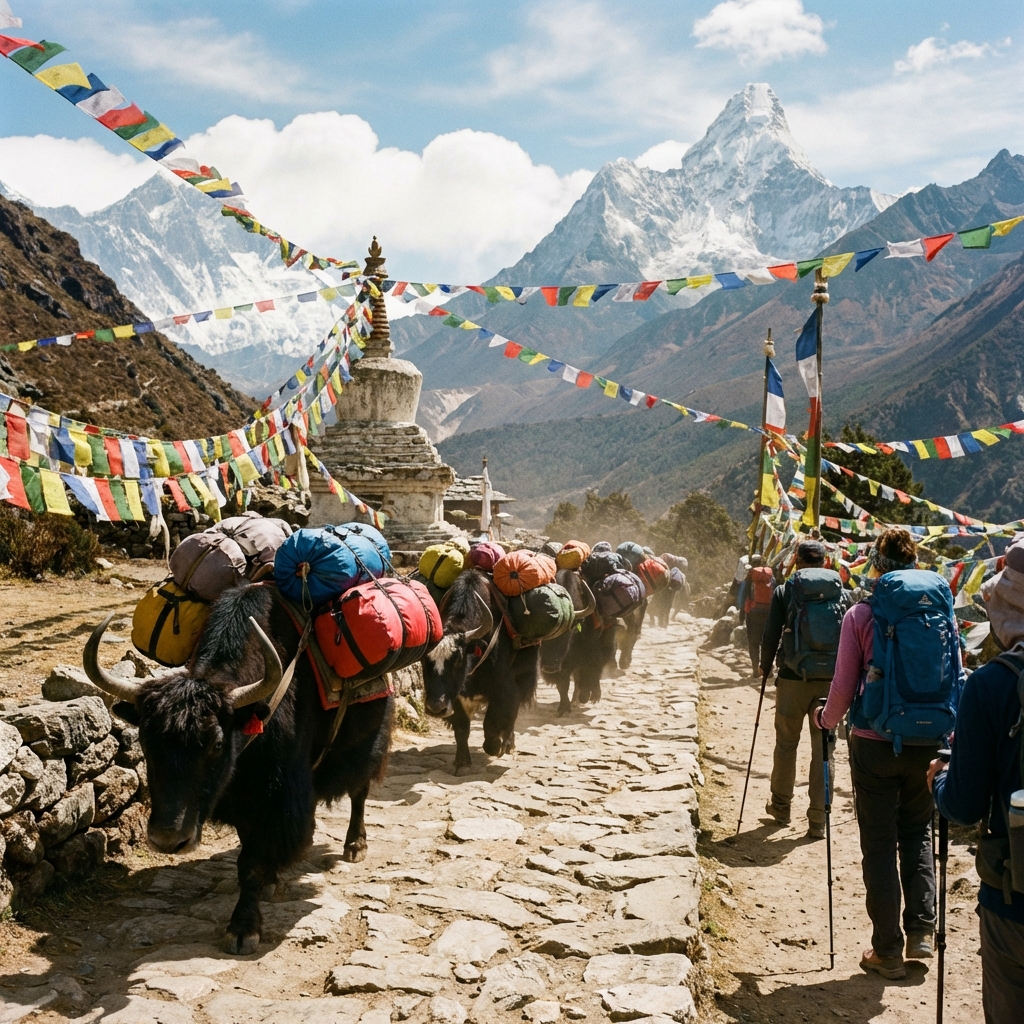
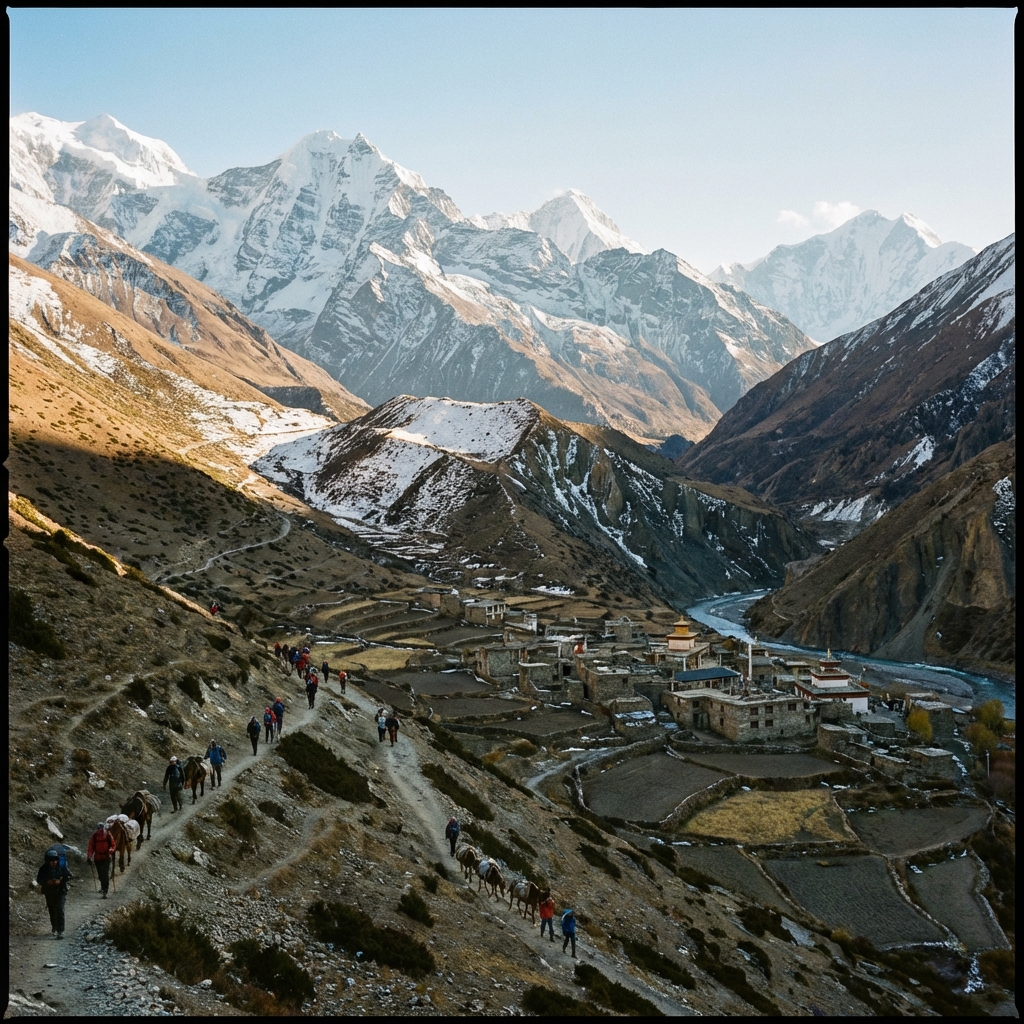
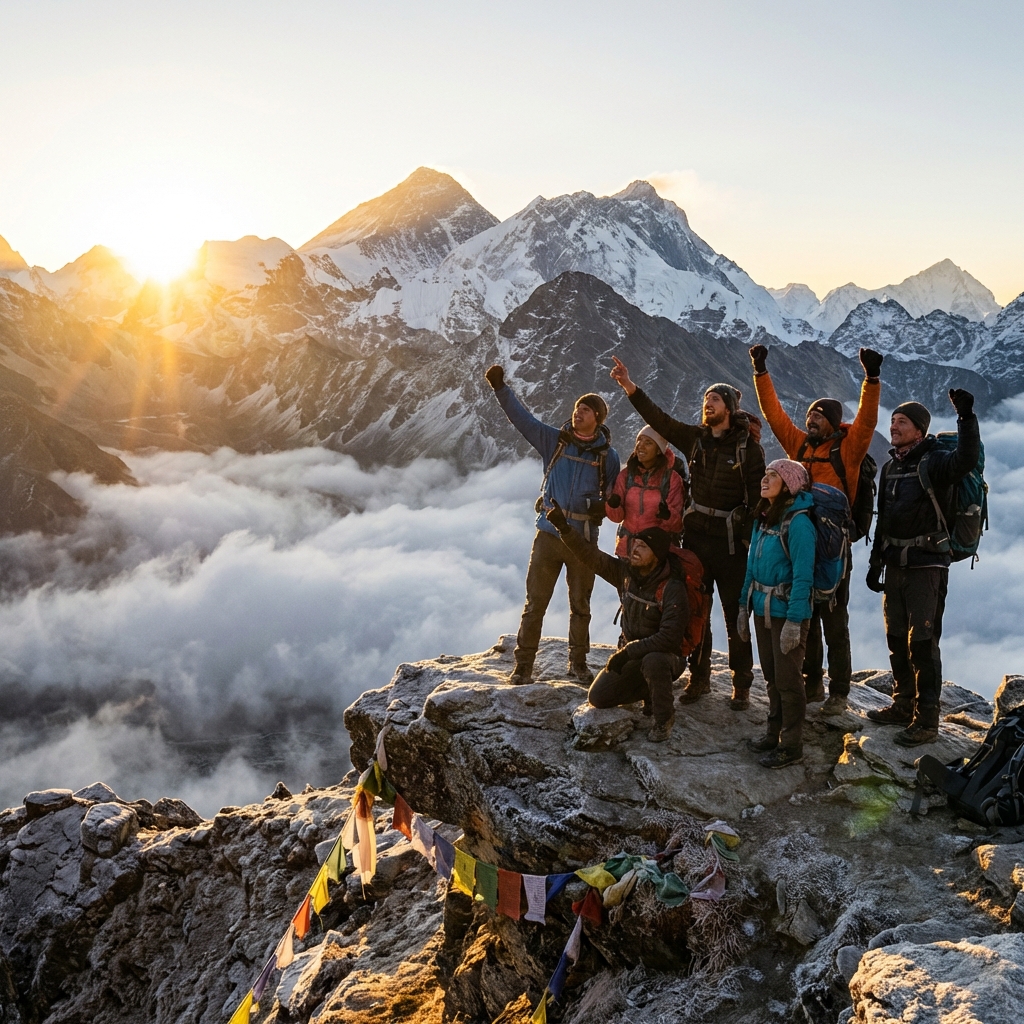
The Everest Base Camp trek is one of the world's great adventures, but the accommodation along the route has traditionally been basic: shared rooms with thin walls, squat toilets, no showers above Namche, and a diet heavy on dal bhat. For decades, that was simply the deal. You endured the discomfort for the views.
That equation has changed. Luxury lodge trekking on the EBC route now offers private rooms with ensuite bathrooms, hot showers, heated dining rooms, quality bedding, multi-course meals, and even wine service at certain locations. The mountains are the same; the experience between walking hours is transformed.
This guide provides everything you need to know about the luxury lodge EBC trek: what it includes, what the Yeti Mountain Home network offers, where luxury ends and standard tea houses begin (a critical reality), costs, who it is best suited for, and whether the premium price is justified.
The key reality upfront: Luxury lodges on the EBC route only exist up to approximately 3,900m (the Tengboche/Khumjung area). Above that altitude, everyone, from budget backpackers to luxury trekkers, shares the same basic tea houses. The premium experience covers roughly the first half and last half of the trek, not the highest and most challenging sections.
Quick Facts: Luxury Lodge EBC Trek
13-16 days (typically 14)
Same as standard EBC trek
Up to ~3,900m (Tengboche area)
Standard tea houses (no luxury options)
$4,000-6,000+ per person
Yeti Mountain Home (4 lodges)
Yes (at luxury lodges)
Dining rooms yes, bedrooms at some lodges
Yes (at luxury lodges)
Comfort seekers, couples, older trekkers, special occasions
What Is Luxury Lodge Trekking on EBC?
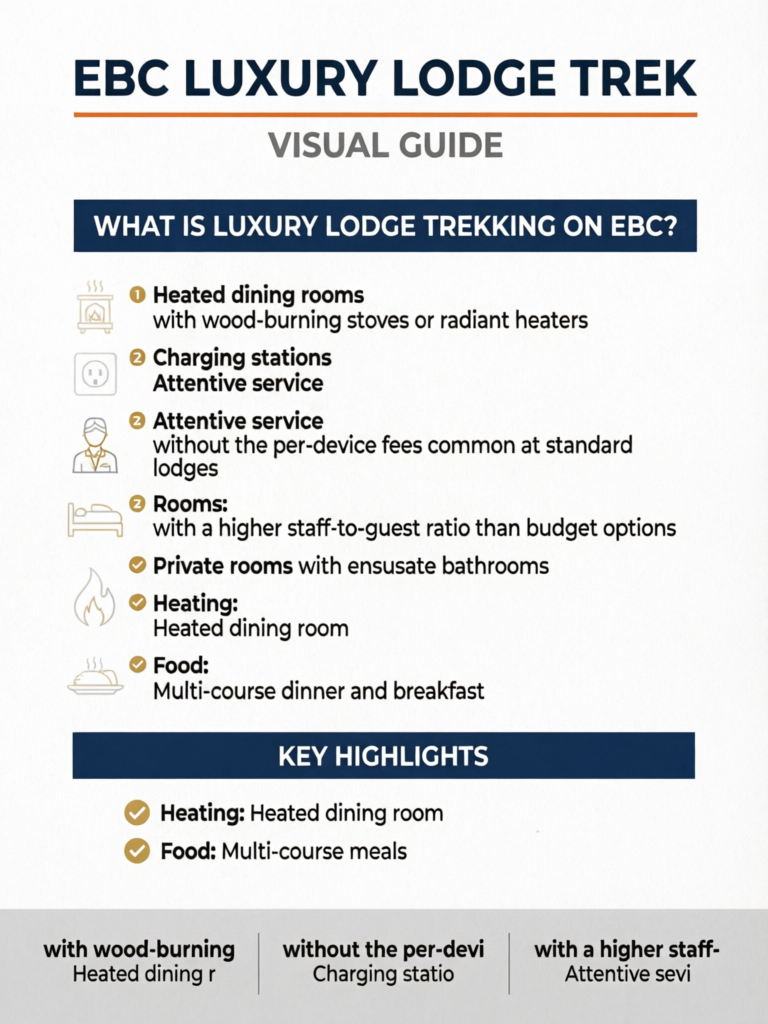
Luxury lodge trekking replaces the standard tea house experience at lower elevations with premium accommodation that approaches mid-range hotel standards. Instead of a bare room with plywood walls and a shared squat toilet, you get a private room with an ensuite bathroom, a real bed with quality mattress and bedding, hot running water, a heated common area, and meals prepared to a much higher standard than typical tea house fare.
What "Luxury" Means in the Khumbu
Let us calibrate expectations. "Luxury" in the context of high-altitude Himalayan trekking means something different from luxury in Kathmandu or Pokhara. There are no five-star hotels at 3,440m. What you get is the best that the logistics of remote mountain locations allow:
- Private rooms with real walls (not plywood partitions), locks, and ventilation
- Ensuite bathrooms with Western-style flush toilets and hot showers (solar or gas-heated)
- Quality bedding: Proper mattresses, warm duvets, and clean linens changed between guests
- Heated dining rooms with wood-burning stoves or radiant heaters
- Multi-course meals with variety beyond dal bhat: soups, salads, pasta, meat dishes, desserts, and sometimes wine or beer
- Common areas with comfortable seating, books, board games, and mountain views
- Charging stations without the per-device fees common at standard tea houses
- Attentive service with a higher staff-to-guest ratio than budget lodges
What "Luxury" Does NOT Mean
- No room heating in most lodge bedrooms (the dining room is heated, but bedrooms rely on quality bedding)
- No reliable Wi-Fi (satellite connections exist but are slow and intermittent)
- No air conditioning (unnecessary at altitude)
- No room service (meals are served in the common dining area)
- No spa or gym facilities
- No luxury accommodation above approximately 3,900m
Pro Tip
The biggest upgrade in luxury lodge trekking is not the room or the food; it is the private bathroom with a hot shower. After a day of trekking at altitude, being able to shower in privacy with hot water is transformative. At standard tea houses, showers are shared, often cold, and sometimes nonexistent above Namche.
The Yeti Mountain Home Network
The Yeti Mountain Home (YMH) lodge network is the premier luxury accommodation option on the EBC route and the name most associated with luxury lodge trekking in the Khumbu. Founded by Ang Tshering Sherpa, a legendary figure in Nepali mountaineering, the network consists of purpose-built lodges at key stops on the EBC route.
Yeti Mountain Home Lodges
1. Yeti Mountain Home Phakding/Lukla (2,860m)
Your first night on the trail. Located in or near Phakding, the first stop after Lukla. The lodge sets the tone for the luxury experience with comfortable rooms, hot showers, and a warm welcome meal.
- Rooms: Private rooms with ensuite bathrooms
- Heating: Heated dining room
- Food: Multi-course dinner and breakfast
- Views: Dudh Kosi river valley
2. Yeti Mountain Home Namche Bazaar (3,440m)
The crown jewel of the network. The Namche lodge sits high on the hillside with panoramic views that many consider the best in all of Namche Bazaar. On a clear day, Everest, Lhotse, and Ama Dablam are visible from the dining room and terrace.
- Rooms: 16 rooms with ensuite bathrooms, mountain views from many rooms
- Heating: Heated dining room, some bedroom heating available
- Food: The best meals on the trail, including baked goods, fresh salads, pasta, and Nepali specialties
- Views: Panoramic Himalayan views from the terrace (frequently cited as the best viewpoint lodge in Namche)
- Extras: Library, charging stations, hot beverages available throughout the day
- You spend 2 nights here (acclimatization rest day)
The Namche Lodge Experience
The YMH Namche lodge deserves special mention because it transforms the Namche rest day from a logistical necessity into a genuine pleasure. Spending two nights in a comfortable room with mountain views, hot showers, and quality meals makes the acclimatization day restorative rather than merely functional. Many guests describe it as the highlight of the lower trek.
3. Yeti Mountain Home Kongde (3,500m) / Khumjung Area
The monastery views lodge. Located in the Khumjung/Kongde area (the exact location description varies by itinerary), this lodge offers proximity to Tengboche Monastery and stunning views of Ama Dablam and the surrounding peaks.
- Rooms: Private rooms with ensuite bathrooms
- Heating: Heated dining room
- Food: Multi-course meals
- Views: Ama Dablam and Tengboche Monastery area views
4. Yeti Mountain Home Tengboche Area (~3,860m)
The highest luxury stop. Near Tengboche, this is the highest Yeti Mountain Home lodge and the last luxury accommodation before the route transitions to standard tea houses.
- Rooms: Private rooms with ensuite bathrooms
- Heating: Heated dining room
- Food: Multi-course meals
- Views: Monastery and mountain panorama
Above Tengboche: The Reality Check
No Luxury Options Above ~3,900m
This is the most important thing to understand about luxury lodge EBC trekking: luxury accommodation does not exist above the Tengboche/Khumjung area (~3,900m). From Dingboche (4,410m) to Gorak Shep (5,164m) and back, every trekker, regardless of budget, shares the same basic tea houses with the same thin walls, shared toilets, limited heating, and simple food.
The luxury lodges cover approximately Days 1-4 and Days 11-14 of a standard 14-day trek. Days 5-10, which include the highest, most challenging, and most physically demanding sections, are spent in standard tea house accommodation.
This is not a criticism; it is simply the logistical reality of building and supplying accommodation above 4,000m in the Khumbu. But you should know this before paying the luxury premium.
Standard EBC Lodges vs Luxury Lodges: Detailed Comparison
| Feature | Standard Tea House | Luxury Lodge (YMH) |
|---|---|---|
| Room Type | Shared or private, plywood walls | Private, solid walls |
| Bed | Thin foam mattress, basic blanket | Quality mattress, warm duvet, clean linens |
| Bathroom | Shared, often squat toilet | Private ensuite, Western flush toilet |
| Shower | Shared, cold or lukewarm ($2-5) | Private, hot water included |
| Heating | Dining room stove (extra cost for fuel) | Heated dining room (included) |
| Room Temperature | Cold (no heating) | Cold bedrooms, heated common areas |
| Food Quality | Basic (dal bhat, noodles, toast) | Multi-course meals, variety, quality ingredients |
| Charging | $2-5 per device | Included |
| Wi-Fi | $2-5, slow | Included (still slow) |
| Service | Basic | Attentive, higher staff ratio |
| Atmosphere | Communal, bustling, authentic | Comfortable, quieter, curated |
| Cost (per night) | $3-15 | Included in package ($80-150/night equivalent) |
| Available Up To | Gorak Shep (5,164m) | ~3,900m (Tengboche area) |
The Luxury EBC Itinerary
The luxury lodge EBC trek follows the same route as the standard 14-day EBC trek. The difference is in the accommodation at lower elevations. Here is a typical 14-day luxury itinerary showing which nights are in luxury lodges and which are in standard tea houses.
| Day | Route | Accommodation Type |
|---|---|---|
| 1 | Fly Lukla, trek to Phakding | LUXURY (YMH Phakding) |
| 2 | Phakding to Namche Bazaar | LUXURY (YMH Namche) |
| 3 | REST DAY Namche | LUXURY (YMH Namche) |
| 4 | Namche to Tengboche area | LUXURY (YMH Tengboche/Khumjung) |
| 5 | Tengboche to Dingboche | Standard tea house |
| 6 | REST DAY Dingboche | Standard tea house |
| 7 | Dingboche to Lobuche | Standard tea house |
| 8 | Lobuche to Gorak Shep | Standard tea house |
| 9 | Kala Patthar, descend to Pheriche | Standard tea house |
| 10 | Pheriche to Tengboche area | LUXURY (YMH Tengboche/Khumjung) |
| 11 | Tengboche area to Namche | LUXURY (YMH Namche) |
| 12 | REST DAY or buffer Namche | LUXURY (YMH Namche) |
| 13 | Namche to Lukla | LUXURY (YMH Phakding/Lukla) |
| 14 | Fly Lukla to Kathmandu | N/A |
Luxury nights: 7-8 out of 13 nights on the trail Standard tea house nights: 5-6 out of 13 nights on the trail
The Transition Days
The transition from luxury to standard accommodation (Day 5, leaving Tengboche area for Dingboche) is noticeable. You go from private bathrooms and multi-course meals to shared facilities and basic food. Many trekkers find this jarring; others appreciate the contrast.
The return transition (Day 10, descending back to the luxury zone) feels like a reward. After 5-6 nights of basic tea houses at extreme altitude, arriving back at a YMH lodge with hot showers and comfortable beds is deeply satisfying.
Pro Tip
The psychological boost of returning to luxury lodges on the descent should not be underestimated. After the physical and mental intensity of the high-altitude section (Gorak Shep, Kala Patthar, EBC), descending to a warm room with a hot shower and a proper meal provides a level of comfort and recovery that standard tea houses cannot match. Many luxury trekkers say the descent was the most enjoyable part of the trek because of this contrast.
Who Is the Luxury Lodge Trek Best For?
The luxury EBC trek is not for everyone, nor should it be. Here is an honest assessment of who benefits most from the premium.
Ideal Candidates
Comfort-oriented trekkers: If basic tea house accommodation would significantly diminish your enjoyment, the luxury option removes that barrier for the lower portions of the trek.
Older trekkers (55+): Recovery is slower at any age above 50. Better sleep quality (proper mattresses, warmer rooms) and better nutrition (quality meals) directly improve performance at altitude. Many luxury EBC clients are in the 55-70 age range.
Couples on special occasions: Anniversary treks, milestone birthdays, honeymoons (yes, some couples honeymoon at EBC). The private rooms and better dining create a more intimate experience than shared dorms.
Those who can afford it without financial stress: If $4,000-6,000 is comfortable within your travel budget, the luxury option adds genuine value. If it represents a significant financial strain, the standard route delivers the same mountains for a fraction of the price.
First-time high-altitude trekkers who are nervous about conditions: Knowing that at least the lower portion of the trek will be comfortable can reduce anxiety and allow you to focus on the experience.
Photography enthusiasts: The YMH lodges, particularly Namche, have excellent viewpoints and the comfort to wake early, photograph, and return for a quality breakfast.
Not Ideal For
Budget-conscious trekkers: The standard EBC trek costs $2,000-3,200. Luxury costs $4,000-6,000+. The mountains are identical.
"Authentic experience" seekers: Some trekkers value the shared tea house experience, the communal dining with other trekkers, and the roughness of the accommodation as integral parts of the adventure.
Trekkers who plan to spend minimal time at lodges: If you arrive late, eat quickly, sleep, and leave early, you will not benefit from the luxury amenities.
Solo trekkers on a standard budget: The luxury lodge packages are priced per person but optimized for couples or small groups. Solo supplements apply.
Other Luxury Operators and Options
While Yeti Mountain Home is the most established luxury lodge network on the EBC route, other operators have entered the market.
Alternative Luxury/Premium Operators
Luxury Himalaya offers premium guided treks with upgraded accommodation throughout the Khumbu, using a mix of the best available lodges at each stop.
Ker and Downey Nepal provides ultra-premium trekking experiences with dedicated support staff, gourmet meals, and the best available accommodation. Their EBC offerings are among the most expensive ($6,000-10,000+) but include concierge-level service.
Himalayan Glacier and several other mid-to-high-end agencies offer "comfort" or "premium" EBC treks that sit between standard and full luxury, using the best non-YMH lodges and providing better food and service.
Everest Comfort Trek (various agencies): Several agencies market "comfort" treks that use the best standard tea houses (not YMH) and add premium food service and dedicated guides. These cost $2,500-3,500, bridging the gap between standard and luxury.
The Comfort Trek Middle Ground
If the full luxury price ($4,000-6,000+) is too steep but you want better-than-basic accommodation, consider a "comfort trek" from a reputable agency. These cost $2,500-3,500 and use the best available tea houses at each stop (better rooms, sometimes private bathrooms), with a guide who ensures priority room allocation and better meal options. It is not Yeti Mountain Home, but it is a significant step up from budget tea house trekking.
Helicopter Options: Adding Luxury to Logistics
Luxury lodge trekkers often combine their premium accommodation with helicopter options to reduce time on trail and add dramatic aerial experiences.
Helicopter Return from Gorak Shep or Lukla
Gorak Shep to Lukla helicopter ($600-900 per person): After reaching EBC and Kala Patthar, fly by helicopter from Gorak Shep directly to Lukla, skipping 3-4 days of descent. This is particularly popular with older trekkers or those with limited time.
Gorak Shep to Kathmandu helicopter ($1,500-2,500 per person): Skip the entire descent and Lukla flight, flying directly from the highest point to Kathmandu. Expensive but eliminates Lukla flight anxiety entirely.
Lukla helicopter (both directions, $400-600 per person each way): Replace the notoriously unreliable Lukla fixed-wing flights with helicopter transfers. More expensive but significantly more reliable and scenic.
For details on helicopter options, see our Everest Base Camp helicopter return guide.
Helicopter + Luxury Lodge Combination
The most premium EBC experience combines luxury lodges for the lower trek, standard tea houses for the high section, and a helicopter return from Gorak Shep or EBC. Total cost: $6,000-10,000+ per person, depending on helicopter routing and agency.
Combining Luxury with Standard: The Hybrid Approach
Many trekkers choose a hybrid approach: luxury lodges for the first few days (acclimatization period) and standard tea houses for the upper trek.
Why This Works Well
- The acclimatization days benefit most from comfort. Days 1-4, when you are adjusting to altitude and finding your trekking rhythm, are when good sleep and nutrition matter most.
- Above Tengboche, there is no luxury option anyway. The hybrid approach simply acknowledges reality.
- Cost savings. Luxury for 4-5 nights instead of 8 reduces the premium significantly.
- The descent can be standard or luxury. Choose based on budget and preference.
Hybrid Itinerary Example
| Section | Accommodation | Notes |
|---|---|---|
| Days 1-4 (Lukla to Tengboche) | Luxury (YMH) | Acclimatization comfort |
| Days 5-9 (Dingboche to Gorak Shep/EBC) | Standard tea houses | No luxury available |
| Days 10-13 (Descent) | Standard tea houses | Cost savings |
Hybrid cost: $3,000-4,500 (luxury upward, standard return)
What to Pack Differently for a Luxury Lodge Trek
The packing list for a luxury lodge trek is similar to the standard EBC trek, with a few differences.
What You Can Leave Behind (or Bring Less Of)
- Sleeping bag liner: The YMH lodges provide quality bedding, so you may not need a silk or fleece liner at luxury stops (still essential for standard tea house nights)
- Towel: Provided at luxury lodges (still bring a quick-dry travel towel for tea house nights)
- Entertainment: YMH lodges have libraries and board games
What to Add
- Nicer casual clothes: A clean set of comfortable clothes for evenings at luxury lodges. Many trekkers appreciate being able to change out of trekking gear into something clean and comfortable for dinner.
- Toiletries: The luxury lodges have hot water and proper bathrooms; bring your preferred soap, shampoo, and skincare
- Camera with good low-light capability: The YMH lodges, especially Namche, have excellent viewpoints for sunrise/sunset photography
- A good book: The comfortable common areas invite evening reading
What to Still Bring (Essential Regardless)
- Full cold-weather gear: Nights above Dingboche are cold regardless of accommodation type
- 4-season sleeping bag: Essential for the standard tea house nights above Tengboche
- All standard trekking equipment: Boots, layers, poles, etc. The luxury is in the lodges, not the trail
For a comprehensive packing guide, see our EBC packing list.
Booking Process and Lead Times
How to Book
Luxury lodge EBC treks are booked through trekking agencies that have agreements with the Yeti Mountain Home network. You cannot book YMH lodges independently as a walk-in during peak season (they are reserved for agency clients).
Steps:
- Choose a trekking agency that offers luxury lodge EBC treks (see our luxury trekking agencies guide)
- Confirm dates and lodge availability
- Pay a deposit (typically 30-50% of the total)
- Receive a detailed itinerary with confirmed lodge bookings
- Pay the balance before departure
Lead Times
- Peak season (October-November): Book 3-6 months in advance. YMH lodges have limited rooms and sell out for peak dates.
- Shoulder season (March-April, September): Book 1-3 months in advance.
- Off-peak: Shorter lead times acceptable, but some lodges may close.
Pro Tip
If you want the luxury lodge experience during peak October-November season, book by June at the latest. The Yeti Mountain Home Namche lodge in particular has very limited capacity and sells out months ahead. Last-minute availability does occasionally appear due to cancellations, but relying on this is risky.
Cost Breakdown: Luxury vs Standard EBC Trek
| Cost Category | Standard Trek | Luxury Lodge Trek |
|---|---|---|
| Permits | $50 | $50 |
| Flights (KTM-Lukla) | $350-400 | $350-400 |
| Accommodation | $50-150 (13 nights) | $1,500-2,500 (included in package) |
| Food | $300-450 | $800-1,200 (included in package) |
| Guide | $280-420 | Included in package |
| Porter | $210-280 | Included in package |
| Kathmandu hotels | $80-150 | $150-300 (upgraded) |
| Tips | $100-150 | $150-300 |
| Miscellaneous | $100-150 | $100-200 |
| Agency margin | $200-500 | $500-1,500 |
| Total | $2,000-3,200 | $4,000-6,000+ |
What the Premium Covers
The $2,000-3,000 premium over standard trekking buys:
- 7-8 nights in luxury lodge accommodation (private rooms, ensuite bathrooms, quality bedding)
- Multi-course meals at luxury lodges
- Heated dining rooms with comfortable seating
- Hot showers included (not $3-5 per shower)
- Device charging included (not $3-5 per charge)
- Higher quality guide and service
- Lodge reservation guarantees (no scrambling for rooms at popular stops)
Is the Premium Worth It?
For the right person, yes. If comfort significantly enhances your enjoyment and the cost is comfortable within your budget, the luxury lodge experience adds genuine value to the lower-altitude portions of the trek.
For budget-conscious trekkers, no. The mountains, the trails, the altitude, and the achievement are identical. The views from a $5 room are the same as from a $150 room.
The Best Lodges Beyond Yeti Mountain Home
While YMH dominates the luxury conversation, the Khumbu has seen an overall improvement in lodge quality. Here are noteworthy non-YMH options at key stops:
Namche Bazaar
- Camp de Base: Well-reviewed mid-range option with mountain views
- Khumbu Lodge: Central location, comfortable rooms
- Namche Hotel: Good facilities and dining
Tengboche
- Tashi Delek Lodge: Close to the monastery, comfortable rooms
- Rivendell Lodge: Newer construction, better insulation
Dingboche (No Luxury Options)
- Hotel Dingboche: Best of the standard options
- Snow Lion Lodge: Clean rooms, decent food
Gorak Shep (Very Basic, No Choice)
- Buddha Lodge: Marginally better than alternatives
- Snowland: Basic but functional
For detailed lodge reviews, see our best lodges in the Everest region guide.
Luxury Trek Tips from Experienced Operators
Based on conversations with luxury trek operators and frequent luxury EBC trekkers:
Before the Trek
- Communicate dietary preferences early. Luxury lodges can accommodate allergies and preferences with advance notice.
- Request specific room preferences if traveling as a couple (mountain view, corner room, etc.).
- Break in your boots thoroughly. Luxury lodges do not make blisters less painful.
- Train as seriously as for a standard trek. The trail difficulty is identical; only the accommodation changes.
During the Trek
- Arrive at luxury lodges by early afternoon to maximize your enjoyment of the facilities.
- Use the Namche rest day fully. The YMH Namche lodge is comfortable enough to spend quality time in. Explore in the morning, relax in the afternoon.
- Prepare mentally for the transition from luxury to standard tea houses on Day 5. It is noticeable.
- Appreciate the standard tea houses above Dingboche for what they are: functional shelter in one of the most extreme environments on Earth. The authenticity has its own charm.
On the Descent
- Book a hot stone bath in Namche if available. After days of basic facilities above 4,000m, a proper soak is transcendent.
- Order the best meals on the menu. Luxury lodge chefs prepare food that rivals good restaurants in Kathmandu.
- Spend the evening reflecting. The comfortable common areas of YMH lodges, with mountain views and warm stoves, are ideal for processing the enormity of what you have accomplished.
Frequently Asked Questions
Are there luxury lodges all the way to Everest Base Camp?
No. Luxury lodges (Yeti Mountain Home) exist only up to approximately 3,900m (Tengboche/Khumjung area). Above that altitude, all trekkers use the same standard tea houses. The highest luxury accommodation on the EBC route is approximately 4 days' walk from Gorak Shep/EBC.
How much does a luxury EBC trek cost?
$4,000-6,000+ per person for a 14-day trek, depending on the agency, season, group size, and whether helicopter services are included. This compares to $2,000-3,200 for a standard guided EBC trek.
Is the Yeti Mountain Home the only luxury option?
Yeti Mountain Home is the main purpose-built luxury lodge network on the EBC route. Other agencies offer "premium" or "comfort" treks using the best available standard lodges, which provide a significant upgrade over basic tea houses at a lower cost than YMH packages ($2,500-3,500).
Can I book Yeti Mountain Home lodges independently?
During peak season, YMH lodges are typically reserved exclusively for agency clients. Walk-in availability may exist during shoulder or off-peak seasons, but it is not reliable. To guarantee YMH accommodation, book through a registered agency.
Is the luxury trek easier than the standard trek?
The trail is identical. The luxury trek is more comfortable at lower elevations, and better sleep and nutrition may marginally improve your performance at altitude. But the physical demands of the trail, the altitude, and the days above 4,000m are the same regardless of how much you paid for accommodation.
What is the food like at luxury lodges?
Significantly better than standard tea houses. YMH lodges serve multi-course meals: soups, salads (safe to eat at these lodges), pasta, meat dishes, Nepali specialties, and desserts. Some lodges offer wine or beer. The chefs are trained to a higher standard, and ingredients are sourced more carefully.
Are the luxury lodges heated?
Dining rooms and common areas are heated. Bedrooms are generally not heated (though quality bedding compensates). At 3,400-3,900m, nighttime temperatures drop to near freezing or below, and heating bedrooms is logistically difficult and environmentally costly. Expect to sleep in warm pajamas even at luxury lodges.
Can I do a luxury trek solo?
Yes, but expect to pay a single supplement for the private rooms. The per-person cost increases by $500-1,000 for solo travelers. Some agencies offer to match solo luxury trekkers to share costs, but this is not guaranteed.
How far in advance should I book?
For peak season (October-November), book 3-6 months ahead. For March-May, book 1-3 months ahead. YMH lodges have limited capacity and sell out during peak dates.
Is the luxury trek suitable for older trekkers?
It is particularly well-suited. Better sleep quality, proper nutrition, hot showers for muscle recovery, and heated dining rooms all contribute to better performance and enjoyment for trekkers aged 55+. Many luxury trek operators specialize in the 55-70 demographic.
Can I add a helicopter return to the luxury trek?
Yes, and many luxury trekkers do. A helicopter from Gorak Shep to Lukla ($600-900) or directly to Kathmandu ($1,500-2,500) eliminates the descent and Lukla flight uncertainty. This is the ultimate premium option, combining luxury lodges with helicopter logistics.
What if I want luxury but cannot afford the full package?
Consider the hybrid approach: book luxury lodges for Days 1-4 (Lukla to Tengboche) and standard tea houses for the rest. This costs $3,000-4,000 and gives you the luxury acclimatization experience at a lower price. Alternatively, look for "comfort trek" packages ($2,500-3,500) that use the best standard lodges without the YMH premium.
Do luxury lodges have Wi-Fi?
Most YMH lodges offer Wi-Fi, but satellite internet at altitude is slow and intermittent. Do not expect reliable video calls or large file uploads. Basic messaging and email work most of the time. Standard tea houses above Tengboche also offer Wi-Fi ($2-5) with similar reliability issues.
The Verdict: Is Luxury Lodge Trekking Worth It?
The luxury lodge EBC trek is a genuinely enhanced experience for the lower portions of the route. The private rooms, hot showers, quality meals, and heated common areas at Yeti Mountain Home lodges add comfort and recovery quality that makes a real difference, particularly for older trekkers, comfort-oriented travelers, and those celebrating special occasions.
The critical caveat remains: above Tengboche, everyone shares the same experience. The highest and most challenging sections of the trek (Dingboche to Gorak Shep to EBC to Kala Patthar) are in standard tea houses regardless of your budget. The luxury premium buys you a better experience for 7-8 out of 13 nights, not the entire trek.
Choose luxury if: Comfort significantly enhances your enjoyment, the cost is comfortable for you, and you are the type of person who appreciates good accommodation and dining after a day outdoors.
Choose standard if: You value budget efficiency, enjoy the communal tea house experience, or prefer to allocate your travel budget toward more days in Nepal rather than better rooms on the EBC route.
Choose the hybrid if: You want the acclimatization comfort of luxury without the full premium cost.
Whatever your choice, the Everest Base Camp trek delivers the same towering peaks, the same Sherpa culture, the same sense of achievement, and the same life-changing views. The luxury is in the mountains themselves. Everything else is just how well you sleep between walking hours.
Explore all your EBC options: standard 14-day itinerary, 12-day short itinerary, cost breakdown guide, or browse the best EBC trekking agencies for both standard and luxury packages.