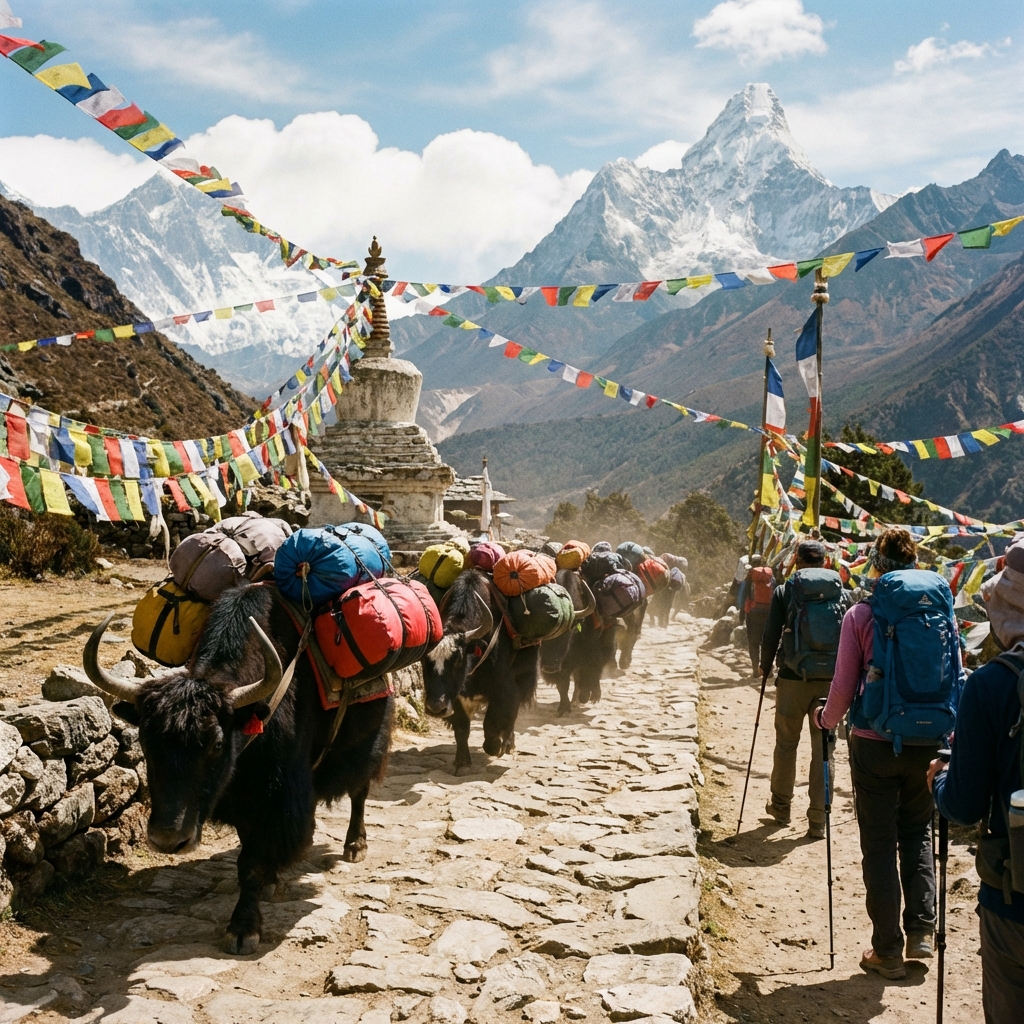
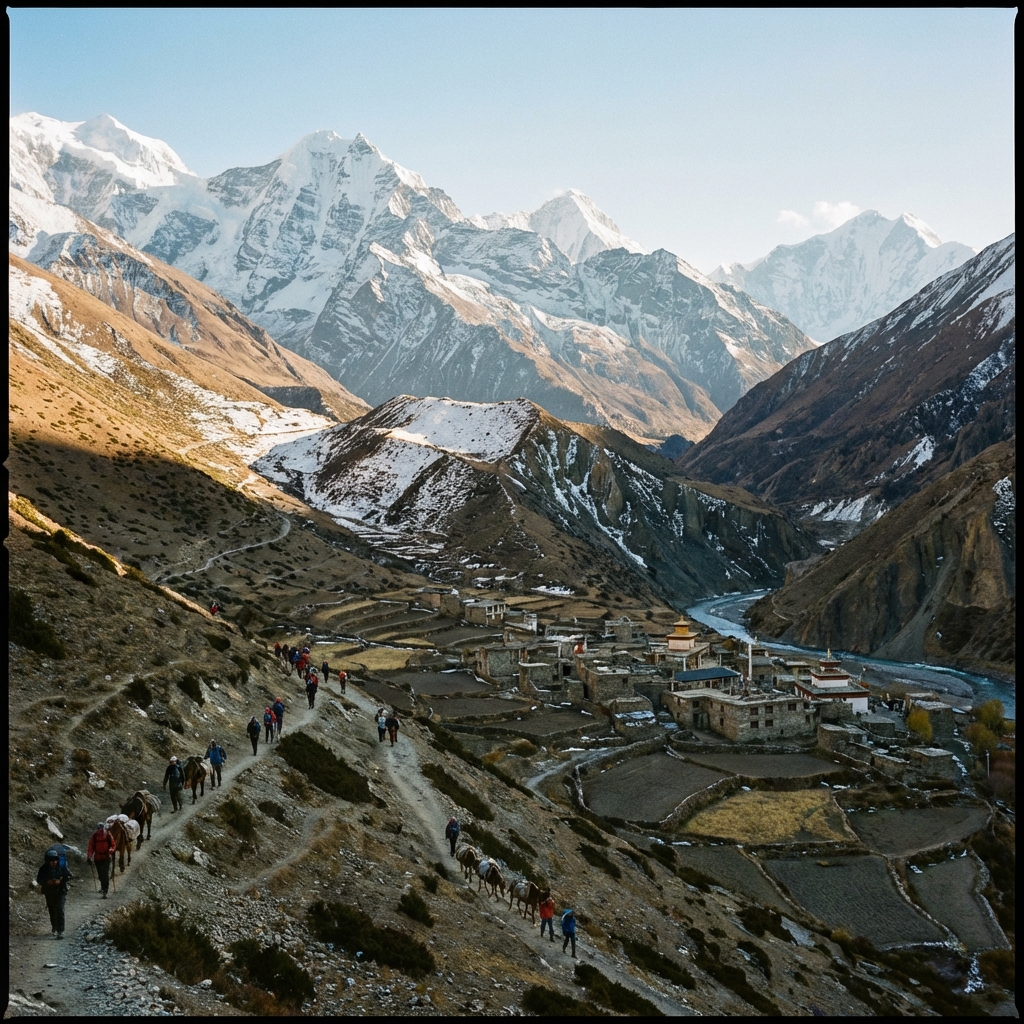
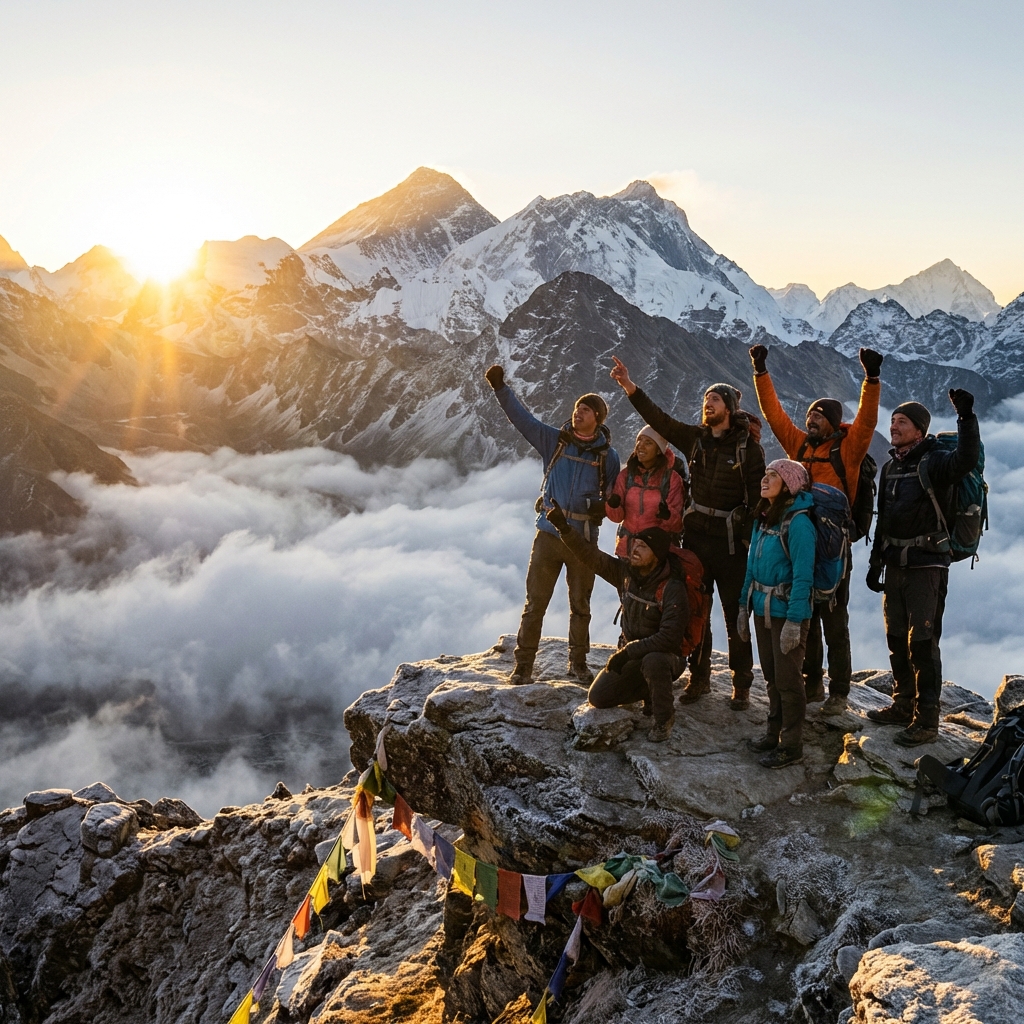
Nepal is a country that celebrates with extraordinary devotion. With a calendar interwoven with Hindu festivals, Buddhist ceremonies, indigenous traditions, and cultural observances, there are more festivals per year in Nepal than there are days—over 50 major celebrations, plus countless local and regional events. For trekkers, this rich festival culture is both a remarkable opportunity and a logistical consideration that demands careful planning.
On one hand, witnessing a festival like Mani Rimdu at Tengboche Monastery or Dashain celebrations in a mountain village can be the most memorable part of your entire Nepal experience. On the other hand, arriving in Kathmandu during Dashain to discover that your trekking agency is closed, your guide has gone home to his village, the bus to the trailhead isn't running, and the permit office is shut for a week—that's a planning failure that can derail an entire trip.
This guide covers both dimensions: the cultural richness of Nepal's festival calendar and its practical impact on trekking logistics. We provide a month-by-month festival calendar for 2026, detailed coverage of every major festival that affects trekkers, a clear impact assessment for each celebration, and actionable advice for planning your trek around (or during) Nepal's festive seasons.
Dashain (October) — 10-15 days disruption
Mani Rimdu (Nov) at Tengboche
Holi (March) — festival of colors
Tihar (October/November)
Losar (February/March)
50+ nationally recognized
Check Dashain dates before booking
Bikram Sambat (BS), ~57 years ahead of Gregorian
Table of Contents
- Why Festivals Matter for Trekkers
- Month-by-Month Festival Calendar 2026
- Dashain: Nepal's Biggest Festival
- Tihar: Festival of Lights
- Holi: Festival of Colors
- Losar: Tibetan and Sherpa New Year
- Mani Rimdu at Tengboche
- Buddha Jayanti
- Indra Jatra
- Bisket Jatra
- Other Notable Festivals
- Festival Impact on Trekking Services
- How to Plan Around Festivals
- How to Participate Respectfully
- Tips for Trekking During Major Festivals
- Frequently Asked Questions
Why Festivals Matter for Trekkers
Nepal's festivals affect trekkers in two fundamentally different ways, and understanding both is essential for planning.
The Disruption Factor
Major festivals—particularly Dashain and Tihar—can significantly impact trekking logistics:
- Agency offices close for days or even weeks during major festivals
- Guides and porters go home to celebrate with their families, often traveling to remote villages
- Domestic transport (buses, jeeps, domestic flights) is heavily booked as millions of Nepalis travel to their home villages
- Government offices close, meaning permits cannot be processed
- Tea houses on trekking routes may operate with reduced staff or close entirely
- Shops and markets in Kathmandu and Pokhara close for key festival days
The Cultural Opportunity
Simultaneously, festivals offer extraordinary cultural experiences:
- Mani Rimdu at Tengboche is one of the most spectacular Buddhist ceremonies accessible to trekkers
- Dashain celebrations in mountain villages reveal the heart of Nepali family life
- Tihar decorations transform villages into glowing displays of oil lamps and marigolds
- Losar festivities in Sherpa communities offer authentic insight into Tibetan Buddhist celebration
- Local festivals you stumble upon by chance—village ceremonies, monastery blessings, harvest celebrations—become unforgettable personal experiences
The key is planning: know when festivals fall, understand their impact, and decide whether to avoid disruption or embrace the cultural richness.
Month-by-Month Festival Calendar 2026
Festival dates in Nepal follow the Bikram Sambat (BS) calendar and the Tibetan lunar calendar, making many dates variable from year to year. The following dates are based on the best available calculations for 2026; confirm exact dates closer to your travel dates.
Date Variability
Many Nepal festival dates are determined by the lunar calendar and are only officially confirmed weeks or sometimes days before the festival. Dashain, Tihar, Holi, Losar, and Mani Rimdu dates all shift from year to year. The dates below are best estimates for 2026. Confirm exact dates with the Nepal Tourism Board or your trekking agency as your trip approaches.
January 2026
| Festival | Approximate Date | Type | Trek Impact |
|---|---|---|---|
| Maghe Sankranti | January 14 | Hindu | Minimal — public holiday, some office closures |
| Sonam Losar (Tamang New Year) | January (varies) | Buddhist/Tamang | Minimal — celebrated in Tamang communities |
February 2026
| Festival | Approximate Date | Type | Trek Impact |
|---|---|---|---|
| Maha Shivaratri | Late February | Hindu | Moderate — public holiday, Pashupatinath celebrations |
| Losar (Tibetan/Sherpa New Year) | Late Feb/Early Mar | Buddhist | Low-Moderate — celebrations in Sherpa areas |
| Gyalpo Losar (Sherpa New Year) | Late Feb/Early Mar | Buddhist/Sherpa | Low — specific to Sherpa communities |
March 2026
| Festival | Approximate Date | Type | Trek Impact |
|---|---|---|---|
| Holi (Fagu Purnima) | Mid-March | Hindu | Low — one main day, fun for travelers |
| Ghode Jatra | Late March | Cultural | Minimal — Kathmandu-only horse racing festival |
April 2026
| Festival | Approximate Date | Type | Trek Impact |
|---|---|---|---|
| Bisket Jatra (Nepali New Year) | April 14 | Cultural | Moderate — public holiday, Bhaktapur celebrations |
| Ram Navami | Late March/April | Hindu | Minimal |
May 2026
| Festival | Approximate Date | Type | Trek Impact |
|---|---|---|---|
| Buddha Jayanti (Vesak) | May (full moon) | Buddhist | Low — Boudhanath/Lumbini celebrations |
| Thame Mani Rimdu | May (varies) | Buddhist | Low — specific to Thame village |
June-August 2026
Few major festivals during monsoon season. The monsoon period (June-September) is Nepal's quietest festival season, though local celebrations continue. Trekking during monsoon faces weather challenges regardless of festivals. See our monsoon trekking guide for more.
September 2026
| Festival | Approximate Date | Type | Trek Impact |
|---|---|---|---|
| Indra Jatra | September (varies) | Hindu/Newari | Moderate — Kathmandu only, dramatic processions |
| Teej | September (varies) | Hindu | Low — women's festival, some office closures |
October 2026
| Festival | Approximate Date | Type | Trek Impact |
|---|---|---|---|
| Dashain | Early-Mid October | Hindu | HIGH — 10-15 days significant disruption |
November 2026
| Festival | Approximate Date | Type | Trek Impact |
|---|---|---|---|
| Tihar | Late October/Early November | Hindu | Moderate — 5 days, some disruption |
| Mani Rimdu (Tengboche) | November (full moon) | Buddhist | Low disruption, HIGH cultural value |
| Chhath Puja | November (varies) | Hindu | Minimal — Terai region primarily |
December 2026
| Festival | Approximate Date | Type | Trek Impact |
|---|---|---|---|
| Christmas/New Year | December 25-January 1 | International | Minimal for trekking; tourist areas busy |
| Udhauli/Ubhauli | December (varies) | Kirant/Indigenous | Minimal |
Dashain: Nepal's Biggest Festival
Dashain (also spelled Dasain) is unquestionably Nepal's most important festival and the one with the greatest impact on trekking. Understanding Dashain is essential for anyone planning a trek between late September and mid-November.
What Is Dashain?
Dashain is a 15-day Hindu festival celebrating the victory of the goddess Durga over the demon Mahishasura—a celebration of good triumphing over evil. It falls in September or October (the Nepali month of Ashwin) and is the longest and most significant holiday in the Nepali calendar.
For Nepalis, Dashain is roughly equivalent to Christmas, Thanksgiving, and New Year combined—multiplied. It is a time of family reunion, feasting, new clothes, kite flying, gambling (traditionally permitted during Dashain), animal sacrifices, and the blessing ceremony where elders place tika (red vermillion paste mixed with rice and yogurt) on the foreheads of younger family members.
Key Days of Dashain
| Day | Name | Significance |
|---|---|---|
| Day 1 | Ghatasthapana | Planting sacred jamara (barley seeds) |
| Day 7 | Phulpati | Bringing flowers and sacred plants |
| Day 8 | Maha Ashtami | Major temple ceremonies, animal sacrifices |
| Day 9 | Maha Navami | Peak of celebrations, sacrifices continue |
| Day 10 | Vijaya Dashami | Main day — tika ceremony, family blessings |
| Days 11-15 | Post-Dashain | Continued celebrations, visiting relatives |
Impact on Trekking: SIGNIFICANT
Dashain has the most substantial impact of any festival on trekking logistics:
Before Dashain (3-7 days before):
- Domestic transport becomes extremely congested as millions travel home
- Bus tickets, domestic flights, and jeep hires are heavily booked
- Prices for transport increase dramatically
- Some agency staff begin leaving for their villages
During Dashain (10-15 days):
- Government offices closed: Permit offices, immigration, and tourism board offices shut for the main days. Permits cannot be processed during this period.
- Agency offices closed or skeleton-staffed: Most trekking agencies close from around Day 7 through Day 12 at minimum.
- Guides and porters unavailable: Many guides and porters return to their home villages for the family celebration. This is the most important family reunion of the year, and most staff consider it non-negotiable.
- Tea houses reduced: Some tea houses on trekking routes operate with reduced staff. Major routes like Everest Base Camp and Annapurna Circuit generally remain open, but service quality may suffer.
- Transport disrupted: Buses and jeeps to trailheads may not operate on main festival days.
- Shops and markets closed: Thamel and other commercial areas shut for the peak days.
After Dashain (3-5 days after):
- People gradually return to work
- Transport normalizes
- Agencies reopen
- Services resume on trekking routes
Critical Dashain Planning
If you're planning a trek in October, check the exact Dashain dates and plan accordingly. Either arrange all permits and logistics BEFORE Dashain begins, plan to arrive AFTER the main celebrations end, or accept that you'll need to wait. Arriving in Kathmandu on Vijaya Dashami expecting to process permits and hire a guide will result in frustration and wasted days.
The Upside: Cultural Richness
If you're already on the trail during Dashain, the cultural experience can be extraordinary:
- Villages along trekking routes celebrate with feasting, dancing, and community gatherings
- You may be invited to participate in tika ceremonies
- The atmosphere is joyous and welcoming
- Bamboo swings (ping) are erected in villages for children and adults alike
- The sight of families gathered in mountain villages, dressed in their finest clothes, with kites flying overhead, is deeply moving
Strategy for Trekking During Dashain
- Arrange everything before Dashain begins — Permits, guide, porter, transport to trailhead
- Confirm your agency will operate — Some agencies maintain skeleton staff for active treks; confirm yours is one of them
- Book transport early — Reserve your bus, jeep, or flight to the trailhead well in advance
- Carry extra supplies — Some shops on the trail may close; bring backup snacks and essentials
- Embrace the experience — If you encounter celebrations, participate respectfully and enjoy the cultural immersion
Tihar: Festival of Lights
Tihar (also known as Deepawali or the Nepali equivalent of Diwali) typically falls 15-20 days after Dashain, usually in late October or early November. It's a five-day festival that's visually stunning and has a moderate impact on trekking.
What Is Tihar?
Tihar is a five-day festival of lights celebrating different aspects of life and nature. Each day has a specific focus:
| Day | Name | Celebration |
|---|---|---|
| Day 1 | Kaag Tihar | Day of the crow — offerings to crows as messengers |
| Day 2 | Kukur Tihar | Day of the dog — dogs are honored with tika, garlands, and treats |
| Day 3 | Gai Tihar / Laxmi Puja | Day of the cow and goddess Laxmi — oil lamps lit everywhere |
| Day 4 | Goru Tihar / Govardhan Puja | Day of the ox — honoring draft animals |
| Day 5 | Bhai Tika | Sisters bless brothers — family celebration |
Impact on Trekking: Moderate
Tihar's impact is less severe than Dashain's because:
- It's shorter (5 days vs. 15 days)
- Most guides and porters are already back from Dashain and don't travel home again
- Agency offices may close for 2-3 days but recover quickly
- Tea houses generally remain open, though with festive atmosphere
- Government offices close for key days but reopen sooner
The Visual Spectacle
Tihar is one of the most photogenic festivals in Nepal:
- Oil lamps (diyo) placed in windows, doorways, and along paths create a magical nighttime atmosphere
- Marigold garlands draped on doors, windows, animals, and people
- Rangoli — colorful ground paintings at doorways
- Deusi-Bhailo — groups of singers going door to door (similar to Christmas caroling)
- Kukur Tihar — the internationally famous "day of the dog" where every dog, including street dogs, receives a tika mark, garland, and food
If you're in Kathmandu, Pokhara, or a village along the trail during Tihar, the evening atmosphere of thousands of oil lamps is unforgettable. Trekking during Tihar is entirely feasible, and the cultural dimension is a genuine bonus.
Pro Tip
Holi: Festival of Colors
Holi (Fagu Purnima in Nepal) is the vibrant Hindu spring festival of colors, typically falling in March.
What Is Holi?
Holi celebrates the triumph of good over evil and the arrival of spring. The festival is famous for its exuberant tradition of throwing colored powder (abir) and colored water at anyone and everyone. On the main day, the streets of Kathmandu, Pokhara, and towns across Nepal become a riotous celebration of color, music, and water.
Impact on Trekking: Low
Holi has minimal impact on trekking logistics:
- The main celebration is one day (with some revelry the day before and after)
- It's primarily an urban phenomenon—mountain communities celebrate modestly
- Trekking routes operate normally
- Permit offices close for the public holiday (1-2 days)
- Transport operates normally except in city centers on the main day
Tips for Trekkers During Holi
- In Kathmandu/Pokhara: You will get colored powder thrown at you if you walk outside. Wear clothes you don't mind staining, protect your camera/phone in waterproof bags, and embrace the experience. It's incredible fun.
- Protect electronics: Colored water can damage cameras and phones. Keep them sealed in dry bags or Ziploc bags.
- On the trail: Holi is largely a lowland celebration. At higher elevations, you may see minimal observance.
- If you want to avoid it: Stay inside your hotel on the main morning, or time your trek to already be on the trail by Holi.
Losar: Tibetan and Sherpa New Year
Losar is the Tibetan/Sherpa New Year, celebrated in February or March (based on the Tibetan lunar calendar). For trekkers in the Everest region and other Sherpa areas, Losar provides a window into authentic Buddhist celebration.
What Is Losar?
Losar marks the beginning of the Tibetan calendar year. In Nepal, it's primarily celebrated by Sherpa, Tamang, Gurung, and other Tibeto-Burman communities. Different groups celebrate their own versions (Sonam Losar for Tamangs, Tola Losar for Gurungs, Gyalpo Losar for Sherpas), sometimes on different dates.
The celebration includes:
- Monastery ceremonies — Special pujas and rituals
- Community feasting — Elaborate meals with traditional foods
- Dancing and music — Traditional performances in village squares
- New clothes — Families dress in their finest traditional clothing
- Home preparation — Houses are thoroughly cleaned before Losar
- Ritual practices — Incense burning, prayer flag renewal, butter lamp lighting
Impact on Trekking: Low to Moderate
In Sherpa areas (Khumbu, Solu):
- Monasteries hold special ceremonies open to visitors
- Tea houses operate but with a festive atmosphere
- Some services may be reduced as communities celebrate
- Sherpa guides may request days off (respect this if possible)
In Kathmandu:
- Boudhanath Stupa area celebrates vigorously with processions and ceremonies
- Government offices operate normally (Losar is not a nationwide public holiday)
- Trekking agencies in Thamel operate normally
Cultural Opportunity
If you're trekking in the Khumbu during Losar, you have a rare opportunity to witness authentic Sherpa celebration in mountain villages. The atmosphere at Tengboche Monastery, Namche Bazaar, and village gompa throughout the region is particularly special. For deeper context on Sherpa celebrations, see our Sherpa culture guide.
Mani Rimdu at Tengboche
Mani Rimdu is the premier cultural event accessible to trekkers on Nepal's trails—a Buddhist festival of masked dances, religious ceremonies, and community celebration held at Tengboche Monastery in the Everest region.
When Does It Occur?
Mani Rimdu at Tengboche takes place in November, on the full moon of the ninth month of the Tibetan calendar. The exact date varies each year. A separate Mani Rimdu celebration occurs at Thame Monastery in May.
What Happens
The festival spans several days:
Preparations (2-3 days before): Monks prepare sacred ritual objects, create mandala offerings, and consecrate the monastery courtyard for the dances.
Day 1: Wong (Blessings) The abbot performs blessing rituals inside the monastery. Sacred pills (rilbu) are created and blessed. Some visitors may observe from the edges of the prayer hall.
Day 2: Cham (Masked Dances) The main event. Monks wearing elaborate, brightly colored masks and costumes perform a series of symbolic dances in the monastery courtyard. Each dance tells a story from Buddhist teaching:
- Wrathful deities subduing demons (representing the triumph of dharma over ignorance)
- Compassionate bodhisattvas blessing the gathered community
- Clown figures providing comic relief and audience interaction
- Symbolic enactments of good overcoming evil
Hundreds of spectators—Sherpas from surrounding villages, monks from other monasteries, and trekkers—fill the courtyard. The backdrop of Ama Dablam, Everest, and Thamserku makes this one of the most spectacular festival settings on Earth.
Day 3: Fire Puja A concluding fire ceremony symbolizes purification—the burning away of negative forces and obstacles.
Impact on Trekking: Positive
Mani Rimdu has essentially no negative impact on trekking logistics and offers immense cultural value:
- Tea houses in Tengboche and surrounding villages are busy (book ahead if possible)
- The trail to and from Tengboche operates normally
- Permits and agency services are unaffected (it's not a national holiday)
- The only "disruption" is crowds at Tengboche itself, but this adds to the atmosphere
Planning for Mani Rimdu
- Confirm dates early — Ask your agency or check with the Tengboche monastery administration for the specific date each year
- Adjust your itinerary — Plan to be at Tengboche on the main day (Day 2, Cham dances). This may mean adjusting acclimatization days or rest days
- Arrive early on the dance day — The courtyard fills up. Arrive by mid-morning for a good viewing spot
- Respect the ceremony — This is a religious event, not a performance for tourists. Follow all monastery etiquette guidelines
Mani Rimdu and Your EBC Itinerary
A standard 14-day Everest Base Camp itinerary passes through Tengboche twice—once ascending and once descending. If Mani Rimdu falls during your trek window, your agency can adjust the schedule so you're at Tengboche on the right day. This might mean spending an extra acclimatization day there or adjusting the pace of your ascent. The schedule modification is well worth it.
Buddha Jayanti
Buddha Jayanti (also called Vesak or Buddha Purnima) celebrates the birth, enlightenment, and death (parinirvana) of Siddhartha Gautama, the historical Buddha. It falls on the full moon day in May.
Celebrations
- Boudhanath Stupa: The largest celebration, with thousands of devotees circumambulating the stupa, burning incense, lighting butter lamps, and chanting
- Swayambhunath (Monkey Temple): Processions and ceremonies
- Lumbini: The Buddha's birthplace hosts the most spiritually significant celebrations, drawing pilgrims from across the Buddhist world
- Monasteries nationwide: Special pujas and ceremonies
Impact on Trekking: Low
Buddha Jayanti falls in May, which is the tail end of spring trekking season. The impact is minimal:
- Public holiday means government offices close for 1-2 days
- Monastery ceremonies are enhanced and particularly worth witnessing
- Tea houses and trekking services operate normally
- Transport operates normally
Indra Jatra
Indra Jatra is a spectacular eight-day festival held in Kathmandu in September, combining Hindu and Newari traditions.
What Is Indra Jatra?
The festival honors Indra, the king of heaven and god of rain, and marks the beginning of the end of monsoon season. The highlight is the procession of the Kumari (the Living Goddess)—a young girl selected as the human incarnation of the goddess Taleju—through Kathmandu's Durbar Square on a towering chariot.
Celebrations Include
- Kumari Jatra: Procession of the Living Goddess on her chariot
- Masked dancers performing in Durbar Square
- Display of Bhairav: A massive golden face of the fierce deity is revealed
- Beer flowing from Bhairav's mouth — Traditional rice beer (chang) pours from the deity's mouth for celebrants
- Pole raising ceremony — A tall wooden pole is erected in Basantapur Square
Impact on Trekking: Low to Moderate
- The festival is primarily Kathmandu-based
- Government offices close for 1-2 days
- Streets in old Kathmandu are crowded and some are closed for processions
- The festival occurs during monsoon season, when trekking activity is already reduced
- If you're in Kathmandu in September, attending is highly recommended
Bisket Jatra
Bisket Jatra (also spelled Biska Jatra) is the Nepali New Year celebration in Bhaktapur, typically falling on April 14. This ancient Newari festival is one of the most dramatic celebrations in the Kathmandu Valley.
What Is Bisket Jatra?
The festival marks the Nepali New Year (Nava Barsha) and is primarily celebrated in Bhaktapur—the best-preserved medieval city in the Kathmandu Valley. The festival features:
- Chariot pulling: Two massive temple chariots carrying deities are pulled through Bhaktapur's narrow streets by teams of men
- Tug-of-war between neighborhoods over the chariots
- A massive lingam (wooden pole) erected in a field and pulled down as part of the celebration
- Feasting and music throughout Bhaktapur
Impact on Trekking: Low to Moderate
- National holiday means government offices close (1-2 days around April 14)
- The festival is concentrated in Bhaktapur
- Trekking services outside the Kathmandu Valley operate normally
- If you're in Kathmandu, a trip to Bhaktapur for Bisket Jatra is a spectacular day outing
Other Notable Festivals
Teej (August/September)
A Hindu women's festival where married women fast and pray for their husbands' longevity. Women dress in red saris and sing and dance at Pashupatinath and other temples. The cultural display is impressive, and the festival is visually stunning. Minimal trek impact.
Chhath Puja (October/November)
A Hindu festival primarily celebrated in the Terai (southern plains) region. Devotees stand in rivers at sunrise and sunset making offerings to the sun god. Beautiful to witness but has no impact on mountain trekking routes.
Maghe Sankranti (January)
Marks the transition of the sun into Capricorn. Celebrations include ritual bathing, feasting on sesame and molasses sweets, and family gatherings. Public holiday with some office closures. Minimal trek impact.
Maha Shivaratri (February/March)
"The Great Night of Shiva" draws thousands of sadhus (Hindu holy men) and devotees to Pashupatinath Temple in Kathmandu. The scene is extraordinary—ash-covered sadhus, bonfires, chanting, and a carnival atmosphere. One of the most photogenic events in Nepal. Public holiday, moderate Kathmandu impact, minimal trek impact.
Festival Impact on Trekking Services
This table summarizes the practical impact of major festivals on key trekking services:
| Festival | Permit Offices | Agencies | Guides/Porters | Tea Houses | Transport | Shops |
|---|---|---|---|---|---|---|
| Dashain | Closed 5-7 days | Closed 5-10 days | Many unavailable | Reduced staff | Heavily disrupted | Closed 3-5 days |
| Tihar | Closed 2-3 days | Closed 2-3 days | Mostly available | Normal | Minor disruption | Closed 1-2 days |
| Holi | Closed 1 day | Open (may close early) | Available | Normal | Normal (city disruption) | Closed morning |
| Losar | Open | Open | Sherpa guides may request off | Normal | Normal | Normal |
| Mani Rimdu | Open | Open | Available | Busy at Tengboche | Normal | Normal |
| Buddha Jayanti | Closed 1 day | Open | Available | Normal | Normal | Normal |
| Indra Jatra | Closed 1-2 days | Open | Available | Normal | KTM disruption | Normal |
| Bisket Jatra | Closed 1-2 days | Open | Available | Normal | Bhaktapur disruption | Normal |
Dashain Is the Critical One
Of all Nepal's festivals, Dashain is the only one that can truly derail trekking plans. Every other festival causes minor disruptions at most. When planning an October trek, checking the Dashain dates should be your first step. All other festivals require awareness but not major itinerary restructuring.
How to Plan Around Festivals
Strategy 1: Avoid Dashain Disruption
If you're trekking in October, choose one of these approaches:
Option A: Start before Dashain
- Arrange all permits 5-7 days before Dashain begins
- Begin your trek before the main celebration period
- You'll be on the trail (where impact is minimal) during peak Dashain
- Your guide should already be contracted and committed to the trek
Option B: Arrive after Dashain
- Plan to arrive in Kathmandu 3-5 days after Vijaya Dashami
- Services will be resuming, permits can be processed, and guides will be returning
- You avoid all disruption but miss the cultural experience
Option C: Build in extra time
- Arrive well before Dashain (7-10 days)
- Arrange permits and logistics immediately
- Spend Dashain experiencing the festival in Kathmandu or Pokhara
- Begin your trek when services resume
Strategy 2: Target Mani Rimdu
If witnessing Mani Rimdu is a priority:
- Confirm the date as early as possible (your agency should know)
- Build your Everest Base Camp itinerary to place you at Tengboche on the correct day
- This may mean extending or adjusting your standard itinerary by 1-2 days
- Book early, as Tengboche lodges fill up around Mani Rimdu
Strategy 3: Embrace Tihar
Tihar is the easiest festival to enjoy while trekking:
- It falls during prime trekking season
- Impact on services is minimal
- The cultural experience (lights, marigolds, celebration) enhances the trek
- No special planning required—just enjoy it if your dates overlap
Strategy 4: Spring Festival Awareness
For spring treks (March-May):
- Check Holi dates to avoid being in Kathmandu on the main day (unless you want the experience)
- Check Bisket Jatra dates if you're visiting Bhaktapur
- Check Buddha Jayanti for enhanced monastery experiences
- None of these require major itinerary changes
How to Participate Respectfully
When you encounter festival celebrations during your trek, these guidelines help you participate without causing offense.
General Principles
- Observe before participating — Watch how locals behave before joining in
- Ask permission — Before photographing people in festival dress or during rituals, ask or gesture for permission
- Follow your guide's lead — Your guide understands the nuances of each celebration and can advise on appropriate behavior
- Dress respectfully — Cover shoulders and knees during religious festivals, even if locals are dressed casually
- Accept offerings graciously — If offered tika, food, drink, or blessings, accept with both hands and a bow of thanks
During Hindu Festivals (Dashain, Tihar, Holi)
- Tika ceremony: If invited to receive tika during Dashain, this is a significant honor. Accept with a slight bow while the elder places the tika on your forehead. It's a blessing for well-being and prosperity.
- Food offerings: During Dashain and Tihar, you may be offered food or drink. Accepting is respectful; politely declining is also acceptable if you explain you have dietary restrictions.
- Animal sacrifice: Dashain involves animal sacrifice in some communities. If this makes you uncomfortable, politely remove yourself from the area. Don't photograph sacrifices without clear permission, and don't express criticism of the practice to your hosts.
- Holi colors: If someone approaches you with colored powder during Holi, they're inviting you to celebrate. You can accept (it washes off eventually) or politely decline with folded hands and "no thank you."
During Buddhist Festivals (Losar, Mani Rimdu)
- Monastery ceremonies: Follow all standard monastery etiquette guidelines, with extra attentiveness during festivals
- Masked dances: These are religious rituals, not performances. Watch with respect, don't walk between dancers and the audience, and don't attempt to touch masks or costumes
- Blessed offerings: If monks offer blessed rice, pills (rilbu), or tea, accept with both hands and a bow. These are spiritual blessings.
- Circumambulation: During festivals, you may see devotees walking clockwise around monasteries or stupas for hours. Join if you wish, or simply pass on the left respectfully.
For comprehensive cultural etiquette guidance, see our Nepal trekking cultural etiquette guide.
Tips for Trekking During Major Festivals
Before You Leave Home
- Check exact festival dates for the year of your trek
- Confirm with your agency that they will be operational during your dates
- Ask specifically: "Will my guide and porter be available during [festival name]?"
- Book domestic transport (especially flights) well in advance if traveling near Dashain/Tihar
- Arrange permits before any major festival closure period
While in Kathmandu
- Process permits immediately upon arrival if a festival is approaching
- Stock up on supplies before shops close—festival closures can last several days
- Confirm your departure transport directly, not just through the agency
- Exchange money before banks close for the holiday
- Enjoy the city celebrations — Kathmandu during Dashain and Tihar is extraordinary
On the Trail
- Carry extra snacks and supplies in case tea house options are limited
- Be flexible with your itinerary — if a village is celebrating, consider an extra rest day to enjoy
- Tip your guide and porter — festival time is when they most feel the financial pressure of celebration expenses
- Participate when invited — joining a village celebration is a once-in-a-lifetime experience
- Photograph respectfully — always ask permission, especially during ceremonies
Pro Tip
Frequently Asked Questions
Should I avoid trekking during Dashain?
Not necessarily, but you need to plan carefully. If your permits, guide, and transport are arranged before Dashain starts, being on the trail during the festival is perfectly fine—tea houses remain open and the trail operates. The problem is trying to arrange logistics during Dashain itself. Either prepare everything in advance or arrive after the festival ends.
Will tea houses be open during Dashain?
On major routes (Everest Base Camp, Annapurna Circuit), most tea houses stay open during Dashain, though some may have reduced staff or limited menus. On less popular routes, some tea houses may close entirely. Confirm with your agency for your specific route.
Is it possible to get permits during Tihar?
Government offices close for 2-3 days during Tihar's main days. If you need permits processed during this period, you'll need to wait. However, the closure is much shorter than Dashain's, and offices reopen quickly.
Can I witness Mani Rimdu without doing the full EBC trek?
Yes. You can fly to Lukla, trek to Tengboche (2-3 days), attend the festival, and trek back. This is a shorter commitment than the full EBC trek but still requires acclimatization and preparation.
Are festival dates published in advance?
Major festival dates (Dashain, Tihar) are calculated and published in the official Nepali calendar at the start of each year. Mani Rimdu dates depend on the Tibetan lunar calendar and are confirmed by the monastery. Your trekking agency should be able to provide dates 2-3 months in advance. For Dashain, dates are available at the start of the calendar year.
Do trekking agencies charge more during festivals?
Agency fees generally don't increase specifically for festivals. However, the peak trekking season (October-November) coincides with Dashain and Tihar, and peak season rates are already higher than off-season rates. Flight and transport costs may increase around Dashain due to demand.
What if my guide wants to go home for Dashain?
Respect this if at all possible. Dashain is the most important family event of the year, and preventing your guide from celebrating is deeply inconsiderate. Work with your agency to either adjust your trek dates, arrange a substitute guide, or plan your trek to avoid the main Dashain days.
Is it safe to be in Kathmandu during Holi?
Yes, completely safe, but messy. Expect colored powder and water to be thrown at you, especially in tourist areas. The atmosphere is friendly and celebratory, not aggressive. Protect your electronics, wear old clothes, and enjoy the experience. If you absolutely want to avoid it, stay inside during the morning when the revelry peaks.
How does the Nepali calendar differ from the Gregorian calendar?
Nepal uses the Bikram Sambat (BS) calendar, which is approximately 57 years ahead of the Gregorian calendar. So 2026 in the Gregorian calendar corresponds to 2082-2083 BS. Most festival dates are determined by the BS calendar or the Tibetan lunar calendar, which is why dates shift from year to year relative to the Gregorian calendar.
Can I buy festival-related souvenirs?
Absolutely. During Dashain, you can buy tika sets and traditional items. During Tihar, marigold garlands and oil lamps are everywhere. Festival-time shopping in Kathmandu's markets is particularly vibrant. Prayer flags and other Buddhist items are always available near Boudhanath and in trekking areas.
What festivals happen at higher elevations on trekking routes?
At higher elevations (above 3,000m), primarily Buddhist festivals are celebrated:
- Mani Rimdu at Tengboche and Thame (Everest region)
- Losar in Sherpa villages throughout the Khumbu
- Dumji in Pangboche and other Sherpa villages
- Local monastery ceremonies that may not be publicized in advance
Hindu festivals are primarily celebrated at lower elevations and in the Kathmandu Valley, though the influence of Dashain reaches even the most remote communities.
Is there a festival calendar website I can check?
The Nepal Tourism Board website publishes annual festival calendars. Your trekking agency is also an excellent resource for specific dates relevant to your trek timing and route.
Final Thoughts
Nepal's festival calendar is one of the country's greatest cultural treasures. For trekkers, it adds a dimension of experience that no amount of mountain scenery can provide: the chance to witness living traditions, participate in community celebrations, and understand the spiritual life that gives meaning to the landscape through which you're walking.
The practical advice is simple: check the Dashain dates, plan your permits and logistics accordingly, and embrace whatever festivals you encounter along the way. The masked dances of Mani Rimdu, the oil lamp glow of Tihar, the colorful chaos of Holi, the family warmth of Dashain—these are experiences that will stay with you long after the mountain views have faded into memory.
For seasonal trekking advice that complements this festival guide, see our guides on trekking in October, trekking in March, and the comprehensive best time to trek Nepal overview.