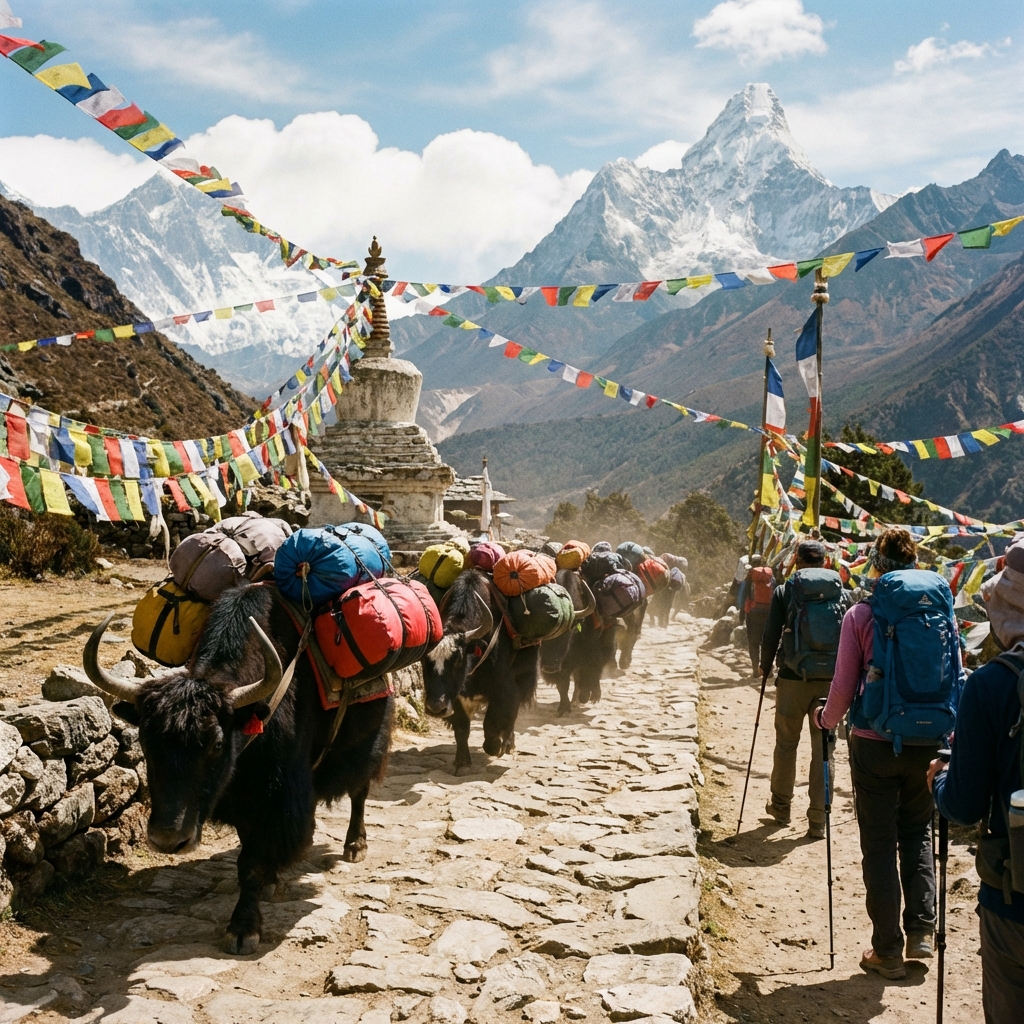
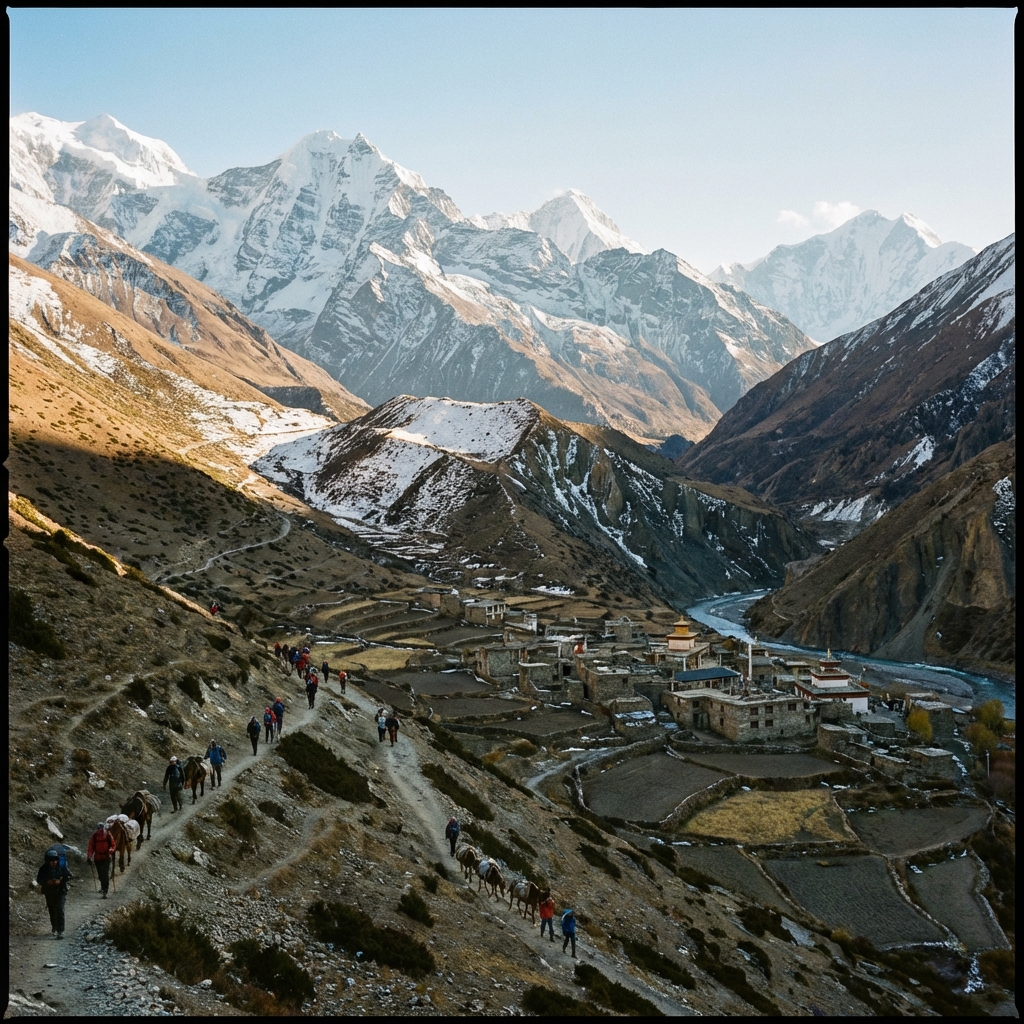
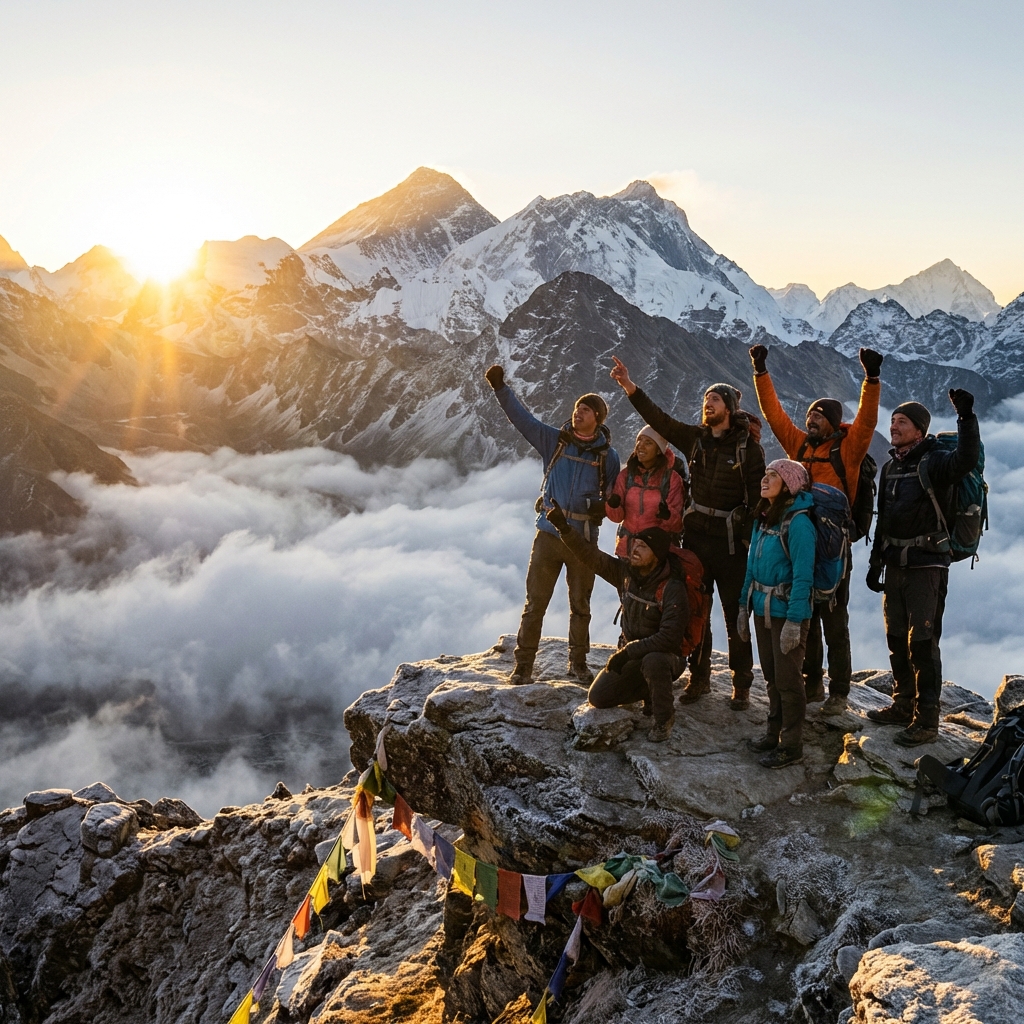
Nepal is the undisputed capital of high-altitude mountaineering, home to eight of the world's fourteen 8,000-meter peaks and dozens of accessible climbing objectives for aspiring mountaineers. Peak climbing in Nepal bridges the gap between trekking and expedition mountaineering, offering climbers the opportunity to summit peaks ranging from 5,587 meters to over 8,000 meters with varying levels of technical difficulty.
The Nepal Mountaineering Association (NMA) manages 33 designated "trekking peaks" that can be climbed with relatively streamlined permits and moderate technical requirements, while the Ministry of Tourism oversees larger "expedition peaks" that require more extensive permitting, liaison officers, and higher royalty fees. Understanding this distinction is crucial for planning your peak climbing adventure.
This comprehensive guide covers everything you need to know about peak climbing in Nepal: the complete list of available peaks, permit systems and costs, technical requirements by difficulty grade, training preparation, gear requirements, season considerations, safety protocols, and how to progress from your first 6,000-meter summit toward 8,000-meter expeditions.
33 peaks
326 peaks (including 8000m)
Island Peak (6,189m)
Mera Peak (6,476m)
$250-$500 USD
$11,000-$25,000 USD
April-May, September-November
14-21 days
70-85%
High altitude trekking
Introduction to Peak Climbing in Nepal
Peak climbing represents the natural progression for trekkers seeking to challenge themselves beyond established trails and experience the thrill of standing on a Himalayan summit. Unlike standard trekking where you follow well-marked paths to base camps or high passes, peak climbing involves ascending to true mountain summits using mountaineering techniques such as rope work, crampon use, and occasionally ice axe self-arrest.
Nepal offers an unparalleled range of climbing objectives suitable for various experience levels. A complete beginner with solid trekking fitness can realistically summit Mera Peak (6,476m) or Island Peak (6,189m) with proper guided support, while experienced mountaineers can tackle technical challenges like Ama Dablam (6,812m) or prepare for 8,000-meter expeditions.
The appeal of Nepal's trekking peaks lies in their accessibility combined with the authentic mountaineering experience they provide. You'll learn fundamental climbing skills, experience the physical and mental challenges of high-altitude climbing, and earn the satisfaction of standing on a genuine Himalayan summit, all within a 2-3 week timeframe that fits most vacation schedules.
What Makes Nepal's Peak Climbing Unique
Nepal's trekking peak system was established in 1978 to encourage mountaineering tourism while protecting larger peaks for serious expeditions. The 33 NMA-managed peaks provide a structured progression path from first-time climber to experienced mountaineer, with clear permit processes, established routes, and experienced local guides. This system has made Nepal the world's premier destination for aspiring high-altitude climbers.
Who Should Consider Peak Climbing?
Peak climbing is appropriate for trekkers who meet the following criteria:
Physical requirements:
- Successfully completed high-altitude treks (4,500m+ sleeping altitude)
- Above-average cardiovascular fitness
- Comfortable hiking 6-8 hours daily with elevation gain
- No significant medical conditions affecting altitude performance
Mental requirements:
- Comfortable with exposure and heights
- Willing to learn and practice technical skills
- Patient with weather delays and schedule changes
- Accepting of objective risks inherent in mountaineering
Experience requirements (varies by peak):
- Easiest peaks (Mera, Island): High-altitude trekking experience
- Moderate peaks (Lobuche East, Yala): Basic mountaineering training helpful
- Technical peaks (Ama Dablam, Baruntse): Prior climbing experience required
Trekking Peaks vs Expedition Peaks: Understanding the Difference
Nepal categorizes climbable peaks into two primary classifications that significantly affect permit costs, logistics, and climbing approach.
Trekking Peaks (NMA Peaks)
Trekking peaks are 33 mountains managed by the Nepal Mountaineering Association, ranging from 5,587m (Tharpu Chuli) to 6,654m (Hiunchuli). These peaks were designated as accessible objectives for mountaineering tourists, with streamlined permit processes and moderate technical requirements.
Key characteristics:
- NMA permit process (simpler, faster)
- Lower permit fees ($250-$500 per person)
- No liaison officer requirement
- Smaller climbing teams permitted
- Established routes with seasonal traffic
- Local guide/agency arrangement typical
- 2-3 week expedition timeframe
Common misconceptions corrected:
- "Trekking peak" does NOT mean easy or non-technical
- Some trekking peaks (Kusum Kanguru, Ama Dablam) are highly technical
- The designation relates to permit category, not climbing difficulty
- Deaths occur on trekking peaks; they require proper respect
Expedition Peaks
Expedition peaks include all mountains not on the NMA trekking peak list, from smaller 6,000m peaks to the eight 8,000m giants. These require permits from the Ministry of Tourism with significantly higher royalty fees and additional bureaucratic requirements.
Key characteristics:
- Ministry of Tourism permit process
- Higher royalty fees ($500-$25,000+)
- Liaison officer required (additional cost)
- Peak booking system for popular mountains
- Larger expedition infrastructure expected
- Insurance bond requirements
- Environmental fees and deposits
- 4-12 week expedition timeframe typical
Starting Your Climbing Career
Begin with an NMA trekking peak to learn the ropes (literally). The streamlined permit process, lower costs, and abundance of experienced guides make trekking peaks ideal training grounds. Most climbers who eventually summit 8,000m peaks started their careers on Island Peak, Mera Peak, or similar objectives.
Complete List of 33 NMA Trekking Peaks
The Nepal Mountaineering Association recognizes 33 trekking peaks across Nepal's major mountain regions. These peaks are classified into two groups affecting permit pricing: Group A (higher peaks, higher fees) and Group B (lower peaks, lower fees).
Group A Trekking Peaks (Higher Fees)
| Peak Name | Height | Region | Technical Grade | Best For |
|---|---|---|---|---|
| Mera Peak | 6,476m | Khumbu/Hinku | PD (Peu Difficile) | Beginners, highest trekking peak |
| Island Peak (Imja Tse) | 6,189m | Khumbu | PD+ | Most popular, EBC combination |
| Lobuche East | 6,119m | Khumbu | PD | Beginners, technical training |
| Ama Dablam | 6,812m | Khumbu | TD (Tres Difficile) | Experienced climbers only |
| Baruntse | 7,129m | Khumbu/Makalu | AD+ | Advanced mountaineers |
| Kusum Kanguru | 6,367m | Khumbu | TD+ | Expert technical climbing |
| Kwangde | 6,187m | Khumbu | D | Experienced climbers |
| Chulu East | 6,584m | Annapurna | PD+ | Circuit combination |
| Chulu West | 6,419m | Annapurna | PD | Circuit combination |
| Pisang Peak | 6,091m | Annapurna | PD | Circuit combination, accessible |
| Tharpu Chuli (Tent Peak) | 5,663m | Annapurna | PD- | Beginners, ABC approach |
| Singu Chuli (Fluted Peak) | 6,501m | Annapurna | D+ | Technical, experienced |
| Hiunchuli | 6,441m | Annapurna | AD | Moderate technical |
| Paldor Peak | 5,896m | Ganesh | PD- | Off-the-beaten-path |
| Langtang Lirung | 7,227m | Langtang | TD | Advanced mountaineers |
| Yalung Ri | 5,630m | Langtang | F (Facile) | Easiest trekking peak |
| Naya Kanga | 5,844m | Langtang | PD | Moderate, Langtang combo |
Group B Trekking Peaks (Lower Fees)
| Peak Name | Height | Region | Technical Grade | Best For |
|---|---|---|---|---|
| Pokhalde | 5,806m | Khumbu | F+ | Very accessible |
| Kongma Tse | 5,849m | Khumbu | PD- | EBC addition |
| Ramdung | 5,925m | Rolwaling | PD | Less crowded |
| Pachermo | 6,187m | Rolwaling | AD | Tashi Lapcha crossing |
| Pharchamo | 6,187m | Rolwaling | AD | Remote, scenic |
| Yala Peak | 5,732m | Langtang | F+ | Very accessible |
| Ganja La Chuli | 5,846m | Langtang | PD | Pass combination |
| Mardi Himal | 5,587m | Annapurna | PD- | Accessible, popular |
| Bokta Peak | 6,143m | Kanchenjunga | PD | Remote region |
| Kyazo Ri | 6,186m | Khumbu | PD | Less climbed |
| Imja Tse | 6,160m | Khumbu | PD | Alternative Island Peak route |
| Thapa Peak | 6,012m | Dhaulagiri | PD | Remote |
| Dhampus Peak | 6,012m | Dhaulagiri | PD | Dhaulagiri circuit |
| Saipal Base Camp Peak | 5,920m | Far West | PD | Remote exploration |
| Ombigaichen | 6,340m | Khumbu | D | Technical, remote |
| Cholatse | 6,440m | Khumbu | D+ | Technical challenge |
Difficulty Grades Explained
Alpine grades describe overall difficulty. F (Facile) means straightforward with minimal technical terrain. PD (Peu Difficile) involves moderate snow/ice slopes and basic rope work. AD (Assez Difficile) requires solid technical skills. D (Difficile) and TD (Tres Difficile) demand expert mountaineering ability. Never underestimate a Himalayan peak; conditions change rapidly.
Most Popular Peaks for Beginners
Three peaks dominate the first-time climber market due to their combination of accessible difficulty, stunning locations, and established infrastructure.
Island Peak (Imja Tse) - 6,189m
Island Peak is Nepal's most climbed trekking peak, with approximately 3,000 summit attempts annually. Its location in the heart of the Khumbu region, combined with the EBC trek approach and moderate technical difficulty, makes it the classic introduction to Himalayan climbing.
Why Island Peak is popular:
- Combines with Everest Base Camp trek (same approach)
- Stunning location surrounded by Lhotse, Nuptse, Makalu
- Technical but not extreme (PD+ grade)
- Short summit day (5-7 hours round trip from high camp)
- Well-established route with fixed lines
- High success rate (70-85% in good conditions)
- Abundant guide services and infrastructure
Island Peak route overview: The standard route begins from Chukhung village (4,730m) in the Imja Valley. Climbers establish high camp at approximately 5,600m on a moraine plateau beneath the peak. Summit day involves crossing a glacier, ascending a headwall with fixed ropes, negotiating a narrow snow ridge, and topping out on the summit pyramid.
Technical requirements:
- Crampon proficiency (front-pointing on 45-50 degree ice)
- Jumar (ascender) use on fixed lines
- Basic rope handling and harness systems
- Self-arrest technique
- Comfort with exposure (narrow ridge sections)
Typical itinerary (18-20 days):
- Days 1-9: EBC trek approach via Lukla to Chukhung
- Days 10-11: Climbing training and acclimatization
- Day 12: Approach to high camp
- Day 13: Summit day, return to Chukhung
- Days 14-18: Trek descent to Lukla
- Days 19-20: Buffer for weather/flights
Cost range: $3,500-$6,000 including flights, permits, guide, accommodation, food
6,189m (20,305 ft)
PD+ (Alpine)
18-20 days
April-May, Oct-Nov
70-85%
$250 (spring), $125 (autumn)
EBC route to Chukhung
5,600m
5-7 hours round trip
High altitude trekking
Mera Peak - 6,476m
Mera Peak is Nepal's highest trekking peak and paradoxically one of the easiest due to its non-technical nature. The straightforward snow climb makes it ideal for fit trekkers with minimal technical climbing experience seeking their first 6,000m summit.
Why Mera Peak is popular:
- Highest trekking peak (6,476m) - significant altitude achievement
- Technically easiest of major peaks (mostly walking on snow)
- Stunning summit views of five 8,000m peaks (Everest, Lhotse, Makalu, Kangchenjunga, Cho Oyu)
- No technical rock or ice climbing required
- Less crowded than Island Peak
- Excellent acclimatization (high camps at 5,800m)
- Good first peak for aspiring 8,000m climbers
Mera Peak route overview: The approach passes through the remote Hinku Valley, requiring either a flight to Lukla and walk over the Zatr La pass (4,580m) or a longer approach from Tumlingtar. The mountain itself is a broad snow dome climbed via straightforward snow slopes. Three summits exist; most groups target the true summit (Mera Central).
Technical requirements:
- Walking with crampons on moderate snow slopes
- Basic rope team travel (roped glacier crossing)
- No technical ice climbing required
- Stamina for long summit day (8-12 hours round trip)
- Ability to handle cold and altitude
Typical itinerary (18-21 days):
- Days 1-8: Approach trek via Lukla/Zatr La to Khare
- Days 9-11: Acclimatization and training at Khare
- Day 12: Move to Mera La high camp (5,415m)
- Day 13: Summit day or rest/weather day
- Day 14: Summit day and descent
- Days 15-20: Trek descent to Lukla
- Day 21: Buffer day
Cost range: $3,000-$5,500 including flights, permits, guide, camping, food
Lobuche East - 6,119m
Lobuche East offers excellent technical training on real Himalayan terrain while remaining accessible to determined beginners. Its location directly on the EBC trail makes logistics straightforward.
Why Lobuche East is popular:
- Direct EBC trail access (convenient approach)
- Excellent views of Everest, Nuptse, Pumori
- More technical than Mera (better training)
- Less crowded than Island Peak
- Shorter summit day than Mera
- Good acclimatization opportunity
- Solid preparation for harder peaks
Lobuche East route overview: From Lobuche village (4,940m) on the EBC trail, climbers ascend to high camp at approximately 5,600m. The summit push involves snow slopes, a short rock step, and steep snow to the summit. Multiple routes exist with varying difficulty.
Technical requirements:
- Solid crampon technique including front-pointing
- Fixed rope ascension (jumar use)
- Basic rock scrambling
- Rope handling and belaying basics
- Self-arrest proficiency
Typical itinerary (16-18 days):
- Days 1-8: EBC approach to Lobuche village
- Days 9-10: Acclimatization and training
- Day 11: Approach to high camp
- Day 12: Summit day, return to Lobuche
- Days 13-16: Trek descent to Lukla
- Days 17-18: Buffer days
Cost range: $3,200-$5,500 including flights, permits, guide, accommodation, food
Technical Requirements by Peak Category
Understanding technical requirements helps you choose appropriate peaks and prepare adequately.
Category 1: Non-Technical Peaks (F to PD-)
Peaks: Yala Peak, Yalung Ri, Mardi Himal, Tharpu Chuli, Paldor
Skills required:
- Walking with crampons on moderate slopes (up to 35 degrees)
- Basic rope team travel for glacier crossing
- High-altitude trekking fitness
- Cold weather camping experience
Training recommendation:
- Crampon practice on steep terrain (ideally snow/ice)
- One day mountaineering course or guided training
- High-altitude trekking experience (4,500m+)
Typical guided support: 1 guide per 2-3 climbers
Category 2: Moderate Technical Peaks (PD to PD+)
Peaks: Island Peak, Mera Peak, Lobuche East, Pisang Peak, Chulu West, Naya Kanga
Skills required:
- Front-pointing with crampons on steeper ice (40-50 degrees)
- Ascending fixed ropes using jumar/ascender
- Basic self-arrest with ice axe
- Roped team glacier travel
- Understanding of crevasse rescue basics
- Comfort with exposure (ridge walking)
Training recommendation:
- Multi-day mountaineering course covering rope skills
- Prior high-altitude trekking (5,000m+)
- Practice on snow/ice terrain if accessible
- Rock scrambling experience helpful
Typical guided support: 1 guide per 2 climbers
Category 3: Technical Peaks (AD to D)
Peaks: Hiunchuli, Kwangde, Pachermo, Singu Chuli, Cholatse
Skills required:
- All Category 2 skills plus:
- Multi-pitch climbing experience
- Lead climbing ability (snow/ice)
- Advanced rope rescue techniques
- Mixed climbing basics (rock and ice)
- Bivouac experience at altitude
- Independent judgment in variable conditions
Training recommendation:
- Formal mountaineering course (1-2 weeks minimum)
- Prior peak climbing experience (Category 2 peak)
- Sport climbing experience (helpful)
- Winter mountaineering experience in home range
Typical guided support: 1 guide per 1 climber
Category 4: Expert Technical Peaks (D+ to TD)
Peaks: Ama Dablam, Kusum Kanguru, Langtang Lirung, Baruntse
Skills required:
- All previous category skills plus:
- Expert-level ice climbing (Scottish Grade IV+)
- Rock climbing to VS/5.9 standard
- Multi-day technical climbing experience
- High-altitude expedition experience
- Self-sufficient decision making
- Rescue and emergency response capability
Training recommendation:
- Extensive alpine climbing background
- Multiple prior peak climbs at altitude
- Technical climbing courses (ice, mixed, alpine)
- Prior experience on Category 3 peaks
Typical guided support: Often 1:1 guide-to-climber ratio
Progressive Training Path
Build your skills incrementally. Start with a mountaineering course at home, then attempt a non-technical peak like Yala or Mardi Himal. Progress to Island Peak or Mera Peak, then consider more technical objectives. Each climb builds experience and confidence for the next challenge.
Permit System and Costs
NMA Trekking Peak Permits
The Nepal Mountaineering Association manages permits for all 33 trekking peaks with a straightforward application process.
Group A Peak Fees (2026 rates):
| Season | Nepalese Climber | SAARC National | Foreign Climber |
|---|---|---|---|
| Spring (Mar-May) | NPR 3,000 | $125 | $250 |
| Autumn (Sept-Nov) | NPR 3,000 | $125 | $250 |
| Summer/Winter | NPR 2,000 | $75 | $125 |
Group B Peak Fees (2026 rates):
| Season | Nepalese Climber | SAARC National | Foreign Climber |
|---|---|---|---|
| Spring (Mar-May) | NPR 2,000 | $75 | $125 |
| Autumn (Sept-Nov) | NPR 2,000 | $75 | $125 |
| Summer/Winter | NPR 1,500 | $50 | $75 |
Permit application requirements:
- Valid passport (6+ months validity)
- Passport-sized photos (4 copies)
- Travel insurance covering mountain rescue to 6,500m
- Trekking agency registration (mandatory)
- Climbing itinerary and team member list
Permit processing:
- Standard processing: 1-2 business days
- Applications through registered trekking agency
- Permits issued in Kathmandu at NMA office
- Group permits allowed (cost per climber)
Expedition Peak Permits (Ministry of Tourism)
Expedition peaks require permits from the Ministry of Tourism with significantly higher fees and additional requirements.
Sample royalty fees (2025):
| Peak | Spring Season | Autumn Season |
|---|---|---|
| Mount Everest (8,849m) | $11,000 | $11,000 |
| Lhotse (8,516m) | $7,500 | $3,750 |
| Makalu (8,485m) | $5,000 | $2,500 |
| Cho Oyu (8,188m) | $5,000 | $2,500 |
| Manaslu (8,163m) | $3,000 | $1,500 |
| Dhaulagiri (8,167m) | $3,000 | $1,500 |
| Ama Dablam (6,812m) | $500 | $250 |
Additional expedition requirements:
- Liaison officer assignment (costs covered by expedition)
- Environmental deposit ($4,000, refundable)
- Garbage deposit (refundable upon compliance)
- Insurance bond for team members
- Detailed expedition plan and timeline
Permit Cost Reality
While NMA permit fees appear modest ($125-$500), remember they're just one component of total expedition cost. Agency fees, guide costs, food, accommodation, transport, and gear typically represent 80-90% of total expenses. A $250 Island Peak permit sits within a $4,000-5,000 total expedition budget.
Additional Required Permits
Beyond climbing permits, peak climbing expeditions require standard trekking documentation:
TIMS Card: NPR 2,000 through registered agency, required for trekking portion
National Park Permits:
- Sagarmatha National Park (Everest region): $30
- Annapurna Conservation Area: $30
- Langtang National Park: $30
- Makalu Barun National Park: $30
Local Municipality Fees: Varies by region, typically $20-30
Total permit costs (example: Island Peak):
- NMA climbing permit: $250
- Sagarmatha National Park: $30
- Khumbu Municipality: $20
- TIMS: NPR 2,000
- Total: $300
Training and Preparation Timeline
Proper preparation significantly increases summit success rates and safety margins.
12-Month Preparation Timeline (First-Time Climbers)
Months 12-9 (Foundation Building):
- Establish baseline cardio fitness (run/cycle 3-4x weekly)
- Begin strength training (legs, core, upper body)
- Start hiking with loaded pack (gradually increase weight)
- Research peaks and book with agency
Months 9-6 (Technical Introduction):
- Complete basic mountaineering course (crampon, ice axe, rope skills)
- Practice on snow/ice terrain if accessible
- Increase hiking intensity and elevation gain
- Build to 6-8 hour training hikes with 25-30kg pack
- Consider altitude simulation training if available
Months 6-3 (Peak Training):
- Maintain 4-5 cardio sessions weekly
- Weekend long hikes (6-10 hours)
- Technical practice sessions (rope skills, crampon work)
- Altitude tent training if accessible
- Finalize gear purchases and test all equipment
- Begin mental preparation and visualization
Months 3-1 (Final Preparation):
- Taper training final 2 weeks before departure
- Practice with all expedition gear
- Review emergency procedures
- Confirm all permits and logistics with agency
- Final medical checkup
Final Month:
- Pack carefully with checklists
- Confirm flights and transfers
- Rest and recover
- Mental focus on climb
Physical Fitness Benchmarks
Before attempting a 6,000m trekking peak, you should comfortably achieve:
Cardiovascular:
- Run 10km in under 60 minutes
- Cycle 50km in under 2.5 hours
- Hike 20km with 1,500m elevation gain in single day
Strength/Endurance:
- Hike 6-8 hours carrying 25-30kg pack
- Squat bodyweight for 15+ reps
- Plank for 2+ minutes
- Step-ups for 20+ minutes continuous
Altitude-Specific:
- Previous trekking to 5,000m+ without significant AMS
- Successful acclimatization on prior high treks
- No history of HACE or HAPE
Train Beyond Minimum
Summit success correlates directly with fitness level. Training for a 6,000m peak should leave you feeling the climb is "easy" relative to your training. If you arrive at base camp exhausted from training hikes, you're underprepared. Build a fitness reserve; the mountain will demand it.
Pre-Climb Acclimatization
Your expedition itinerary should include adequate acclimatization before summit attempts:
Minimum acclimatization schedule:
- Sleep at 3,500m before ascending higher
- Maximum 400-500m sleeping altitude gain per day above 3,000m
- One rest day for every 1,000m gained
- Reach high camp altitude (5,500-5,800m) at least once before summit bid
- Total approach trek: minimum 10-12 days before summit attempt
Signs of proper acclimatization:
- Sleeping comfortably at altitude
- No persistent headaches
- Normal appetite returning
- Stable heart rate
- Clear urine output
- Energy for daily activities
Warning signs requiring descent:
- Persistent severe headache
- Vomiting or nausea that doesn't resolve
- Confusion or coordination problems
- Breathlessness at rest
- Cough with pink frothy sputum
- Severe fatigue beyond normal
Essential Gear for Peak Climbing
Peak climbing requires substantial additional gear beyond standard trekking equipment.
Technical Climbing Gear
Footwear:
- Mountaineering boots (rated to -25C or colder)
- B2 or B3 crampon-compatible boots
- Fit tested with thick socks
- Broken in before expedition
- Cost: $300-700
Crampons:
- 12-point steel crampons
- Semi-automatic or automatic binding
- Compatible with your specific boots
- Practice walking and climbing before expedition
- Cost: $150-350
Ice Axe:
- 50-70cm length (depending on height/use)
- General mountaineering style
- Rubber grip for cold temperatures
- Wrist leash included
- Cost: $80-250
Harness:
- Mountaineering harness (minimal bulk, adjustable leg loops)
- Full-strength gear loops
- Comfortable for long periods
- Cost: $60-180
Helmet:
- Certified climbing helmet
- Lightweight, ventilated
- Headlamp compatible clips
- Cost: $50-150
Ascenders and Descenders:
- Jumar/ascender for fixed ropes
- Belay/rappel device (ATC or similar)
- Prusik loops as backup
- Cost: $80-200
Carabiners and Slings:
- 4-6 locking carabiners
- 2-4 non-locking carabiners
- 2-3 sewn slings (120cm)
- Personal anchor system
- Cost: $80-150
Clothing Layers
Base Layers:
- 2-3 moisture-wicking tops
- 2-3 moisture-wicking bottoms
- Merino wool or synthetic materials
- No cotton at altitude
- Cost: $100-200
Insulation Layers:
- Fleece jacket or synthetic mid-layer
- Down jacket (minimum 600 fill, rated to -15C)
- Down or synthetic pants for summit day
- Cost: $200-500
Shell Layers:
- Waterproof/breathable jacket (Gore-Tex or equivalent)
- Waterproof/breathable pants with full side zips
- Wind resistant but breathable options for approach
- Cost: $200-500
Extremity Protection:
- Mountaineering gloves (insulated, waterproof)
- Liner gloves for dexterity
- Expedition mittens for summit day
- Warm hat (fleece or wool)
- Balaclava or face covering
- Glacier sunglasses (Category 4)
- Ski goggles for summit day/storms
- Gaiters (knee height)
- Cost: $200-400
Camping and Personal Gear
Sleep System:
- Expedition sleeping bag (rated to -25C or colder)
- Sleeping bag liner (warmth and hygiene)
- Insulated sleeping pad (R-value 5+)
- Cost: $400-800
Backpacks:
- 60-75L expedition pack for approach
- 30-40L summit pack
- Pack covers or dry bags
- Cost: $150-400
Accessories:
- Headlamp with extra batteries
- Trekking poles (adjustable, metal tips)
- Thermos (1 liter)
- Water bottles (insulated)
- Sunscreen (SPF 50+)
- Lip balm (SPF 30+)
- Altitude medication (Diamox, consult doctor)
- Personal first aid kit
- Pee bottle (essential at altitude)
- Cost: $150-300
Gear Quality Matters
High-altitude gear is safety equipment, not optional comfort. Failed boots, inadequate insulation, or poor crampons can result in frostbite, injury, or death. Invest in quality mountaineering-specific equipment from reputable brands. This is not the place to economize.
Gear Rental Options
For first-time climbers or those with limited budgets, gear rental in Kathmandu offers significant savings.
Available for rent:
- Down jacket and pants: $40-80 per expedition
- Sleeping bag: $40-80 per expedition
- Crampons: $20-40 per expedition
- Ice axe: $15-30 per expedition
- Mountaineering boots: $50-80 per expedition
- Complete technical kit: $150-250 per expedition
Buy vs rent recommendation:
- Rent if: First peak climb, testing the activity, budget constraints
- Buy if: Planning multiple expeditions, specific sizing needs, quality concerns
Rental sources:
- Thamel outdoor shops (Shona Alpine, Himalayan Exploration)
- Trekking agency gear libraries
- Individual guide gear pools
Cost Overview: Budget to Premium
Peak climbing expenses vary significantly based on peak choice, guiding ratio, and comfort level.
Island Peak Cost Breakdown
| Expense Category | Budget | Mid-Range | Premium |
|---|---|---|---|
| Lukla Flights | $215-400 | $350-400 | $400-500 |
| Climbing Permit (NMA) | $250 | $250 | $250 |
| National Park Permit | $30 | $30 | $30 |
| Local Municipality | $20 | $20 | $20 |
| Guide/Agency Fee | $800-1,200 | $1,500-2,500 | $3,000-5,000 |
| Accommodation (trek) | $150-250 | $250-400 | $400-600 |
| Food (trek) | $200-300 | $300-500 | $500-800 |
| High Camp Food/Tent | Included | Included | Included |
| Kathmandu Hotels | $60-100 | $150-300 | $300-600 |
| Travel Insurance | $150-200 | $200-300 | $300-500 |
| Tips | $150-200 | $200-300 | $300-500 |
| Gear (rental) | $150-200 | $0 (own) | $0 (own) |
| Contingency | $100-200 | $200-300 | $300-500 |
| TOTAL | $2,410-3,550 | $3,430-5,300 | $5,730-9,300 |
Mera Peak Cost Breakdown
| Expense Category | Budget | Mid-Range | Premium |
|---|---|---|---|
| Lukla Flights | $215-400 | $350-400 | $400-500 |
| Climbing Permit (NMA) | $350 | $350 | $350 |
| National Park Permit | $30 | $30 | $30 |
| Local Municipality | $20 | $20 | $20 |
| Guide/Agency Fee | $1,000-1,500 | $1,800-3,000 | $3,500-6,000 |
| Camping Equipment/Food | Included | Included | Included |
| Porters/Yaks | Included | Included | Included |
| Kathmandu Hotels | $60-100 | $150-300 | $300-600 |
| Travel Insurance | $150-200 | $200-300 | $300-500 |
| Tips | $200-300 | $300-400 | $400-600 |
| Gear (rental) | $150-200 | $0 (own) | $0 (own) |
| Contingency | $100-200 | $200-300 | $300-500 |
| TOTAL | $2,410-3,600 | $3,380-5,400 | $6,030-9,600 |
8,000m Expedition Cost Ranges
For perspective on higher objectives:
| Peak | Budget Expedition | Standard Expedition | Premium Expedition |
|---|---|---|---|
| Everest (8,849m) | $35,000-45,000 | $45,000-65,000 | $100,000+ |
| Lhotse (8,516m) | $25,000-35,000 | $35,000-50,000 | $70,000+ |
| Manaslu (8,163m) | $8,000-12,000 | $12,000-18,000 | $25,000+ |
| Cho Oyu (8,188m) | $10,000-15,000 | $15,000-25,000 | $35,000+ |
Value Considerations
The difference between budget and premium peak climbing often comes down to guide-to-climber ratio, food quality, and agency backup support. For first-time climbers, mid-range packages ($3,500-5,000 for Island/Mera) offer the best balance of safety, support, and value. Expert climbers can economize with budget options; beginners should invest in quality guidance.
Best Seasons for Different Peaks
Climbing seasons vary by region and peak characteristics.
Spring Season (April - May)
Best for: Most peaks, especially higher objectives
Advantages:
- Warming temperatures reduce cold injury risk
- Stable weather windows common
- Good snow conditions on most routes
- Optimal for peaks above 6,000m
- Longer daylight hours
Disadvantages:
- Higher permit costs (peak season pricing)
- More crowded on popular peaks
- Afternoon clouds common
- Warmer temps can create slushy conditions
Ideal peaks for spring:
- All Everest region peaks
- All Annapurna region peaks
- Langtang region peaks
- Higher technical objectives
Peak timing:
- Early April: Good for lower peaks
- Mid to late April: Best overall window
- Early May: Excellent for 6,500m+ peaks
- Late May: Monsoon approaching, conditions declining
Autumn Season (September - November)
Best for: Most peaks, clearest views
Advantages:
- Post-monsoon stable weather
- Crystal clear visibility
- Good snow conditions
- Lower permit costs (autumn rates)
- Excellent photography conditions
Disadvantages:
- Colder temperatures than spring
- Shorter daylight hours
- Some high routes may be icy
- Wind can be strong
Ideal peaks for autumn:
- Island Peak (classic season)
- Mera Peak (good visibility)
- Lobuche East (stable weather)
- Lower Annapurna peaks
Peak timing:
- Late September: Monsoon clearing
- October: Prime climbing month
- Early November: Excellent conditions
- Late November: Increasingly cold
Winter Season (December - February)
Best for: Experienced climbers, lower peaks
Advantages:
- Solitude (very few climbers)
- Lowest permit costs
- Clear skies between storms
- Potentially stable high pressure
Disadvantages:
- Extreme cold (frostbite risk significant)
- Short daylight hours
- Some routes impassable (snow depth)
- Limited rescue options
- Many teahouses closed
Suitable winter peaks:
- Mera Peak (with strong cold weather gear)
- Pisang Peak
- Yala Peak
- Mardi Himal
Not recommended in winter:
- Technical peaks
- Peaks above 6,500m
- Remote regions
Summer/Monsoon Season (June - August)
Generally not recommended for peak climbing due to:
- Heavy precipitation
- Dangerous avalanche conditions
- Limited visibility
- Difficult approaches
- Leech-infested lower trails
Exceptions:
- Trans-Himalayan peaks (rain shadow effect)
- Some Mustang region peaks
- Experienced climbers accepting conditions
Safety Considerations and Rescue
Peak climbing carries inherent risks that require serious preparation and awareness.
Primary Risks
Altitude-Related Illness:
- Acute Mountain Sickness (AMS): Most common, usually manageable
- High Altitude Pulmonary Edema (HAPE): Serious, requires immediate descent
- High Altitude Cerebral Edema (HACE): Life-threatening, requires immediate descent
Prevention strategies:
- Proper acclimatization schedule
- Adequate hydration (3-4 liters daily at altitude)
- Diamox prophylaxis (consult doctor)
- Recognition of symptoms
- Willingness to descend if symptoms appear
Objective Hazards:
- Avalanche: Snow slope instability
- Rockfall: Loose terrain, other climbers
- Crevasses: Hidden glacier hazards
- Weather: Sudden storms, whiteout conditions
- Serac/ice fall: Unstable ice formations
Mitigation strategies:
- Experienced guide assessment
- Early starts (frozen conditions)
- Proper route selection
- Weather monitoring
- Appropriate rope teams and glacier travel
Technical Risks:
- Falls: Slips on steep terrain
- Equipment failure: Gear issues at critical moments
- Frostbite: Cold injury to extremities
- Exhaustion: Overextension beyond ability
Insurance Requirements
Mandatory coverage for peak climbing:
- Emergency evacuation by helicopter to 6,500m+
- Medical treatment for altitude illness
- Search and rescue coverage
- Repatriation to home country
- Coverage amount: minimum $100,000 evacuation
Recommended coverage:
- Trip cancellation/interruption
- Gear loss or damage
- Third-party liability
- Emergency medical treatment worldwide
Provider verification:
- Confirm policy covers climbing activities
- Verify altitude limits match your peak
- Ensure helicopter evacuation explicitly included
- Confirm coverage in Nepal specifically
- Have policy documents accessible
Emergency Communication
Communication devices for peak climbing:
- Satellite phone (Iridium or Thuraya): Most reliable
- Satellite messenger (Garmin inReach): SOS capability
- Two-way radio: Team communication
- Cell phone: Limited coverage, unreliable above 4,500m
Emergency numbers:
- Helicopter rescue: +977-1-4419561 (Simrik Air)
- CIWEC Clinic (Kathmandu): +977-1-4424111
- Your embassy: Have number saved
- Insurance emergency line: Have number saved
Rescue Procedures
If emergency occurs:
- Assess situation and provide immediate first aid
- Move victim to safer location if possible
- Activate satellite SOS or contact base camp/agency
- Provide exact GPS coordinates
- Describe medical condition clearly
- Prepare helipad if helicopter called
- Follow agency/rescue coordinator instructions
Helicopter rescue realities:
- Weather dependent (may not fly in storms)
- Altitude limited (most helicopters max around 6,000m)
- Costly ($5,000-15,000 depending on location)
- Requires payment guarantee before dispatch
- May take hours or days depending on conditions
Self-Rescue Capability
Don't rely solely on helicopter rescue. Many emergencies occur in weather or locations where helicopters can't operate. Your guide should have rescue skills, and you should understand basic self-rescue techniques. The ability to descend under your own power is your primary safety mechanism.
Choosing an Agency for Peak Climbing
Selecting the right agency significantly impacts safety and experience quality.
What to Look For
Essential criteria:
- Nepal Mountaineering Association registration
- TAAN (Trekking Agencies Association of Nepal) membership
- Documented experience on your specific peak
- Certified climbing guides (NMIA or equivalent training)
- Clear emergency protocols and communication equipment
- Proper insurance coverage for staff
- Transparent pricing with itemized costs
- Client references available
Guide qualifications to verify:
- Nepal National Mountain Guide (NMG) certification
- Wilderness first aid training
- Multiple summits on your target peak
- English communication ability
- Experience with international clients
Red flags to avoid:
- Prices dramatically below market rate
- Vague cost breakdowns
- No verifiable references
- Unlicensed guides
- No emergency communication equipment
- Excessive guide-to-climber ratios (more than 1:4 for technical peaks)
Agency Categories
Local budget agencies ($2,000-3,500 for Island Peak):
- Lower costs, basic services
- Adequate for experienced climbers
- Less personalized attention
- Variable equipment quality
- Examples: Local Kathmandu-based operators
Mid-range agencies ($3,500-5,500 for Island Peak):
- Professional guides and equipment
- Good safety standards
- Reasonable group sizes
- Solid track record
- Examples: Established Nepali companies with international clients
Premium international agencies ($6,000-10,000+ for Island Peak):
- International standards and communication
- Comprehensive support services
- Excellent safety records
- Smaller guide-to-climber ratios
- Examples: IMG, Alpenglow, Madison Mountaineering
Agency Selection Strategy
For your first peak, prioritize safety and learning over cost savings. A quality mid-range agency provides professional instruction, proper equipment, and emergency backup that justifies the premium over budget options. As you gain experience, you can economize on future expeditions.
Questions to Ask Agencies
Before booking, ask:
- What is your guide-to-climber ratio?
- What are your guides' qualifications and experience on this peak?
- What equipment is provided versus what must I bring?
- What is your summit success rate in recent seasons?
- What happens if weather forces schedule changes?
- What emergency communication do you carry?
- What is your emergency response protocol?
- What happens if I need to evacuate?
- Can you provide references from previous clients?
- What exactly is included/excluded in the price?
Progression Path: From Trekking to 8,000m
Building toward 8,000m summits requires systematic progression through intermediate objectives.
Recommended Progression Sequence
Stage 1: High-Altitude Trekking (Year 1)
- Everest Base Camp (5,364m)
- Annapurna Circuit/Thorong La (5,416m)
- Langtang Valley/Kyanjin Ri (4,773m)
- Focus: Altitude acclimatization, fitness building, Himalayan experience
Stage 2: First Trekking Peak (Year 1-2)
- Yala Peak (5,732m) or Mardi Himal (5,587m)
- Pisang Peak (6,091m) or Tharpu Chuli (5,663m)
- Focus: Basic technical skills, crampon use, roped travel, summit experience
Stage 3: Primary Trekking Peaks (Year 2-3)
- Island Peak (6,189m)
- Mera Peak (6,476m)
- Lobuche East (6,119m)
- Focus: Fixed rope techniques, glacier travel, longer summit days, cold management
Stage 4: Technical Trekking Peaks (Year 3-4)
- Chulu East (6,584m)
- Hiunchuli (6,441m)
- Pachermo (6,187m)
- Focus: Multi-pitch climbing, route finding, more demanding conditions
Stage 5: Expedition Peak Introduction (Year 4-5)
- Ama Dablam (6,812m) - technical
- Baruntse (7,129m) - altitude
- Focus: Expedition style climbing, extended time at altitude, advanced techniques
Stage 6: 8,000m Peak (Year 5+)
- Cho Oyu (8,188m) - often considered "easiest" 8,000m
- Manaslu (8,163m) - good initial 8,000m objective
- Focus: Extreme altitude, supplemental oxygen considerations, expedition leadership
Skills Development by Stage
| Stage | Key Skills to Develop |
|---|---|
| Stage 1 | Altitude management, fitness, Himalayan logistics |
| Stage 2 | Crampon walking, basic rope skills, cold weather camping |
| Stage 3 | Fixed rope ascension, glacier travel, summit day management |
| Stage 4 | Lead climbing, route selection, weather assessment |
| Stage 5 | Multi-day technical climbing, expedition logistics |
| Stage 6 | Extreme altitude, oxygen use, expedition leadership |
Timeline Reality Check
Progressing from trekker to 8,000m climber typically requires:
- 5-10 years of progressive experience
- 10-15 separate expeditions
- Significant financial investment ($50,000-100,000+ total)
- Ongoing physical training
- Multiple training courses
- Willingness to accept risk
Alternative Paths
Some climbers progress faster through intensive training and multiple expeditions per year. Others take decades, climbing when time and finances permit. There's no "correct" timeline; the key is building experience progressively rather than skipping stages. Each climb teaches lessons that prepare you for the next challenge.
Frequently Asked Questions
Final Thoughts: Making Your Decision
Peak climbing in Nepal represents one of mountaineering's most accessible yet profound experiences. Standing on a Himalayan summit, surrounded by the world's highest peaks, having pushed your physical and mental limits to get there, creates memories and achievements that last a lifetime.
If you're considering your first peak climb:
- Start with appropriate objectives: Mera Peak or Island Peak for beginners, with lower peaks like Yala or Pisang as alternatives
- Invest in preparation: Physical training, technical courses, and quality gear
- Choose reputable agencies: Safety and learning should outweigh cost savings
- Allow adequate time: Proper acclimatization is non-negotiable
- Embrace the journey: The trek and preparation are part of the experience, not just obstacles to the summit
If you're building toward bigger objectives:
- Progress systematically: Each climb teaches lessons for the next
- Build skills actively: Seek training between expeditions
- Develop judgment: Learn to make good decisions, not just follow guides
- Accept setbacks: Weather, health, and conditions sometimes win
- Maintain perspective: Summits are optional, returning safely is mandatory
Nepal's mountains have inspired generations of climbers and will continue to challenge and reward those who approach them with respect, preparation, and determination. Whether your goal is a single bucket-list summit or the beginning of a lifelong mountaineering journey, Nepal's trekking peaks offer the perfect gateway to high-altitude adventure.
- Island Peak Complete Guide
- Mera Peak Complete Guide
- Lobuche East Complete Guide
- Everest Base Camp Trek
- Best Time to Trek Everest Region
- Altitude Sickness Prevention
- Trekking Gear Complete List
- Hiring Guides and Porters
- Travel Insurance for Nepal
- Nepal Trekking Permits Explained
- Everest Region Overview
- How to Choose a Trekking Agency