
Winter Trekking in Nepal: Complete Guide to December-February Adventures
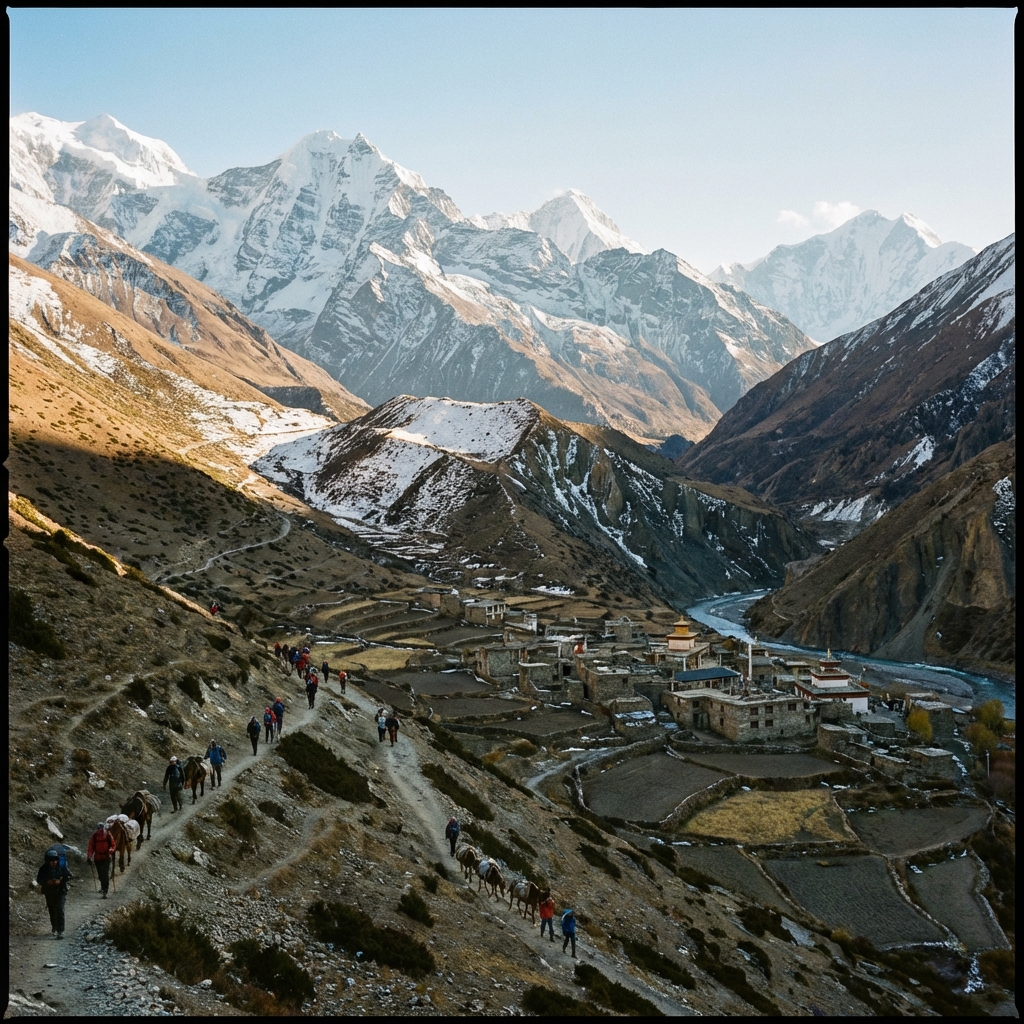
Winter in Nepal is a season of stark contrasts and exceptional rewards for those who embrace its challenges. While most trekkers flock to the Himalayas during the crowded autumn and spring seasons, a small but growing number of adventurers are discovering the unique magic of trekking Nepal between December and February. The winter months offer something that money cannot buy during peak season: solitude on world-famous trails, crystalline mountain views with visibility exceeding 200 kilometers, deep discounts on virtually every service, and an authentic glimpse into Himalayan life during its most challenging and culturally rich period.
However, winter trekking in Nepal demands respect, preparation, and honest self-assessment. This is not a casual endeavor. Temperatures at high camps plunge to -25°C or colder. Many passes become impassable due to heavy snow. Tea houses in remote areas close for the season. Daylight hours shrink considerably, affecting both daily hiking times and your psychological well-being during long cold evenings. The rewards are magnificent, but they must be earned through proper planning, appropriate gear, and realistic expectations.
This comprehensive guide provides everything you need to know about winter trekking in Nepal. We will examine the specific weather conditions month by month, identify which treks become winter wonderlands and which become dangerous gambles, detail the essential gear that separates comfortable winter trekkers from miserable ones, discuss safety considerations unique to cold-weather Himalayan travel, and help you determine whether winter trekking aligns with your experience level and adventure goals.
Whether you are an experienced cold-weather trekker seeking new challenges or a thoughtful first-time visitor considering the advantages of off-season travel, this guide will give you the information needed to make an informed decision and, if you proceed, to maximize your chances of a safe and memorable winter Himalayan adventure.
December through February
-10°C to 5°C
January
15-25% of peak season
30-45% below autumn prices
Exceptional (150-200+ km)
Low (driest season)
10-11 hours
Experienced, cold-tolerant trekkers
Main routes open, remote areas closed
Why Consider Winter Trekking in Nepal?
The question is not rhetorical. Winter trekking in Nepal offers genuine advantages that cannot be replicated during any other season. Understanding these benefits helps you weigh them against the undeniable challenges of cold-weather Himalayan travel.
The Case for Winter Trekking
Unparalleled Solitude on World-Famous Trails
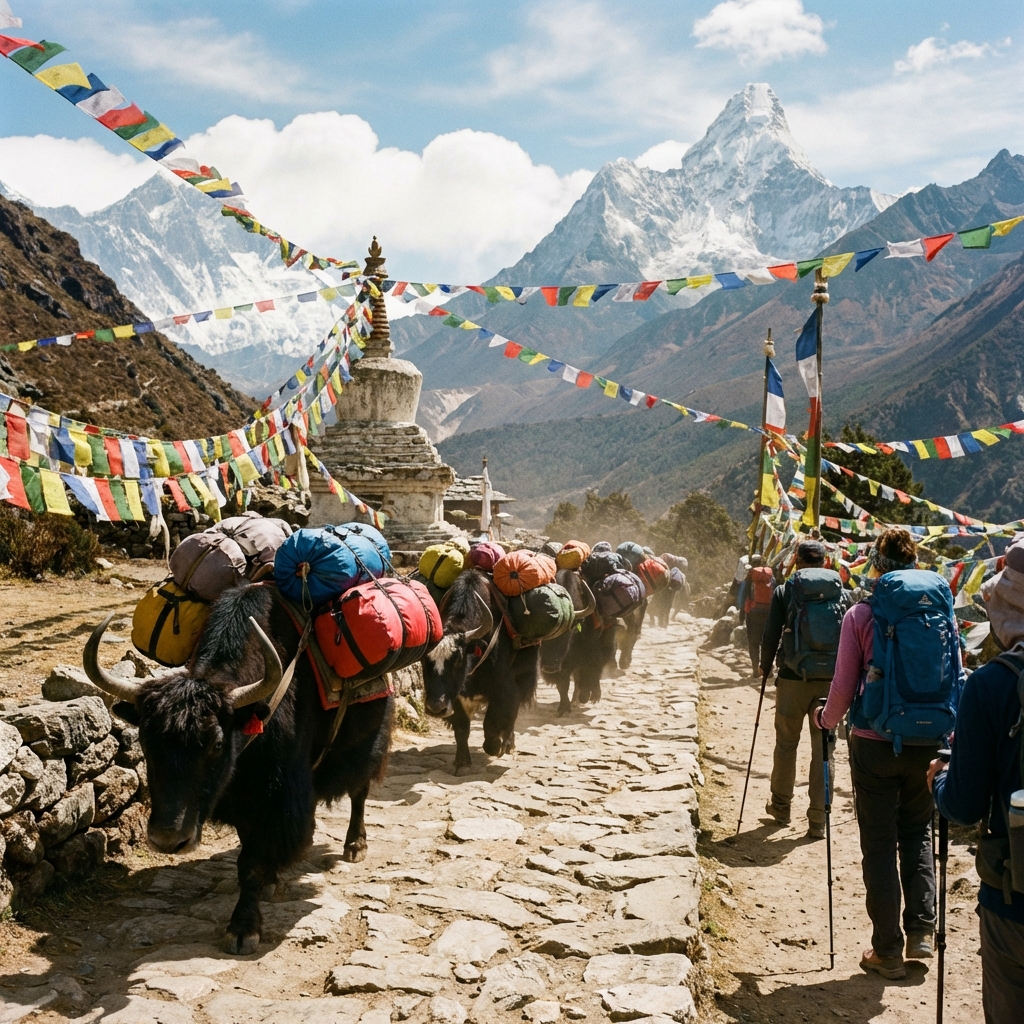
The most compelling reason to trek Nepal in winter is the near-complete absence of crowds. During October's peak, the trail to Everest Base Camp sees 500-800 trekkers departing Lukla daily. In January, that number drops to 30-70. Poon Hill, which hosts 150-300 sunrise viewers in peak season, might see 15-30 during winter. This dramatic reduction transforms your experience fundamentally.
Instead of queuing for beds at popular teahouses, you will often be the only guest, enjoying personal attention from lodge owners who have time for genuine conversation and connection. Instead of crowded viewpoints with dozens of cameras clicking simultaneously, you will stand alone (or nearly so) watching the sun paint the Himalayas in morning light. Instead of feeling like a participant in a tourism parade, you will experience what early Himalayan trekkers discovered decades ago: authentic wilderness and cultural immersion.
Exceptional Atmospheric Clarity
Winter's cold, dry air produces the year's clearest mountain visibility. The monsoon rains of June-August wash the atmosphere clean of dust and pollution, and winter's stable high-pressure systems maintain this clarity for months. Visibility regularly exceeds 150 kilometers and can reach 200+ kilometers on optimal days.
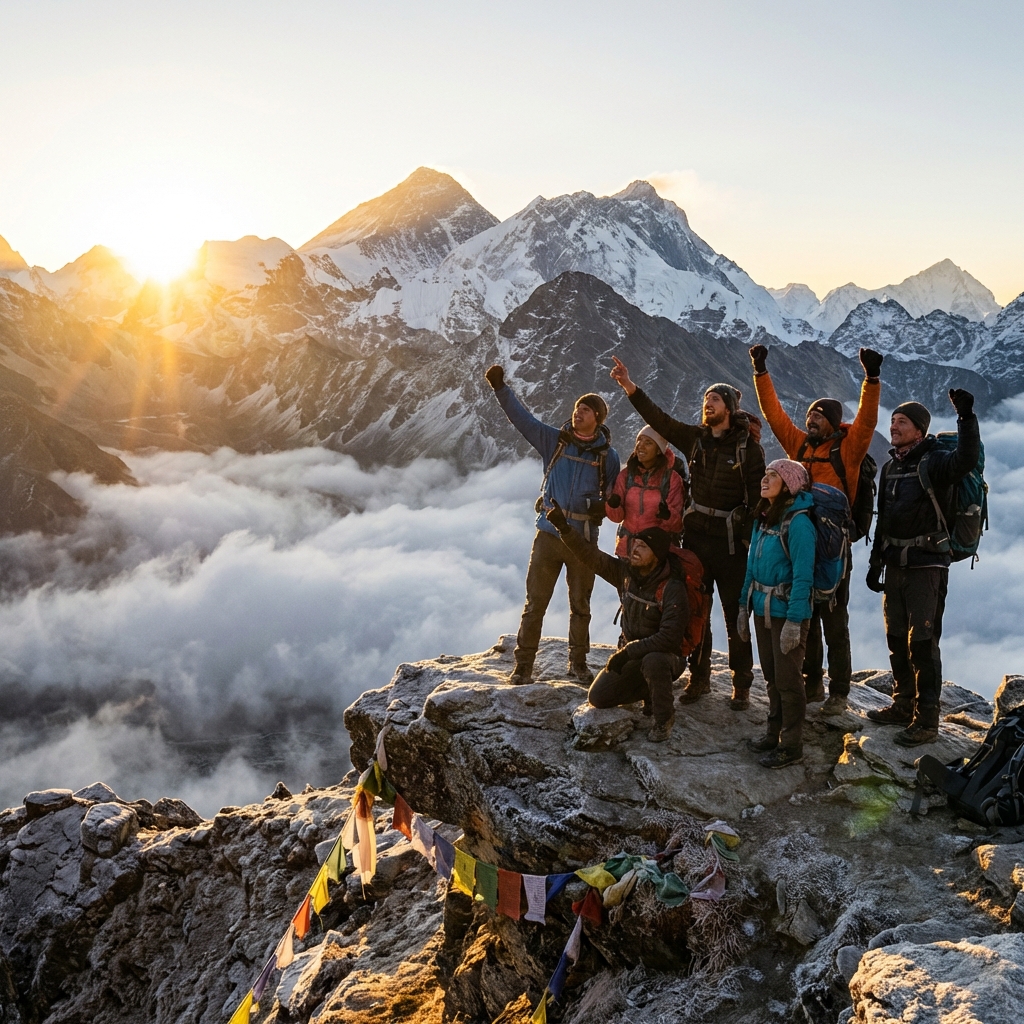
Practically, this means views that seem almost impossible. From Kala Patthar, you will see not only Everest, Lhotse, and Nuptse but individual rock features on peaks 50 kilometers away. From Gokyo Ri, the entire Himalayan chain stretches across the horizon with razor-sharp definition. The deep blue winter sky provides stunning contrast with snow-covered peaks, creating photography conditions that professional shooters specifically target.
Significant Cost Savings
Winter pricing represents the best value in Nepal trekking. With demand at annual lows, every service becomes negotiable and affordable. Teahouse accommodation drops 35-45% from peak rates. Guide and porter daily rates fall 30-35%. Package trek prices decline 30-40% overall. Even gear rental and domestic flights occasionally offer off-season discounts.
For budget-conscious trekkers willing to handle cold conditions, winter offers an opportunity to experience the Himalayas at prices impossible during peak season. A complete 14-day Everest Base Camp package that costs $2,500-3,000 in October might cost $1,500-1,900 in January.
Authentic Cultural Experiences
Winter tourism brings cultural authenticity impossible during busy seasons. When only 30 trekkers pass through Namche Bazaar daily instead of 300, local shopkeepers, lodge owners, and guides have time for real relationships. Conversations last longer than transaction times. Evening dinners become shared experiences around wood-burning stoves rather than rushed service to crowded dining halls.
Winter also coincides with important cultural celebrations. Maghe Sankranti (mid-January) marks the end of the coldest period with festivals, special foods, and religious observances throughout trekking regions. Losar (Tibetan/Sherpa New Year, typically late February) brings monastery ceremonies, traditional dancing, and community celebrations to Buddhist highland communities. Experiencing these festivals while on trek provides cultural depth impossible during tourist-focused peak seasons.
Personal Challenge and Achievement
For experienced adventurers, winter trekking represents a meaningful step up in challenge and accomplishment. Successfully completing a winter Himalayan trek requires better preparation, stronger mental resilience, and greater self-sufficiency than the same route in autumn. The achievement carries corresponding satisfaction. Winter trekkers earn their views and summit moments in ways that feel qualitatively different from peak-season visits.
Is Winter Right for You?
Winter trekking is not for everyone, and that is perfectly acceptable. If you are a first-time Himalayan trekker, value comfort over cost savings, have limited cold-weather experience, or prefer the security of crowded trails and full infrastructure, consider autumn (October-November) or spring (March-April) instead. See our year-round Nepal trekking guide to compare all seasons. Winter rewards those who specifically seek its unique challenges and characteristics. Forcing yourself into uncomfortable conditions rarely produces positive experiences.
Winter Weather Overview: Month-by-Month Analysis
Understanding winter weather patterns is essential for route selection, gear decisions, and realistic expectation-setting. While all three winter months share cold, dry characteristics, significant differences exist between December, January, and February.
General Winter Weather Patterns
Nepal's winter weather results from the same large-scale atmospheric dynamics that create favorable trekking conditions: stable high-pressure systems dominating the region after monsoon withdrawal. These systems produce clear skies, minimal precipitation, and excellent visibility. The trade-off is cold temperatures, particularly at elevation and during nighttime hours.
Key Winter Weather Characteristics:
-
Precipitation: Annual minimum. Monthly totals of 10-30mm across major trekking regions (compared to 300-500mm during monsoon months). Snowfall occurs primarily above 3,500m, with occasional storms reaching lower elevations.
-
Visibility: Annual maximum. The post-monsoon atmosphere remains remarkably clean, and winter's dry air maintains this clarity. Expect 100-200+ kilometer visibility on clear days.
-
Temperature: Annual minimum. Temperatures drop progressively through December and January before beginning gradual recovery in February. High-altitude temperatures can drop below -25°C during January nights.
-
Weather Stability: Generally excellent. Multi-day stable periods are common, though occasional cold fronts bring snowfall and reduced visibility for 1-3 days before conditions clear.
-
Daylight: Reduced but manageable. Winter solstice occurs around December 21, with the shortest days offering approximately 10.5 hours of daylight. By late February, daylight extends to nearly 11.5 hours.
December: Early Winter Transition
December marks the transition from late autumn into true winter conditions. Early December often feels like an extension of November, while late December delivers genuine winter cold, particularly at higher elevations.
December Weather Summary:
| Altitude Zone | Daytime High | Nighttime Low | Snow Conditions |
|---|---|---|---|
| Lower (2,000-2,500m) | 12-18°C | 2-8°C | Rare, brief |
| Mid (2,500-3,500m) | 6-14°C | -2 to 4°C | Occasional dustings |
| High (3,500-4,500m) | 0-8°C | -8 to -2°C | Regular accumulation |
| Very High (4,500m+) | -5 to 3°C | -15 to -8°C | Heavy, persistent |
December Trekking Conditions:
Early December (1-15) provides near-autumn conditions on most popular routes. Tea houses remain fully operational, temperatures are cold but not extreme, and crowds have thinned dramatically from November levels. This period represents perhaps the best balance of winter advantages (solitude, clarity, savings) with manageable conditions.
Late December (16-31) brings genuinely cold weather, particularly above 4,000m. Christmas and New Year attract a mini-surge of trekkers, providing slightly more company on trails and fuller tea houses. High passes begin accumulating significant snow, with some routes becoming marginal or closed depending on specific weather patterns.
December Verdict: Excellent month for lower and mid-elevation winter trekking. Early December offers autumn-like conditions with winter benefits. Late December requires serious cold preparation but remains accessible on most main routes.
January: Deep Winter Peak
January is Nepal's coldest month, a period that separates serious winter adventurers from casual cold-weather tourists. Temperatures reach annual extremes, snow accumulation peaks, and the trekking population drops to its absolute minimum. January rewards those who come prepared and punishes those who underestimate its severity.
January Weather Summary:
| Altitude Zone | Daytime High | Nighttime Low | Snow Conditions |
|---|---|---|---|
| Lower (2,000-2,500m) | 10-16°C | 0-5°C | Occasional light |
| Mid (2,500-3,500m) | 4-12°C | -5 to 2°C | Regular accumulation |
| High (3,500-4,500m) | -2 to 6°C | -12 to -5°C | Heavy, persistent |
| Very High (4,500m+) | -8 to 0°C | -20 to -12°C | Deep snow common |
January Trekking Conditions:
January temperatures at high camps regularly drop to -20°C or colder. At Gorak Shep (5,164m), temperatures of -25°C are common during clear nights. This level of cold affects every aspect of trekking: water freezes solid within minutes if not properly insulated, electronics fail without careful battery management, morning routines require genuine mental fortitude, and exposed skin risks frostbite in minutes.
Tea house infrastructure contracts during January. While main routes (Everest Base Camp main trail, Annapurna Base Camp, Langtang Valley) maintain operational lodges, many secondary routes and high-altitude facilities close. Remote areas and high passes become inaccessible without expedition-level support.
The compensating factor is January's spectacular clarity. Air visibility reaches annual peaks, creating mountain panoramas that seem almost artificial in their sharpness. With fewer than 20% of October's trekkers on trails, you will experience genuine wilderness solitude on the world's most famous trekking routes.
January Verdict: Only for experienced cold-weather trekkers with appropriate gear and realistic expectations. Magnificent rewards for those properly prepared. Dangerous and miserable for those who are not.
January Temperature Reality Check
If you have never winter camped in temperatures below -15°C, January high-altitude Nepal trekking will shock you. The cold at 5,000m is not uncomfortable; it is potentially dangerous without proper preparation. Test your cold tolerance and gear thoroughly before committing to January treks above 4,000m. Hypothermia and frostbite are genuine risks, not theoretical concerns.
February: Winter's Gradual Retreat
February begins Nepal's slow transition toward spring. Early February maintains January's deep winter character, while late February shows unmistakable signs of warming and the approaching spring season.
February Weather Summary:
| Altitude Zone | Daytime High | Nighttime Low | Snow Conditions |
|---|---|---|---|
| Lower (2,000-2,500m) | 12-20°C | 3-10°C | Rare |
| Mid (2,500-3,500m) | 6-15°C | -3 to 5°C | Decreasing |
| High (3,500-4,500m) | 0-10°C | -10 to -3°C | Variable, melting begins |
| Very High (4,500m+) | -6 to 2°C | -18 to -10°C | Still significant |
February Trekking Conditions:
Early February (1-15) closely resembles January, with extreme cold at high elevations and limited infrastructure operation. However, the psychological knowledge that temperatures are beginning to rise provides notable comfort.
Late February (16-28) brings increasingly pleasant conditions, particularly at mid-elevations. Lower trails become genuinely comfortable during daytime hours. Rhododendron buds begin forming, hinting at the spectacular spring blooms to come. Tea houses that closed in December-January begin reopening. The Tibetan/Sherpa New Year (Losar) brings cultural celebrations to highland communities.
High passes and extreme elevations remain challenging through February, though conditions improve progressively. By late February, some high routes that were closed in January become cautiously accessible again, depending on specific snow conditions.
February Verdict: Excellent month for winter trekking, particularly late February. Conditions improve progressively while maintaining winter advantages (low crowds, good prices, clear skies). The best choice for trekkers who want winter benefits without January's extreme severity.
Advantages of Winter Trekking: A Detailed Analysis
Winter trekking advantages extend far beyond simple crowd avoidance. Understanding the full scope of benefits helps you appreciate why an increasing number of experienced trekkers specifically target the winter season.
Dramatic Crowd Reduction
The numbers tell a compelling story. During October's peak, approximately 50,000-60,000 trekkers enter Nepal's major trekking regions. During January, that number drops to 8,000-12,000. This 75-85% reduction transforms every aspect of the trekking experience.
Crowd Comparison by Route (Daily Trekkers):
What Fewer Crowds Mean in Practice:
-
Accommodation Freedom: No competition for beds. Arrive at any hour and receive your choice of rooms. No need for early-morning departures to secure the next night's lodging.
-
Personal Service: Lodge owners have time for genuine hospitality. Expect personalized meal preparation, evening conversations, and local insights unavailable when staff are serving 50 guests.
-
Trail Solitude: Hours of solo walking on world-famous trails. Photograph viewpoints without waiting for crowds to clear. Experience the silence that early Himalayan explorers described.
-
Authentic Interactions: With tourist pressure reduced, local people have bandwidth for real connection. Conversations replace transactions. Relationships develop naturally.
-
Flexible Itineraries: No need to book accommodations weeks in advance. Change plans spontaneously based on weather, energy levels, or interesting detours.
Superior Mountain Visibility
Winter's atmospheric clarity produces the year's most spectacular mountain views. Multiple factors combine to create almost impossibly sharp horizons.
Visibility Factors:
-
Post-Monsoon Atmosphere: The June-August rains wash enormous quantities of dust, pollution, and particulates from the air. This clean atmosphere persists through winter.
-
Dry Air: Winter's low humidity reduces atmospheric scattering, allowing light to travel farther without diffusion.
-
Stable High Pressure: Persistent high-pressure systems minimize the moisture and dust that degrade visibility during transitional periods.
-
Cold Temperatures: Cold air holds less moisture, further reducing visibility-limiting factors.
Practical Visibility Implications:
From Kala Patthar (5,545m), October visibility allows clear views of the major Everest-area peaks. January visibility allows you to see individual rock features on peaks 50+ kilometers away and extends views into Tibet across mountain ranges normally obscured by atmospheric haze.
Professional photographers specifically target January for commercial Himalayan shoots because no other month delivers comparable clarity. The contrast between brilliant white snow and deep blue skies creates the iconic Himalayan images that define mountain photography.
Significant Cost Savings
Winter pricing makes Nepal trekking dramatically more affordable. With demand at annual minimums, every service provider competes for limited business.
Cost Comparison (Same Route, Same Services):
| Service Category | October Price | January Price | Savings |
|---|---|---|---|
| Basic Tea House Room | $8-15/night | $3-8/night | 40-55% |
| Dal Bhat Meal | $5-8 | $3-5 | 35-40% |
| Licensed Guide | $25-35/day | $18-25/day | 25-35% |
| Porter | $18-25/day | $12-18/day | 30-35% |
| Package Trek (EBC 14-day) | $2,200-3,000 | $1,400-2,000 | 30-40% |
| Gear Rental (sleeping bag) | $3-5/day | $2-3/day | 30-40% |
Budget Impact Analysis:
For a 14-day Everest Base Camp trek, winter pricing can save $700-1,200 compared to October. For budget-conscious trekkers, this difference is significant, potentially making the difference between affording the trek or not.
Additionally, winter's reduced competition for services provides negotiating leverage unavailable during peak season. When you are one of three guests instead of thirty, lodge owners and guides have strong incentive to offer favorable rates.
Unique Cultural Experiences
Winter coincides with significant cultural celebrations that provide authentic glimpses into Himalayan life impossible during tourist-focused peak seasons.
Maghe Sankranti (Mid-January):
This important Hindu and Buddhist festival marks the end of winter's coldest period and the sun's northward journey. Throughout trekking regions, families gather for:
- Traditional foods: til ko laddu (sesame balls), chaku (molasses), ghee, yam, sweet potato
- Religious observances and temple visits
- Family reunions and community celebrations
- Bathing in sacred rivers and lakes (believed particularly auspicious during Maghe Sankranti)
Trekking during Maghe Sankranti (typically January 14-15) provides cultural immersion impossible during tourist-crowded months. Lodge owners share festival foods, explain traditions, and include guests in family celebrations.
Losar (Tibetan/Sherpa New Year, Late February):
In Sherpa and Tibetan Buddhist communities throughout the Everest region and highland areas, Losar brings:
- Elaborate monastery ceremonies and prayer sessions
- Traditional music, dance, and theatrical performances
- Festive meals and community gatherings
- Decorations and renewal rituals
Trekking during Losar provides access to cultural celebrations normally closed to outsiders, as small tourist numbers allow genuine community participation rather than tourist-oriented performances.
Challenges and Risks of Winter Trekking
Honest assessment of winter trekking challenges is essential for safe, successful trips. These difficulties are not minor inconveniences but genuine obstacles that require serious preparation and, for some trekkers, may counsel against winter travel entirely.
Extreme Cold at Altitude
The primary challenge of winter trekking is simply the cold. Temperatures at popular high-altitude destinations drop to levels that can cause serious injury or death for unprepared trekkers.
Temperature Reality at Key Locations:
| Location | Elevation | January Night | January Day | Required Gear |
|---|---|---|---|---|
| Gorak Shep | 5,164m | -20 to -25°C | -5 to 0°C | -25°C sleeping bag |
| Kala Patthar | 5,545m | -15 to -20°C (at summit) | -12 to -8°C | Expedition layers |
| Thorong La | 5,416m | -25 to -30°C | -10 to -5°C | Mountaineering gear |
| Annapurna BC | 4,130m | -15 to -20°C | -5 to 2°C | -20°C sleeping bag |
| Namche Bazaar | 3,440m | -8 to -12°C | 0 to 6°C | -15°C sleeping bag |
Cold-Related Risks:
-
Hypothermia: Core body temperature drops dangerously when heat loss exceeds heat production. Symptoms progress from shivering through confusion to unconsciousness and death. Wet clothing, inadequate insulation, and extended exposure all increase risk.
-
Frostbite: Exposed skin and extremities freeze when circulation cannot deliver sufficient warmth. Fingers, toes, ears, and nose are most vulnerable. Severe frostbite causes permanent tissue damage requiring amputation.
-
Cold-Induced Altitude Complications: Cold stress increases altitude sickness symptoms and can trigger pulmonary or cerebral edema in individuals who might otherwise acclimatize successfully.
-
Equipment Failure: Cold causes batteries to die rapidly, water systems to freeze, and some materials to become brittle and fail. Equipment that works perfectly at room temperature may fail catastrophically in January cold.
Cold Tolerance Self-Assessment
Before committing to high-altitude winter trekking, honestly assess your cold tolerance. Have you successfully winter camped in temperatures below -15°C? Have you spent multiple consecutive nights in sub-zero temperatures? If not, winter high-altitude Nepal trekking may present challenges beyond your experience level. Consider lower-elevation winter routes or wait for spring.
Reduced Infrastructure
Winter's low tourist numbers cause many tea houses and support services to close, particularly in remote areas and at high elevations.
Tea House Closure Patterns:
-
Main Routes (EBC main trail, ABC, Langtang Valley): Core facilities remain open throughout winter, though with reduced staffing and limited menus. You can complete these routes with tea house accommodation year-round.
-
High-Altitude Facilities: Some lodges above 4,500m close during deep winter (mid-December through mid-February). Confirm specific lodge status before committing to itineraries that depend on high-altitude accommodation.
-
Side Valleys and Remote Areas: Many secondary routes lose tea house support entirely during winter. Routes that work as tea house treks in October may require camping support in January.
-
Services: Hot showers, charging stations, and other comfort services become less reliable or unavailable during winter. Prepare for more basic facilities than peak-season visitors experience.
Practical Implications:
Plan winter itineraries carefully, confirming tea house availability before departure. Build flexibility into schedules to accommodate unexpected closures. Carry emergency food and supplies sufficient for unplanned nights without tea house support. Consider hiring guides with current route knowledge who can verify accommodation status.
Snowfall and Pass Closures
While winter is Nepal's driest season, snowfall at high elevations can be significant, occasionally closing passes and disrupting itineraries.
Snow Accumulation Patterns:
High passes accumulate snow progressively through winter, with depth varying by location and specific weather patterns. By January, passes above 5,000m typically carry substantial snow loads that may prevent crossing without specialized equipment.
Commonly Affected Routes:
-
Thorong La (5,416m) on Annapurna Circuit: Can accumulate 1-2 meters of snow in winter. Crossings become difficult or impossible without expedition support. Many winter trekkers turn back at high camp.
-
Larkya La (5,160m) on Manaslu Circuit: Similar snow accumulation patterns. Route essentially closes for independent trekking December-February.
-
Everest Three Passes (Kongma La, Cho La, Renjo La): All three become significantly more challenging in winter, with success rates dropping to 50-65% even for experienced groups.
-
Remote High Routes: Virtually all routes involving passes above 5,200m become problematic in winter, requiring careful timing, favorable weather, and often specialized support.
Risk Mitigation:
Choose winter routes that avoid high passes or include them as optional additions rather than essential crossings. Monitor weather forecasts carefully. Build buffer days into schedules for weather delays. Hire experienced guides with recent pass crossing knowledge. Maintain turnaround discipline: if conditions deteriorate, descend without hesitation.
Shortened Daylight
Winter solstice (approximately December 21) brings the year's shortest days, with sunrise around 6:45 AM and sunset around 5:15 PM in the Himalayan regions. By late February, daylight extends to approximately 6:15 AM to 5:45 PM.
Daylight Implications:
-
Daily Hiking Windows: Effective hiking time compresses to 8-9 hours (allowing for cold morning starts and afternoon chill). Long trekking days become difficult or dangerous.
-
Pass Crossings: High-pass attempts require very early starts to ensure completion before afternoon weather changes. In winter, pre-dawn temperatures can be extremely dangerous.
-
Evening Hours: Long, cold nights in basic tea houses test mental resilience. Bring books, games, journals, or other entertainment to pass 12-14 hour evenings.
-
Photography: The golden hours remain beautiful, but the window is narrower. Sunrise photography requires very early cold starts from warm beds.
Isolation and Emergency Response
Winter's reduced trekker population means fewer people to notice problems and provide assistance. Emergency response times may be longer, and helicopter evacuation becomes more weather-dependent.
Safety Considerations:
-
Helicopter Evacuation: Remains available but may be delayed by weather. Winter storms can ground helicopters for multiple days. Carry sufficient emergency supplies for extended waits.
-
Communication: Satellite communication devices become more valuable in winter when fewer trekkers mean less help nearby.
-
Solo Trekking Risks: Significantly elevated in winter. Consider guided treks or at minimum, reliable check-in schedules with people who will raise alarms if contact is lost.
-
Medical Emergencies: Evacuation delays mean you may need to manage medical situations longer than expected. Carry appropriate first aid supplies and training.
Best Winter Treks in Nepal
Not all treks are created equal for winter travel. The following routes combine manageable altitudes, reliable infrastructure, and winter-enhanced scenery to provide excellent cold-season experiences.
Poon Hill Trek (3-5 Days)
Winter Suitability: Excellent (9/10)
Poon Hill is arguably Nepal's best winter trek, combining relatively low altitude (maximum 3,210m), reliable infrastructure, and spectacular mountain panoramas in a compact itinerary.
Why Poon Hill Excels in Winter:
-
Moderate Altitude: The 3,210m summit keeps temperatures manageable. Expect -5 to -10°C at Ghorepani in January, cold but not extreme.
-
Reliable Infrastructure: The Poon Hill trail's popularity ensures year-round tea house operation. You will find comfortable accommodation at all standard stops.
-
Spectacular Winter Views: Clear winter skies provide exceptional visibility of Dhaulagiri (8,167m), Annapurna I (8,091m), and Machapuchare's iconic fishtail peak.
-
Quick Itinerary: The 3-5 day duration means you are not exposed to winter conditions for extended periods.
-
Rhododendron Forests: Even without spring blooms, the ancient rhododendron forests provide shelter and visual interest.
Winter Considerations:
Early morning Poon Hill summits mean cold, dark starts. The 3,300+ stone steps from Tikhedhunga to Ghorepani can be icy after snowfall. Bring microspikes for traction security.
Lower Annapurna Base Camp Trek (9-12 Days)
Winter Suitability: Good to Excellent (7.5/10)
The standard ABC trek to 4,130m is achievable in winter for properly equipped trekkers, though conditions at base camp can be severe.
Why ABC Works in Winter:
-
Maintained Infrastructure: The ABC trail maintains tea house service throughout winter, though with reduced options at high elevations.
-
Manageable High Point: At 4,130m, ABC is lower than many Himalayan objectives, keeping temperatures less than extreme (though still very cold).
-
Spectacular Scenery: The Annapurna Sanctuary's amphitheater of peaks is particularly dramatic with heavy winter snow coverage.
-
Flexible Options: If conditions at ABC prove too severe, you can turn back at Machhapuchhre Base Camp (3,700m) and still have an excellent trek.
Winter Considerations:
Temperatures at ABC drop to -15 to -20°C in January nights. Bring expedition-grade sleeping bags and clothing. The final approach can be snow-covered and potentially avalanche-prone after heavy snowfall. Inquire locally about current conditions before proceeding.
ABC Winter Strategy
Consider an extended itinerary with buffer days for weather. The usual 9-day round trip can become problematic if storms pin you at high elevations. Building 2-3 extra days into your schedule provides flexibility to wait out bad weather or turn back if conditions deteriorate.
Langtang Valley Trek (7-10 Days)
Winter Suitability: Good (7/10)
Langtang Valley offers a shorter approach than Everest routes with excellent mountain scenery and authentic Tamang culture.
Why Langtang Works in Winter:
-
Road Access: No flight required. The 7-8 hour drive from Kathmandu to Syabrubesi means no weather-dependent flight connections.
-
Moderate High Point: The main destination of Kyanjin Gompa (3,870m) keeps altitude challenges manageable. Optional high viewpoints (Kyanjin Ri at 4,773m) can be attempted in good weather.
-
Cultural Depth: Tamang villages provide authentic cultural experiences, and winter visitor scarcity means more genuine interactions.
-
Reliable Infrastructure: Core tea houses remain open throughout winter.
Winter Considerations:
The approach through subtropical forest can be surprisingly cold and damp. Higher sections receive significant snowfall. The optional Kyanjin Ri climb becomes serious winter mountaineering in January conditions.
Everest Base Camp Trek (Lower Elevations Focus)
Winter Suitability: Moderate to Good (6.5/10)
The standard EBC trek is achievable in winter for experienced cold-weather trekkers, though it requires serious preparation and realistic expectations.
Why EBC Can Work in Winter:
-
Maintained Route: The main EBC trail maintains tea house service year-round. Lodges at Namche, Tengboche, Dingboche, and even Gorak Shep remain operational.
-
Exceptional Clarity: Winter provides the year's best Everest views. The mountain appears impossibly sharp against deep blue skies.
-
Profound Solitude: Walking the world's most famous trekking route nearly alone is a powerful experience.
Winter Considerations:
Temperatures at Gorak Shep (5,164m) drop to -20 to -25°C in January. This is genuinely extreme cold requiring expedition-grade gear. The Kala Patthar summit (5,545m) is even colder. Water freezes solid, electronics fail, and morning routines become ordeals. Only attempt EBC in winter if you have significant cold-weather experience and appropriate equipment.
Helambu Trek (5-7 Days)
Winter Suitability: Excellent (8.5/10)
Helambu offers accessible winter trekking close to Kathmandu at moderate altitudes.
Why Helambu Excels in Winter:
-
Low Maximum Altitude: Topping out around 3,640m (Tharepati), Helambu keeps temperatures manageable throughout winter.
-
Easy Access: Just 2-3 hours from Kathmandu to trailhead, with no flight connections required.
-
Cultural Richness: Sherpa and Hyolmo villages provide excellent cultural experiences.
-
Rhododendron Forests: Even without blooms, the forest provides shelter and visual interest.
-
Flexibility: Multiple route options allow customization based on conditions and preferences.
Winter Considerations:
Snow can accumulate at higher elevations, occasionally closing the Tharepati pass section. Confirm conditions locally before attempting cross-over routes.
Ghorepani-Ghandruk Circuit (4-6 Days)
Winter Suitability: Excellent (8/10)
This expanded Poon Hill circuit adds cultural depth to the classic viewpoint trek.
Why the Circuit Works in Winter:
-
Moderate Altitude: Maximum elevation around 3,210m keeps temperatures tolerable.
-
Cultural Villages: Ghandruk and other Gurung settlements provide excellent cultural immersion opportunities.
-
Infrastructure: Well-established tea house network operates year-round.
-
Scenic Diversity: Hot springs, terraced hillsides, and mountain viewpoints provide visual variety.
Treks to Avoid in Winter
Some treks that work beautifully in autumn become dangerous or impossible in winter. Understanding which routes to avoid is as important as knowing which to choose.
High Pass Crossings
Avoid: Thorong La (Annapurna Circuit), Larkya La (Manaslu), Three Passes (Everest Region)
High passes above 5,000m accumulate substantial snow in winter, creating serious obstacles including:
- Deep snow requiring exhausting postholing or snowshoe travel
- Avalanche danger on steep approach slopes
- Route-finding difficulties when trail markers disappear under snow
- Extreme cold and wind exposure during crossings
- Limited rescue options if problems develop
Success Rates Drop Dramatically:
While autumn success rates for major passes exceed 95%, winter rates drop to 50-70% depending on conditions. Many experienced groups turn back after attempting winter crossings.
Alternative Approach:
If you want to experience Annapurna Circuit or Manaslu Circuit regions in winter, consider partial routes that avoid the high passes. Trek from Besisahar to Manang and return the same way, or explore lower Annapurna Circuit sections without attempting Thorong La.
Remote Area Treks
Avoid: Upper Dolpo, Kanchenjunga, Makalu, Far West Nepal
Remote area treks face multiple winter challenges:
- Complete tea house closure (camping required)
- Difficult logistics for food and fuel resupply
- Minimal rescue infrastructure
- Extreme isolation if problems develop
- Local populations often relocate to lower elevations
These routes require expedition-style support even in optimal seasons. In winter, they become serious undertakings requiring substantial experience, resources, and risk tolerance.
Restricted Area Treks
Approach with Extreme Caution: Upper Mustang, Manaslu Circuit, Nar-Phu Valley
Restricted area treks present particular winter challenges:
- Required permits and guides may be difficult to arrange on short notice
- Support infrastructure designed for peak season may not operate in winter
- Evacuation and rescue becomes more complicated in restricted areas
- Communication and resupply logistics become more difficult
Upper Mustang, as a rain-shadow desert, actually receives less snow than many areas and can work in winter for experienced trekkers. However, confirm current conditions and infrastructure status before committing.
Route Selection Reality
The treks recommended in this guide represent conservative choices optimized for safety and enjoyment. More ambitious winter routes are possible for experienced mountaineers with expedition support, but they fall outside the scope of tea house trekking that this guide addresses. If you are considering routes not recommended here, consult with experienced local guides and be prepared for expedition-level challenges.
Essential Winter Gear: Complete Checklist
Winter trekking demands significantly more substantial gear than peak-season travel. The difference between comfortable and miserable (or safe and dangerous) often comes down to equipment choices.
Sleeping System
Your sleeping bag is your most critical winter gear item. Inadequate sleeping gear can make nights unbearable and even dangerous.
Sleeping Bag Requirements:
- High Altitude (4,000m+): Rated to -20°C to -25°C comfort (not "extreme" or "survival" rating)
- Mid Altitude (3,000-4,000m): Rated to -15°C to -20°C comfort
- Lower Altitude (below 3,000m): Rated to -10°C to -15°C comfort
Additional Sleeping Gear:
- Sleeping Bag Liner: Adds 5-10°C to bag rating and provides hygiene benefits
- Sleeping Mat: Insulated mat with R-value of 4.0+ for cold-ground insulation
- Hot Water Bottle: Fill at dinner for toe warming through the night
Clothing Layers
Winter clothing requires a complete layering system optimized for extreme cold and variable activity levels.
Base Layer:
- Heavyweight merino wool or synthetic long underwear (top and bottom)
- Consider two weights: lighter for active hiking, heavier for camp and sleep
- Avoid cotton entirely: "cotton kills" in winter conditions
Mid Layer:
- Fleece jacket (200-300 weight) for primary warmth during activity
- Down or synthetic insulated jacket for stops and camp
- Insulated pants for evenings and very cold days
Outer Layer:
- Hardshell jacket (Gore-Tex or equivalent) for wind and precipitation protection
- Hardshell pants for deep snow travel
- Full-coverage rain protection that fits over all other layers
Extremities:
- Head: Warm beanie, balaclava for extreme cold, sun hat for bright days
- Hands: Liner gloves, insulated mittens (warmer than gloves), possibly expedition mittens for January high camps
- Feet: Heavyweight wool socks (multiple pairs), vapor barrier liners for extreme cold, insulated booties for camp
Footwear
Winter footwear must balance warmth, traction, and waterproofing.
Primary Trekking Boots:
- Insulated (400g+ Thinsulate or equivalent) for temperatures below -10°C
- Waterproof (Gore-Tex or equivalent membrane)
- Compatible with crampons if attempting icy or snowy terrain
- Broken in thoroughly before winter use
Traction Devices:
- Microspikes (small crampon-like devices) for icy trails
- Gaiters to keep snow out of boots and add lower-leg warmth
Camp Footwear:
- Down or synthetic insulated booties for tea house evenings
- Never wear damp trekking boots inside sleeping bags
Electronics and Power
Cold weather dramatically affects electronics. Prepare accordingly.
Battery Management:
- Keep all batteries against your body when not in use
- Use lithium batteries (perform better in cold than alkaline)
- Carry multiple power banks and cycle through them, keeping warm reserves
- Expect 40-60% battery life reduction in extreme cold
Communication:
- Satellite communicator (Garmin inReach, ZOLEO, or similar) highly recommended
- GPS device as backup for phones that may fail in cold
- Waterproof cases to protect electronics from condensation damage
First Aid and Emergency
Winter conditions increase both the likelihood of certain problems and the difficulty of obtaining help.
Winter-Specific Additions:
- Hand and toe warmers (chemical heat packs)
- Emergency bivouac shelter (space blanket or lightweight bivy)
- Extra food for unplanned delays
- Fire-starting materials
- Sunscreen and lip balm (intense UV at altitude)
- High-quality sunglasses or goggles (snow blindness risk)
Safety Considerations for Winter Trekking
Winter trekking demands heightened safety awareness. The consequences of poor decisions amplify in cold conditions.
Altitude Sickness in Winter
Altitude sickness risk does not decrease in winter. In fact, some evidence suggests cold stress may increase susceptibility to altitude-related problems.
Key Points:
- Follow standard acclimatization protocols regardless of season
- Cold symptoms can mask altitude sickness warning signs
- Descent remains the primary treatment; plan evacuation routes carefully
- Consider carrying emergency medications (acetazolamide, dexamethasone) with proper training
Cold Injury Prevention
Hypothermia and frostbite are genuine risks, not theoretical concerns.
Hypothermia Prevention:
- Avoid sweating: regulate layers to stay dry
- Eat and drink adequately: calories and hydration maintain body heat
- Recognize early symptoms (shivering, confusion, clumsiness) and respond immediately
- Travel with companions who can notice problems you might not recognize in yourself
Frostbite Prevention:
- Cover all exposed skin in extreme cold
- Keep extremities dry and properly layered
- Monitor fingers and toes for numbness; rewarm immediately if sensation diminishes
- Avoid tight footwear that restricts circulation
Weather Monitoring
Winter weather can change rapidly. Monitor conditions continuously.
Forecasting Resources:
- Mountain Forecast (mountain-forecast.com) for high-altitude predictions
- Local guide knowledge of developing weather patterns
- Visual observation of cloud patterns and wind changes
- Weather radio or satellite communicator weather updates
Storm Response:
Build rest days into itineraries for weather delays. When storms develop, hunker down rather than pushing through. High pass attempts should only proceed in clear, settled conditions with good forecasts for the full crossing day.
Emergency Planning
Winter evacuations are more difficult than peak-season rescues.
Pre-Trek Preparation:
- Register with your embassy's travel notification system
- Leave detailed itinerary with emergency contacts
- Verify travel insurance covers winter mountaineering at your planned elevations
- Save helicopter evacuation company contacts
- Know locations of health posts and communication points along your route
On-Trail Protocol:
- Check in regularly with someone tracking your progress
- Carry emergency communication devices
- Maintain conservative turnaround times and decision criteria
- Never separate from your group in challenging conditions
Tea House Availability in Winter
Understanding winter infrastructure helps you plan realistic itineraries.
Main Route Status
Everest Region (Main EBC Trail):
Lodges remain open year-round at: Lukla, Phakding, Namche Bazaar, Tengboche, Dingboche, Lobuche, Gorak Shep. Services may be reduced (fewer menu options, limited hot water), but basic accommodation and meals are available.
Annapurna Region (Main ABC Trail):
Lodges remain open year-round on the main ABC route. Ghorepani and Poon Hill maintain good winter service. Some high-altitude lodges (Machhapuchhre Base Camp, Annapurna Base Camp) may reduce to skeleton service in deep winter.
Langtang Valley:
Main route lodges (Syabrubesi to Kyanjin Gompa) remain operational throughout winter with reduced service.
Secondary Route Challenges
Side valleys, alternative routes, and high passes typically see lodge closures from mid-December through mid-February. Routes that work as tea house treks in autumn may require camping support in winter. Always confirm specific lodge status before committing to secondary routes.
What to Expect at Open Lodges
Winter tea houses operate differently than peak-season facilities:
- Heating: Wood-burning stoves in dining areas; bedrooms remain unheated and cold
- Hot Water: Often available only in evenings; may require advance request
- Menus: Reduced options compared to peak season; staples (dal bhat, noodles, tea) always available
- Electricity: Limited charging availability; solar systems produce less power with shorter days
- Staff: Reduced; expect slower service but more personal attention
Cost Comparison: Winter vs Peak Season
Winter pricing represents substantial savings across all categories.
Detailed Cost Analysis
Total Trip Cost Comparison
14-Day Everest Base Camp Trek:
| Cost Category | October Budget | January Budget |
|---|---|---|
| Flights (Intl + Lukla) | $1,200 | $1,200 |
| Permits | $100 | $100 |
| Accommodation (13 nights) | $150 | $80 |
| Meals | $300 | $180 |
| Guide | $400 | $280 |
| Porter | $300 | $200 |
| Gear Rental | $100 | $70 |
| Tips | $150 | $100 |
| Contingency | $200 | $150 |
| Total | $2,900 | $2,360 |
Savings: $540 (19%)
Note: International flights and permit costs remain similar regardless of season. The percentage savings on ground costs is higher than overall trip savings because fixed costs remain constant.
Month-by-Month Winter Breakdown
December: Transition to Winter
Weather: Early December (1-15) maintains late-autumn character with cold but not extreme temperatures. Late December (16-31) brings genuine winter cold, particularly above 4,000m.
Crowds: Minimal through mid-December, slight increase around Christmas and New Year holidays.
Infrastructure: Full tea house operation early month; some high-altitude facilities reduce service late month.
Best For: Trekkers wanting winter advantages without January's extreme cold. Early December offers perhaps the best balance of conditions.
Recommended Treks: All winter-suitable routes work well. High passes (Thorong La, Larkya La) become increasingly marginal late month.
January: Deep Winter Peak
Weather: Coldest month. Temperatures at 5,000m drop to -20 to -25°C nights. Exceptional clarity and dry conditions.
Crowds: Absolute annual minimum. Many trails feel truly deserted.
Infrastructure: Core facilities operational; reduced service; some high lodges closed.
Best For: Experienced cold-weather trekkers specifically seeking January's unique character and challenges.
Cultural Highlight: Maghe Sankranti (January 14-15) provides festival access throughout trekking regions.
Recommended Treks: Lower elevation routes (Poon Hill, Helambu). EBC and ABC achievable for properly equipped, experienced trekkers. Avoid high passes.
February: Winter's Gradual Retreat
Weather: Early February (1-15) resembles January. Late February (16-28) shows progressive warming, particularly at lower elevations.
Crowds: Slight increase from January as conditions improve; still minimal compared to peak season.
Infrastructure: Gradual reopening of facilities closed in January. Service levels improve through the month.
Best For: Trekkers wanting winter advantages with improving conditions. Late February offers excellent value with increasingly comfortable temperatures.
Cultural Highlight: Losar (Tibetan/Sherpa New Year, typically late February) brings celebrations to highland Buddhist communities.
Recommended Treks: All winter-suitable routes. Late February begins opening possibilities for more ambitious routes as conditions improve.
Frequently Asked Questions
Final Thoughts: Is Winter Trekking Right for You?
Winter trekking in Nepal offers extraordinary rewards for those who match its demands. The solitude of walking the world's most famous trails nearly alone, the crystalline clarity of Himalayan panoramas, the authentic cultural connections possible when tourist pressure disappears, and the deep satisfaction of meeting genuine challenge are experiences unavailable during any other season.
But winter trekking is not for everyone, and that is perfectly appropriate. If you prioritize comfort, prefer the security of crowded trails, have limited cold-weather experience, or are making your first Himalayan visit, consider autumn (October-November) or spring (March-April) instead. These seasons offer reliable conditions, full infrastructure, and forgiving weather that allow focus on the journey rather than survival.
For those who do choose winter, preparation is everything. Select appropriate routes that match your experience level. Invest in quality cold-weather gear or rent from reputable Kathmandu outfitters. Build buffer days into itineraries for weather delays. Maintain honest self-assessment of your condition throughout the trek. And keep your turnaround criteria clear: no summit view is worth frostbite, hypothermia, or worse.
The Himalayas will still be there in spring or next autumn. Winter trekking rewards those who approach it with respect, preparation, and realistic expectations. If that describes you, Nepal's winter season awaits with experiences that peak-season crowds will never know.