15-25 per year
800+ trekkers
Altitude sickness (25-30%)
Over 90% with proper preparation
$100,000 evacuation
+977-1-4228094 (HRA)
Above 3,500m (11,500ft)
Under 6 hours for HACE/HAPE
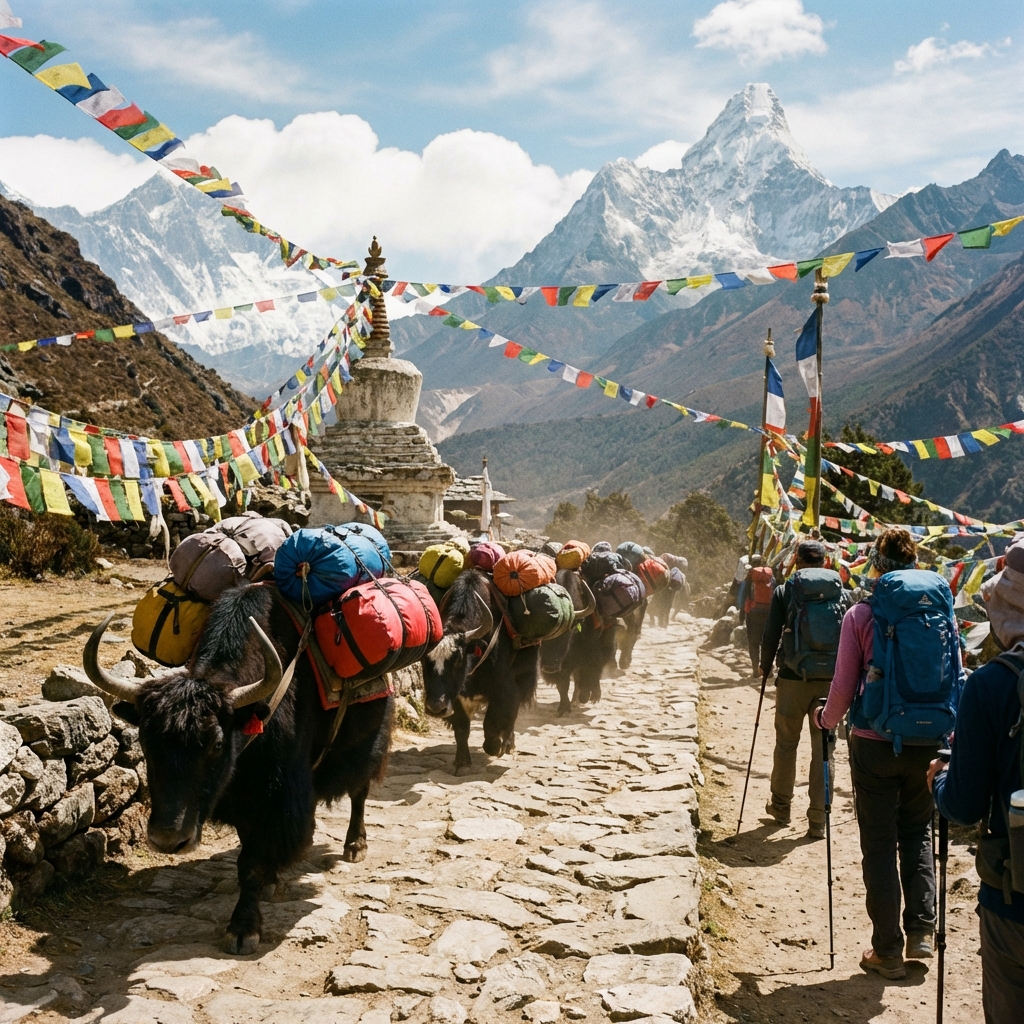
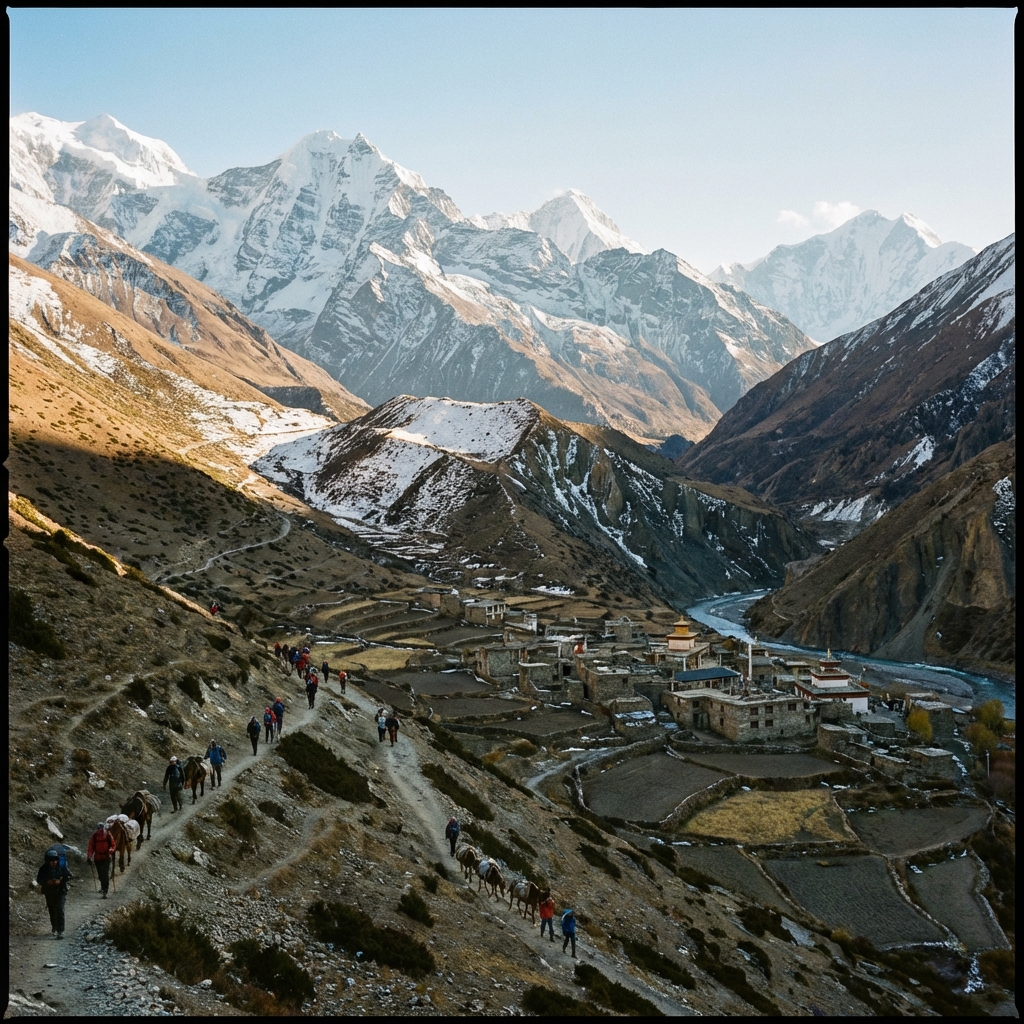
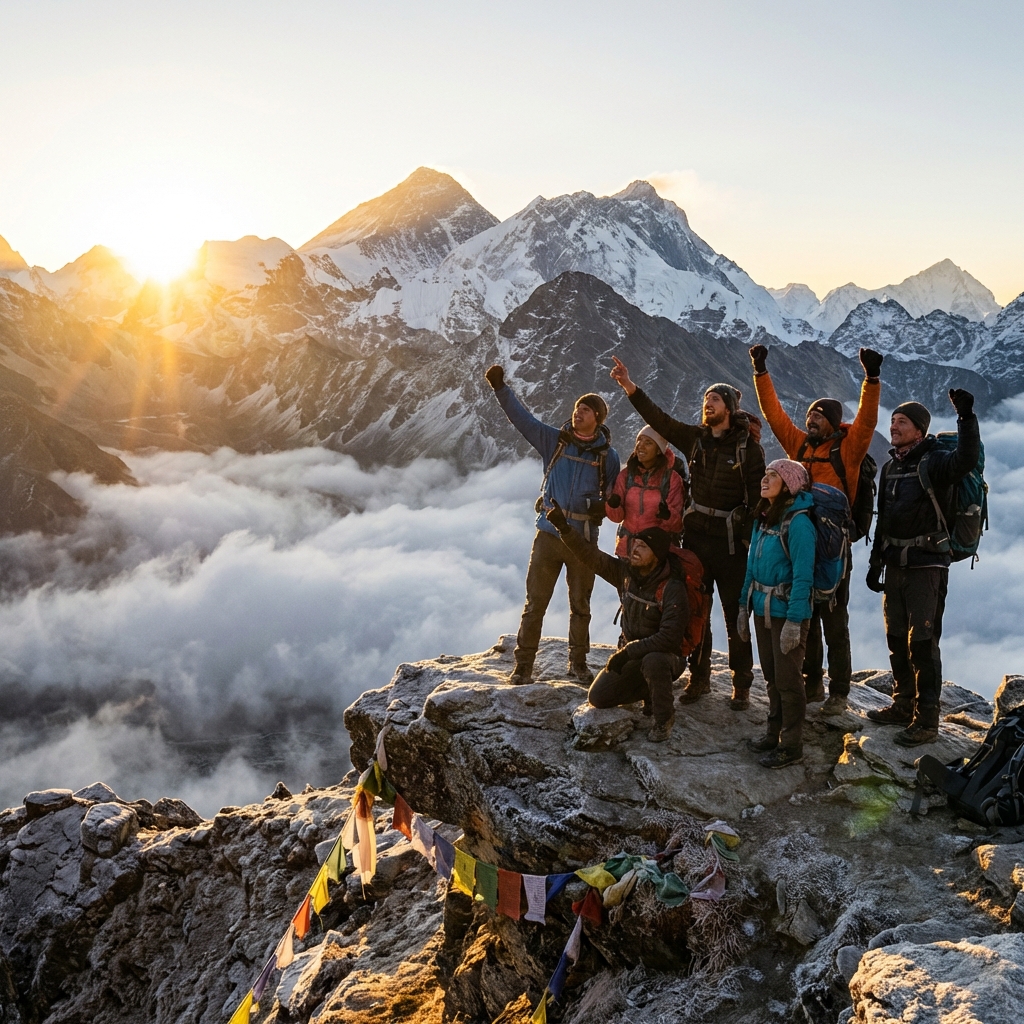
The Himalayas are among the most spectacular and challenging environments on Earth. Every year, over 150,000 trekkers explore Nepal's legendary trails, from the iconic Everest Base Camp to the stunning Annapurna Circuit. While most return home with life-changing memories and photographs, a small but significant number face serious emergencies. Between 15 and 25 trekkers die annually in Nepal's mountains, and over 800 require helicopter evacuation each year.
The sobering reality: the vast majority of these tragedies are preventable. Deaths from altitude sickness, exposure, falls, and medical emergencies almost always result from inadequate preparation, poor decision-making, or ignoring warning signs. With proper knowledge, equipment, and judgment, Nepal trekking is remarkably safe.
This comprehensive guide covers every aspect of trekking safety in Nepal. We examine the major risks you'll face, from altitude illness to weather hazards, trail dangers to medical emergencies. We detail emergency protocols, explain how helicopter rescue works, outline insurance requirements, and provide essential safety gear recommendations. Whether you're planning your first Himalayan adventure or your tenth, this guide will help you trek smarter and safer.
Table of Contents
- Introduction: Understanding Himalayan Risks
- Altitude Sickness: AMS, HACE, and HAPE
- Weather Hazards
- Trail Dangers
- Wildlife and Natural Hazards
- Health Considerations
- Emergency Protocols
- Helicopter Rescue in Nepal
- Insurance Requirements
- Essential Safety Gear
- Communication Options
- Medical Facilities on Trek Routes
- Solo Trekking Safety Considerations
- Frequently Asked Questions
Introduction: Understanding Himalayan Risks
The Himalayas present a unique combination of hazards not found in most other trekking destinations. Understanding these risks is the first step toward mitigating them.
Why Nepal Trekking Demands Respect
Extreme Altitude: Most popular treks in Nepal reach altitudes above 4,000 meters (13,100 feet), where oxygen availability drops to approximately 60% of sea-level values. Everest Base Camp sits at 5,364m, Thorong La Pass reaches 5,416m, and even "moderate" treks like Langtang Valley exceed 4,500m.
Remote Locations: When something goes wrong in the Himalayas, you're often days away from the nearest road or hospital. Medical evacuation depends on helicopter availability and weather conditions. Ground evacuation can take days of carrying or leading an injured person down steep, rocky trails.
Extreme Weather Variability: Himalayan weather changes rapidly and violently. A sunny morning can transform into a blizzard within hours. Temperatures can swing 40 degrees Celsius between day and night. Monsoon rains trigger landslides, and winter storms bury trails under meters of snow.
Limited Infrastructure: Outside of Kathmandu and Pokhara, medical facilities are basic. High-altitude clinics have limited equipment and supplies. Pharmacies stock unpredictable inventory. Communication networks are unreliable or nonexistent in remote areas.
The Risk Spectrum
Nepal trekking deaths fall into several categories:
| Cause | Percentage | Prevention |
|---|---|---|
| Altitude Sickness (HACE/HAPE) | 25-30% | Proper acclimatization, descent |
| Cardiac Events | 20-25% | Pre-trip medical screening |
| Falls/Trauma | 15-20% | Trail awareness, proper footwear |
| Exposure/Hypothermia | 10-15% | Appropriate gear, weather awareness |
| Avalanches/Landslides | 5-10% | Route selection, seasonal awareness |
| Other Medical | 10-15% | Pre-trip health preparation |
The False Confidence Problem
Many trekkers underestimate Himalayan risks because popular routes like EBC and ABC are "non-technical" and don't require climbing skills. This creates dangerous overconfidence. You don't need to be a mountaineer to die from altitude sickness, hypothermia, or a fall. The Himalayas demand respect regardless of your fitness level or previous hiking experience.
Building a Safety Mindset
Safe trekking begins before you leave home and continues every day on the trail:
Before Your Trek:
- Obtain comprehensive travel insurance covering high-altitude evacuation
- Complete a medical checkup, especially if over 50 or with pre-existing conditions
- Build physical fitness with cardio and strength training
- Research your route thoroughly, including emergency exit points
- Prepare a comprehensive first aid kit with altitude medications
On the Trail:
- Monitor your body constantly for altitude symptoms
- Never push through serious warning signs
- Maintain communication with guides, fellow trekkers, and family
- Make conservative decisions about weather and route conditions
- Know when to turn back
The Cardinal Rule: The mountain will always be there. Your life won't be. No summit view, Instagram photo, or bucket list item is worth dying for. The trekkers who survive for decades are those who consistently prioritize safety over ambition.
Altitude Sickness: AMS, HACE, and HAPE
Altitude sickness is the single greatest medical threat to trekkers in Nepal. Understanding its mechanisms, recognizing its symptoms, and knowing how to respond can literally save your life.
Understanding Altitude Illness
As you ascend, atmospheric pressure decreases. While oxygen still comprises 21% of the air at all elevations, the reduced pressure means fewer oxygen molecules enter your lungs with each breath. At 5,500m (the altitude of EBC), you're getting roughly half the oxygen you would at sea level.
Your body must adapt to this reduced oxygen through a process called acclimatization. Red blood cell production increases, breathing patterns change, and various physiological adjustments occur. This process takes time—rushing it causes altitude illness.
The Three Syndromes
Acute Mountain Sickness (AMS) is the mildest and most common form, affecting 50-85% of trekkers above 4,500m. Symptoms include:
- Headache (the defining symptom)
- Nausea and loss of appetite
- Fatigue and weakness
- Dizziness
- Sleep disturbance
AMS typically develops 6-12 hours after ascent and usually resolves with rest at the same altitude or descent.
HACE: A Medical Emergency
High Altitude Cerebral Edema (HACE) is life-threatening brain swelling that can kill within 12-24 hours. It affects 1-2% of trekkers above 4,500m. Warning signs include:
- Severe confusion or disorientation
- Inability to walk a straight line (ataxia)
- Hallucinations
- Extreme fatigue or lethargy
- Loss of consciousness
HACE requires IMMEDIATE descent—not tomorrow, not in a few hours, NOW. Even if it's dark. Even if the weather is bad. Descent is the only reliable treatment.
HAPE: Another Medical Emergency
High Altitude Pulmonary Edema (HAPE) is life-threatening fluid accumulation in the lungs, affecting 0.5-2% of trekkers above 4,500m. Warning signs include:
- Severe breathlessness at rest (not just during exertion)
- Persistent wet cough
- Pink or blood-tinged frothy sputum
- Gurgling or crackling sounds when breathing
- Blue lips or fingernails
- Extreme weakness
HAPE can progress from mild symptoms to fatal within 12-24 hours. Like HACE, it requires IMMEDIATE descent and emergency medical care.
Prevention Strategies
1. Gradual Ascent The single most effective prevention is climbing slowly. Follow these guidelines:
- Above 3,000m, increase sleeping altitude by no more than 300-500m per day
- Take a rest day (same sleeping altitude) every 3-4 days
- "Climb high, sleep low"—day hikes to higher elevations aid acclimatization
- Never push through symptoms to reach a higher camp
2. Proper Hydration Dehydration worsens altitude symptoms. Drink 3-5 liters of water daily at altitude. Monitor urine color—it should be light yellow. Clear urine suggests overhydration; dark urine indicates dehydration.
3. Avoid Alcohol and Sedatives Alcohol impairs acclimatization and can mask altitude symptoms. Sleeping pills and sedatives can suppress breathing, dangerously reducing oxygen intake during sleep.
4. Consider Acetazolamide (Diamox) This prescription medication speeds acclimatization and reduces AMS symptoms by 50-75%. The recommended prophylactic dose is 125mg twice daily, starting one day before ascent. Side effects include tingling extremities and increased urination—these are expected effects, not danger signs.
5. Listen to Your Body Altitude affects everyone differently. Previous success at altitude doesn't guarantee immunity on future trips. Age, fitness, and gender don't reliably predict susceptibility. The only way to know how altitude affects you is to pay attention.
Treatment Protocols
Mild AMS Treatment:
- Stop ascending immediately
- Rest at current altitude for 24-48 hours
- Stay hydrated
- Take ibuprofen or acetaminophen for headache
- Consider Diamox if not already taking it
- Only resume ascending if symptoms completely resolve
Moderate to Severe AMS Treatment:
- Descend immediately—500-1,000m minimum
- Administer oxygen if available
- Consider dexamethasone (4mg every 6 hours) if descent is delayed
- Seek medical evaluation
HACE Treatment:
- IMMEDIATE descent—this is the primary treatment
- Oxygen at 2-4 liters per minute if available
- Dexamethasone: 8mg initial dose, then 4mg every 6 hours
- Gamow bag if available and descent impossible
- Emergency helicopter evacuation
HAPE Treatment:
- IMMEDIATE descent—this is the primary treatment
- Oxygen at high flow (4-6 liters per minute)
- Nifedipine: 30mg extended-release every 12 hours
- Minimize exertion during descent (use horse, porter carry, or helicopter)
- Emergency medical care
The Lake Louise Score
Use the Lake Louise Scoring System to objectively assess altitude symptoms:
- Headache: 0-3 points
- GI symptoms: 0-3 points
- Fatigue: 0-3 points
- Dizziness: 0-3 points
A score of 3+ with headache indicates AMS. A score of 6+ suggests severe AMS requiring descent. Additional points for ataxia or mental status changes indicate HACE.
Weather Hazards
Nepal's weather can change from benign to deadly with shocking speed. Understanding weather patterns and preparing for extreme conditions is essential for safe trekking.
Seasonal Weather Patterns
Pre-Monsoon (March-May): Spring offers generally stable weather with increasing temperatures. Mornings are typically clear, with clouds building in the afternoon. Late spring brings warmer temperatures but reduced visibility due to haze. Rhododendron blooms make this a beautiful but increasingly warm season.
Monsoon (June-September): The summer monsoon brings heavy rainfall, particularly on southern slopes. Trails become slippery and treacherous. Leeches appear at lower elevations. Landslides close routes. Clouds obscure mountain views for days at a time. Only experienced trekkers should consider monsoon trekking, and only in rain-shadow regions like Upper Mustang or Dolpo.
Post-Monsoon (October-November): This is Nepal's prime trekking season. Skies are clear, visibility is excellent, and temperatures are moderate. However, trails are crowded, and early winter storms can arrive in late November.
Winter (December-February): Cold temperatures and heavy snow affect high passes. Many tea houses close. Days are short. However, lower-elevation treks remain viable, and the mountains are stunning against clear winter skies. Extreme cold and avalanche risk make high passes dangerous.
Cold Weather Hazards
Hypothermia occurs when body temperature drops below 35C (95F). It can develop even in temperatures above freezing when combined with wind, rain, or exhaustion.
Early symptoms (mild hypothermia):
- Shivering
- Cold, pale skin
- Slurred speech
- Poor coordination
- Fatigue and confusion
Severe symptoms:
- Shivering stops
- Extreme confusion or unconsciousness
- Weak pulse
- Shallow breathing
Prevention:
- Layer appropriately with moisture-wicking base layers, insulating mid-layers, and waterproof/windproof outer layers
- Change out of wet clothing immediately
- Eat regularly to maintain energy for heat production
- Don't push into exhaustion
- Recognize early symptoms and warm up before they worsen
Frostbite occurs when body tissue freezes, most commonly affecting fingers, toes, ears, and nose.
Early symptoms:
- Numbness or tingling
- Pale, waxy skin
- Skin feels hard to touch
Severe symptoms:
- Complete loss of sensation
- Skin turns gray, yellow, or blue
- Blisters (often blood-filled)
Prevention:
- Wear appropriate insulation (mittens are warmer than gloves)
- Keep moving extremities to maintain circulation
- Stay hydrated and well-nourished
- Avoid tight boots that restrict circulation
- Never touch cold metal with bare skin
Wind Chill Kills
Wind dramatically increases heat loss. A temperature of -5C with 50 km/h wind feels like -18C. Always check both temperature and wind conditions before setting out, and be prepared to turn back if conditions worsen.
Sun Exposure
At high altitude, you're much closer to the sun, and the thin atmosphere filters less UV radiation. Snow and ice reflection can double UV exposure.
Sunburn at altitude is severe and fast. You can burn in minutes on a sunny day above 4,000m.
Snow blindness (photokeratitis) is essentially sunburn of the eyes. Symptoms include:
- Intense pain (often delayed 6-12 hours after exposure)
- Sensitivity to light
- Excessive tearing
- Sensation of grit in eyes
- Temporary vision loss
Prevention:
- Wear Category 4 glacier sunglasses or goggles with side shields
- Apply SPF 50+ sunscreen every 2 hours
- Wear a wide-brimmed hat or cap with neck protection
- Don't forget ears, nose, lips, and the underside of chin (reflection from snow)
- Carry spare sunglasses in case of loss or breakage
Lightning
Lightning is a significant risk during monsoon season and can occur during afternoon storms at other times. Nepal's exposed ridges and mountain passes are particularly dangerous.
The 30/30 Rule: If thunder follows lightning by fewer than 30 seconds, seek shelter immediately. Remain sheltered for 30 minutes after the last thunder.
If caught in a storm:
- Avoid ridges, peaks, exposed areas, and isolated trees
- Move to lower elevation if possible
- Crouch on insulating material (sleeping pad, backpack) with feet together
- Spread your group out to reduce risk of multiple casualties
- Remove metal objects (trekking poles, crampons)
Trail Dangers
Nepal's trails present physical hazards that require constant attention. Falls are the second leading cause of trekker deaths.
Unstable Terrain
Loose rocks and scree are common on high-altitude trails. Test footholds before committing weight. On steep descents, move slowly and deliberately. Use trekking poles for stability.
Erosion damages trails continuously, especially after monsoon rains. What was a stable path last season may be a dangerous slope this year. Trust current information over guidebooks.
Ice and snow make trails treacherous from November through March at high elevations. Even a thin layer of ice on stone can cause a fatal fall. Consider microspikes or crampons for high passes in winter.
Trail Maintenance Realities
Nepal's trails receive minimal official maintenance. Landslides may go unrepaired for weeks. Bridges deteriorate until they fail. Warning signs are rare or absent. Never assume a trail is safe just because it's on a popular route.
Landslides
Landslides are a constant threat in Nepal, especially during and after monsoon season. They can occur without warning and with tremendous force.
High-risk conditions:
- During or after heavy rain
- On steep slopes with loose soil
- Near river cuts and erosion zones
- After earthquakes (even minor ones)
- In areas with previous slide activity
Prevention:
- Don't camp in obvious slide zones (debris fields, steep slopes, river cuts)
- Move quickly through high-risk areas
- Travel during morning when ground is most stable
- Listen for rumbling sounds
- Watch for fresh scarring on slopes above the trail
If caught:
- Run perpendicular to the slide path
- If knocked down, curl into a ball to protect head and chest
- Try to stay on top of debris
- Create an air pocket before debris settles
River Crossings
River crossings range from simple bridge walks to dangerous ford crossings. Seasonal variation is extreme—a creek in spring may be a torrent during monsoon.
Bridge Safety:
- Test bridge stability before crossing
- Cross one at a time on questionable bridges
- Remove pack waist belt (so you can escape if you fall)
- Hold handrails where available
- Don't trust bridges that look damaged or rotted
Fording Rivers:
- Never ford alone
- Use trekking poles for stability
- Face upstream and move diagonally
- Unbuckle pack straps
- Link arms with partners for stability
- Choose wide, shallow sections over narrow, deep ones
- Cross in morning when water levels are lowest
Monsoon River Danger
During monsoon season, rivers can rise meters within hours. A crossable river in the morning may be impassable by afternoon. Flash floods occur with little warning. If rain is falling upstream, do NOT attempt crossings. Wait for water levels to drop.
High Passes
Crossing high passes like Thorong La (5,416m), Cho La (5,420m), or Kongma La (5,535m) requires special precautions:
- Start early—weather deteriorates in the afternoon
- Check conditions the night before and morning of crossing
- Don't attempt in bad weather or if feeling unwell
- Know alternative routes if conditions prevent crossing
- Carry emergency bivouac gear
- Move steadily—don't exhaust yourself
- Turn back if conditions deteriorate
Wildlife and Natural Hazards
While wildlife attacks are rare in Nepal, awareness of potential hazards helps you respond appropriately.
Wildlife Encounters
Snow Leopards are extremely rare to encounter and almost never attack humans. If you see one, consider yourself extraordinarily lucky. Maintain distance and don't approach.
Bears (Himalayan black bears) inhabit forested areas up to about 4,000m. Attacks are rare but occur. Make noise while hiking to avoid surprising bears. If encountered:
- Don't run
- Back away slowly
- Make yourself appear large
- Speak calmly and firmly
- If attacked, fight back (don't play dead with black bears)
Wild Dogs roam some areas and can be aggressive. Carry a walking stick, don't show fear, and avoid running.
Leeches are abundant during monsoon season at lower elevations (below 3,000m). They're not dangerous but extremely unpleasant. Prevention:
- Tuck pants into socks
- Apply insect repellent to boots and lower legs
- Check regularly and remove promptly
- Salt or heat detaches them (pulling can leave mouthparts embedded)
Yaks on trails can be unpredictable. Always pass on the uphill side (they may push you off a cliff on the downhill side). Give them space and don't stand directly in their path.
Natural Hazards
Avalanches are a serious risk in winter and spring, particularly on steep slopes with fresh snow. Avoid traveling below obvious avalanche terrain. Learn to recognize avalanche-prone slopes (convex shapes, angles of 30-45 degrees, fresh snow loading).
Rockfall occurs naturally and can be triggered by other trekkers or animals above. Wear a helmet in known rockfall zones. Move quickly through high-risk areas. Don't linger beneath cliff faces.
Glacial Lake Outburst Floods (GLOFs) are sudden releases of water from glacial lakes. They create massive floods with little warning. Be aware of glacial lake locations on your route and don't camp in valley bottoms below them.
Earthquakes are a constant risk in Nepal, which sits on an active seismic zone. The 2015 earthquake killed thousands and devastated trekking infrastructure. If caught in an earthquake:
- Drop, cover, and hold on
- Move away from slopes, cliffs, and buildings
- Be prepared for aftershocks
- Check for injuries and assist others
- Assess trail conditions before continuing
Health Considerations
Beyond altitude sickness, trekkers face various health challenges. Preparation and hygiene are your best defenses.
Water Safety
The reality: All water in Nepal should be considered contaminated. Even clear, fast-running streams can carry giardia, bacteria, and parasites.
Purification options:
- Boiling: Most reliable method. Bring water to a rolling boil for 1 minute (3 minutes above 2,000m). Effective against all pathogens.
- Chemical treatment: Iodine or chlorine tablets work against most bacteria and viruses. Follow instructions carefully. Less effective against some parasites.
- UV purification: SteriPEN and similar devices work quickly but require clear water and functioning batteries.
- Filtration: Pump or gravity filters remove bacteria and parasites. Look for filters that also treat viruses (common in Himalayan water).
- Tea house boiled water: Generally safe but expensive ($2-4 per liter at high altitude). Verify water was actually boiled.
Smart Hydration Strategy
Bring purification tablets as backup even if you plan to buy boiled water. Tea houses occasionally run out or may not actually boil water thoroughly. Having your own purification gives you independence and saves money.
Food Hygiene
Gastrointestinal illness affects 30-50% of trekkers in Nepal. "Delhi belly" can end your trek prematurely.
Safe eating guidelines:
- Eat only freshly prepared, thoroughly cooked food
- Avoid raw vegetables and salads (washed in contaminated water)
- Peel fruit yourself
- Avoid buffet food that has been sitting out
- Be cautious with meat at altitude (refrigeration is unreliable)
- Wash hands frequently with soap or sanitizer
- Don't share water bottles or utensils
If diarrhea strikes:
- Stay hydrated with oral rehydration salts (ORS)
- Continue eating bland foods if possible
- Take loperamide (Imodium) for symptomatic relief if you must keep moving
- Take antibiotics (ciprofloxacin or azithromycin) if you have fever, blood in stool, or symptoms lasting more than 48 hours
- Consider descent if symptoms are severe—dehydration worsens altitude problems
Common Illnesses
Respiratory Infections: Cold, dry air irritates airways. "Khumbu cough" is almost universal at high altitude. Stay hydrated, use throat lozenges, and consider a buff/mask. If cough produces colored sputum or is accompanied by fever, suspect bacterial infection requiring antibiotics.
Blisters: Prevention is everything. Break in boots before your trek, wear moisture-wicking socks, and address hot spots IMMEDIATELY with tape or moleskin. Once blisters form, drain large ones with a sterile needle, apply antibiotic ointment, and protect with padding.
Skin Infections: Cuts and scrapes become infected easily in mountain environments. Clean all wounds thoroughly, apply antibiotic ointment, and keep covered. Watch for spreading redness, increased pain, or fever—signs of serious infection requiring medical attention.
Eye Problems: Dust, wind, and UV cause conjunctivitis and corneal damage. Wear sunglasses constantly. If eyes become red and painful, suspect snow blindness—rest in darkness with cool compresses and take pain relievers.
Pre-existing Conditions
Heart Conditions: High altitude stresses the cardiovascular system. Anyone with heart disease should consult a cardiologist before trekking. Conditions that may be manageable at sea level can become dangerous at altitude.
Respiratory Conditions: Asthma and COPD can worsen at altitude. Bring extra inhalers and consider a course of prednisone for emergencies. CPAP users face challenges with power and pressure at altitude—consult your sleep specialist.
Diabetes: Blood glucose behaves unpredictably at altitude and with heavy exercise. Bring extra supplies, monitor frequently, and inform your guide about hypoglycemia symptoms and treatment.
Hypertension: High altitude can temporarily increase blood pressure. Continue medications and monitor if possible. Consult your physician before travel.
Emergency Protocols
When things go wrong in the Himalayas, a clear plan and quick action can mean the difference between life and death.
Immediate Response Steps
1. Stop and Assess Don't panic. Take a breath. Survey the situation. Is the immediate area safe? Is the person conscious? What seems to be wrong?
2. Ensure Safety Move away from ongoing danger (rockfall, avalanche terrain, unstable ground). Don't become a second victim.
3. Primary Survey Check:
- Airway: Is the person breathing?
- Breathing: Are breaths normal?
- Circulation: Is there severe bleeding?
- Disability: Is the person conscious and oriented?
4. Call for Help If you have communication:
- Contact your trekking agency
- Call emergency services (112 is Nepal's emergency number)
- Contact your insurance emergency line
If no communication:
- Send the fastest group member to the nearest settlement for help
- Stay with the patient
- Mark your location on GPS if possible
5. Provide First Aid Treat life-threatening conditions first:
- Stop severe bleeding with direct pressure
- Clear airway if obstructed
- Begin CPR if no pulse (unlikely to succeed at remote locations, but try)
- Treat for shock (keep warm, elevate legs, maintain airway)
6. Document Everything Note times, symptoms, treatments given, and patient's response. This information helps rescuers and medical providers.
Specific Emergency Scenarios
Trekker Cannot Continue (Injury/Illness):
- Stabilize the patient
- Provide shelter and warmth
- Send for help
- If walking out is possible, consider assisted descent
- If not, arrange evacuation (helicopter, horse, porter carry)
Missing Trekker:
- Immediately inform guides and local authorities
- Search in expanding circles from last known location
- Check likely routes, tea houses, and side trails
- Don't leave without resolution—missing trekkers sometimes appear hours later
Severe Weather Event:
- Seek shelter immediately
- If no shelter, create emergency bivouac
- Pool resources (food, warmth, communication)
- Wait for conditions to improve
- Don't attempt travel in whiteout or severe wind
Natural Disaster (Earthquake, Landslide):
- Ensure immediate safety
- Account for all group members
- Assess injuries and provide first aid
- Evaluate route conditions before continuing
- Consider returning to nearest safe location
- Monitor for aftershocks or secondary events
The Golden Hour Myth
In urban emergencies, the "golden hour" refers to getting patients to definitive care within 60 minutes. In the Himalayas, this concept is meaningless—hospitals are days away. Your goal is to stabilize the patient and arrange evacuation. Aggressive first aid and proper altitude illness management buy time that helicopters can use.
When to Evacuate
Immediate evacuation required:
- Suspected HACE or HAPE not responding to descent
- Serious trauma (fractures, head injury, internal bleeding)
- Cardiac events (chest pain, suspected heart attack)
- Stroke symptoms (face drooping, arm weakness, speech difficulty)
- Severe allergic reaction (anaphylaxis)
- Severe abdominal pain
- Symptoms of serious infection (high fever, altered consciousness)
Evacuation strongly advised:
- AMS not improving after 24-48 hours of rest/descent
- Inability to eat or drink for more than 24 hours
- Persistent vomiting
- Deep lacerations requiring stitches
- Suspected broken bones
- Signs of frostbite
- Severe respiratory infection
Helicopter Rescue in Nepal
Helicopter evacuation is often the only practical way to reach advanced medical care from remote trekking locations. Understanding how the system works helps you access it effectively.
How Helicopter Rescue Works
1. Initiating a Rescue Rescue requests can come from:
- Your guide contacting their agency
- Direct call to a helicopter company
- Your insurance company's emergency line
- Local health post radio
- Satellite communicator emergency function
2. Insurance Verification Before helicopters fly, companies typically verify insurance coverage or require prepayment. This is why having proper insurance is critical—without it, rescue may be delayed while payment is arranged.
3. Weather Assessment Helicopters cannot fly in:
- Low visibility (clouds, fog, snow)
- High winds (generally above 30-40 knots)
- Darkness (limited night flying in Nepal)
If weather prevents immediate rescue, you may wait hours or days. This is why self-rescue (descent) should always be attempted if possible.
4. Flight and Pickup The helicopter flies to your location (if there's a suitable landing zone) or to the nearest accessible point. Rescue may involve multiple flights for groups.
5. Transport to Care Most evacuations go directly to Kathmandu's hospitals. Some may stop at lower clinics for stabilization.
helicopter rescue costs $1,800-$5,000 depending on location (EBC to Lukla $1,800-$2,500, EBC to Kathmandu $4,500-$5,000) |
| EBC/Gorak Shep to Kathmandu | $5,000-$8,000 | | Annapurna region to Pokhara | $3,000-$6,000 | | Remote areas (Manaslu, Dolpo) | $10,000-$18,000 | | Multiple flight attempts (bad weather) | Add $3,000-$5,000 per attempt |
Additional costs may include:
- Medical staff on board: $1,000-$2,000
- Oxygen and medical equipment: $500-$1,000
- Ground ambulance in Kathmandu: $100-$200
- Hospital care: Variable
Helicopter Rescue Fraud
Nepal has experienced problems with unnecessary helicopter evacuations driven by commission arrangements between some guides and helicopter companies. Protect yourself:
- Evaluate whether evacuation is truly necessary
- Get a second opinion if possible
- Document your condition (video symptoms)
- Use your insurance company's emergency line for guidance
- Report suspected fraud to your embassy
Helicopter Limitations
Altitude: Most helicopters in Nepal can only operate effectively up to about 5,500m. Higher rescues require specialized aircraft or landing at lower elevations.
Weather Windows: Even one-hour windows of good weather allow evacuations. Helicopters may fly at dawn or between storm systems.
Landing Zones: Helicopters need flat, debris-free areas to land. In some locations, patients must be moved to suitable sites.
Capacity: Standard rescue helicopters carry 2-4 passengers plus crew. Large groups require multiple flights.
Insurance Requirements
Proper insurance is not optional for Nepal trekking—it's essential. Without it, you risk both your health and your financial future.
Minimum Coverage Requirements
Emergency Medical: $100,000 minimum, $250,000 recommended. Covers treatment in Nepal and potentially medical evacuation to your home country.
Helicopter Evacuation: $50,000 minimum, $100,000 recommended. Must specifically cover helicopter evacuation (not just "emergency transport").
Altitude Coverage: Must cover trekking up to at least 6,000m for popular routes. Some policies cap at 4,000m or 5,000m—these are useless for EBC or Annapurna treks.
Repatriation: Coverage to return you to your home country if needed, including medical escort if required.
Trip Cancellation/Interruption: Protects your financial investment if you must cancel or cut short your trek.
Policy Red Flags
Avoid policies that:
- Cap altitude coverage below your maximum trek elevation
- Exclude "adventure activities" or "hazardous pursuits"
- Require "pre-authorization" before evacuation (you may not have communication)
- Have low lifetime maximums that could be exhausted by a single incident
- Exclude pre-existing conditions without waiver
- Don't cover Nepal specifically
Recommended Providers
Several companies offer policies specifically designed for high-altitude trekking:
World Nomads: Popular among adventure travelers. Covers up to 6,000m with add-on. Good claims reputation.
Global Rescue: Premium evacuation-focused coverage. Includes "to hospital of choice" evacuation—they'll fly you home if needed.
IMG Global: High coverage limits and altitude coverage to 6,500m+. Good for technical treks and peak climbing.
SafetyWing: Subscription-based travel insurance with adventure add-ons. More affordable for long-term travelers.
Insurance Documentation
Carry multiple copies of your insurance documents:
- Physical copy in your pack
- Digital copy on your phone
- Copy with your emergency contact at home
- Photo of insurance card in cloud storage
Include policy number, emergency contact numbers, and coverage summary in an easily accessible format.
Essential Safety Gear
Proper equipment doesn't just improve comfort—it can save your life. These items are non-negotiable for safe trekking.
First Aid Kit
Altitude Medications:
- Acetazolamide (Diamox): 30+ tablets (125mg)
- Dexamethasone: 12+ tablets (4mg) for emergencies
- Nifedipine: 6+ tablets (30mg ER) for HAPE emergency
Pain and Fever:
- Ibuprofen: 24+ tablets (400mg)
- Acetaminophen/Paracetamol: 24+ tablets (500mg)
Gastrointestinal:
- Loperamide (Imodium): 12+ tablets
- Oral rehydration salts: 10+ packets
- Ciprofloxacin or Azithromycin: Full course
Wound Care:
- Assorted bandages and gauze
- Medical tape
- Antibiotic ointment
- Antiseptic wipes
- Blister treatment (moleskin, gel pads)
- Scissors and tweezers
Other Essentials:
- Antihistamine (for allergies)
- Throat lozenges
- Sunscreen SPF 50+
- Lip balm with SPF
- Eye drops
- Hand sanitizer
Emergency Shelter
Emergency Bivouac Gear:
- Emergency bivvy (lightweight reflective shelter)
- Space blanket
- Lighter or waterproof matches
These weigh almost nothing and can save your life if caught out overnight.
Navigation
Essential Navigation Tools:
- Detailed trekking map of your route
- Compass (and knowledge to use it)
- GPS device or phone with offline maps
- Backup power (battery pack or solar charger)
Don't rely solely on phone apps—batteries die, screens break, and signals disappear.
Illumination
Lighting:
- Headlamp (plus spare batteries)
- Backup light source
Many emergencies happen in darkness. A reliable light source is essential for early starts, late arrivals, and nighttime emergencies.
Cold Weather Protection
Insulation Layers:
- Quality down jacket (rated to -20C or lower)
- Warm base layers
- Insulated pants for high camps
- Warm hat covering ears
- Insulated gloves/mittens
- Balaclava or face protection
Waterproof/Windproof:
- Gore-Tex or equivalent jacket
- Waterproof pants
- Pack cover
Sun Protection
Essential Sun Gear:
- Category 4 sunglasses (glacier glasses)
- Backup sunglasses
- Wide-brimmed hat or cap with neck protection
- SPF 50+ sunscreen
- SPF lip balm
Footwear
Proper Boots:
- Waterproof hiking boots with ankle support
- Broken in before your trek
- Appropriate for expected conditions
Traction:
- Gaiters for snow
- Microspikes or crampons for icy conditions (high passes in winter)
Communication Options
Staying connected in the Himalayas ranges from easy to impossible depending on location and technology.
Cell Phone Coverage
Major networks (Ncell, NTC) provide coverage in many trekking areas:
- Everest Region: Good coverage to Namche, sporadic to Tengboche, minimal above
- Annapurna Circuit: Coverage in villages, spotty between
- Langtang: Reasonable coverage to Kyanjin Gompa
- Remote areas: Little to no coverage
Tips:
- Get a local SIM card in Kathmandu (Ncell recommended)
- Expect coverage gaps of hours to days
- Don't rely on cell phones for emergency communication
Satellite Communication
Satellite Messengers (Garmin inReach, SPOT):
- Work anywhere with sky view
- Send GPS location with SOS
- Two-way messaging (inReach)
- Monthly subscription required ($15-50)
- Highly recommended for serious trekkers
Satellite Phones:
- Voice calls from anywhere
- Expensive rental ($10-20/day) and calls ($1-2/minute)
- Heavy and require clear sky view
- Overkill for most trekkers, essential for expeditions
Tea House WiFi
Most tea houses above the roadhead offer WiFi for a fee ($2-5). Quality ranges from reasonable to unusable. Don't count on it for emergencies, but useful for non-urgent communication.
Communication Plan
Before your trek:
- Establish check-in schedule with family/friends
- Provide detailed itinerary
- Leave emergency contacts (embassy, insurance, agency)
- Set clear "alarm" trigger if check-ins are missed
On the trail:
- Check in at every reasonable opportunity
- Update itinerary if plans change
- Report any concerns early
Medical Facilities on Trek Routes
Understanding available medical resources helps you plan and respond to emergencies.
Himalayan Rescue Association (HRA) Aid Posts
The HRA operates medical facilities staffed by volunteer doctors during trekking season:
Pheriche (4,371m) - Everest Region
- Open October-November and March-May
- Daily altitude lectures
- Basic treatment and stabilization
- Gamow bag available
Manang (3,540m) - Annapurna Region
- Open October-November and March-May
- Daily altitude lectures
- Basic treatment and stabilization
- Gamow bag available
HRA Services:
- Altitude illness assessment and treatment
- Basic trauma care
- Medical advice
- Evacuation coordination
- Cost: Donations requested (suggested $30-50 for consultation)
Other Medical Facilities
CIWEC Clinic - Kathmandu The gold standard for travel medicine in Nepal. Staffed by Western-trained doctors. Full laboratory and diagnostic capabilities. Your destination for serious illness after evacuation.
Nepal International Clinic - Kathmandu Another excellent option for post-trek medical care.
Government Health Posts Basic facilities exist in larger villages throughout trekking regions. Useful for minor issues but limited supplies and expertise. No English guaranteed.
Medical Facility Limitations
What you can expect:
- Basic wound care
- Altitude illness assessment
- Oral medications
- Stabilization for evacuation
What you cannot expect:
- Surgery
- Blood transfusion
- Advanced imaging (X-ray, CT)
- Specialist care
- ICU capabilities
Bottom line: Remote medical facilities can stabilize you and coordinate evacuation. They cannot provide definitive care for serious conditions. Evacuation to Kathmandu is necessary for any significant injury or illness.
Solo Trekking Safety Considerations
Solo trekking offers freedom and flexibility but carries additional risks that require mitigation.
The 2023 Guide Requirement
Nepal officially requires guides for trekking in national parks and conservation areas (with exceptions for the Everest region). Enforcement varies—many solo trekkers continue to trek with a mandatory licensed guides. However, the requirement exists for safety reasons, and solo trekking does carry elevated risk.
Solo-Specific Risks
No Immediate Assistance: If you're injured or become ill, there's no one to help immediately. A twisted ankle that's inconvenient with a partner becomes potentially serious alone.
Altitude Illness Recognition: Early HACE symptoms include impaired judgment. You may not recognize your own deteriorating condition without someone to observe you.
Getting Lost: Navigation errors are more likely without a second opinion on route decisions.
Security: While Nepal is generally safe, solo travelers (especially women) face marginally higher risks in some situations.
Solo Trekking Safety Strategies
1. Choose Popular Routes Stick to high-traffic trails where other trekkers and tea houses are frequent. Everest Base Camp, Annapurna Circuit, and Langtang Valley are all viable solo.
2. Trek in Season October-November and March-May ensure maximum trail traffic. You'll rarely be truly alone on popular routes during peak season.
3. Communicate Constantly Check in daily with family or friends. Leave detailed itineraries. Carry a satellite communicator for emergencies.
4. Make Trail Friends Even dedicated solo trekkers often walk with others for portions of their trek. Tea house dinners are social; walking together for a day or two is common.
5. Be Conservative Give yourself extra margin. Stop earlier. Don't push through questionable conditions. Your safety net is smaller alone.
6. Consider a Guide for Remote Sections Even if you trek solo on popular routes, hiring a guide for remote segments or high passes adds a valuable safety margin.
Solo Female Trekkers
Nepal is generally safe for solo female trekkers, but additional caution is warranted:
- Choose busy tea houses with other travelers
- Trust your instincts about people and situations
- Keep your room locked
- Consider trekking with others on isolated sections
- Dress modestly in conservative areas
Most solo female trekkers have positive experiences, but awareness improves safety.
Frequently Asked Questions
Related Resources
Final Thoughts: Safety as a Practice
Safe trekking isn't a destination—it's a practice. Every decision on the trail, from how fast you ascend to whether you attempt a pass in questionable weather, shapes your safety profile. The trekkers who return year after year, who explore deeper into the Himalayas and push to higher altitudes, are those who've internalized safe practices until they're automatic.
The Himalayas will test you. That's part of their appeal. But the mountains don't care about your summit ambitions or your travel schedule. They simply exist, beautiful and indifferent. Your job is to move through them with skill, preparation, and humility.
Prepare thoroughly before you go. Monitor yourself constantly on the trail. Make conservative decisions when conditions are uncertain. Have proper insurance and know how to use it. And most importantly, remember that no destination is worth your life. The mountain will always be there. Your health and safety won't regenerate if you destroy them through poor decisions.
Trek smart. Return home safely. And then do it again.
This comprehensive safety guide is maintained by the HimalayanNepal Editorial Team with input from the Himalayan Rescue Association, CIWEC Clinic Kathmandu, and experienced mountain rescue professionals. Information current as of February 2026. Trekking conditions change seasonally—always verify current conditions before your trip.