Best Trekking Agencies for Gokyo Lakes Trek 2026: The EBC Alternative
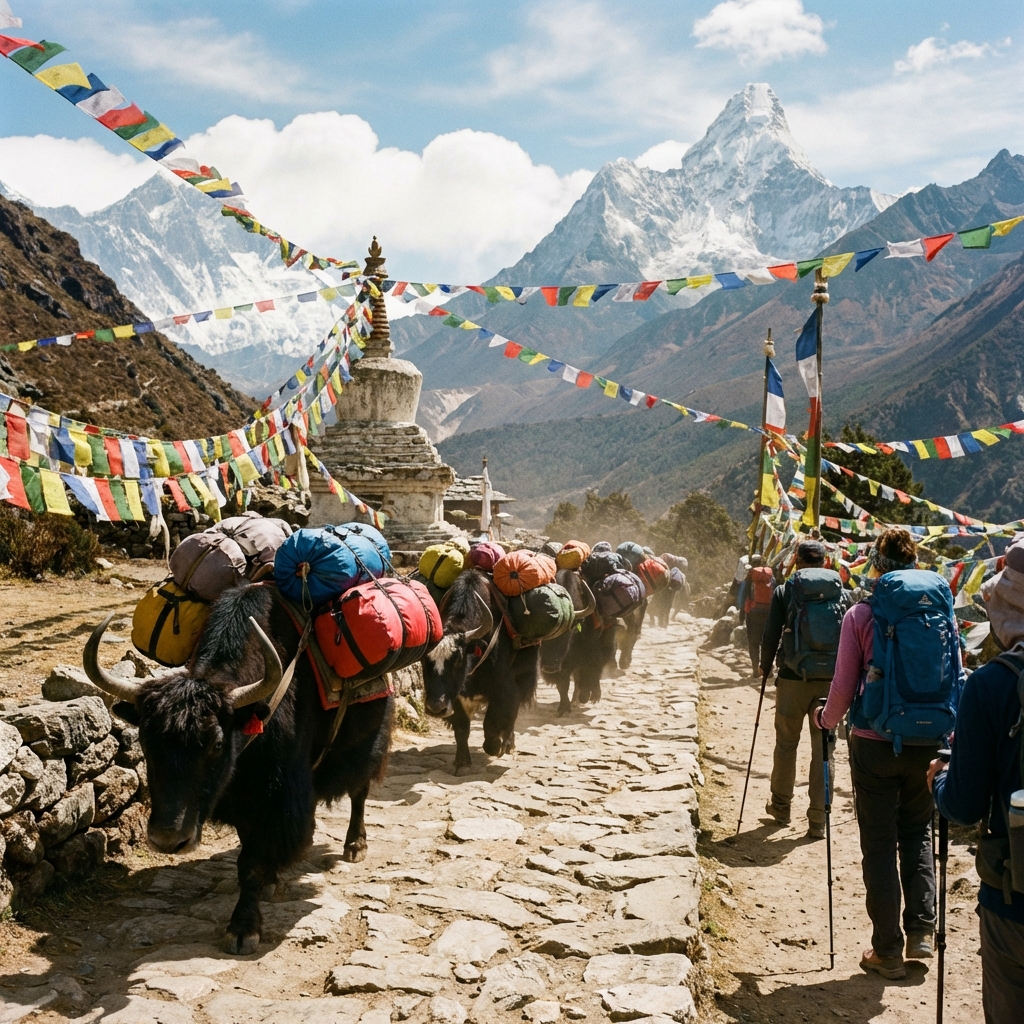
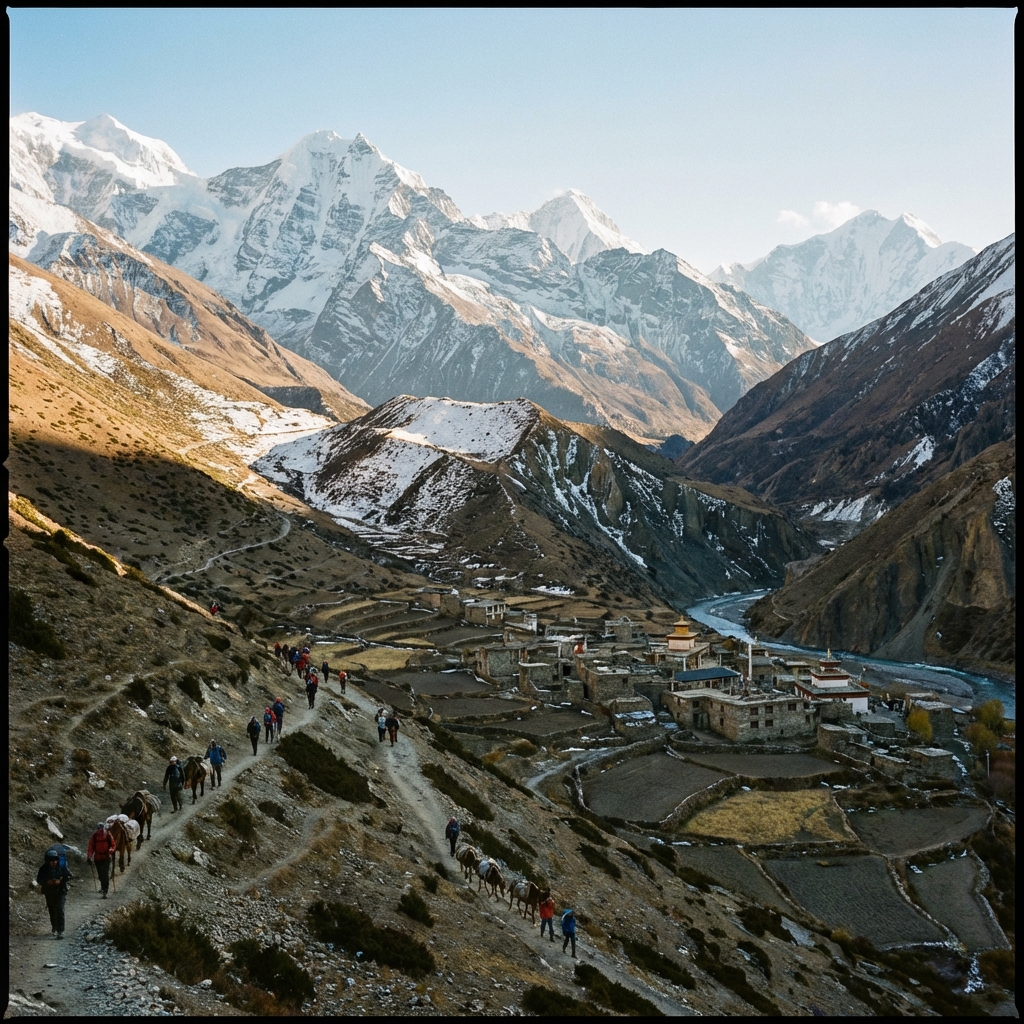
While thousands of trekkers flood the trail to Everest Base Camp each season, a parallel valley in the same region offers something increasingly rare in the Himalaya: tranquility alongside grandeur. The Gokyo Lakes Trek delivers everything that draws people to the Everest region - massive Himalayan peaks, authentic Sherpa culture, and that life-changing sense of accomplishment at extreme altitude - but with a fraction of the crowds and, many would argue, even better views of Everest itself.
Choosing the right agency for Gokyo Lakes requires understanding what makes this trek unique. Unlike EBC where the destination is a single point at a glacier, Gokyo offers a system of six stunning turquoise lakes, a 360-degree viewpoint at Gokyo Ri (5,357m), and the option to combine with EBC via the challenging Cho La Pass for the ultimate Everest region experience. Your agency needs specific expertise in this less-traveled route, not just generic Everest region knowledge.
This comprehensive guide helps you find operators who truly understand Gokyo - agencies that know which lakes are worth the extra effort, how to time your Gokyo Ri sunrise for optimal views, and whether your fitness level suits the Cho La Pass combination. We've analyzed over 600 verified customer reviews, confirmed TAAN registrations, compared pricing from 45+ operators, and consulted with Gokyo-specialist guides to create this definitive resource for 2026.
100+ TAAN registered
$1,000-1,400
$1,600-2,200
$2,500-3,500
5,357m
10-14 days
Introduction: The Everest Region's Other Iconic Trek
When Sir Edmund Hillary and Tenzing Norgay made their historic ascent of Everest in 1953, they passed through the Gokyo Valley on their approach. Hillary later called the view from Gokyo Ri one of the finest mountain panoramas he'd ever witnessed - and this from a man who had seen Everest from its summit. Today, that same viewpoint remains accessible to anyone willing to trek for ten days, offering a perspective on the world's highest peak that many consider superior to the more famous view from Kala Patthar.
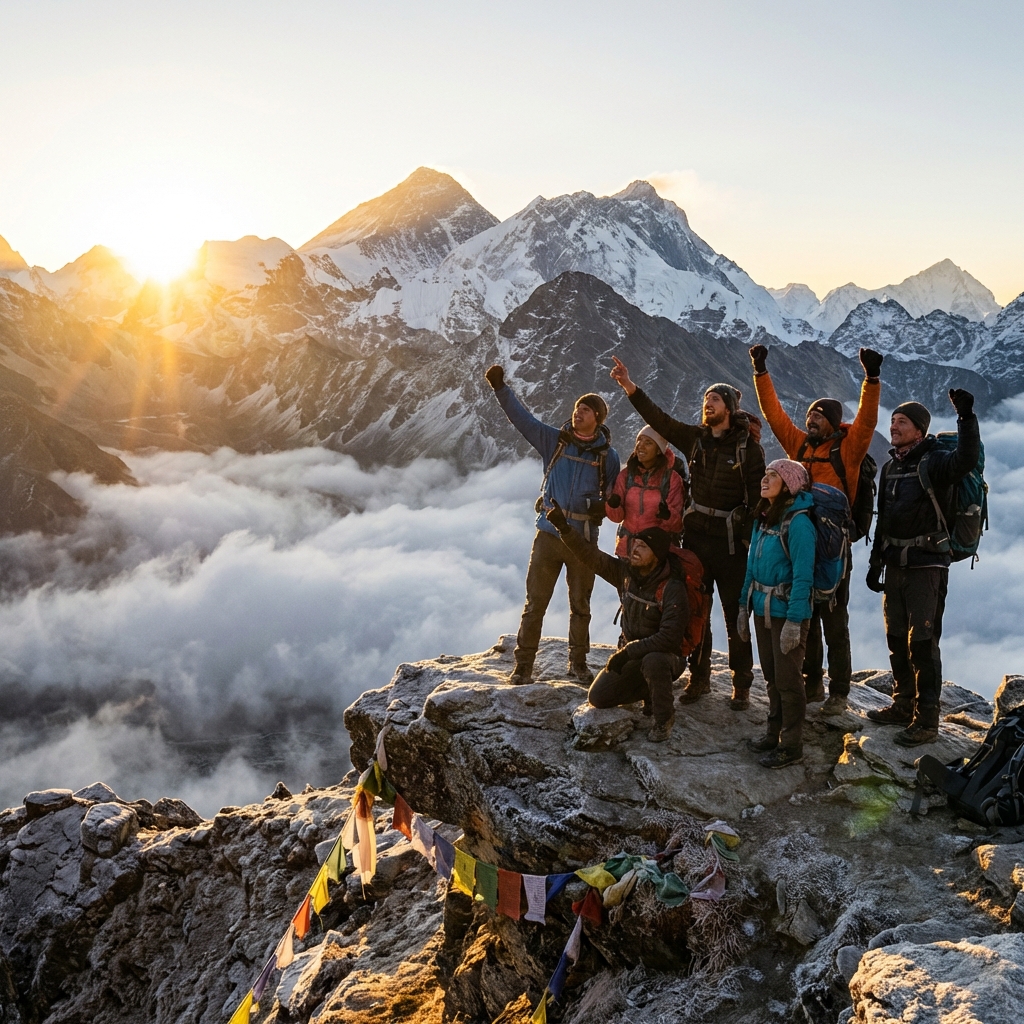
The Gokyo Lakes trek follows the Dudh Koshi valley, the same route as EBC initially, before branching west toward a chain of glacial lakes that shimmer impossibly turquoise against their stark, icy surroundings. The largest of these, Dudh Pokhari (Gokyo Lake), sits at 4,750 meters and provides the base for an early-morning ascent of Gokyo Ri, where five of the world's fourteen 8,000-meter peaks reveal themselves in an arc of snow and rock that extends from horizon to horizon.
Your agency choice for Gokyo matters because this trek occupies a unique position in the Everest region portfolio. It's simultaneously an alternative to EBC and a complement to it. Some agencies treat Gokyo as a simple "EBC-lite" option, applying generic itineraries without understanding the specific magic this route offers. Others have deep expertise in the lake system, the Gokyo Ri climb, and the logistics of combining routes via Cho La Pass. The difference between these agencies shapes not just your comfort and safety, but your entire experience of one of Nepal's most underrated treks.
The Gokyo Advantage
Gokyo Lakes sees approximately 15,000 trekkers annually compared to EBC's 50,000+. This translates to less crowded teahouses, more authentic village interactions, and the increasingly rare experience of feeling genuinely remote in the world's most famous mountain range. For those seeking the Everest experience without the Everest crowds, Gokyo delivers.
Gokyo vs EBC: Why Choose Gokyo
Before selecting an agency, understanding what makes Gokyo distinct helps you evaluate whether operators truly know this route or are simply selling it as an EBC alternative without appreciating its unique appeal.
Stunning Turquoise Glacial Lakes
The Gokyo Lakes system comprises six high-altitude lakes fed by the Ngozumpa Glacier, the longest glacier in the Himalaya. Unlike anything on the EBC route, these lakes present colors that seem photoshopped - vibrant turquoise and emerald hues caused by glacial sediment suspended in the water.
The Six Gokyo Lakes:
| Lake | Altitude | Distance from Gokyo Village | Notable Features |
|---|---|---|---|
| Longponga Tsho (1st) | 4,700m | 4km south | First glimpse of glacial color |
| Taboche Tsho (2nd) | 4,710m | 2km south | Most visited, accessible |
| Dudh Pokhari (3rd) | 4,750m | At Gokyo Village | Main lake, village location |
| Thonak Tsho (4th) | 4,800m | 2km north | Quieter, dramatic setting |
| Ngozumpa Tsho (5th) | 4,990m | 4km north | Largest, requires full day |
| 6th Lake (unnamed) | 5,020m | 6km north | Remote, rarely visited |
Most standard itineraries visit only the third lake at Gokyo Village. Quality agencies build in time for exploring the fourth and fifth lakes, which many consider more spectacular than the main attraction. Ask potential agencies about their lake exploration options - this reveals whether they understand Gokyo's full potential or treat it as a simple point-to-point trek.
Pro Tip
The best time to photograph Gokyo Lakes is mid-morning, when the sun illuminates the turquoise water without harsh shadows. Quality agencies schedule arrival and acclimatization days to maximize lake exploration time rather than rushing to Gokyo Ri immediately.
Gokyo Ri: Arguably Better Everest Views Than Kala Patthar
This is the claim that sparks debates in Kathmandu trekking bars: Is the view from Gokyo Ri superior to Kala Patthar's famous EBC vista? Having been to both, many experienced trekkers come down firmly on Gokyo's side.
Why Gokyo Ri Views Excel:
Everest Position: From Kala Patthar (5,545m), Everest appears somewhat foreshortened, its famous pyramid shape partially obscured by the Lhotse-Nuptse ridge. From Gokyo Ri (5,357m), you view Everest from a different angle that reveals more of its full form, including the spectacular southwest face.
Mountain Count: Gokyo Ri offers clear views of five 8,000-meter peaks: Everest (8,849m), Lhotse (8,516m), Makalu (8,485m), Cho Oyu (8,188m), and Gyachung Kang (7,952m - not quite 8,000m but close). Kala Patthar shows primarily Everest and Lhotse.
Additional Features: Below Gokyo Ri, the Ngozumpa Glacier sprawls like a frozen river, with the turquoise Gokyo Lakes punctuating the landscape. This adds dimension absent from the Kala Patthar view, where the Khumbu Glacier appears more as debris than pristine ice.
Crowd Difference: On a typical October morning, 100-200 trekkers might crowd Kala Patthar for sunrise. Gokyo Ri sees perhaps 30-50 people on the same morning, allowing more space to absorb the moment.
Altitude Advantage: Gokyo Ri's summit is 188 meters lower than Kala Patthar. For trekkers struggling with altitude, this difference can mean the difference between reaching the viewpoint or turning back.
Fewer Crowds Than EBC Route
The crowd difference extends far beyond the summit viewpoints. Throughout the trek, Gokyo offers a noticeably quieter experience:
Teahouse Availability: While EBC trekkers in peak season often arrive at villages to find lodges full, Gokyo's lower traffic means easier accommodation. During the second and third week of October - EBC's busiest period - Gokyo lodges remain manageable.
Trail Experience: The EBC trail often feels like a queue, particularly between Namche and Tengboche. Gokyo's route west of Dole sees significantly less traffic, creating a more contemplative hiking experience.
Village Atmosphere: Sherpa villages along the Gokyo route retain more authentic character. Without the intense commercialization of EBC-route settlements, you experience teahouse stays closer to traditional hospitality.
Perfect for Repeat Visitors
If you've already completed EBC and want to return to the Everest region, Gokyo offers a genuinely different experience. The western valley has its own personality, and combining with EBC via Cho La creates an adventure that surpasses your first visit.
Similar Altitude Challenge
Don't mistake fewer crowds for easier trekking. Gokyo presents equivalent altitude challenges to EBC:
Altitude Comparison:
| Metric | Gokyo Lakes | EBC |
|---|---|---|
| Maximum Viewpoint | 5,357m (Gokyo Ri) | 5,545m (Kala Patthar) |
| Main Destination | 4,750m (Gokyo Village) | 5,364m (Base Camp) |
| Sleeping Altitude | 4,750m maximum | 5,140m maximum (Gorak Shep) |
| High Pass (if combining) | 5,420m (Cho La) | N/A |
| Days Above 4,000m | 4-6 days | 5-7 days |
While Gokyo Ri's summit is slightly lower than Kala Patthar, the altitude still demands respect. Proper acclimatization remains essential, and altitude sickness risk remains significant. Quality agencies understand this isn't a "beginner-friendly" alternative despite fewer crowds - it's a serious high-altitude trek requiring equivalent preparation.
The Cho La Pass Option: Combining with EBC
Perhaps Gokyo's greatest advantage is the option to combine both treks via Cho La Pass, creating the ultimate Everest region experience. This 5,420-meter pass connects Gokyo to Dzongla (before Gorak Shep/EBC), allowing trekkers to experience both valleys in a single expedition.
Cho La Pass Requirements:
The pass crossing adds significant demands:
- Technical terrain including glacier travel and rock scrambling
- Early morning start (2-4am) for safe crossing before afternoon weather
- Crampons required, provided by quality agencies
- One full challenging day (8-10 hours)
- Higher altitude stress from the pass altitude
Not for Everyone: Cho La requires prior trekking experience, good fitness, and comfort with exposed terrain. Quality agencies honestly assess client readiness rather than selling the combination to everyone. The pass can be dangerous in poor weather and is occasionally closed due to snow conditions.
We'll discuss combination treks in more detail later, but your agency's Cho La expertise is a key evaluation criterion if you're considering this option.
Gokyo-Specific Agency Considerations
Beyond general agency selection criteria, several factors matter specifically for Gokyo operators.
Same Lukla Flight Logistics as EBC
Gokyo shares EBC's most notorious logistical challenge: the flight to Lukla. The world's most dangerous airport serves both treks, and flight cancellations affect Gokyo trekkers just as much as EBC groups.
What This Means for Agency Selection:
Quality Gokyo agencies need the same flight management expertise as EBC operators:
- Relationships with airlines for rebooking during delays
- Helicopter backup plans (at your cost, but pre-arranged)
- Buffer days built into itineraries
- Alternative plans (Jiri trek-in, Phaplu flight) discussed proactively
- Realistic communication about weather disruption potential
Questions to Ask:
- "What happens if Lukla flights are cancelled for our scheduled dates?"
- "How many days of buffer do you build into the itinerary?"
- "What alternative options do you offer if extended delays occur?"
- "Have you had clients stranded recently? How did you handle it?"
Agencies without thoughtful answers to these questions lack operational maturity for Everest region trekking regardless of which route you choose.
Lukla Flight Reality
During peak season (October-November), Lukla flights experience significant delays approximately 40% of mornings due to weather. This affects all Everest region treks equally. Budget a minimum of two buffer days in Kathmandu, and choose travel insurance that covers delay costs.
Less Developed Than EBC Route
While the EBC trail features upscale lodges, reliable WiFi, and near-urban infrastructure at Namche, the Gokyo route maintains a more rustic character. This is part of its appeal but also requires agency understanding.
Infrastructure Differences:
| Facility | EBC Route | Gokyo Route |
|---|---|---|
| Teahouse Quality | Variable to luxury | Basic to comfortable |
| WiFi Availability | Most villages | Limited above Machherma |
| Charging Facilities | Everywhere | Limited above Machherma |
| Hot Showers | Most lodges | Some lodges |
| Menu Variety | Extensive | Basic |
| Western Toilets | Common | Rare above Dole |
Why This Matters: Agencies accustomed to EBC's infrastructure may not adequately prepare clients for Gokyo's more basic conditions. Quality operators set accurate expectations and ensure their guides know which lodges offer specific amenities.
Questions to Ask:
- "What standard of teahouse should I expect on the Gokyo route?"
- "Which villages have reliable charging and WiFi?"
- "Do you pre-book specific lodges or just arrive?"
- "What amenities can I expect above Machherma?"
Cho La Pass Expertise
If you're considering the combination trek, Cho La expertise becomes a critical evaluation criterion.
What Genuine Cho La Experience Looks Like:
Guide Requirements:
- Multiple successful Cho La crossings (ask for specific number)
- Understanding of pass conditions in different seasons
- Knowledge of when to turn back due to weather or snow
- Crampon fitting and basic glacier travel instruction
- First aid training for altitude and cold-related emergencies
Logistical Knowledge:
- Optimal crossing time (typically pre-dawn start)
- Porter arrangements for pass day (standard porters often don't cross)
- Equipment provision (crampons, trekking poles)
- Weather monitoring capabilities
- Backup plan if pass is impassable
Red Flags:
- Agencies treating Cho La as routine ("Everyone can do it!")
- No discussion of fitness requirements or turn-back criteria
- Guides with limited or no Cho La experience
- No mention of crampons or technical equipment
- Unrealistic pass crossing descriptions
Pro Tip
Ask potential agencies: "Under what conditions would you advise clients not to attempt Cho La?" Quality operators have clear answers about snow depth, weather windows, and client fitness. Agencies that claim "It's always fine" lack either experience or honesty.
Lake System Knowledge
The difference between a basic Gokyo trek and an exceptional one often lies in lake exploration. Quality agencies understand the lake system beyond just the main Gokyo village area.
What Knowledgeable Agencies Offer:
Extended Lake Exploration:
- Day hike options to the fourth and fifth lakes
- Information about conditions (seasonal water levels, ice coverage)
- Photography timing advice for best light
- Knowledge of viewpoints beyond the obvious
- Understanding of difficulty to higher lakes
Cultural Context:
- Sacred significance of the lakes in Buddhist tradition
- Local legends and naming origins
- Environmental challenges facing the lake system
- Glacier dynamics affecting lake colors
Flexible Itineraries: Quality agencies build in extra time at Gokyo specifically for exploration, not just rushing to Gokyo Ri and departing. Ask about their standard itinerary's time at Gokyo - one night is insufficient; two or three nights allow proper exploration.
What Makes a Good Gokyo Agency
Understanding quality indicators helps you evaluate any operator for Gokyo Lakes trekking.
Everest Region Experience
The Everest region presents unique challenges that agencies need specific experience to handle:
Essential Everest Region Knowledge:
Altitude Management:
- Understanding of acclimatization schedules above 3,000m
- Recognition of AMS symptoms at various stages
- Knowledge of when to descend versus when to wait
- Pulse oximeter usage and interpretation
- Access to medical facilities (Namche clinic, Machherma HRA station)
Logistics Expertise:
- Lukla flight booking and rebooking experience
- Porter and equipment management at altitude
- Teahouse reservation systems in peak season
- Weather pattern understanding
- Emergency helicopter coordination
Cultural Knowledge:
- Sherpa traditions and etiquette
- Buddhist practices and monastery visits
- Local festival schedules (Mani Rimdu, etc.)
- Appropriate tipping customs
- Community engagement protocols
Verification Questions:
- "How many Everest region treks does your agency operate annually?"
- "What percentage of your guides have 5+ years of Everest region experience?"
- "Describe a challenging situation you've handled in the Everest region and how you resolved it."
Cho La Pass Expertise
If you're considering the combination trek, this expertise is non-negotiable.
Minimum Cho La Requirements:
Guide Experience:
- Guide has personally crossed Cho La at least 10 times
- Experience in different seasons and conditions
- Training in glacier travel basics
- Knowledge of pass conditions from current-year crossings
Equipment Provision:
- Crampons available and properly sized
- Trekking poles provided
- Guide carries emergency shelter
- First aid kit includes altitude and cold-weather supplies
Safety Protocols:
- Clear weather-check procedures before departure
- Defined turn-back criteria
- Communication equipment for emergencies
- Porter or sherpa support on pass day
Questions to Ask:
- "How many times has my guide crossed Cho La?"
- "When was their most recent crossing?"
- "What equipment do you provide for the pass?"
- "What are your criteria for deciding not to attempt the crossing?"
- "What happens if conditions prevent crossing?"
Knowledge of Lake Exploration Options
Quality Gokyo agencies maximize your lake experience:
What to Look For:
Itinerary Design:
- Two or three nights at Gokyo Village
- Scheduled time for lake exploration beyond the third lake
- Flexibility to adjust based on conditions and client interest
- Optional rest/exploration day options
Guide Knowledge:
- Understanding of all six lakes and their characteristics
- Photography advice for different lakes and conditions
- Route options for different fitness levels
- Weather timing for optimal lake visibility
Cultural Enhancement:
- Knowledge of lake significance in local Buddhist tradition
- Stories and legends associated with the lakes
- Environmental context about glacial lake formation
Flexible Itineraries
Gokyo's appeal lies partly in its possibilities - and quality agencies embrace this flexibility:
Itinerary Flexibility Indicators:
Multiple Options Offered:
- 10-12 day classic Gokyo itinerary
- 12-14 day extended exploration version
- 14-16 day Gokyo + EBC via Cho La combination
- 18-21 day Three Passes Trek option
Within-Trek Flexibility:
- Extra acclimatization day options
- Lake exploration alternatives
- Weather-dependent schedule adjustments
- Gokyo Ri timing options (sunset vs. sunrise)
Customization Welcome:
- Willingness to modify standard itineraries
- Discussion of personal preferences and priorities
- Honest assessment of which options suit your fitness
- No pressure toward most expensive option
Signs of Quality Flexibility
When an agency asks detailed questions about your experience, fitness, and preferences rather than just selling their standard package, it suggests the operational depth to customize meaningfully. Generic "This is our itinerary" responses indicate limited flexibility.
Red Flags to Avoid
Recognizing warning signs protects you from substandard operators.
Agencies Treating Gokyo as EBC-Lite
Some agencies view Gokyo merely as a cheaper, easier alternative to EBC rather than a destination with its own merit:
Warning Signs:
- "It's just like EBC but shorter"
- No mention of the lake system's unique features
- Minimal time allocated at Gokyo (one night only)
- Guides without specific Gokyo experience
- No discussion of lake exploration options
- Marketing focused entirely on "avoiding EBC crowds"
Why This Matters: Agencies with this mindset deliver generic service without understanding what makes Gokyo special. Their guides may lack specific knowledge of the valley, miss optimal photography moments, and fail to facilitate the full Gokyo experience.
Overselling Cho La to Everyone
Cho La Pass is serious mountaineering terrain. Agencies that treat it as suitable for any trekker are either inexperienced or dishonest:
Red Flags:
- "Anyone can do Cho La" messaging
- No fitness assessment before recommending the combination
- Guides with minimal Cho La experience
- No mention of technical requirements
- Dismissive responses to safety questions
- Failure to discuss turn-back scenarios
Reality: Cho La requires good fitness, prior trekking experience, comfort with exposed terrain, and favorable conditions. It's not appropriate for nervous beginners, and quality agencies should honestly assess suitability rather than maximizing package price.
Compressed Acclimatization
The route to Gokyo gains altitude rapidly, and shortcuts risk altitude sickness:
Minimum Acclimatization Requirements:
- Two nights at Namche Bazaar (3,440m) for acclimatization
- Gradual altitude gain above Namche (no more than 400-500m sleeping altitude per day)
- Rest day before Gokyo Ri attempt
- Flexibility to add days if symptoms appear
Red Flag Itineraries:
- Only one night at Namche
- Direct push to Gokyo without intermediate acclimatization
- No rest day at Gokyo
- 8-9 day itineraries that compress dangerously
Why It Matters: Altitude sickness can be fatal. Saving one or two days by compressing acclimatization risks your health and trip success. Agencies prioritizing brevity over safety should be avoided.
Too-Cheap Pricing
Gokyo shares Lukla flight costs and permit requirements with EBC. Drastically cheaper pricing means corners are being cut:
Cost Floors (Approximate):
- Lukla flights: $215-400
- Permits (TIMS + Sagarmatha NP): $70+
- Guide salary: $25-35/day
- Porter salary: $20-25/day
- Teahouse accommodation: $5-10/day
- Food: $20-30/day
Minimum viable daily cost: $75-90/day for ethical operation
Agencies offering significantly less are cutting from:
- Guide experience and qualifications
- Porter treatment and equipment
- Emergency supplies and communication
- Insurance compliance
- Teahouse quality
No Specific Gokyo Knowledge
Generic "Everest region" expertise isn't sufficient for quality Gokyo service:
Test Questions:
- "Which lakes beyond Gokyo Village do you include?"
- "What time do you recommend for Gokyo Ri - sunrise or sunset?"
- "How many times has my guide done this specific route?"
- "What's your favorite viewpoint in the Gokyo valley?"
Red Flag Answers:
- Vague or generic responses
- Guide hasn't specifically done Gokyo
- No mention of lakes beyond the third (Dudh Pokhari)
- Treating Gokyo Ri timing as unimportant
What Should Be Included in Gokyo Packages
Understanding standard inclusions helps you compare packages accurately.
Lukla Flights
Standard Expectation: Return Lukla flights should be included in mid-range and premium packages. Budget packages may list flights as extra (add $350-400).
What to Clarify:
- "Are Lukla flights included in the quoted price?"
- "Which airline do you book with?"
- "What happens if flights are cancelled?"
- "Do you have helicopter backup arrangements?"
All Permits
Required Permits for Gokyo:
| Permit | 2026 Cost | Purpose |
|---|---|---|
| TIMS Card | NPR 2,000 (~$215) | Trekker registration |
| Sagarmatha National Park | NPR 3,000 (~$23) | Park entry |
| Khumbu Pasang Lhamu Municipality | NPR 2,000 (~$15) | Local conservation |
Total permit costs: Approximately $50-55
What to Verify:
- All permits listed as included
- Agency handles permit processing
- No hidden "permit processing fees"
Experienced Guide
Minimum Guide Qualifications:
- Government-issued trekking guide license
- Wilderness First Aid training
- Altitude sickness recognition training
- Specific Gokyo route experience (5+ completions)
- Fluent English communication
Premium Guide Qualifications:
- 10+ years Everest region experience
- Multiple Cho La crossings (if combining)
- Medical training beyond basic first aid
- Photography knowledge
- Cultural interpretation skills
Questions to Ask:
- "What are my guide's specific qualifications?"
- "How many times has this guide completed the Gokyo route?"
- "Can I speak with or video call the guide before booking?"
Accommodation and Meals
Standard Teahouse Package:
| Item | Standard | Premium |
|---|---|---|
| Teahouse rooms | Twin-share | Private rooms when available |
| Room quality | Basic, clean | Best available lodges |
| Meals | Breakfast, lunch, dinner | All meals with variety |
| Drinks | Tea with meals | Hot drinks included |
| Special diets | Accommodated | Fully supported |
Kathmandu Inclusion:
| Service | Standard | Premium |
|---|---|---|
| Hotel | 1-2 nights budget | 2-3 nights mid-range |
| Meals | Not included | Some included |
| Transfers | Usually included | Full airport service |
Porter Support
Standard Arrangements:
- One porter per two trekkers
- 15kg allowance per person
- Porter insurance included
- Ethical treatment (equipment, accommodation, food)
Questions to Verify:
- "What is the porter weight allowance?"
- "Do porters receive proper equipment and accommodation?"
- "What insurance coverage do porters have?"
- "What is your porter welfare policy?"
Emergency Equipment
Minimum Requirements:
- Comprehensive first aid kit
- Pulse oximeter
- Satellite communication or reliable phone coverage plan
- Knowledge of medical facilities (Namche, Machherma HRA)
- Emergency oxygen available
For Cho La Combination:
- Crampons (properly fitted)
- Emergency shelter
- Enhanced cold-weather first aid supplies
Pro Tip
Create a checklist of inclusions and send to every agency you're considering. Their response thoroughness indicates their operational transparency. Agencies that answer every question clearly are agencies that operate clearly.
Price Ranges: What You Get at Each Level
Understanding price tiers helps set realistic expectations.
Budget ($1,000-1,400)
Typical Budget Package Includes:
- 10-12 day basic itinerary
- Licensed guide (possibly less experienced)
- Shared porter (2 trekkers per porter)
- Basic teahouse accommodation
- Three meals daily (limited menu)
- Essential permits
- Lukla flights usually EXTRA (add $215-400)
- No Kathmandu accommodation
- Basic first aid supplies
- Group departures only
True Total Cost:
| Item | Cost |
|---|---|
| Base package | $1,000 |
| Lukla flights | $215 |
| Kathmandu hotels (2 nights) | $60 |
| Hot showers/charging | $40 |
| Tips | $120 |
| TRUE TOTAL | $1,600 |
Who Budget Suits:
- Experienced trekkers comfortable with basic conditions
- Budget-conscious travelers prioritizing value
- Those who've trekked at altitude before
- Flexible travelers joining group departures
Budget Risks:
- Guide may have limited Gokyo-specific experience
- Less flexibility for exploration
- Minimal time at Gokyo (often one night only)
- Emergency support may be limited
Mid-Range ($1,600-2,200)
Typical Mid-Range Package Includes:
- 12-14 day itinerary with proper acclimatization
- Experienced guide (5+ years Everest region)
- Dedicated porter or improved ratio
- Better teahouse selection
- Full meal plan with variety
- All permits included
- Lukla flights included
- 1-2 nights Kathmandu hotel
- Comprehensive first aid and oximeter
- Flexible scheduling
- Private trek option available
- Two or more nights at Gokyo
True Total Cost:
| Item | Included/Cost |
|---|---|
| Base package | $1,800 |
| Lukla flights | Included |
| Quality teahouses | Included |
| Tips | $215 |
| Extras | $80 |
| TRUE TOTAL | $2,030 |
Who Mid-Range Suits:
- First-time high-altitude trekkers
- Those wanting proper Gokyo exploration time
- Travelers prioritizing safety and quality
- Anyone wanting reliable service
Why Mid-Range is Often Best Value: This range buys the fundamentals that matter - experienced guides, proper acclimatization time, and flexibility for exploration. The additional cost over true budget levels is justified by meaningfully better service.
Premium ($2,500-3,500)
Typical Premium Package Includes:
- 14-16+ day customized itinerary
- Senior guide with extensive credentials
- Personal porter (1:1)
- Premium lodge selection
- Gourmet meal options, full dietary support
- All permits and internal flights
- 3-4 star Kathmandu hotels
- Helicopter options available
- Satellite phone and comprehensive emergency equipment
- Fully flexible scheduling
- Multiple nights at Gokyo with extensive exploration
- Cho La combination option with full support
True Total Cost:
| Item | Included/Cost |
|---|---|
| Base package | $3,000 |
| All services | Included |
| Tips | $200 |
| Minimal extras | $50 |
| TRUE TOTAL | $3,250 |
Who Premium Suits:
- Photographers wanting maximum flexibility
- Older trekkers (55+) wanting enhanced support
- Those with medical concerns needing monitoring
- Cho La combination trekkers wanting top guides
- Anyone prioritizing peace of mind over budget
| Trek | Duration | Max Altitude | Difficulty | Best For | Cost |
|---|---|---|---|---|---|
| Budget Gokyo Package | 10-12 days | $1,000-1,400 base | Group only | Experienced budget trekkers | Basic support, essential services |
| Mid-Range Package | 12-14 days | $1,600-2,200 | Group or private | First-timers, most trekkers | Full support, exploration time |
| Premium Package | 14-16+ days | $2,500-3,500 | Fully customized | Photographers, Cho La combinations | Maximum flexibility and support |
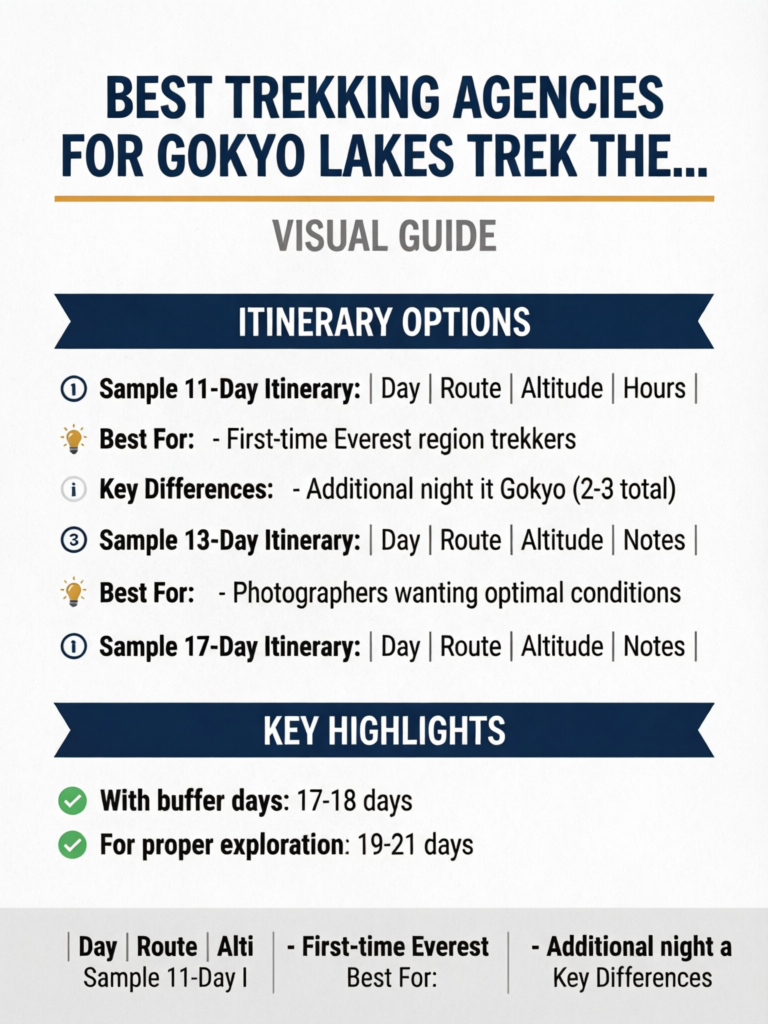
Itinerary Options
Gokyo offers more itinerary flexibility than EBC, with options ranging from focused lake treks to epic regional traverses.
Classic Gokyo Lakes (10-12 Days)
Overview: The standard Gokyo trek provides a complete experience of the valley, lakes, and Gokyo Ri viewpoint.
Sample 11-Day Itinerary:
| Day | Route | Altitude | Hours |
|---|---|---|---|
| 1 | Fly Kathmandu to Lukla, trek to Phakding | 2,610m | 3-4 hrs |
| 2 | Phakding to Namche Bazaar | 3,440m | 5-6 hrs |
| 3 | Acclimatization day in Namche | 3,440m | Day hikes |
| 4 | Namche to Dole | 4,110m | 5-6 hrs |
| 5 | Dole to Machherma | 4,470m | 4-5 hrs |
| 6 | Machherma to Gokyo | 4,750m | 4-5 hrs |
| 7 | Gokyo Ri sunrise, lake exploration | 5,357m summit | 6-7 hrs |
| 8 | Gokyo to Machherma | 4,470m | 4-5 hrs |
| 9 | Machherma to Namche | 3,440m | 6-7 hrs |
| 10 | Namche to Lukla | 2,860m | 6-7 hrs |
| 11 | Fly Lukla to Kathmandu | - | 35 min flight |
Best For:
- First-time Everest region trekkers
- Those with 10-12 days available
- Trekkers wanting focused Gokyo experience
- Budget-conscious travelers
Gokyo Extended Exploration (12-14 Days)
Overview: Extra days allow proper lake exploration and flexibility for weather or acclimatization.
Key Differences:
- Additional night at Gokyo (2-3 total)
- Day trip to fourth and fifth lakes
- Extra acclimatization day option
- Multiple Gokyo Ri attempts if weather requires
- Buffer for Lukla flight delays
Sample 13-Day Itinerary:
| Day | Route | Altitude | Notes |
|---|---|---|---|
| 1 | Fly to Lukla, trek to Phakding | 2,610m | |
| 2 | Phakding to Namche | 3,440m | |
| 3 | Namche acclimatization | 3,440m | Hike to Everest View Hotel |
| 4 | Namche to Dole | 4,110m | |
| 5 | Dole to Machherma | 4,470m | |
| 6 | Machherma to Gokyo | 4,750m | Afternoon lake exploration |
| 7 | Gokyo Ri sunrise | 5,357m | Rest afternoon |
| 8 | Fourth and fifth lakes exploration | 4,990m max | Full day hike |
| 9 | Rest/buffer day | 4,750m | Optional activities |
| 10 | Gokyo to Machherma | 4,470m | |
| 11 | Machherma to Namche | 3,440m | |
| 12 | Namche to Lukla | 2,860m | |
| 13 | Fly to Kathmandu | - |
Best For:
- Photographers wanting optimal conditions
- Those wanting complete lake system exploration
- Trekkers prioritizing acclimatization safety
- Anyone with flexible schedules
Gokyo + EBC via Cho La Pass (16-18 Days)
Overview: The ultimate Everest region trek combines both major destinations via the challenging Cho La Pass (5,420m).
Sample 17-Day Itinerary:
| Day | Route | Altitude | Notes |
|---|---|---|---|
| 1 | Fly to Lukla, trek to Phakding | 2,610m | |
| 2 | Phakding to Namche | 3,440m | |
| 3 | Namche acclimatization | 3,440m | |
| 4 | Namche to Dole | 4,110m | |
| 5 | Dole to Machherma | 4,470m | |
| 6 | Machherma to Gokyo | 4,750m | |
| 7 | Gokyo Ri sunrise, lake exploration | 5,357m | |
| 8 | Rest/exploration day | 4,750m | Prepare for pass |
| 9 | Gokyo to Thagnak | 4,700m | Approach Cho La |
| 10 | Thagnak to Dzongla via Cho La | 4,830m | 5,420m pass, long day |
| 11 | Dzongla to Lobuche | 4,940m | |
| 12 | Lobuche to Gorak Shep, EBC | 5,140m | EBC at 5,364m |
| 13 | Kala Patthar sunrise, to Dingboche | 4,410m | 5,545m viewpoint |
| 14 | Dingboche to Tengboche | 3,860m | Monastery visit |
| 15 | Tengboche to Namche | 3,440m | |
| 16 | Namche to Lukla | 2,860m | |
| 17 | Fly to Kathmandu | - |
Cho La Requirements
This combination requires prior trekking experience, good fitness, and comfort with exposed terrain. Cho La includes glacier travel, rock scrambling, and early morning starts. It's not suitable for nervous beginners. Quality agencies honestly assess client readiness.
Best For:
- Experienced trekkers wanting the complete experience
- Those comparing Gokyo Ri and Kala Patthar views
- Adventure-focused travelers
- Return visitors expanding previous experience
Three Passes Trek (18-21 Days)
Overview: Nepal's most challenging tea house trek crosses three high passes above 5,300m: Kongma La (5,535m), Cho La (5,420m), and Renjo La (5,360m).
Who This Is For:
- Experienced high-altitude trekkers only
- Excellent fitness required
- Comfort with technical terrain essential
- 18-21 days commitment
- Premium agency support recommended
Key Requirements:
- Prior 5,000m+ trekking experience
- Crampons and ice axe familiarity
- Strong cardiovascular fitness
- Mental resilience for challenging conditions
- Flexibility for weather delays
- Premium agency with Three Passes expertise
Not Covered in Detail Here: The Three Passes Trek deserves its own comprehensive guide given its complexity. For this challenge, work only with agencies demonstrating specific Three Passes experience, not those treating it as an extended Gokyo/EBC combination.
Gokyo + EBC Combination: Special Considerations
If you're considering the combination trek via Cho La, several factors require careful attention.
Fitness Requirements
Cho La Physical Demands:
| Requirement | Description |
|---|---|
| Cardiovascular | 8-10 hour day at altitude |
| Leg strength | Steep ascent/descent on loose rock |
| Balance | Glacier crossing on ice |
| Endurance | Pre-dawn start (2-4am) |
| Mental | Exposure on narrow sections |
Pre-Trek Preparation:
- Consistent cardio training (running, cycling, stair climbing)
- Leg strength work (squats, lunges, step-ups)
- Long training hikes with full pack
- Practice early morning exercise
- Altitude experience if possible
Honest Self-Assessment: If you've never trekked at altitude, Cho La is not ideal for your first high-altitude experience. Complete a standard Gokyo or EBC trek first, then return for the combination.
Guide Requirements for Cho La
Non-Negotiable Qualifications:
- 10+ personal Cho La crossings
- Experience in various conditions (snow, ice, dry rock)
- Crampon fitting and basic glacier travel instruction ability
- Clear understanding of turn-back criteria
- Emergency response training
- Current-year crossing experience
Questions to Ask:
- "How many times has my assigned guide crossed Cho La?"
- "When was their most recent crossing?"
- "Describe a situation where you decided not to attempt the pass."
- "What equipment do you provide and how is it fitted?"
- "What is your protocol if conditions prevent crossing?"
Equipment Provision
Agency-Provided Equipment:
| Item | Essential | Notes |
|---|---|---|
| Crampons | Yes | Must be properly fitted before pass day |
| Trekking poles | Yes | Critical for balance |
| Emergency shelter | Yes | Guide should carry |
| Rope | Situational | Some conditions require |
| Ice axe | Situational | Some conditions require |
Your Responsibilities:
- Warm layers for pre-dawn start
- Headlamp with fresh batteries
- Personal first aid essentials
- Water and snacks
- Sun protection
Weather Considerations
Cho La Weather Windows:
Best Months: Late September through November, March through May Challenging Months: December-February (snow), June-August (monsoon)
Day-of Considerations:
- Early departure essential (typically 2-4am from Thagnak)
- Afternoon clouds and potential weather deterioration
- Pass should be completed by noon
- Weather check before departure
- Flexibility to delay if conditions poor
Turn-Back Scenarios:
- Deep fresh snow on glacier
- Active precipitation during crossing
- High winds on exposed sections
- Client struggling with altitude or fatigue
- Visibility too poor for safe navigation
Pro Tip
Quality agencies build a buffer day before Cho La. If conditions are poor on your scheduled crossing day, the extra day allows waiting for improvement rather than forcing a dangerous attempt or aborting the combination entirely.
Logistics: Direction Matters
Gokyo First (Recommended):
- Better acclimatization (gradual altitude gain)
- Gokyo Ri at lower altitude than Kala Patthar
- Descending after Cho La to Dzongla
- Fresher for the technical pass
EBC First (Alternative):
- Ascending after Cho La to Gokyo
- Higher altitude exposure before pass
- May be crowded at EBC before passing
- Some prefer ending at quieter Gokyo
Most experienced operators recommend Gokyo first for optimal acclimatization and logistics.
Questions to Ask Before Booking
Compile these questions when evaluating Gokyo agencies:
About Gokyo-Specific Experience
- "How many Gokyo treks does your agency operate annually?"
- "How many times has my assigned guide completed the Gokyo route specifically?"
- "Which lakes beyond Gokyo Village do you include in your itinerary?"
- "What time do you recommend for Gokyo Ri - sunrise or sunset?"
- "How much time at Gokyo is included in your standard itinerary?"
- "What makes Gokyo special compared to EBC in your view?"
About Safety and Emergencies
- "What is your altitude sickness protocol?"
- "What medical facilities are available on the Gokyo route?"
- "What emergency communication do you carry?"
- "What happens if a client gets AMS and must descend?"
- "Do you carry emergency oxygen?"
- "Have you had serious incidents on the Gokyo route? How were they handled?"
About Cho La (If Combining)
- "How many times has my guide crossed Cho La?"
- "When was their most recent crossing?"
- "What equipment do you provide for the pass?"
- "What conditions would prevent attempting the crossing?"
- "What is your protocol if the pass is impassable?"
- "How do you assess client fitness for Cho La?"
About Logistics and Inclusions
- "Are Lukla flights included in the quoted price?"
- "What happens if Lukla flights are cancelled for multiple days?"
- "How many nights at Gokyo are included?"
- "What standard of teahouse should I expect?"
- "What is the porter weight allowance?"
- "What is your cancellation policy?"
About Value and Ethics
- "What is your porter welfare policy?"
- "Do porters receive proper equipment and accommodation?"
- "What is the total true cost including all extras?"
- "What costs are NOT included that I should budget for?"
- "Why should I choose your agency for Gokyo specifically?"
Use Responses as Evaluation
The thoroughness and specificity of answers reveals agency quality. Vague responses, dodged questions, or irritation at detailed inquiry are all warning signs. Quality agencies welcome careful evaluation from informed clients.
Frequently Asked Questions About Gokyo Agencies
Is Gokyo easier than EBC?
Not necessarily. While Gokyo Ri's summit (5,357m) is lower than Kala Patthar (5,545m), the altitude challenge remains significant. The route to Gokyo gains altitude quickly, and proper acclimatization is equally important.
Key Differences:
- Slightly lower maximum altitude at Gokyo
- Fewer days above 5,000m at Gokyo
- Similar teahouse conditions
- Same Lukla flight logistics
- Less crowded (advantage for some)
- More flexible exploration options
Bottom Line: Don't choose Gokyo because you think it's easier. Choose it because you want the lake experience, prefer fewer crowds, or want to combine with EBC via Cho La.
Can I do Gokyo with a mandatory licensed guide?
Technically yes - Gokyo is not a restricted area requiring mandatory guides. However, we recommend against solo trekking for most people due to:
Solo Trekking Challenges:
- Altitude sickness risk without experienced monitoring
- Navigation can be challenging above Machherma
- Teahouse booking difficulties in peak season
- No emergency support system
- Less cultural insight and local knowledge
If You Insist on Solo:
- Have significant prior high-altitude experience
- Carry comprehensive travel insurance
- Research the route thoroughly
- Share your itinerary with someone at home
- Consider at least hiring a porter-guide
How do I choose between Gokyo and EBC?
Choose Gokyo If:
- You prefer fewer crowds
- Lake scenery appeals to you
- You might combine with EBC via Cho La
- You have slightly less time (10-12 days minimum)
- You value a quieter, more contemplative experience
Choose EBC If:
- Standing at Everest Base Camp is your goal
- You have 12-14+ days available
- You want the most famous Himalayan trek
- Higher sleeping altitude doesn't concern you
- You prefer more developed infrastructure
Best of Both: The Gokyo + EBC combination via Cho La delivers both experiences. If you have 16-18 days and appropriate fitness, this is the ultimate Everest region trek.
What's the best season for Gokyo?
Peak Season (October-November):
- Clearest skies and best mountain visibility
- Coldest temperatures at altitude
- Busiest (though still quieter than EBC)
- Highest Lukla flight reliability
Spring Season (March-May):
- Rhododendron blooms at lower elevations
- Warmer temperatures
- Occasional afternoon clouds
- Good alternative to autumn crowds
Monsoon (June-August):
- Rain and clouds most days
- Leeches on lower trails
- Limited mountain views
- Few trekkers (if you don't mind conditions)
Winter (December-February):
- Very cold at altitude (-20°C or colder at Gokyo)
- Some lodges closed
- Beautiful snow scenery
- Fewest trekkers
How difficult is Cho La Pass?
Difficulty Level: Challenging
Technical Requirements:
- Glacier crossing on ice (crampons required)
- Steep, loose rock scrambling
- 8-10 hour day at extreme altitude
- Pre-dawn start in cold and dark
- Exposed sections with drop-offs
Not Suitable For:
- First-time trekkers
- Those uncomfortable with exposure
- Anyone with significant altitude sensitivity
- Those unable to walk 8-10 hours at altitude
Preparation: Complete at least one major trek (EBC, ABC, or similar) before attempting Cho La. Understand your body's altitude response before committing to the combination.
What if Cho La is impassable?
Common Reasons for Closure:
- Deep fresh snow on glacier
- Active storm conditions
- Excessive ice requiring technical equipment
- Unsafe conditions assessed by guide
What Happens:
- Wait a day for conditions to improve
- If still impassable, return via Gokyo route
- Some agencies can arrange alternative routing via Phortse
- EBC portion may be accessed separately (adds days)
- No refund typically for unused combination days
Mitigation:
- Book agencies with buffer days in itinerary
- Have comprehensive travel insurance
- Accept that mountain weather is unpredictable
- Prepare mentally for the possibility
How far in advance should I book?
Peak Season (October-November):
- Ideal: 3-6 months ahead
- Minimum: 6-8 weeks ahead
- Last-minute: Possible but limited agency choice
Spring Season (March-May):
- Ideal: 2-4 months ahead
- Minimum: 4-6 weeks ahead
- More availability than autumn
Factors Requiring Earlier Booking:
- Specific guide requests
- Cho La combination treks
- Large groups
- Peak October dates
What's included in the typical Gokyo package?
Mid-Range Package Typically Includes:
- Lukla return flights
- All permits (TIMS, Sagarmatha NP, local fees)
- Experienced English-speaking guide
- Porter (shared 2:1)
- Teahouse accommodation
- Three meals daily on trek
- 1-2 nights Kathmandu hotel
- Airport transfers
Usually NOT Included:
- Travel insurance (mandatory, $100-200)
- Tips ($120-180)
- Hot showers ($3-5 each)
- WiFi/charging ($3-5)
- Drinks beyond tea with meals
- Extra snacks
- Single room supplement
- Sleeping bag rental
- Personal gear
Can I see both Gokyo and EBC in 12 days?
Short Answer: Not recommended.
Why Not:
- Inadequate acclimatization time
- Rushed experience at both destinations
- Minimal buffer for Lukla flight delays
- Cho La requires rest day before/after
- No time for lake exploration
Minimum Reasonable Duration:
- Gokyo + EBC via Cho La: 16 days
- With buffer days: 17-18 days
- For proper exploration: 19-21 days
Don't compress the combination trek dangerously. Either do Gokyo alone (10-12 days) or commit to the full combination duration.
Are tips mandatory for Gokyo treks?
Tipping is Expected: While not legally mandatory, tipping is culturally expected and forms significant portion of staff income.
Recommended Tips (Gokyo Trek):
| Role | Per Day | 12-Day Trek Total |
|---|---|---|
| Guide | $10-15 | $120-180 |
| Porter | $7-10 | $85-120 |
For Cho La Combination (17 days):
| Role | Per Day | Total |
|---|---|---|
| Guide | $12-18 | $200-300 |
| Porter | $8-12 | $135-200 |
Factors for Higher Tips:
- Cho La expertise and support
- Photography assistance
- Cultural engagement quality
- Emergency handling
- Going above and beyond
Related Resources
Plan your complete Gokyo trek with these comprehensive guides:
Route Planning:
- Everest Base Camp Route Guide - If you're comparing
- Everest Region Overview - Complete region information
- Three Passes Trek - Advanced combination option
Preparation Guides:
- EBC Training Plan - Applies to Gokyo equally
- Altitude Sickness Prevention - Critical safety knowledge
- EBC Packing List - Same gear applies
- What to Expect on Your First Nepal Trek - First-timer orientation
Agency and Guide Resources:
- How to Choose a Trekking Agency - General selection guide
- Hiring Guides and Porters in Nepal - Independent hiring
- Best Trekking Agencies for EBC - If you choose EBC instead
- Best Budget Trekking Agencies - Budget options
Practical Information:
- Kathmandu-Lukla Flights Guide - Essential flight information
- Travel Insurance for Nepal Trekking - Coverage requirements
- Nepal Visa Guide - Entry requirements
- Nepal Trekking Permits Explained - Permit types
Timing Your Trek:
- Best Time to Trek Everest Region - Seasonal guide
- Nepal Trekking Seasons Overview - Full seasonal breakdown
Your Decision Framework: Choosing the Right Gokyo Agency
Use this framework to make your final decision:
Step 1: Define Your Trek Type
Classic Gokyo Only:
- Focus on lake exploration expertise
- 10-14 day itinerary options
- Mid-range budget sufficient
Gokyo + EBC Combination:
- Require Cho La expertise
- 16-18 day commitment
- Mid-range to premium recommended
Step 2: Set Realistic Budget
Calculate TRUE Total Cost:
- Package price
- Lukla flights (if not included)
- Tips ($215-200)
- Hot showers/charging ($50-80)
- Travel insurance ($100-200)
- Extras ($50-100)
- Kathmandu expenses
Step 3: Shortlist Agencies
Evaluation Criteria:
- TAAN registration verified
- Specific Gokyo experience (not just "Everest region")
- Reviews mentioning Gokyo specifically
- Cho La expertise (if combining)
- Transparent pricing
- Responsive communication
Step 4: Send Question List
To Each Agency:
- Gokyo-specific experience questions
- Safety and emergency protocols
- Cho La expertise (if relevant)
- Complete pricing breakdown
- Guide qualifications
Step 5: Evaluate Responses
Green Flags:
- Detailed, specific answers
- Enthusiasm for Gokyo's unique features
- Honest assessment of Cho La requirements
- Transparent pricing
- Willingness to customize
Red Flags:
- Vague or generic answers
- Treating Gokyo as just "cheaper EBC"
- Overselling Cho La to everyone
- Hidden costs
- Pressure tactics
Step 6: Trust Your Judgment
The right agency should leave you feeling:
- Confident in their expertise
- Informed about what to expect
- Excited about the journey
- Respected as a customer
If communication feels off, pricing seems suspicious, or questions go unanswered, trust your instincts and look elsewhere.
Ready to Choose
Armed with this knowledge, you can confidently evaluate Gokyo trekking agencies. Remember: the best agency isn't necessarily the cheapest or most expensive - it's the one that understands what makes Gokyo special and has the expertise to deliver that experience safely. Whether you're seeking the classic lake trek or the epic Cho La combination, quality agencies exist at every price point. Choose based on expertise, transparency, and fit with your goals.
Final Thoughts
Gokyo Lakes represents something increasingly precious in the Himalaya: world-class mountain scenery with relative solitude. While the EBC trail has become a Himalayan highway, the western valley to Gokyo maintains the contemplative magic that drew the first trekkers to Nepal decades ago.
Your agency choice determines whether you experience Gokyo's full potential or receive a rushed, generic service that misses what makes this trek special. The turquoise lakes, the sunrise from Gokyo Ri, the option to cross Cho La into EBC - these experiences deserve guides who understand and appreciate them.
This guide has equipped you to:
- Understand what makes Gokyo unique from EBC
- Evaluate agencies for Gokyo-specific expertise
- Ask questions that reveal true quality
- Recognize red flags before they become problems
- Choose the right itinerary option for your goals
- Navigate the Cho La combination decision
Take your time with agency selection. Send detailed questions and evaluate the quality of responses. Verify claims independently. And then, with confidence, book your trek to one of the Himalaya's most beautiful but overlooked destinations.
The turquoise lakes are waiting. Gokyo Ri's panorama is waiting. The experience of standing at 5,357 meters watching five of the world's highest peaks catch the first light of dawn - that's waiting too.
Choose your agency wisely, and it will all be there for you.
Namaste, and safe travels to Gokyo.
About This Guide
This comprehensive guide was researched and written by the Nepal Trekking Directory editorial team based on:
- Analysis of 600+ verified customer reviews (2026/2027)
- TAAN membership verification for 45+ agencies
- Price comparison across 40+ operators
- Interviews with returned Gokyo trekkers
- Consultation with Cho La specialist guides
- Personal experience with Gokyo and combination treks
- Nepal Tourism Board regulations review
We update this guide quarterly to reflect changing conditions, pricing, and agency status. Last updated: February 2026.
Planning your Gokyo trek? If you've completed this trek with an agency (positive or negative experience), consider sharing your experience in reviews to help future trekkers make informed decisions.