The human body is remarkably adaptable, but altitude demands time. At sea level, the atmosphere delivers oxygen at a partial pressure of approximately 159 mmHg — more than enough to saturate haemoglobin in the blood at 95-99%. At 3,500 metres, the altitude of Namche Bazaar on the Everest Base Camp trek, that partial pressure drops to roughly 108 mmHg, reducing blood oxygen saturation to approximately 90% in unacclimatised individuals. By 5,364 metres at Everest Base Camp itself, atmospheric pressure is roughly half of sea-level values, and oxygen saturation in unacclimatised trekkers can drop below 75% — a level that would trigger emergency interventions in any hospital. The body compensates through a cascade of physiological adaptations: increased breathing rate and depth, elevated heart rate, increased red blood cell production via erythropoietin, and cellular-level changes in how mitochondria process available oxygen. These adaptations take days to weeks, which is precisely why ascent rate is the single most important factor in altitude safety.
Acute Mountain Sickness (AMS) affects an estimated 25-50% of trekkers who ascend above 3,500 metres without adequate acclimatization. The condition is caused by the body's inflammatory response to hypoxia — low oxygen levels trigger vasodilation in brain blood vessels, causing cerebral edema (swelling) that produces the classic symptoms of headache, nausea, fatigue, and dizziness. AMS exists on a severity spectrum: mild AMS is uncomfortable but resolves with rest and hydration at the same altitude; moderate AMS requires stopping ascent and potentially descending 300-500 metres; severe AMS can progress to High Altitude Cerebral Edema (HACE) or High Altitude Pulmonary Edema (HAPE), both of which are life-threatening emergencies requiring immediate descent and medical intervention. The critical insight is that AMS, HACE, and HAPE are not separate diseases — they are points on a continuum. Every fatal case of HACE or HAPE began as mild AMS that was ignored or pushed through. This is why early recognition and conservative decision-making at the first sign of symptoms is so important.
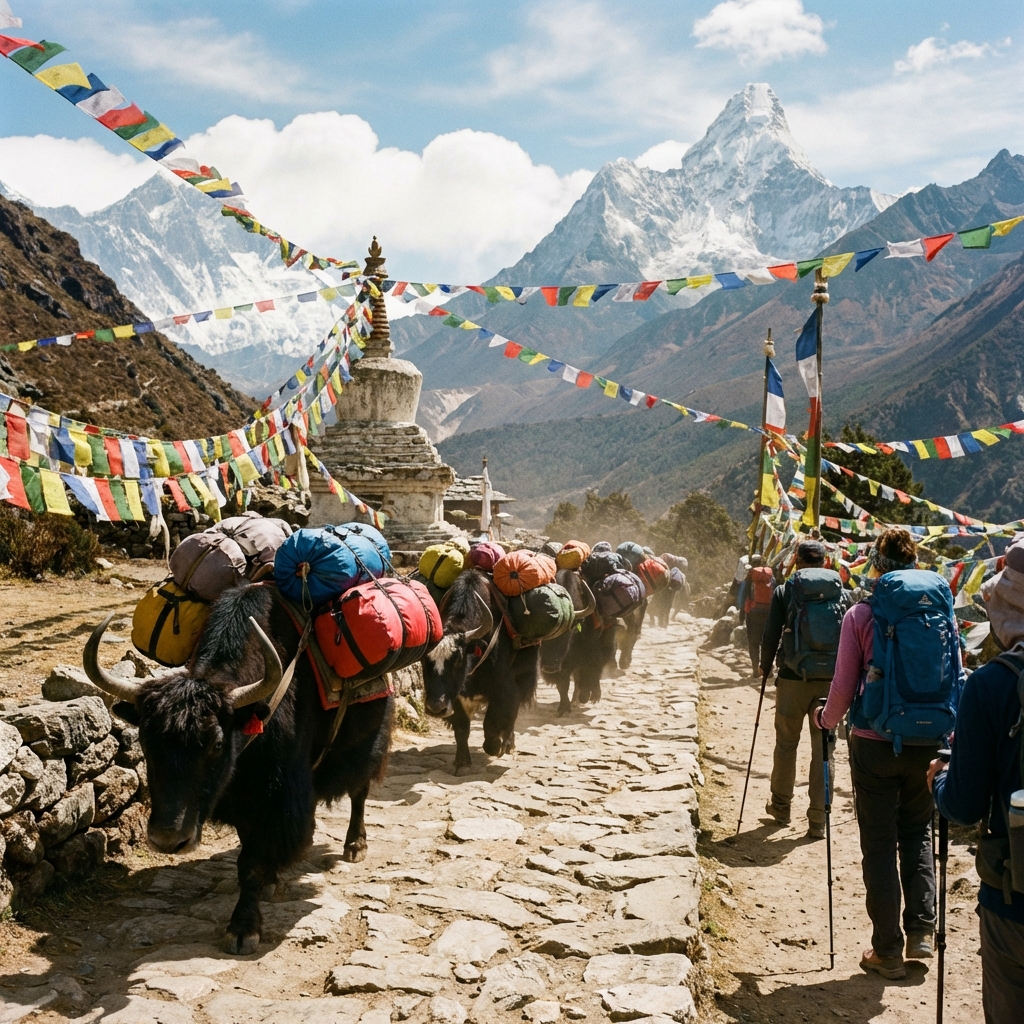
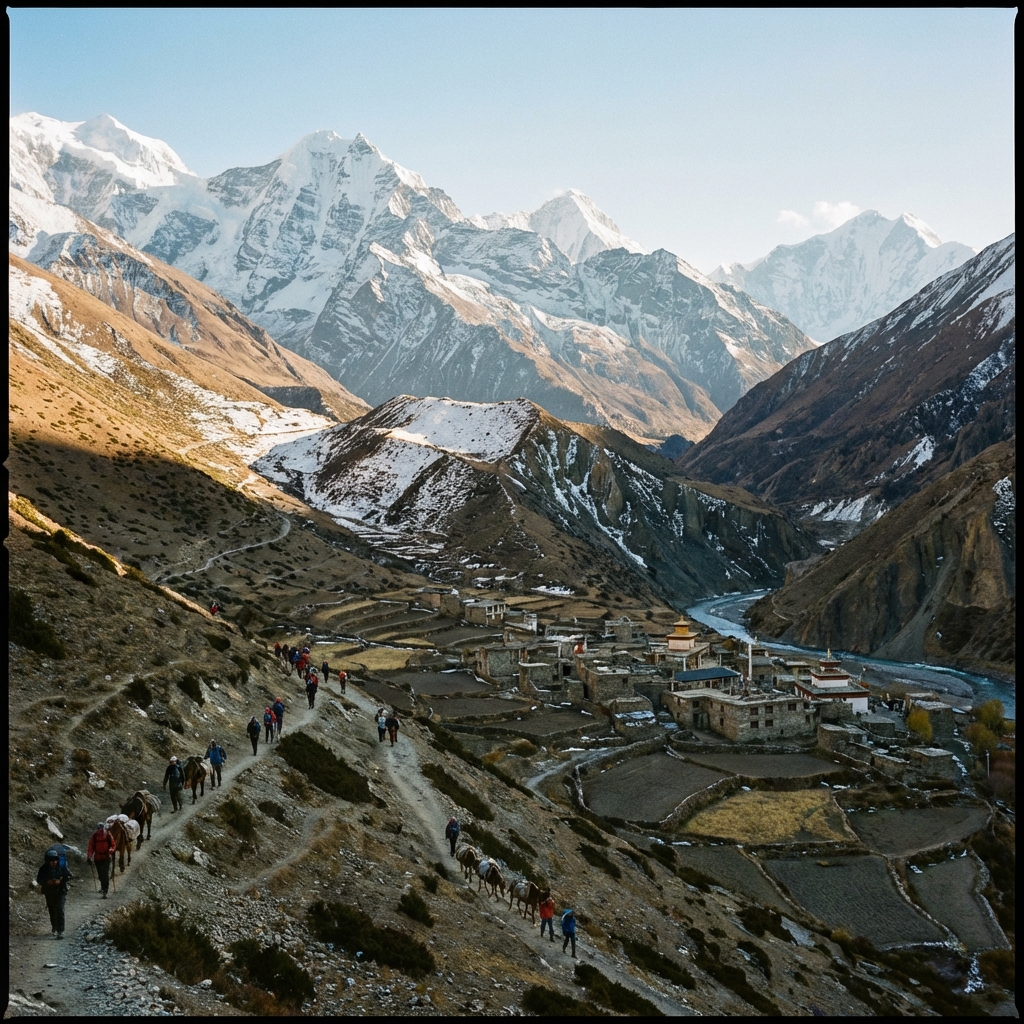
The Wilderness Medical Society's 2024 Clinical Practice Guidelines for altitude illness prevention establish clear, evidence-based rules that apply directly to Nepal trekking. Above 3,000 metres, sleeping altitude should increase by no more than 500 metres per day, with an additional rest day (no altitude gain) every 1,000 metres. The more conservative "300-metre rule" recommended by the Himalayan Rescue Association is even safer: limit sleeping altitude gain to 300 metres per day above 3,000 metres. On popular Nepal treks, these guidelines translate to specific rest-day locations that have become standard in well-designed itineraries. On the Everest Base Camp trek, Namche Bazaar (3,440m) and Dingboche (4,410m) are established acclimatization stops. On the Annapurna Circuit, Manang (3,540m) serves as the primary acclimatization base before Thorong La pass. On the Manaslu Circuit, Samagaon (3,530m) and Samdo (3,860m) provide critical rest days before the Larkya La crossing. These are not suggestions — they are essential safety measures built into the geography of each route.
Diamox (Acetazolamide) is the only medication with robust clinical evidence for both prevention and treatment of AMS. It works by inhibiting carbonic anhydrase in the kidneys, causing bicarbonate diuresis that produces a mild metabolic acidosis. This acidosis stimulates ventilation — essentially tricking the body into breathing more deeply and frequently, which increases oxygen intake and accelerates acclimatization. Prophylactic dosing of 125mg twice daily, started 24 hours before ascent above 3,000 metres, reduces AMS incidence by 50-75% in controlled studies. Diamox does not mask symptoms of altitude illness — a persistent myth that has caused some trekkers to avoid a genuinely beneficial medication. If you develop worsening symptoms while taking Diamox, the symptoms are real and should be acted upon. Common side effects include peripheral tingling (paraesthesia), increased urination, and altered carbonation taste. Rare but serious side effects include sulfonamide allergic reactions, so individuals with sulfa allergies should discuss alternatives with their doctor. Dexamethasone is used as a rescue medication for HACE, not as a prophylactic, and Nifedipine is the pharmacological treatment for HAPE.
The Lake Louise Acute Mountain Sickness Score is the internationally recognised diagnostic tool for AMS in the field. It evaluates five symptoms on a 0-3 severity scale: headache, gastrointestinal symptoms (nausea, vomiting, poor appetite), fatigue or weakness, dizziness or lightheadedness, and difficulty sleeping. A total score of 3 or more, in the presence of headache, constitutes a clinical diagnosis of AMS. The beauty of the Lake Louise system is its simplicity — it requires no equipment, no medical training, and can be self-administered by any trekker. Best practice is to score yourself every evening at a new sleeping altitude and every morning before departing. A rising score, even if still below the diagnostic threshold, indicates that your acclimatization is not keeping pace with your ascent and should trigger a conversation about slowing down or taking a rest day. Many experienced guides use Lake Louise scoring as a mandatory evening ritual with their groups, catching early trends before they become emergencies. The scoring system is included in the detailed altitude sickness guides in this section for easy field reference.
Pre-trek physical preparation does not prevent altitude sickness — a common and dangerous misconception. Cardiovascular fitness improves your ability to perform physical work at altitude, but it does not change the rate at which your body acclimatizes. Elite athletes and ultra-marathon runners are just as susceptible to AMS as recreational hikers if they ascend too quickly. In fact, highly fit individuals may be at slightly elevated risk because they feel physically capable of ascending faster than their body can adapt, leading to rapid ascent schedules that outpace acclimatization. The value of pre-trek fitness is in reducing the total physical stress load: a fit trekker can complete each day's hiking with lower cardiac output and respiratory demand, leaving more physiological reserve for the acclimatization process. But fitness is a complement to proper ascent pacing, never a substitute. The most important "training" for altitude is understanding the rules, recognising symptoms early, and having the discipline to follow conservative ascent schedules even when you feel strong enough to go faster.
Individual susceptibility to altitude illness varies significantly and is largely genetically determined. Some trekkers acclimatize rapidly with minimal symptoms; others develop AMS reliably above certain thresholds regardless of ascent rate. Age, sex, and baseline fitness are not reliable predictors. The single best predictor of altitude susceptibility is past performance: if you have experienced AMS on a previous trek at a specific altitude, you are highly likely to experience it again at similar altitudes under similar ascent conditions. This history-based prediction should inform your itinerary design, medication decisions, and contingency planning. Trekkers with a known history of altitude illness should use conservative ascent schedules, consider prophylactic Diamox, and build extra rest days into their itineraries. Those trekking to high altitude for the first time should assume average susceptibility and follow standard guidelines without cutting corners — you cannot know your personal threshold until you have experienced altitude exposure, and discovering it through a medical emergency is not a reasonable approach.