
Annapurna Region
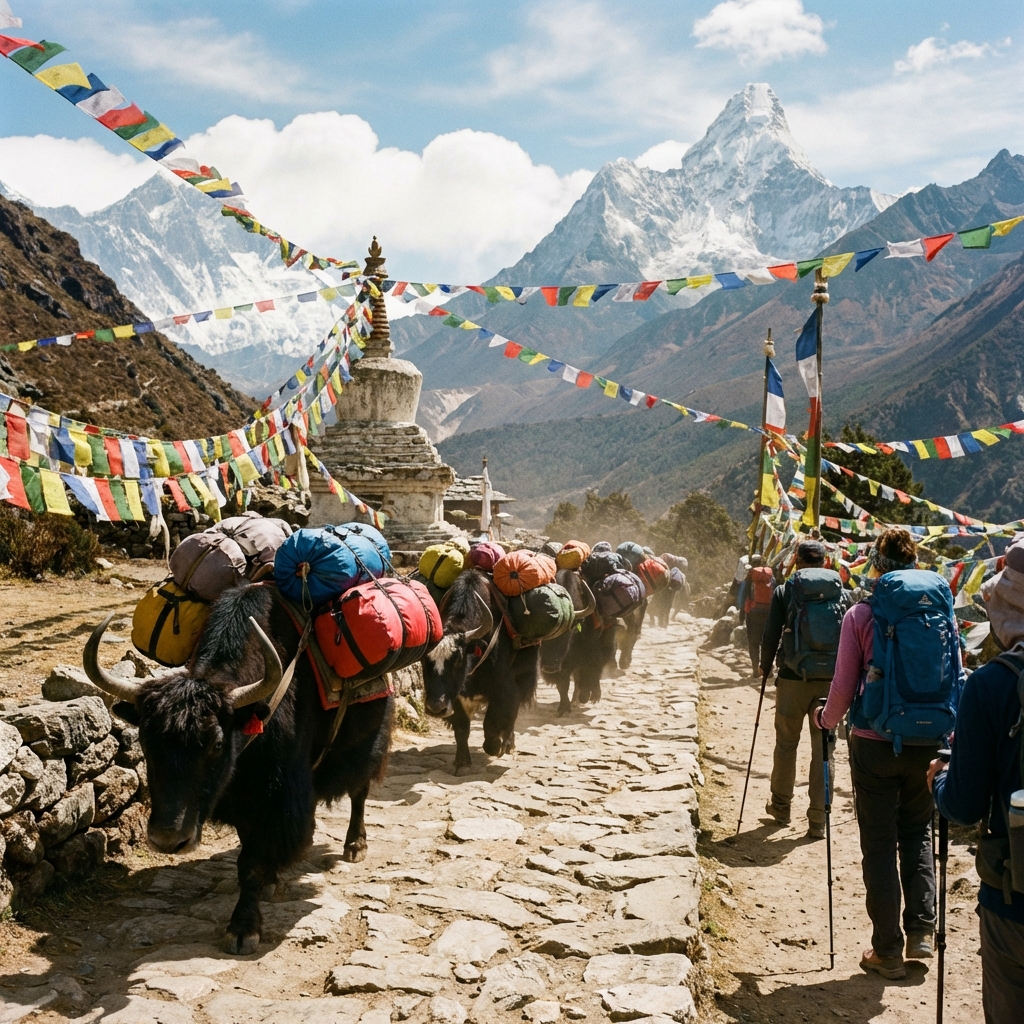
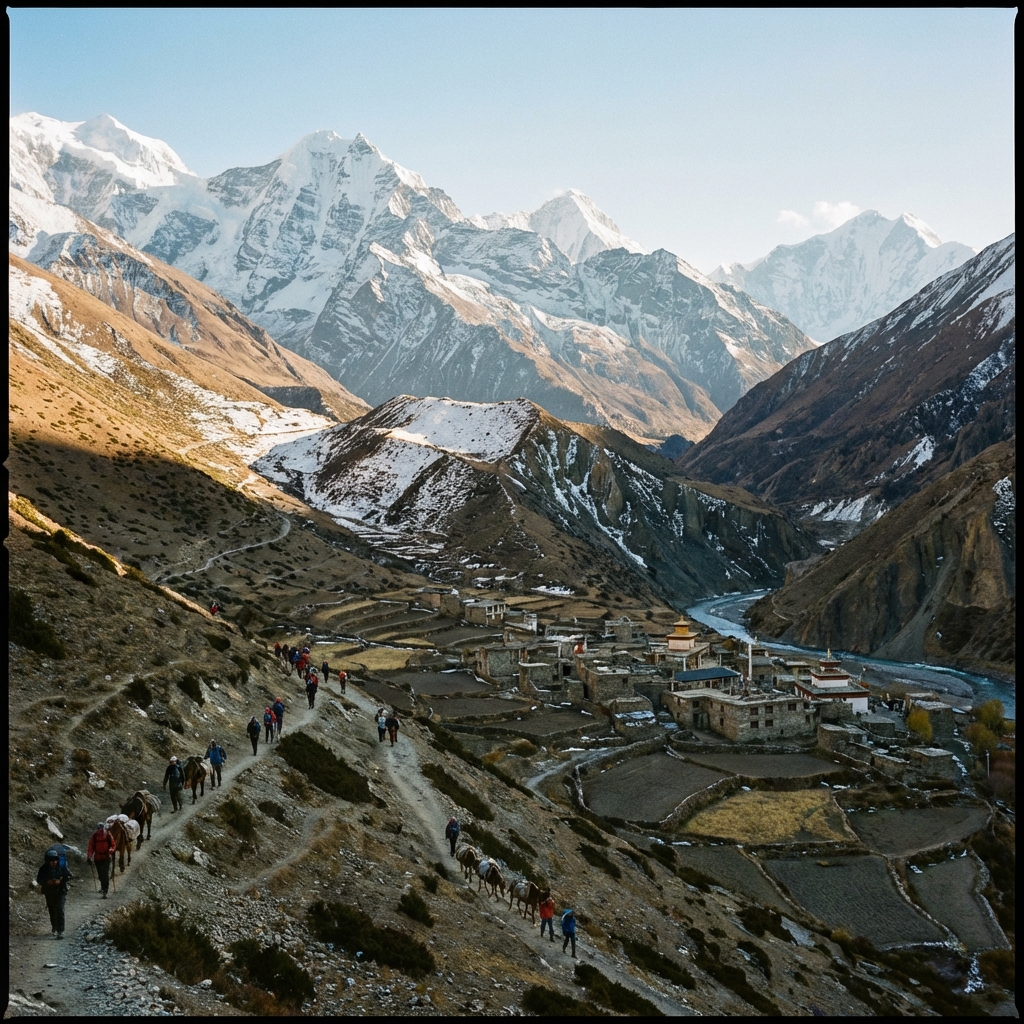
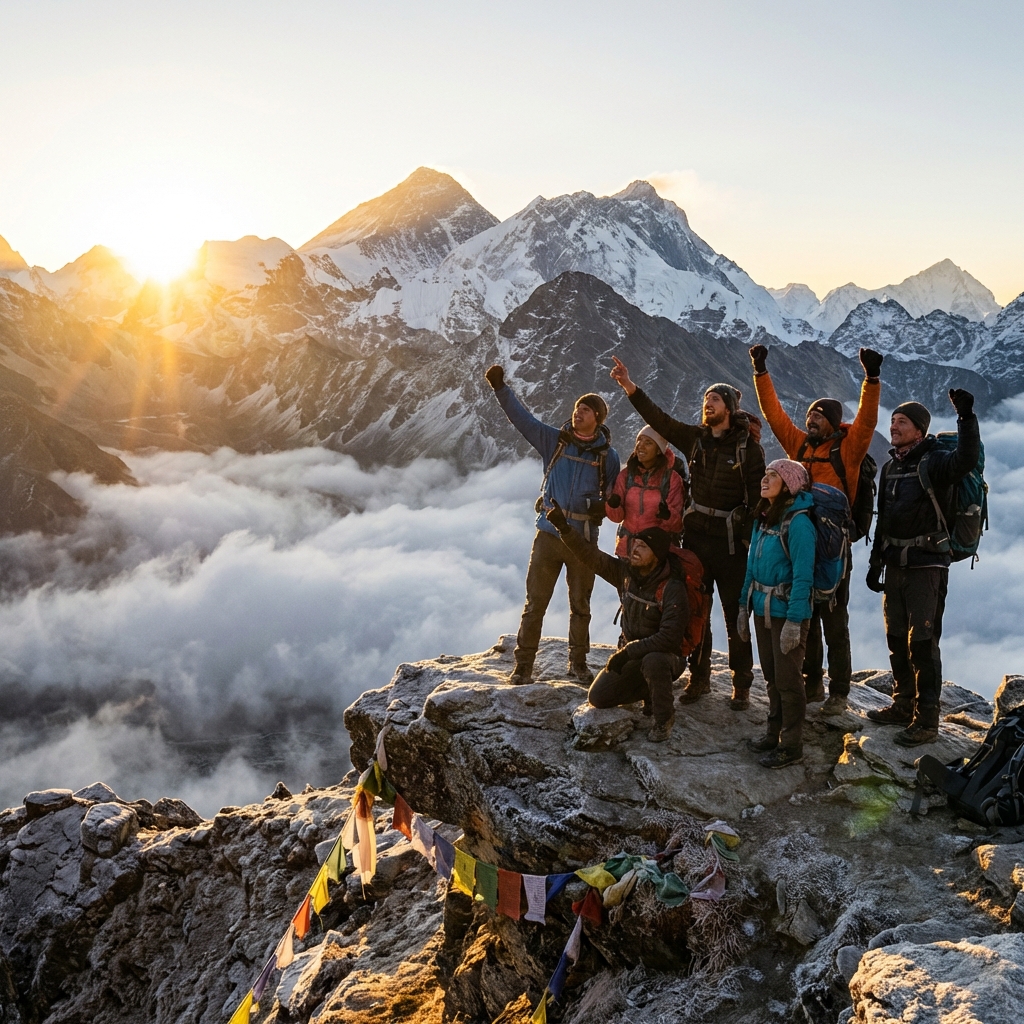
Nepal's most diverse trekking region spans subtropical jungle, terraced farmland, high-altitude desert, and the 5,416m Thorong La pass. From the famous Circuit and Base Camp to hidden valleys like Nar Phu, the Annapurna Conservation Area holds more route variety than anywhere else in the Himalayas.
Five ecological zones
The Annapurna Conservation Area
The Annapurna Conservation Area Project (ACAP) protects 7,629 square kilometers of north-central Nepal, making it the largest protected area in the country. Within this single region, trekkers pass through five distinct ecological zones — from 800m subtropical lowlands near Pokhara all the way to barren high-alpine terrain above 5,000m. Nowhere else in Nepal offers such variety within a single permit zone.
The region's trail infrastructure is the most developed in Nepal. The Annapurna Circuit and Base Camp routes have well-established tea house networks with hot showers, Wi-Fi, and a wide range of food options in most villages. This accessibility makes the Annapurna region ideal for independent trekkers — you can show up without a pre-booked itinerary and find accommodation every night on all main routes.
The ACAP permit costs $30 USD and is valid for the entire conservation area. You also need a TIMS (Trekkers' Information Management System) card, available at the Nepal Tourism Board offices in Kathmandu or Pokhara. Both permits are checked at multiple checkpoints along each trail — carry them accessible, not buried in your pack.
The Annapurna massif itself is home to Annapurna I (8,091m), the tenth-highest mountain in the world and historically one of the most deadly for climbers. Trekkers don't summit Annapurna I, but many trek to its base camp at 4,130m or traverse below its flanks on the Circuit. The region also contains Dhaulagiri (8,167m), Manaslu (8,163m — visible from the Circuit's northern section), and Machapuchare (6,993m), the sacred "Fishtail Peak" that remains unclimbed by any route.
Culturally, the Annapurna region is remarkably diverse. Lower elevations are predominantly Hindu Gurung and Magar communities. Higher elevations — particularly the Manang Valley, Mustang fringe, and the northern trans-Himalayan zones — are culturally Tibetan, with monasteries, prayer wheels, and mani walls lining the trails. The village of Manang (3,500m) is the last major stop before Thorong La and a mandatory acclimatization point where most trekkers spend 2 nights.
For those seeking less-traveled ground, the Nar Phu Valley (restricted permit required) and the Khopra Danda ridge offer genuine solitude within the same permit zone. The region's size and trail network mean that even during peak season in October, you can escape the crowds by choosing the less-traveled alternatives documented in these guides.
By the numbers
Region at a Glance
12 routes
Total Routes
from 3 to 21 days
3–21 days
Duration Range
Poon Hill to full Circuit
3,210m–5,416m
Altitude Range
Ghorepani to Thorong La
ACAP $30
Main Permit
+ TIMS card required
Route guides
All Annapurna Routes
Every route guide covers the full itinerary, daily altitude profile, permit requirements, accommodation options, and honest difficulty assessment.
Good to know
Frequently Asked Questions
What is the best Annapurna route for first-time trekkers?
Poon Hill (4–5 days) is the most popular entry-level trek in the Annapurna region, reaching a maximum altitude of 3,210m and offering world-class sunrise views of the Annapurna and Dhaulagiri ranges. Mardi Himal (5–7 days) is the next step up, reaching 4,500m with far fewer crowds. For those who want the full experience without committing to the 14–21 day Circuit, Annapurna Base Camp (7–12 days) at 4,130m is the most rewarding moderate trek in Nepal — the amphitheater of peaks surrounding the base camp is unforgettable.
Annapurna Circuit vs Annapurna Base Camp — which is better?
They offer genuinely different experiences. The Circuit (14–21 days) is a circumnavigation that takes you from subtropical lowlands through mountain villages to the high-altitude desert of the Manang Valley before crossing the legendary Thorong La pass at 5,416m. It rewards trekkers with extraordinary ecological and cultural diversity. Annapurna Base Camp (7–12 days) is a more focused pilgrimage into the heart of the massif — you follow the Modi Khola valley deep into the mountains until you stand in a 360° amphitheater of 7,000m+ peaks. Choose the Circuit for diversity; choose ABC for intimate mountain drama. Many experienced trekkers return to do both.
What is the Mardi Himal trek and who is it suited for?
Mardi Himal (5–7 days, max 4,500m) is a ridge trek that runs parallel to the main Annapurna Base Camp trail, offering superb views of Machapuchare (Fishtail Mountain) and Annapurna South without the crowds of ABC. The trail passes through rhododendron forest and open ridgeline with a high camp at around 4,200m. It suits moderately fit trekkers who have some prior hiking experience and want to reach a high camp setting without the infrastructure of the main ABC trail. There are guesthouses on the route but fewer options than on the Circuit or ABC.
How difficult is the Thorong La pass crossing?
Thorong La (5,416m) is the crux of the Annapurna Circuit and is classified as moderate-hard. The standard crossing involves starting from Thorong Phedi or High Camp (4,850m) at around 3–4am, trekking 6–8 hours uphill in thin air, and descending steeply to Muktinath. The main challenges are altitude (the summit is higher than any European peak), the early start, and unpredictable weather. Proper acclimatization in Manang (3,500m) with 2 rest days is essential. Most trekkers with basic mountain fitness complete it successfully if they acclimatize properly and start early. The pass is typically closed from December to February due to snow.
What is the best season for Annapurna trekking?
The two prime seasons are October–November (post-monsoon) and March–April (pre-monsoon). October–November delivers crystal-clear skies, excellent visibility, and dry trails — this is peak season with the most trekkers on the trail. March–April brings rhododendron blooms (the forests around Ghorepani and on the Mardi Himal route are spectacular in March), slightly fewer crowds than autumn, and generally stable weather. December–February is possible at lower altitudes but Thorong La may be snowbound. The monsoon (June–September) brings leeches, muddy trails, and obscured views, though some trekkers enjoy the lush green landscapes and quiet trails.
Are there off-beaten-path alternatives in the Annapurna region?
Yes — the Nar Phu Valley trek is the most dramatic hidden gem in the Annapurna area. This restricted zone trek (requiring a special restricted area permit at $100/week) accesses the remote villages of Nar and Phu, which maintained their Tibetan culture in near-total isolation until 2003. The landscape is raw high-altitude desert, and the cultural experience is unlike anything on the main Annapurna trails. The Khopra Danda ridge (5–7 days) is another underrated option, offering Dhaulagiri and Annapurna views without any crowds. Tilicho Lake (add-on from the Circuit) at 4,919m is also increasingly popular as a side trip.
Keep exploring