5 Permit Guides
National Parks & Conservation Areas
Nepal's protected areas are the backbone of Himalayan trekking. Understand the entry permits, fee structures, and checkpoint systems for every major national park and conservation area along Nepal's trekking routes.
Protected Areas
Nepal's Protected Area System
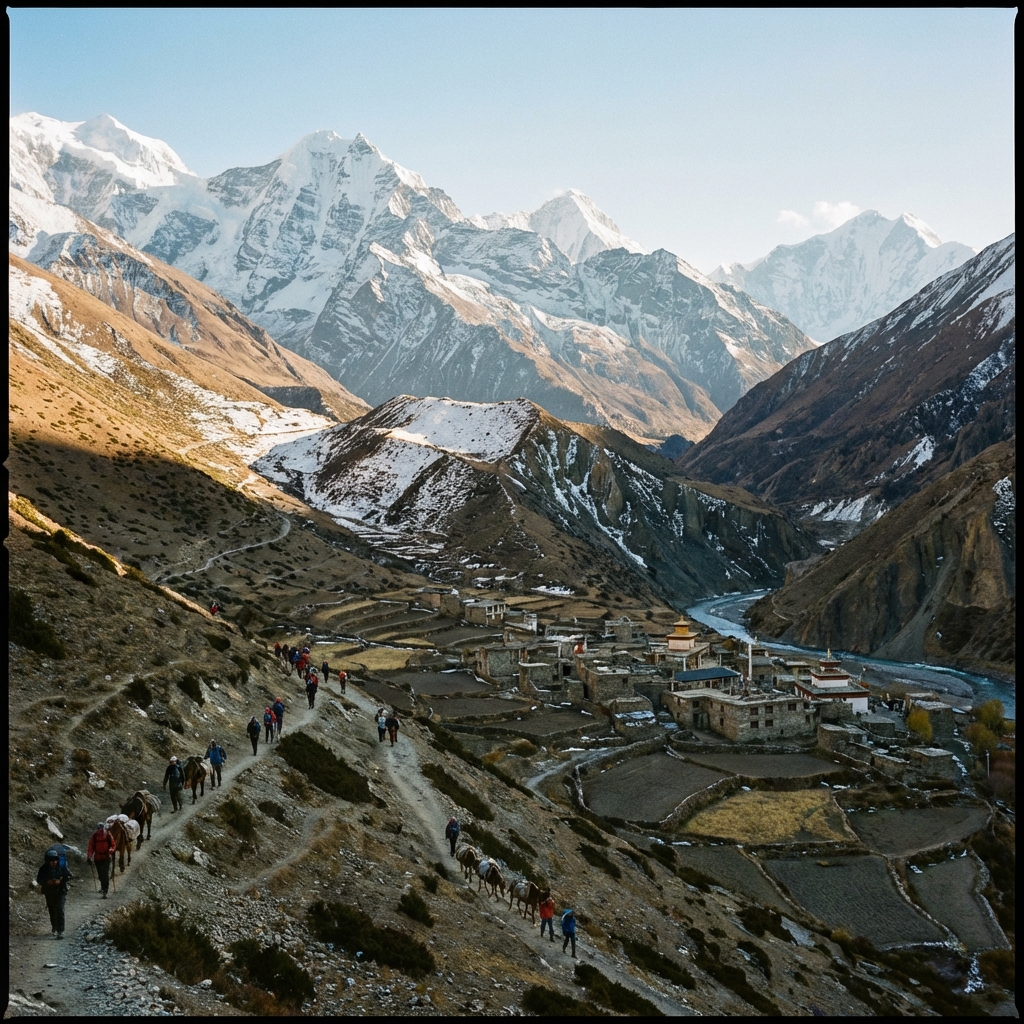
Nepal's system of protected areas covers approximately 23.4% of the country's total land area — one of the highest proportions in Asia. This network includes 12 national parks, 1 wildlife reserve, 6 conservation areas, 1 hunting reserve, and 13 buffer zones that together protect an extraordinary range of ecosystems, from subtropical lowland forests at 100 meters elevation to the highest peaks on Earth above 8,000 meters. For trekkers, the practical reality is that nearly every major multi-day trekking route in Nepal passes through at least one protected area, making park entry permits a standard part of the trekking experience.
The distinction between national parks and conservation areas matters more for local communities than for trekkers, but understanding the difference explains why the permit systems vary. National parks — managed by the Department of National Parks and Wildlife Conservation (DNPWC) — are zones of strict protection where human settlement is either prohibited or tightly regulated. Sagarmatha National Park, which encompasses the Everest region, was established in 1976 and became a UNESCO World Heritage Site in 1979. Langtang National Park, established in 1976, protects the nearest high-mountain region to Kathmandu. Makalu Barun National Park, gazetted in 1992, is one of the few places on Earth where the landscape rises from 400 meters to over 8,000 meters without interruption — creating a vertical biodiversity gradient found almost nowhere else.
Conservation areas operate under a different philosophy. Managed by the National Trust for Nature Conservation (NTNC), these zones were designed to integrate local communities into conservation management. The Annapurna Conservation Area Project (ACAP), established in 1986, was the first of its kind in Nepal and remains the largest protected area in the country at 7,629 square kilometers. Over 100,000 people live within its boundaries, and local Conservation Area Management Committees (CAMCs) have significant input into how the area is managed. A portion of the ACAP permit fee is returned directly to these communities for development projects — schools, health clinics, clean energy installations, and trail maintenance.
The fee structures across protected areas follow a general pattern but are not identical. Most national parks charge NPR 3,000 (~$22 USD) for foreign nationals and NPR 200–500 for SAARC nationals. Conservation areas follow similar pricing. The Gaurishankar Conservation Area — one of Nepal's newer protected zones, established in 2010 to protect the Rolwaling Valley — charges NPR 3,000 for foreigners. Children under 10 are generally exempt from fees. These entry fees are distinct from the TIMS card fee and the restricted area permit fee — they are separate charges that fund the specific protected area you are entering.
Conservation funding from permit fees supports tangible outcomes that trekkers can see on the trail. The Sagarmatha Pollution Control Committee (SPCC) uses permit revenue to fund the "carry in, carry out" waste policy in the Everest region, operating waste collection points and funding helicopter evacuation of non-degradable materials from high altitude. In the Annapurna region, ACAP funds have built micro-hydroelectric stations that provide clean energy to tea houses, reducing the demand for firewood that once drove deforestation. Trail improvements — stone staircases, suspension bridges, and signage — are funded through a combination of permit revenue and international aid, with the permit system providing the reliable baseline funding.
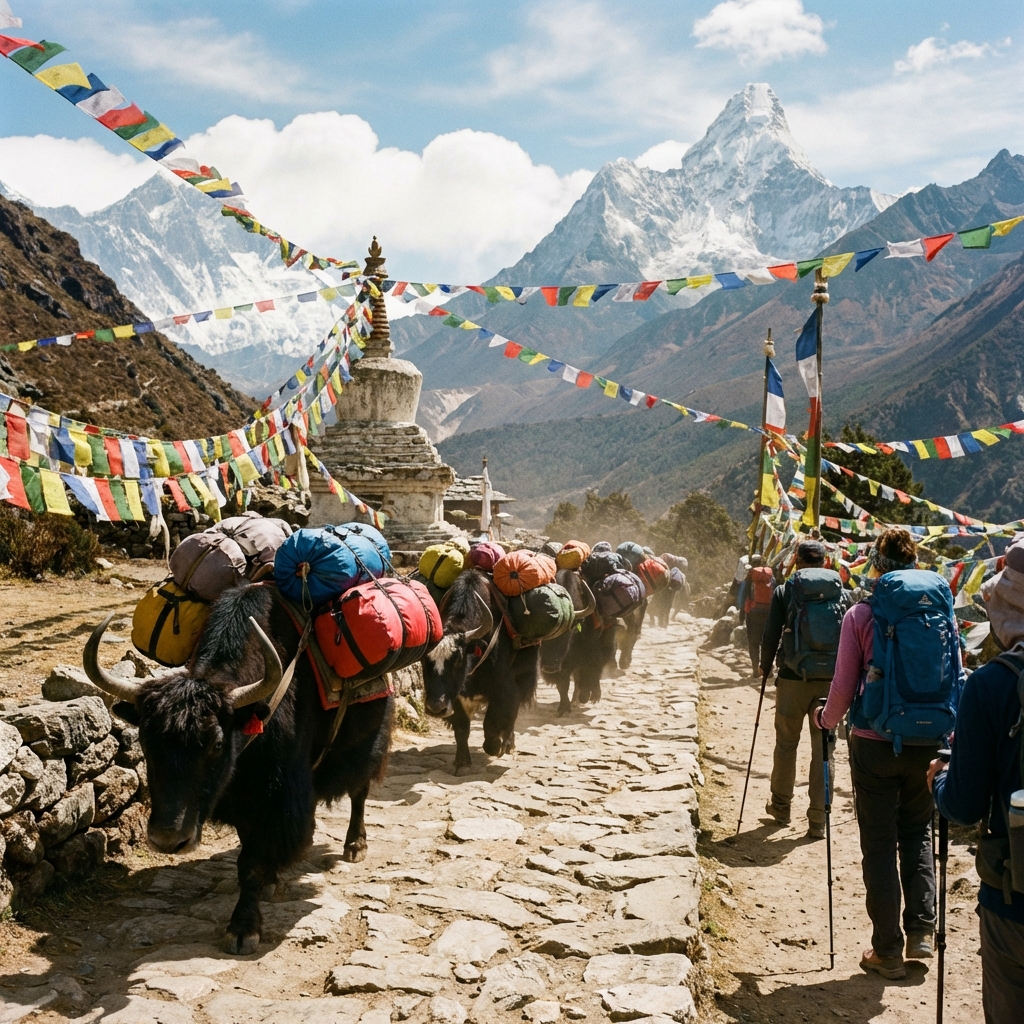
At checkpoints along the trail, park officials verify your permits and record your passage in logbooks. This process is quick — typically 2 to 5 minutes — and serves both conservation and safety purposes. The data collected at checkpoints helps park managers understand visitor patterns, peak times, and trail usage, which informs decisions about trail maintenance priorities and carrying capacity assessments. From a safety perspective, checkpoint logs create a timestamped record of trekker movements. In the event of a natural disaster, avalanche, or individual emergency, these records are critical for search and rescue operations to determine who is on the trail and approximately where they might be.
For trekkers planning their budget, national park and conservation area permits represent a modest but important line item. The combined cost of a TIMS card ($10–$20) plus a park entry permit ($22–$30) adds $30–$50 to your total trek cost — a small fraction of the typical multi-day trek budget. This investment directly supports the preservation of the landscapes, communities, and trail infrastructure that make Nepal trekking one of the world's great outdoor experiences. The individual permit guides below provide detailed information for each protected area, including current fees, checkpoint locations, and application procedures.
Fast Facts
Park Permits at a Glance
18 zones
Protected Areas
12 national parks + 6 conservation areas
NPR 3,000
Entry Fee
~$22 USD for foreigners
NPR 200–500
SAARC Rate
significant discount
5 guides
Permit Guides
covering major trekking parks
Park Guides
National Park & Conservation Area Guides
Detailed guides for each national park and conservation area permit — current fees, where to apply, checkpoint locations, and what to expect at each entry gate.
Common Questions
Frequently Asked Questions
What is the difference between a national park and a conservation area in Nepal?
National parks in Nepal are strictly protected zones managed by the Department of National Parks and Wildlife Conservation (DNPWC). Human settlement within national park boundaries is generally restricted, and activities like logging, hunting, and resource extraction are prohibited. Sagarmatha, Langtang, and Makalu Barun are national parks. Conservation areas, by contrast, are managed by the National Trust for Nature Conservation (NTNC) and allow local communities to continue living within the protected zone. The Annapurna Conservation Area — the largest protected area in Nepal — is home to over 100,000 residents. Conservation areas balance environmental protection with community livelihoods, and local residents participate in management decisions. For trekkers, the practical difference is minimal — both require entry permits and both have checkpoint systems along the trail.
Where does the money from national park permits go?
Park entry fees fund a range of conservation and community programs. A portion goes directly to the DNPWC or NTNC for park management — paying ranger salaries, maintaining trails and bridges, operating checkpoints, and funding anti-poaching patrols. In conservation areas like Annapurna, a significant share is returned to local communities through Community Development Committees that invest in schools, health posts, drinking water systems, and renewable energy projects. Some funds support waste management programs (critical on popular trails like EBC and ABC), environmental monitoring, and wildlife research. The Sagarmatha Pollution Control Committee (SPCC), for example, uses permit revenue to manage waste collection and helicopter evacuation of non-degradable waste from the Everest region.
Can I buy park entry permits at the trailhead gate?
Yes, for most national parks and conservation areas, you can purchase entry permits at the checkpoint gate along the trail. Sagarmatha (Monjo checkpoint), Langtang (Dhunche checkpoint), and Makalu Barun (park gate) all sell permits on-site. The ACAP permit can be purchased at the Birethanti checkpoint (for Annapurna Circuit/ABC) or the ACAP counter in Pokhara. However, during peak season (October-November), queues at popular checkpoints can be long. Buying in advance at the NTB office in Kathmandu or the ACAP office in Pokhara saves time. The Gaurishankar Conservation Area permit should be obtained in Kathmandu before departure, as the entry point is remote and facilities are limited.
Do I need separate permits for each national park if my trek crosses multiple zones?
Yes. If your trek route passes through multiple protected areas, you need a separate entry permit for each one. For example, if you are trekking from the Annapurna region through to the Manaslu Conservation Area, you would need both the ACAP permit and the Manaslu Conservation Area permit. Each permit is checked at its respective entry checkpoint. The Manaslu Circuit, for instance, requires both a restricted area permit and a Manaslu Conservation Area permit — two separate fees. Always verify which zones your specific route crosses and budget accordingly.
What happens at national park checkpoints during the trek?
At each checkpoint, a park official will ask to see your permits (original documents — not phone photos), your TIMS card, and occasionally your passport. They record your name, nationality, TIMS number, and the date in a logbook. This process takes 2-5 minutes. Some checkpoints also check your garbage deposit receipt (in Sagarmatha/Everest region) or verify that you have a licensed guide (in restricted areas). Checkpoints serve both a conservation function (tracking visitor numbers) and a safety function (creating a record of who is on the trail). In the event of an emergency or natural disaster, checkpoint records help authorities account for trekkers in the affected area.
Are there any free trekking areas in Nepal that do not require permits?
Very few popular trekking routes are entirely permit-free. Some day hikes and short treks around Kathmandu Valley (Shivapuri National Park excluded), Nagarkot, and Dhulikhel do not require a TIMS card, though Shivapuri itself requires a park entry fee. The Panchase Trek near Pokhara and some routes in the Kathmandu Valley rim can be done without permits. However, any trek that enters a designated national park, conservation area, or restricted zone requires the appropriate permits. Given that most multi-day treks in Nepal pass through at least one protected area, budget for permit costs as a standard part of your trek expenses.