48 Guides
Planning & Beginners
First time planning a Nepal trek? Start here. We cover every decision — which trek to choose, which season to go, how to train, whether to go solo or guided, and everything families and seniors need to know before stepping onto the trail.
Start Here
Why Good Planning Makes All the Difference
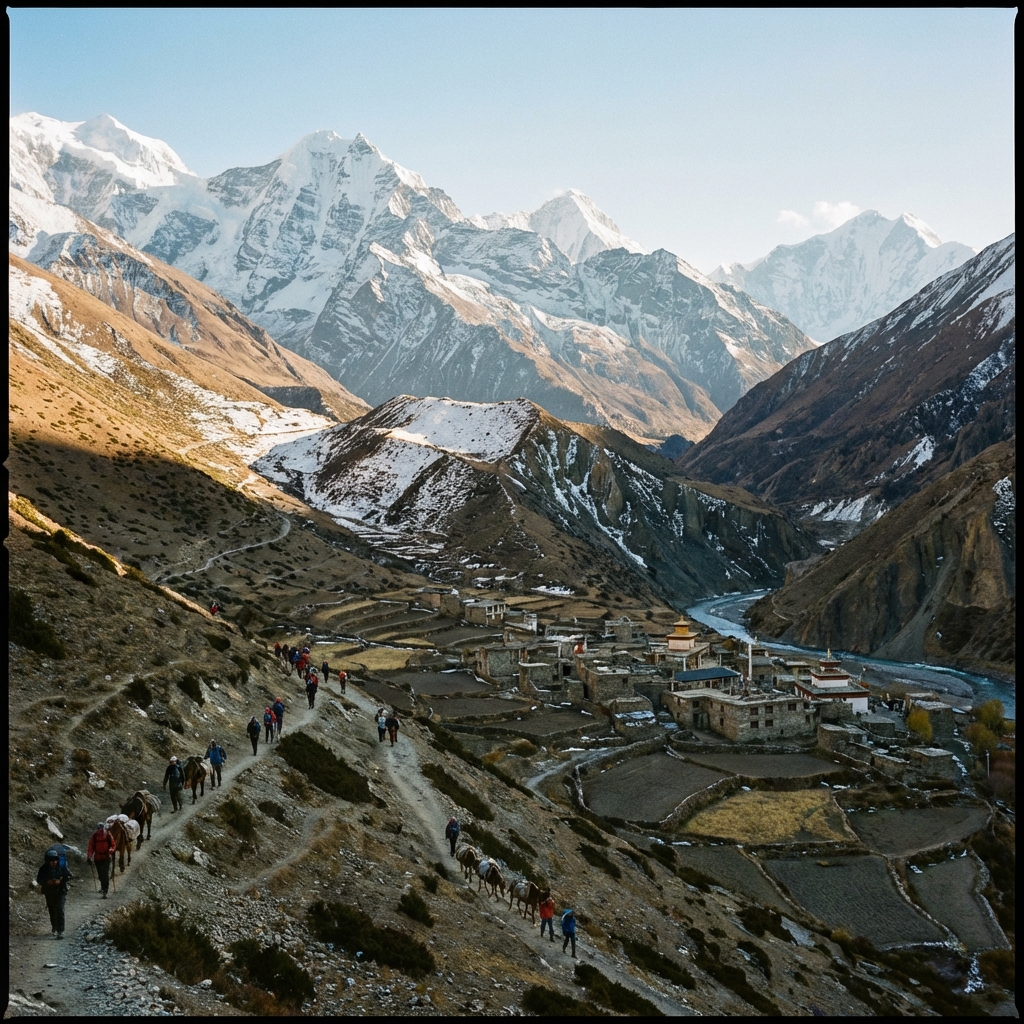
The single biggest predictor of a successful Nepal trek isn't fitness, budget, or experience — it's planning. The trekkers who struggle are almost always those who chose a route beyond their current fitness level, arrived in the wrong season, didn't allow enough time for acclimatization, or underestimated what "basic tea house accommodation" actually means at 4,500m in October. A good plan eliminates all of these failure modes before you even board the plane.
Nepal's trekking calendar revolves around two prime windows: the post-monsoon autumn season (October–November) and the pre-monsoon spring season (March–May). Autumn, and particularly October, offers the clearest skies and most stable weather after the Indian subcontinent monsoon clears. The Dashain and Tihar festivals add vivid cultural colour to Kathmandu and village communities along the trail. Spring brings lower temperatures at altitude and spectacular rhododendron blooms from 2,000–3,500m, with April and May being peak season for mountaineering expeditions on Everest and other 8,000m peaks.
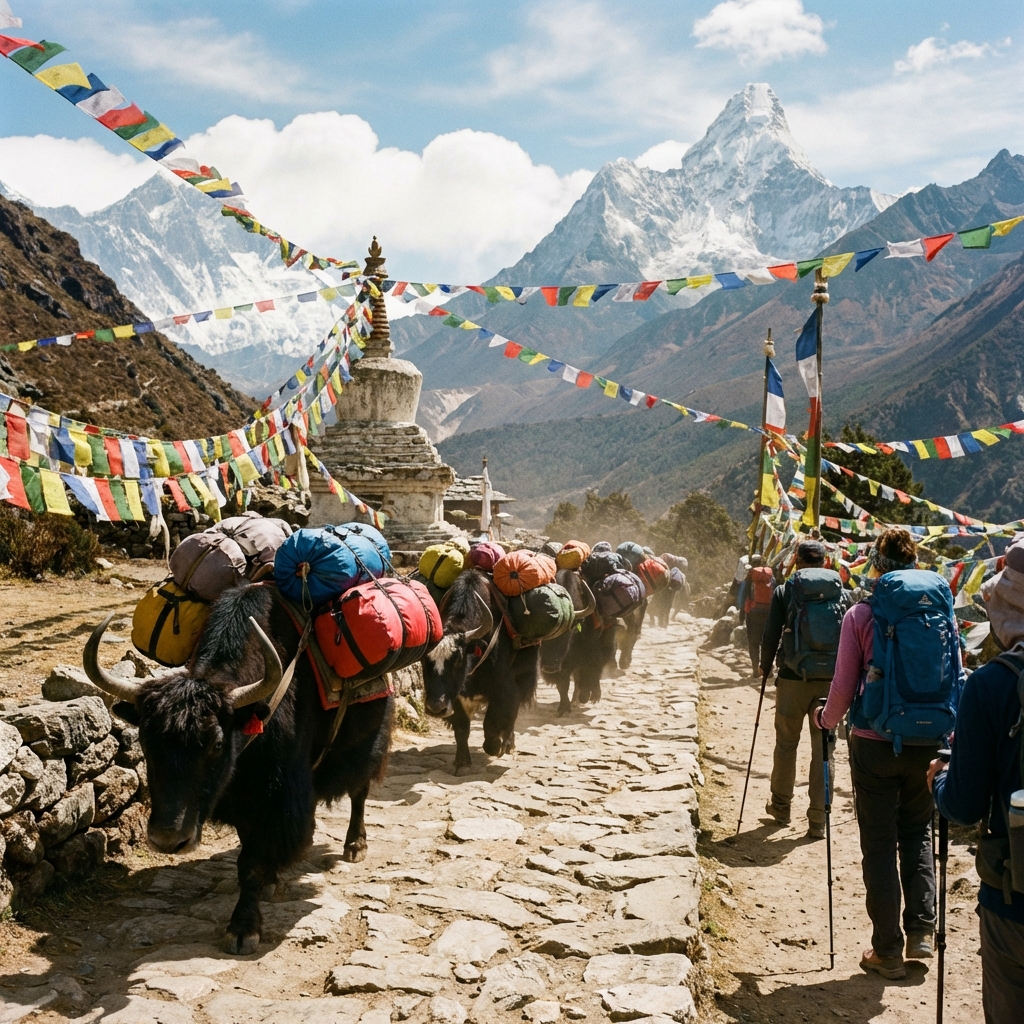
Training is underestimated by most first-time trekkers. The Everest Base Camp trek involves walking 6–8 hours per day for 12–14 days, sometimes at elevations above 4,500m where every step requires measurably more effort than at sea level. A 8–16 week training plan combining cardiovascular fitness, leg strength, and backpack-loaded hiking produces dramatically better outcomes than arriving at Lukla directly from a desk job. Our planning guides include progressive training schedules calibrated to specific treks — from Poon Hill beginner plans to advanced EBC and peak climbing conditioning programs.
This section also covers the decisions unique to specific demographics: families with children (Poon Hill, Ghorepani, and Langtang lower sections work beautifully), older trekkers (fitness at any age combined with proper acclimatization and realistic daily distances), and solo female trekkers (Nepal is genuinely among the safer trekking destinations globally, with the right awareness and preparation). Whatever your situation, there is a Nepal trek calibrated exactly to your capabilities.
By the Numbers
Planning at a Glance
30+
Planning Guides
Covering all experience levels
2 windows
Peak Seasons
Oct–Nov and Mar–May
6–16 weeks
Training Plans
Beginner to advanced
$30–$150
Daily Budget
Budget to luxury range
Browse the Library
All Planning & Beginner Guides
From choosing your first trek to building a 16-week training plan, these guides cover every planning decision before you set foot on the trail.
Good to Know
Frequently Asked Questions
Which month is the single best time to trek in Nepal?
October is widely regarded as Nepal's single best trekking month. The monsoon ends in late September, leaving trails freshly washed, vegetation vibrantly green, and skies crystal clear. Temperatures are comfortable at all elevations — warm enough during the day, cold but manageable at night. Mountain views are exceptional, rivers are full and photogenic, and the festive atmosphere of Dashain and Tihar adds cultural richness to any itinerary. November is an excellent close second: slightly colder and drier, with equally clear skies. April is the best spring month for rhododendron blooms and mild temperatures. The key insight is that both windows offer roughly 6–8 weeks of optimal conditions, so flexibility within those periods matters more than chasing a single specific week.
Which trek is best for complete beginners with no hiking experience?
Poon Hill (4–5 days) is the gold standard first trek for those with no prior hiking experience. It stays below 3,210m, avoids serious altitude concerns, follows well-maintained stone-stepped trails, and rewards you with sunrise views of the Annapurna and Dhaulagiri ranges from one of Nepal's most famous viewpoints. The tea house network is dense with friendly staff and familiar food options. If you have 7–10 days and moderate fitness from regular exercise, Mardi Himal is a superb step up — it follows a high ridge with continuous mountain panoramas and sees far fewer crowds than the main Annapurna trails. Both treks are accessible from Pokhara, making logistics simple. Avoid attempting EBC or the Annapurna Circuit as a first trek without prior high-altitude experience.
Is solo female trekking in Nepal safe?
Nepal is broadly considered one of the safer destinations for solo female trekkers in Asia. The main trekking routes — EBC, Annapurna, Langtang, Poon Hill — are busy with other trekkers and have dense tea house communities where travellers look out for each other. Nepali mountain communities are generally conservative and respectful, and harassment on trekking trails is uncommon compared to many other destinations. Practical safety measures include: choosing reputable tea houses recommended by other trekkers, being discreet about your onward plans, trekking with a day-pack porter or guide on more remote routes, and using the TIMS card registration system so your location is tracked. Several trekking companies offer women-only group tours led by female Sherpa and Tamang guides if you prefer not to trek entirely independently. Trust your instincts about specific situations as you would anywhere.
Should I hire a guide, go with an agency, or trek independently?
All three approaches work in Nepal and the right choice depends on your experience, budget, and preferences. Independent trekking on the main routes (EBC, ABC, Annapurna Circuit, Poon Hill, Langtang) is entirely legal and very common — the trails are clearly marked, tea house networks provide food and lodging daily, and TIMS card registration ensures basic safety tracking. An independent trekker saves 30–50% on overall costs but misses cultural interpretation and local knowledge. Hiring a guide directly in Kathmandu or Pokhara ($25–40/day) adds safety, cultural context, and logistics management. Going through an agency typically costs more but handles all permit procurement, flight bookings, and contingency planning. For restricted area treks (Manaslu, Upper Mustang, Dolpo, Kanchenjunga), a registered agency and mandatory guide are legally required regardless of preference.
Is trekking during the monsoon (June–August) viable?
Monsoon trekking in Nepal is genuinely viable if you choose the right routes and set appropriate expectations. The main challenges are persistent rain, muddy trails, leeches below 2,500m, occasional trail washouts, and mountain views frequently obscured by cloud. However, monsoon also brings Nepal at its most lushly green and dramatically atmospheric, with waterfalls roaring on every hillside and rhododendron forests dripping with mist. The Mustang region lies in a Himalayan rain shadow and remains relatively dry during monsoon — Upper Mustang trekking in June–August is excellent. The EBC and ABC routes are technically walkable in monsoon but require good waterproof gear and patience with cloudy mountain views. Langtang is increasingly popular in monsoon for the wildflower display. Go in if you understand the trade-offs; avoid if mountain panoramas are your primary goal.
How far in advance should I plan and book a Nepal trek?
For independent trekking on standard routes, 1–3 months of advance planning is sufficient. You can arrange TIMS cards and national park permits on arrival in Kathmandu or Pokhara, book tea house accommodation without reservation on most routes (except peak weeks in October), and organize guide or porter hire within a few days. For restricted area treks, plan 3–6 months ahead — Upper Mustang and Dolpo permits have annual quotas that fill during peak season, and arranging a licensed agency takes time. Peak climbing permits for specific dates should be booked 3–6 months in advance through a licensed mountaineering agency. International flights to Kathmandu should be booked 2–4 months ahead for October, which is the busiest air travel month to Nepal. Travel insurance should be arranged before you book anything else.
Keep Exploring