Everest Region
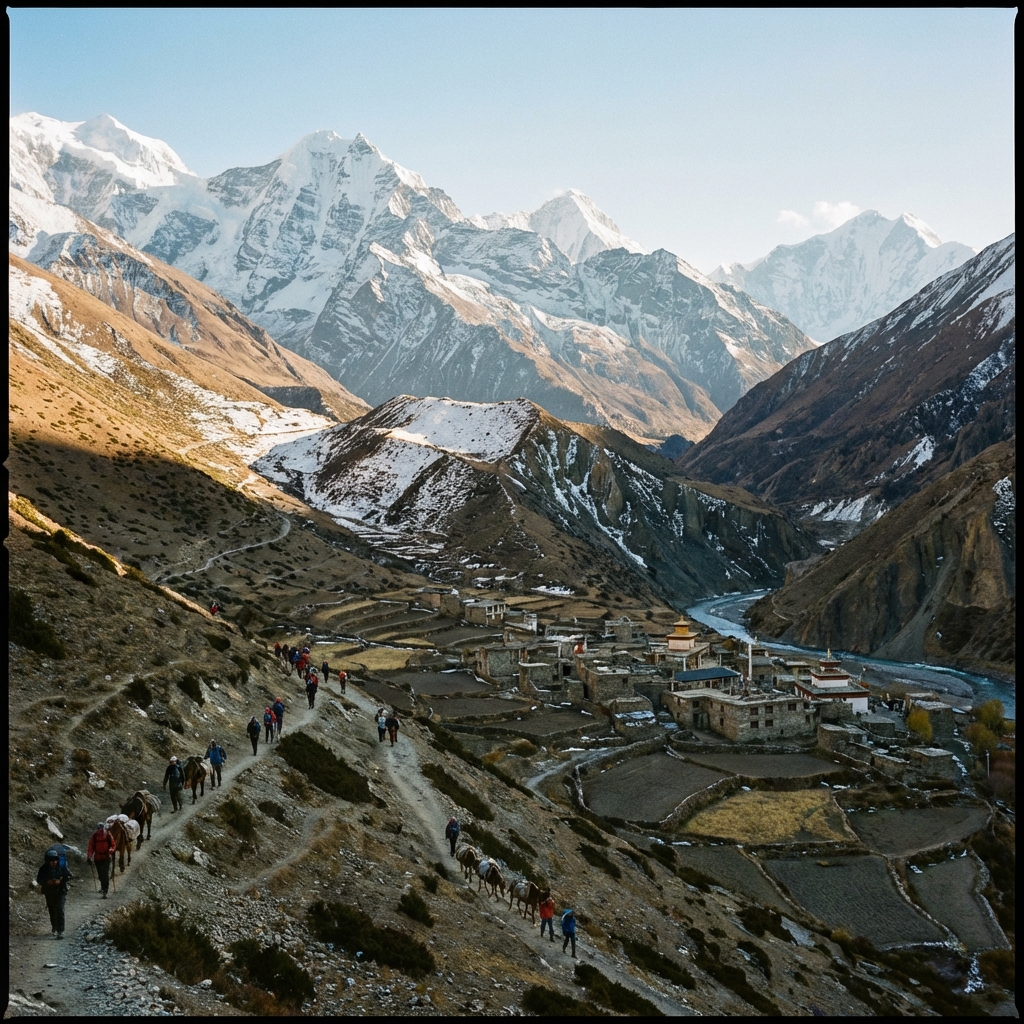
The Khumbu is home to the world's highest peaks, the deepest Sherpa culture, and trekking routes that range from the iconic EBC trail to the demanding Three Passes circuit. Whether you're walking to Base Camp or climbing a 6,000m trekking peak, every step in the Sagarmatha National Park is extraordinary.
The roof of the world
Trekking in the Khumbu
The Everest region — known locally as the Khumbu — sits in the northeastern corner of Nepal in Sagarmatha National Park, a UNESCO World Heritage Site protecting the world's highest mountain ecosystem. The park covers 1,148 square kilometers and contains four of the world's ten highest mountains: Everest (8,849m), Lhotse (8,516m), Cho Oyu (8,188m), and Makalu (8,485m, on the park's border).
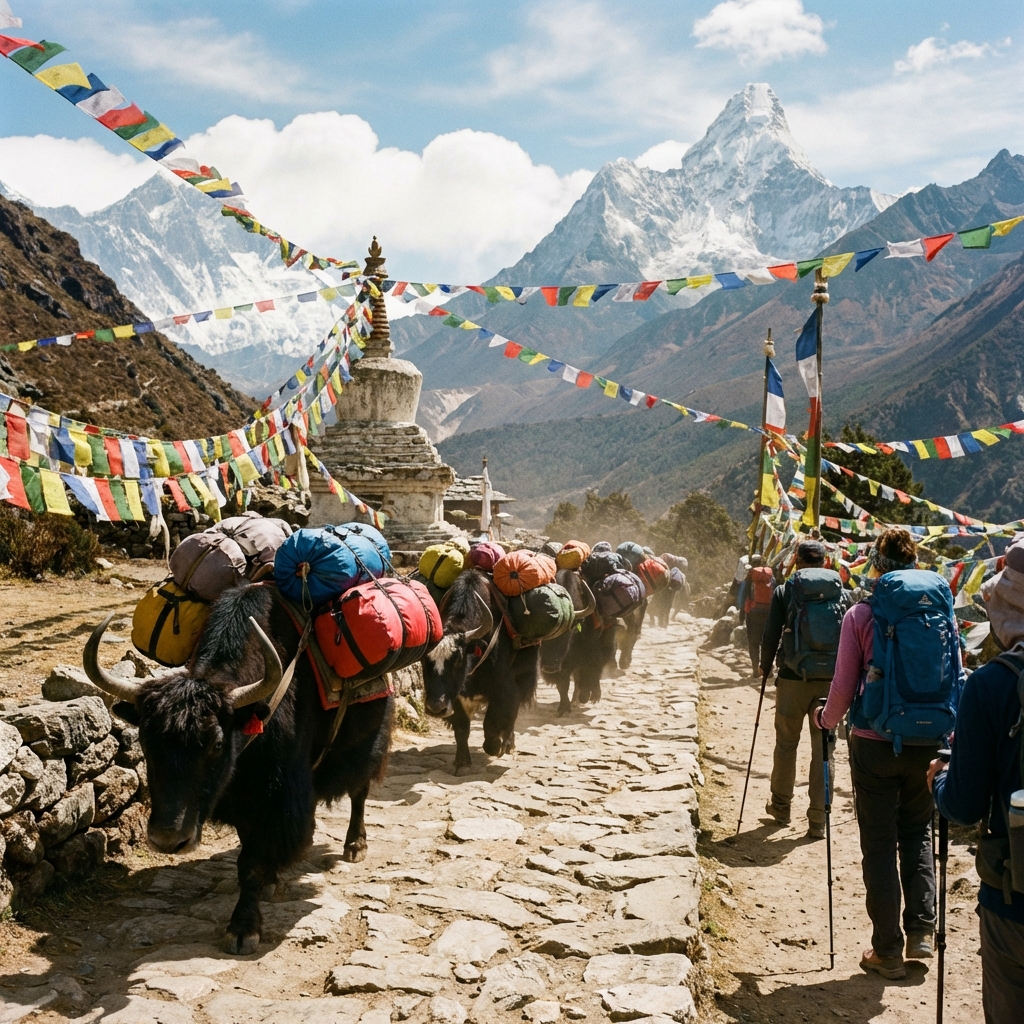
Most trekkers enter the Khumbu by flying from Kathmandu to Lukla (2,860m) on small propeller aircraft — a 35-minute flight that deposits you at one of the world's most dramatically situated airports. From Lukla, the main trail climbs steadily through Phakding and up the famous stone staircase to Namche Bazaar (3,440m), the region's commercial and cultural hub. Namche is where most trekkers spend their first acclimatization day — the Saturday market, excellent bakeries, and mountain views make it one of Nepal's most visited high-altitude villages.
The Sagarmatha National Park entry permit costs $30 USD and is purchased at the park entrance near Monjo. Trekkers also need a TIMS card (available in Kathmandu) and, for any restricted zones or climbing permits, additional documentation from the Nepal Mountaineering Association. The Khumbu Pasang Lhamu Rural Municipality has also introduced a local entry fee — confirm current requirements before departure as regulations occasionally change.
Sherpa culture permeates every aspect of the Khumbu trekking experience. The Sherpa people are Tibetan-origin high-altitude specialists who migrated to Nepal's highlands centuries ago. Their Buddhist faith is visible in the ubiquitous mani walls, prayer flags, and monasteries that line every trail. Tengboche Monastery (3,870m), the largest in the Khumbu, offers a powerful cultural experience and marks the point where Everest becomes dramatically visible behind the elegant spire of Ama Dablam.
Acclimatization is non-negotiable in the Khumbu. The standard EBC itinerary includes two acclimatization days — one in Namche (hiking up to Everest View Hotel at 3,880m) and one in Dingboche or Pheriche (4,370m). Rushing this schedule is the single most common cause of trek failure and medical evacuation. Acute Mountain Sickness (AMS) can affect anyone regardless of fitness, age, or prior altitude experience.
Infrastructure in the Khumbu is more developed than most trekkers expect. Tea houses from Lukla to EBC offer private rooms, hot showers (extra charge), phone charging, and Wi-Fi. Above Lobuche (4,940m), options become simpler but remain adequate. The Himalayan Rescue Association maintains aid posts at Pheriche staffed by volunteer doctors during trekking seasons — a significant safety asset for trekkers experiencing altitude-related symptoms.
By the numbers
Region at a Glance
6 routes
Total Routes
EBC to peak climbing
10–20 days
Duration Range
standard to Three Passes
5,364m–6,119m
Altitude Range
EBC to Mera Peak
$30 + ~$180
Park + Access
Sagarmatha NP + Lukla flight
Route guides
All Everest Region Routes
Every guide covers daily altitude profiles, accommodation options, permit costs, and an honest assessment of what each route demands physically and logistically.
Good to know
Frequently Asked Questions
Classic EBC trek vs Everest Three Passes — which should I choose?
The classic EBC trek (12–14 days) is the most popular choice and the right option for most trekkers on their first Khumbu visit. You follow the main trail through Namche Bazaar, Tengboche, Dingboche, and Lobuche to reach Everest Base Camp at 5,364m and Kala Patthar at 5,545m. The Three Passes trek (18–20 days) covers all of this plus crosses Renjo La (5,360m), Cho La (5,420m), and Kongma La (5,535m), adding Gokyo Lakes and a much more complete picture of the Khumbu. Choose EBC for your first trip; Three Passes if you have prior high-altitude experience and at least 18 days.
Gokyo Lakes vs EBC — is Gokyo worth the detour?
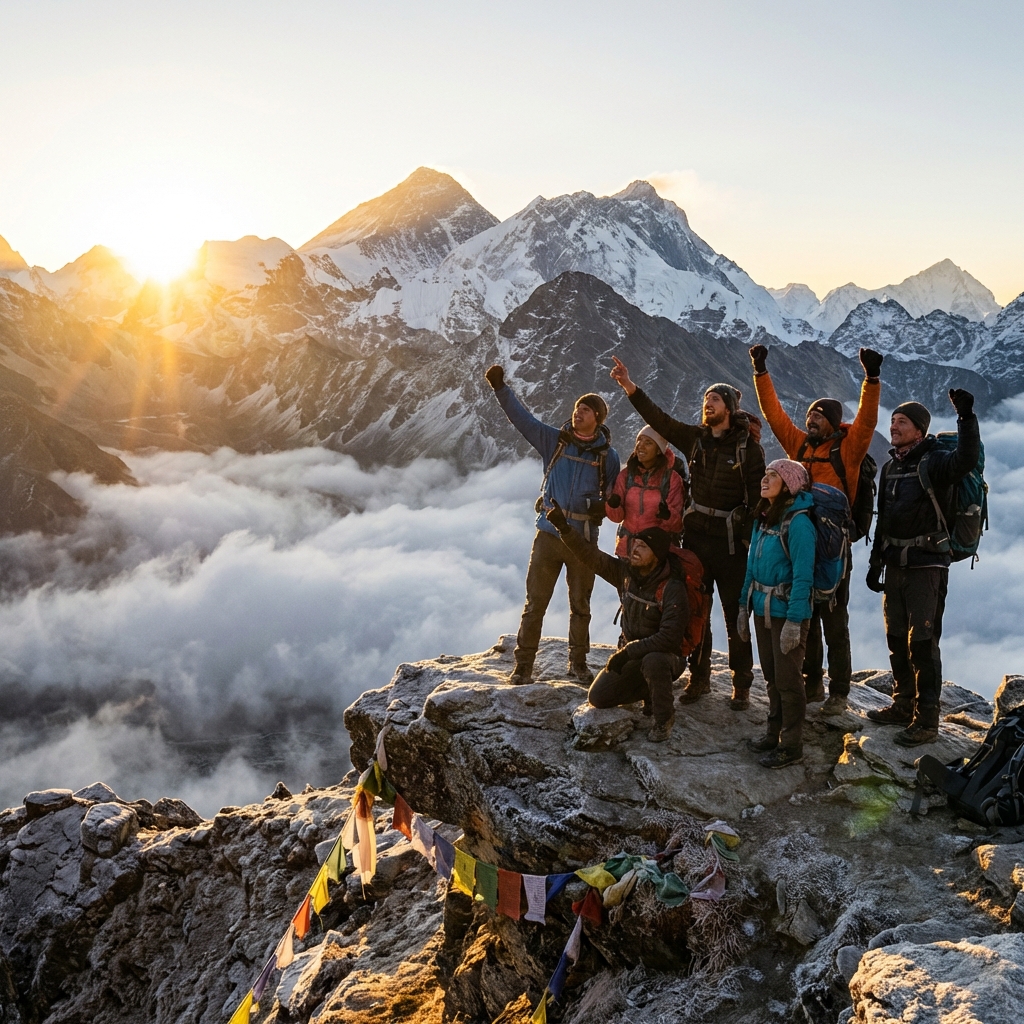
Gokyo is genuinely one of Nepal's most spectacular destinations and many experienced trekkers rate Gokyo Ri's viewpoint above Kala Patthar for panoramic mountain photography. From Gokyo Ri (5,360m) you can see Everest, Lhotse, Makalu, Cho Oyu, and the Ngozumpa Glacier — the largest glacier in Nepal — simultaneously. The five Gokyo lakes at 4,750m–4,990m are strikingly beautiful in clear weather. A Gokyo detour adds 4–5 days to a standard EBC itinerary if approached from Dole, or it can be combined seamlessly with Three Passes via Cho La. If you only have time for one, stick with EBC for the iconic base camp experience.
What are the requirements for Island Peak climbing?
Island Peak (Imja Tse, 6,189m) is the most popular trekking peak in the Everest region and a common objective for trekkers wanting their first technical climb. You need: a Nepal Mountaineering Association (NMA) climbing permit ($250–$350 depending on season), basic technical climbing skills (rope management, crampon use, ice axe arrest), and good physical fitness. Most people approach via the standard EBC trail, branch off toward Chhukung, and summit from Island Peak Base Camp. No prior high-altitude climbing experience is strictly required, but previous experience at 5,000m+ makes a significant difference. Many operators run guided Island Peak climbs as add-ons to an EBC itinerary.
Are there alternatives to flying into Lukla?
Yes, though Lukla remains the standard entry point for the Everest region. The main alternative is the road trek from Salleri or Phaplu — a 4–5 day approach from the road head that adds significant time but gives you a more gradual ascent through lower Sherpa villages rarely visited by most trekkers. Some trekkers fly to Phaplu (a more reliable airstrip than Lukla) and walk from there, a 3-day approach to Namche. A third option is the Jiri to Namche route (8–10 days on foot), the classic pre-helicopter-era approach that Hillary and Tenzing walked — rarely done today but a genuine adventure for those with time.
What are the best viewpoints in the Khumbu beyond Kala Patthar?
Kala Patthar (5,545m) is the standard Everest viewpoint and excellent at sunrise, but the Khumbu has several rivals. Gokyo Ri (5,360m) offers a wider panorama including four 8,000m peaks simultaneously. Renjo La pass (5,360m, on the Three Passes route) provides perhaps the most dramatic single frame in all of Nepal — Everest reflected in Gokyo's third lake with Cho Oyu behind. Nangkartshang Peak (5,083m) above Dingboche is an underrated acclimatization hike with extraordinary Ama Dablam views. Kongma La (5,535m) on the Three Passes route offers intimate views into the Khumbu Glacier.
How does the Lukla flight situation affect trek planning?
Lukla (Tenzing-Hillary Airport) is rated one of the world's most challenging airports due to its short runway and mountain approach. Flights operate primarily in good weather and are frequently delayed or cancelled — especially during monsoon shoulder seasons (late September, early May). Budget 1–2 extra days on either side of your Lukla flights. Kathmandu weather also affects operations since all flights originate there. If your onward flight from Nepal is time-sensitive, build in a full buffer day. Helicopter evacuations from the Khumbu are available but expensive ($1,500–$3,000) — helicopter charter back to Kathmandu is also an option if weather grounds fixed-wing aircraft.
Keep exploring