Langtang Region
The closest major trekking region to Kathmandu — just 7–8 hours by road — Langtang offers alpine valleys, sacred Gosaikunda Lakes, Tamang cultural villages, and red panda habitat without the crowds or costs of the Everest and Annapurna circuits.
Closest to Kathmandu
Langtang National Park & Its Trails
Langtang National Park was established in 1976 as Nepal's first Himalayan national park, protecting 1,710 square kilometers of mountain terrain on the border with Tibet. The park is renowned for its biodiversity — it shelters the endangered red panda, snow leopard, Himalayan black bear, and over 250 bird species. The forests of oak, rhododendron, and bamboo below 3,500m give way to alpine meadows and permanent snow above.
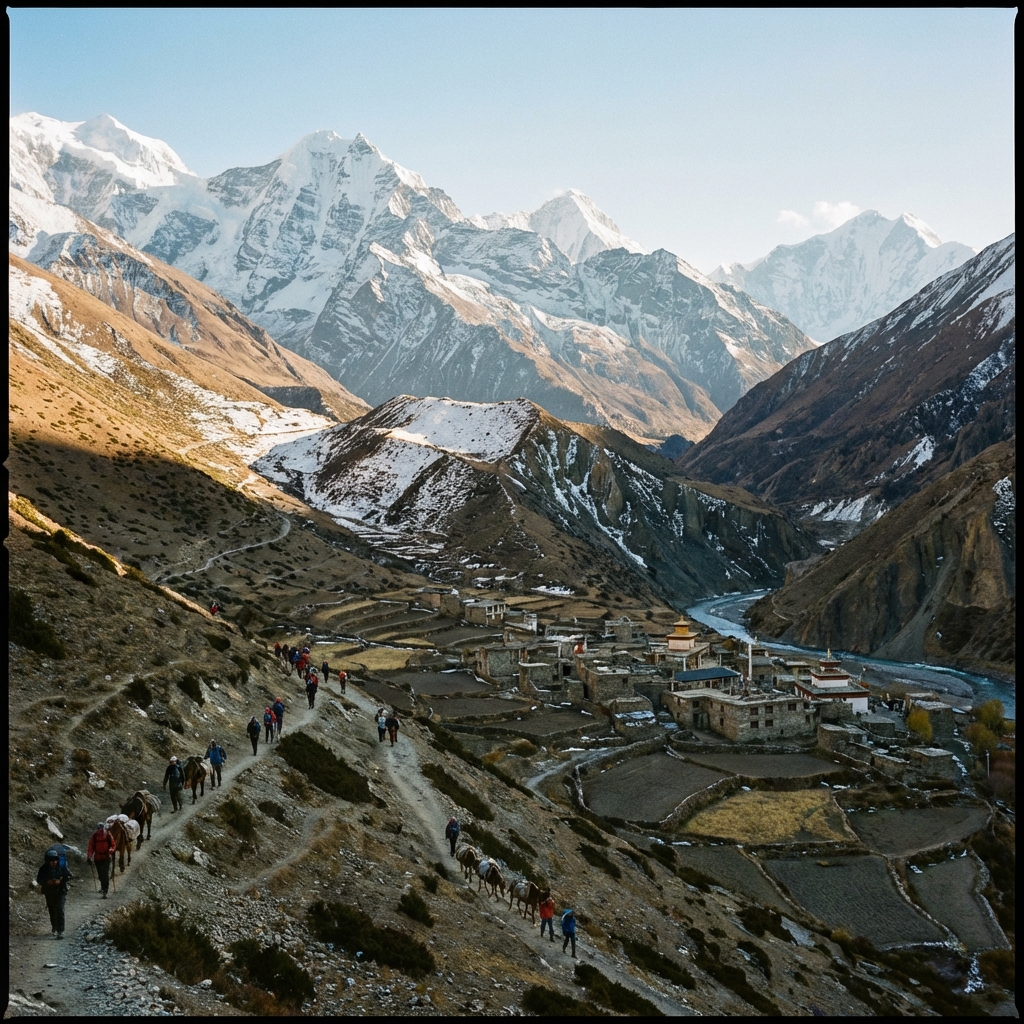
The Langtang Valley itself is a classic U-shaped glacial valley that channels the Langtang Khola river from the glaciers feeding Langtang Lirung (7,227m) down to the confluence at Syabrubesi. The valley walls rise dramatically on both sides, and the main trail hugs the valley floor and lower ridges before climbing to Kyanjin Gompa (3,870m), the highest permanent settlement and trekking destination in the valley.
Kyanjin Gompa is a small but significant Buddhist monastery and the hub of activity in the upper valley. The famous Kyanjin cheese factory produces yak milk cheese that trekkers have been sampling since the 1970s. From Kyanjin, the optional ascents of Kyanjin Ri (4,773m) and Tserko Ri (5,033m) offer increasingly spectacular views of Langtang Lirung, Gang Chhenpo, and across the Tibetan plateau.
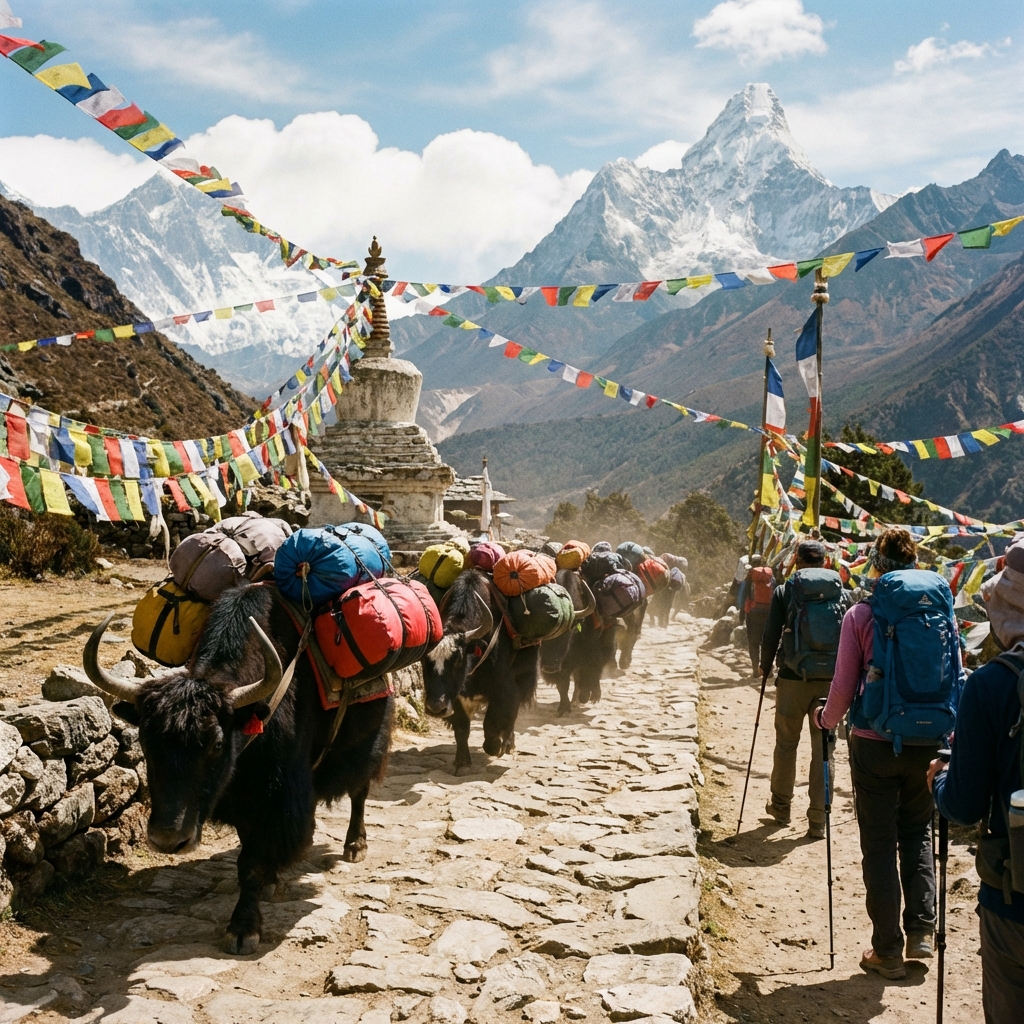
The Langtang region has a direct cultural connection to Tibet that is visible in every village. The Tamang people — the dominant ethnic group in lower Langtang — are of Tibetan origin and maintain distinct cultural traditions including a unique language, traditional architecture, and Buddhist practices. Higher in the valley, Helambu and the upper Langtang are ethnically Sherpa and Tibetan, with prayer flags, mani walls, and chortens marking every significant trail junction.
The Gosaikunda Lakes (4,380m) are among Nepal's most sacred destinations, revered in both Hindu and Buddhist traditions. Hindus believe Lord Shiva created the lake by thrusting his trident into the mountainside — during the Janai Purnima festival in August, thousands of pilgrims make the journey from Dhunche to bathe in the sacred waters. The lake system connects to Helambu via the Laurebina La pass (4,610m), making a natural cross-regional circuit possible.
The Langtang National Park permit costs $30 USD. Unlike the Annapurna region, Langtang does not have a TIMS requirement — the national park permit is the only mandatory document for most routes. Some restricted sub-areas may require additional permits; check current requirements with the Nepal Tourism Board before departure.
By the numbers
Region at a Glance
6 routes
Total Routes
valley to lake circuits
5–14 days
Duration Range
Helambu to full circuit
3,500m–5,033m
Altitude Range
Kyanjin to Tserko Ri
NP $30
Main Permit
Langtang National Park
Route guides
All Langtang Routes
From the classic valley trek to the sacred Gosaikunda Lakes and the cultural Tamang Heritage Trail — every guide includes day-by-day itineraries and honest logistics.
Good to know
Frequently Asked Questions
How does Langtang compare to the Everest Base Camp trek?
Langtang and EBC are fundamentally different experiences. EBC (12–14 days) is a high-altitude journey to 5,364m in a region defined by its Sherpa culture and Himalayan grandeur. Langtang Valley (7–10 days) reaches a maximum of around 4,984m (Kyanjin Ri) and offers a more intimate, less-crowded experience with Tamang cultural villages and red panda habitat. Langtang costs significantly less, requires no flight to a remote airstrip, and can be reached from Kathmandu by bus or jeep in 7–8 hours. For trekkers with limited time or budget, or those wanting fewer crowds, Langtang delivers a comparable mountain experience with far less logistics complexity.
Can I drive to the Langtang trek starting point from Kathmandu?
Yes — this is one of Langtang's major advantages over the Everest and Annapurna regions, which require flights or long bus journeys to reach trailheads. Syabrubesi (1,550m), the main gateway to Langtang Valley, is 7–8 hours from Kathmandu by jeep or bus via Trishuli and Dhunche. The road is paved for most of the journey but rough near the end. Jeep services depart from Kathmandu's Machhapokhari bus park daily during trekking seasons. This accessibility makes Langtang ideal for trekkers on tight schedules — you can leave Kathmandu one morning and be on the trail the next day.
What is the earthquake rebuild status in Langtang Valley?
The April 2015 earthquake was catastrophic for Langtang Valley — the village of Langtang itself was almost entirely destroyed by an avalanche triggered by the earthquake, with significant loss of life. Recovery has been remarkable. By 2016–2017, most tea houses had reopened, and the valley has continued rebuilding since. New guesthouses have been constructed throughout the valley, and the trail to Kyanjin Gompa is fully operational. A memorial site in Langtang Village honors those lost. The rebuild story has actually drawn trekkers who want to support the local community through tourism revenue — spending on accommodation and meals in the valley directly supports family-run guesthouses owned by survivors.
Can I combine Gosaikunda Lakes with the Langtang Valley trek?
Yes — the most popular combination is the Langtang-Gosaikunda-Helambu circuit (12–14 days), which follows the Langtang Valley to Kyanjin Gompa, backtracks to Lama Hotel, crosses the Laurebina La pass (4,610m) to the sacred Gosaikunda Lakes (4,380m), and descends via Helambu to the road at Melamchi Pul Bazaar. This is an excellent point-to-point route that avoids backtracking. Gosaikunda is a Hindu sacred site of major significance — the lake draws huge pilgrims during the Janai Purnima festival (August), when the trail can be unexpectedly crowded. Outside festival season, the lake area is quiet and ethereally beautiful.
How difficult is the Langtang Valley trek for first-time trekkers?
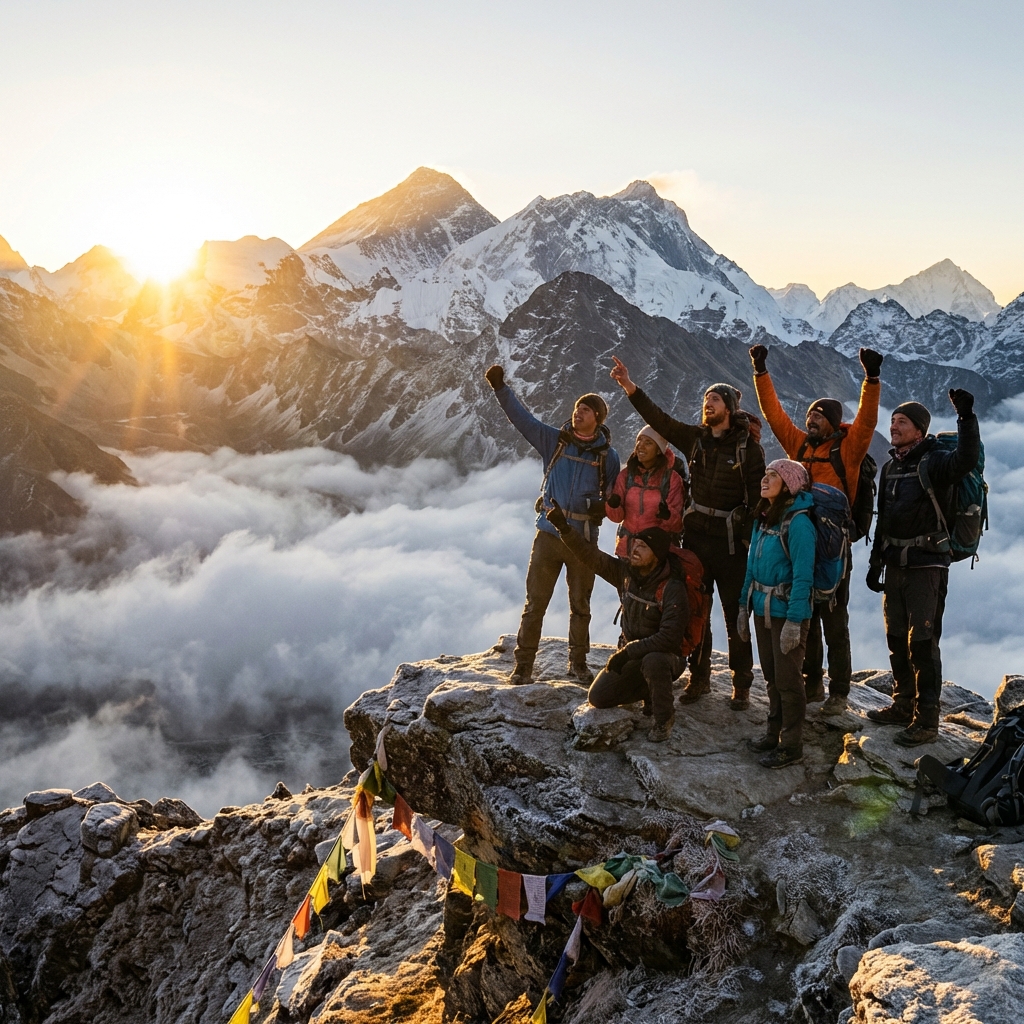
The Langtang Valley trek is rated moderate and is suitable for first-time trekkers with reasonable fitness. The main trail from Syabrubesi to Kyanjin Gompa is well-marked and gains altitude gradually over several days. The steepest section is the initial climb from Syabrubesi, which can be demanding in afternoon heat. Daily trekking times average 4–6 hours. The maximum altitude at Kyanjin Gompa (3,870m) is manageable, though optional ascents to Kyanjin Ri (4,773m) or Tserko Ri (5,033m) add significant challenge. Those who summit Tserko Ri report some of the finest mountain views in Nepal — Langtang Lirung (7,227m), Shishapangma (8,027m in Tibet), and the entire Langtang valley spread below.
What is the Tamang Heritage Trail and how does it differ from the main Langtang route?
The Tamang Heritage Trail (5–7 days) is a cultural trek through traditional Tamang villages in the lower Langtang region, designed to share tourism revenue with communities that historically saw few trekkers. It follows a loop through Gatlang, Tatopani (natural hot springs), Nagthali Ghyang, and Briddim — all villages where Tamang culture, traditional architecture, and Buddhist practices remain largely unchanged. The trail is lower altitude (maximum around 3,000m) than the main Langtang Valley route, making it more accessible and suitable year-round. It can be combined with the Langtang Valley trek by starting the Heritage Trail first from Syabrubesi and then continuing up the valley.
Keep exploring