
6 Gear Guides
Clothing & Footwear
Nepal trekking temperatures swing from +25C in the lowland valleys to -20C at high camps overnight. Getting the clothing system right — the right boots, the right layers, and the right accessories — is the difference between a comfortable trek and a miserable one. These guides cover everything you need to know.
The Layering System
Building Your Nepal Trekking Wardrobe
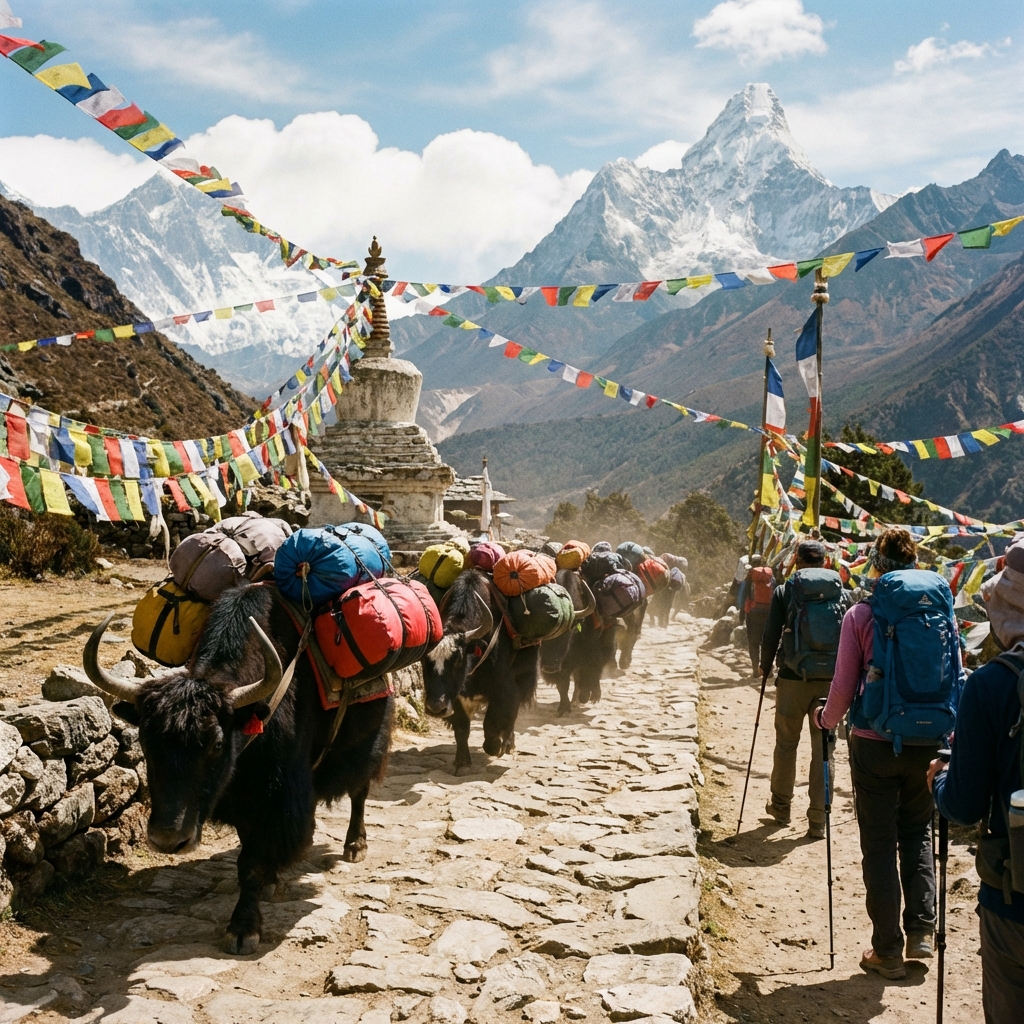
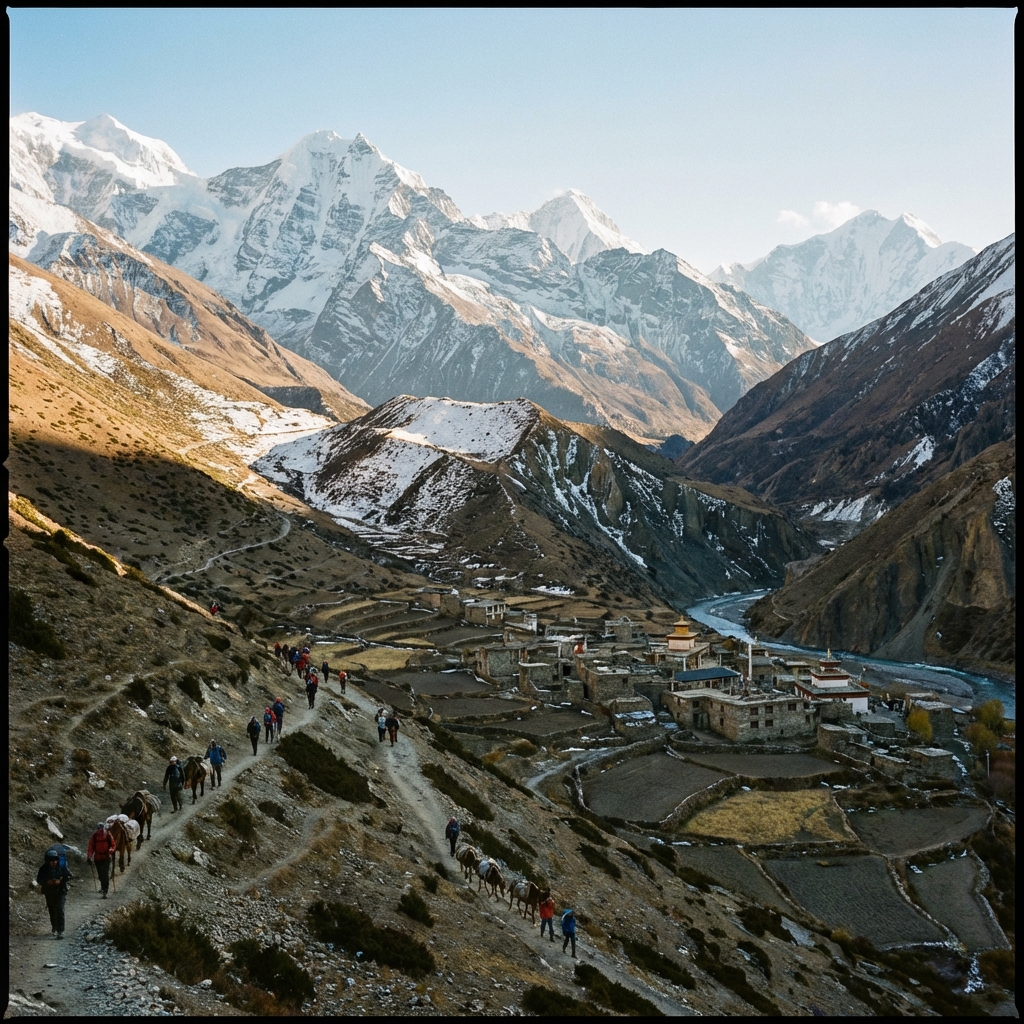
The clothing decisions you make before a Nepal trek have more impact on your daily experience than almost any other preparation. Temperature swings of 30C+ within a single day are common above 4,000m — mornings are frigid, midday with strong sun can feel warm, afternoons often bring wind and cloud that drop temperatures rapidly, and nights below 4,000m can be cold enough to freeze water bottles. Your clothing system needs to handle all of these conditions while remaining packable enough to carry in a daypack for 6–8 hours of walking.
Footwear is where most trekkers make their most consequential gear decision. The choice between mid-cut trail runners and full ankle-height trekking boots matters enormously. For trails up to around 4,000m with a porter carrying your main bag, trail runners offer speed, comfort, and breathability that many experienced trekkers prefer. For high-altitude routes, river crossings, snow-covered passes like Thorong La, and anything above 4,500m, waterproof ankle boots with a stiff midsole are strongly recommended — they provide ankle support on rocky terrain, warmth in snow, and waterproofing for stream crossings and wet trail conditions.
Wool vs synthetic is the great base-layer debate. Merino wool (150–200 weight) is warmer per gram, naturally odor-resistant (you can wear it 3–4 days before it needs washing — critical when laundry access is limited on the trail), and comfortable against skin. The downside is cost ($60–$120 per piece) and slower drying time compared to synthetic. Synthetic base layers ($20–$60) dry extremely fast, which matters when you're hand-washing clothes in cold water at a tea house. Many experienced trekkers use merino for sleeping and synthetic for trekking.
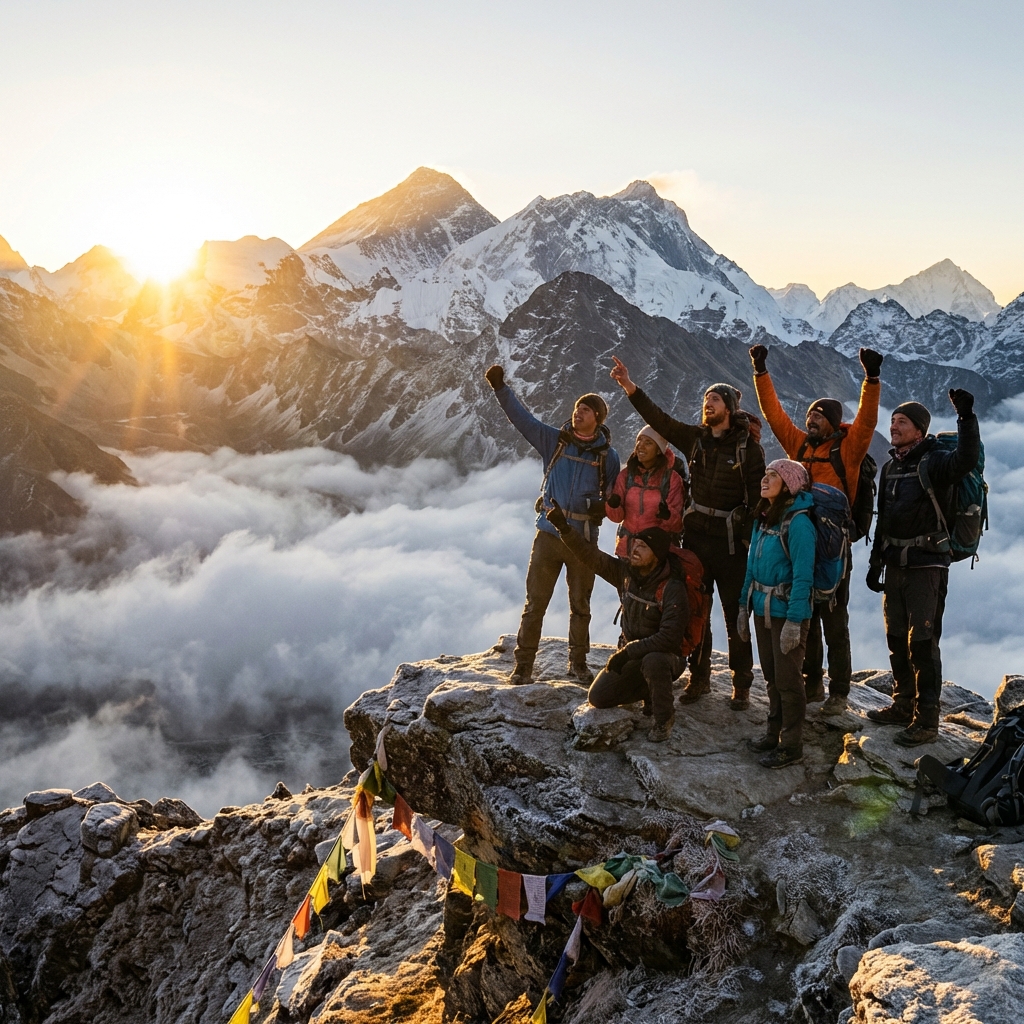
Gloves, hat, and neck gaiter complete the extremity protection system. Above 4,000m, thin liner gloves worn under a heavier fleece glove give you versatility — you can peel the outer glove off for camera use while keeping your fingers protected. A wool or fleece hat covering your ears is essential from any altitude where overnight temperatures drop below freezing. A balaclava (full face coverage) is useful for high passes and predawn start times. Sunglasses with UV protection are non-negotiable above 3,000m — snow and glacier reflectivity causes serious UV eye damage without adequate eyewear.
Sun protection clothing — long-sleeve shirts with UPF rating — is as important as sun cream above 3,500m where UV radiation is significantly stronger than at sea level. A lightweight sun shirt with UPF 30–50 worn over your base layer during the midday push reduces sunscreen application frequency and provides better long-term protection on exposed ridges and glaciers.
Fast Facts
Clothing at a Glance
3 layers
Layering System
base, mid, outer shell
$120–$250
Boot Budget
waterproof trekking boots
$80–$300
Down Jacket
or rent $1–2/day in Kathmandu
6 guides
Gear Guides
clothing & footwear focused
Gear Guides
Clothing & Footwear Guides
Detailed guides covering specific clothing items, buying recommendations, and Nepal-specific advice on what actually works on the trail versus what looks good in a gear shop.
Common Questions
Frequently Asked Questions
How does the layering system work for Nepal trekking?
The three-layer system is the foundation of trekking clothing strategy. The base layer (moisture-wicking synthetic or merino wool) sits against your skin and moves sweat away from your body — cotton kills in cold, wet conditions and should be avoided entirely above 3,000m. The mid-layer (fleece, softshell, or light down) traps warm air and provides insulation — a 200-weight fleece jacket is the most versatile option. The outer layer (hardshell rain jacket) is windproof and waterproof, protecting the inner layers from rain, wind, and snow. You add and remove layers throughout the day as conditions change — at 7am at altitude it may be -5C, by 11am with sun exposure it can feel like +15C on the same trail.
How long should I break in trekking boots before Nepal?
Trekking boots need a minimum of 4–6 weeks of regular use before a major trek. Ideally, wear them for your daily commute, weekend hikes, and any activity where you'd normally wear athletic shoes. The break-in period allows the boot to conform to your foot shape, softens the leather or synthetic upper, and — critically — identifies any hot spots or pressure points before you're 5 days into a 14-day trek with no alternatives. If you can't break in your boots before departing, renting boots in Kathmandu is a legitimate alternative — rental boots are often pre-broken-in from previous trekkers. Never start a major trek in brand-new boots.
Down jacket vs synthetic insulated jacket — which is better for Nepal?
Down (goose or duck feather fill) offers the best warmth-to-weight and warmth-to-pack-size ratio, making it the standard choice for trekking above 3,500m. The main weakness is performance when wet — down loses nearly all insulating value if it gets soaked. However, most trekking days in Nepal involve walking in weather that ranges from dry to light rain, with your hardshell outer layer handling serious precipitation. Down is appropriate for the vast majority of Annapurna, Everest, and Langtang treks. Synthetic insulation is heavier and bulkier but retains some warmth when wet — it's better for the monsoon season or wet jungle environments at lower altitudes. For high-altitude winter trekking or extended camping, a 700+ fill power down jacket or a down sleeping bag liner is essential.
Do I need gaiters for Nepal trekking?
For most standard trekking seasons (October–November and March–May), gaiters are optional but useful on certain routes. Low gaiters keep trail debris, pebbles, and light snow out of your boot tops — worth having for the Annapurna Circuit's Thorong La crossing or any high route after a fresh snowfall. Full gaiters that cover the boot and lower leg are mainly relevant for winter trekking or peak climbing where you're breaking trail through deep snow. For a standard EBC or ABC trek in prime season without fresh snow, gaiters are a nice-to-have rather than essential. If in doubt, bring low gaiters (they weigh almost nothing) and leave the full mountaineering gaiters at home.
Are camp shoes worth packing?
Camp shoes are strongly recommended and often underestimated by first-time trekkers. After 7–8 hours in trekking boots, your feet need to breathe. Camp shoes — typically lightweight sandals (Crocs, Teva sandals, or flip-flops) — allow your boots to dry overnight while keeping your feet comfortable around the tea house. They also serve as bathroom shoes (critical at tea houses with shared facilities) and can double as shower shoes. The weight cost is 200–400g, which is easily justified by the comfort and foot health benefit. Crocs are the most popular choice among long-distance trekkers because they pack flat and offer more foot coverage than flip-flops in cold evenings.
Can I rent down jackets and other clothing in Kathmandu or Pokhara?
Yes — Kathmandu's Thamel district and Pokhara's Lakeside area have extensive gear rental shops. Down jackets rent for $1–2 per day, sleeping bags for $1–2 per day, and trekking poles for $1 per day. The quality varies — rental gear has seen heavy use and should be inspected for zipper function, cleanliness, and insulation integrity. Many trekkers rent bulkier items (down jackets, sleeping bags, duffel bags) to avoid checked baggage fees and buy lightweight items (base layers, socks, gloves, balaclava) new. Renting makes particular sense for one-time trekkers who won't use the gear again — but if you trek annually, investing in quality gear pays off within 2–3 trips.