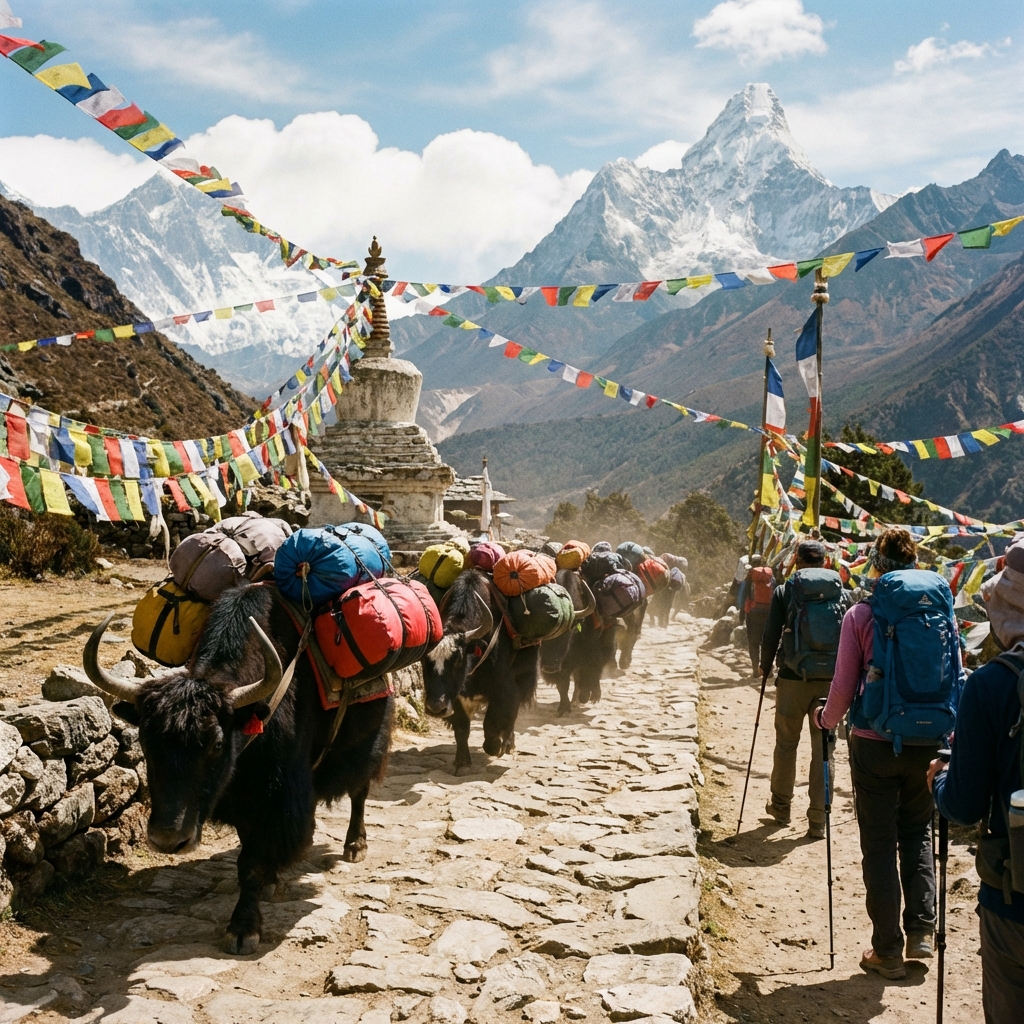
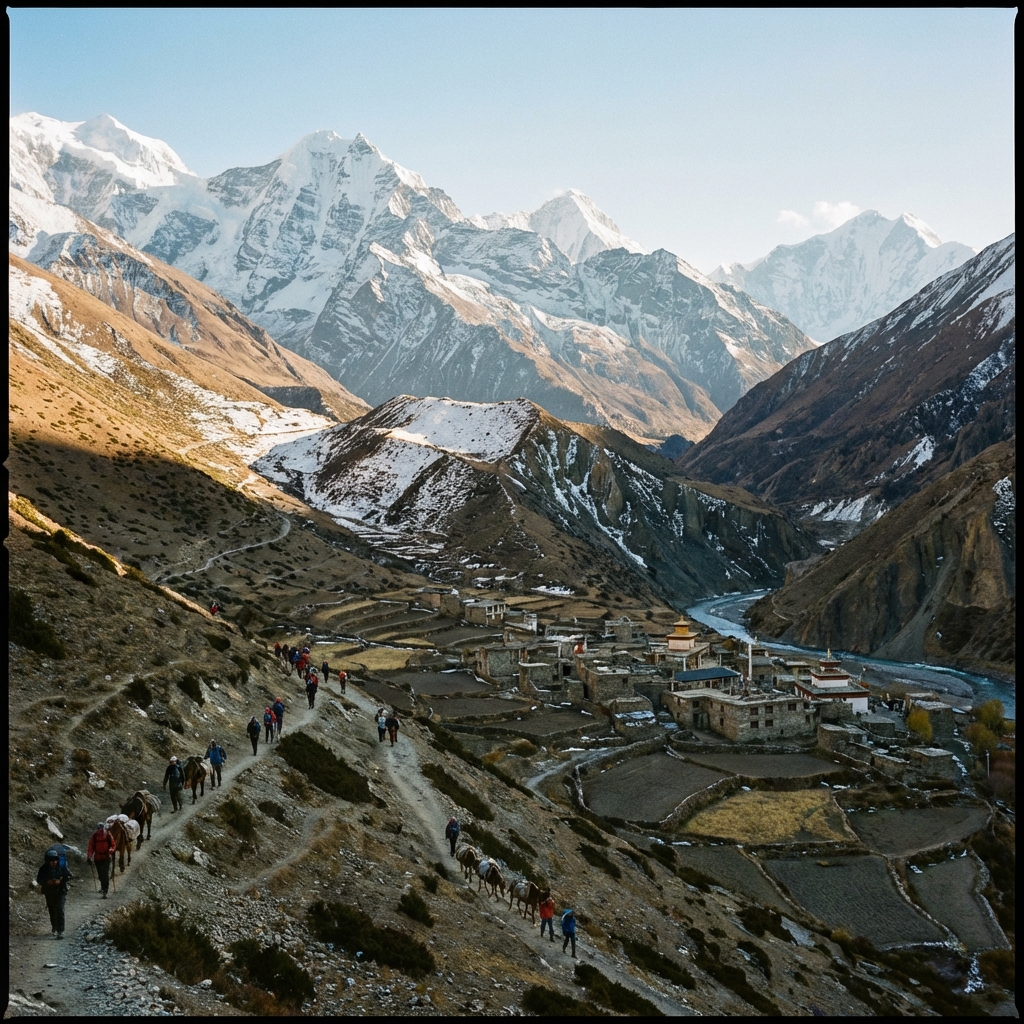
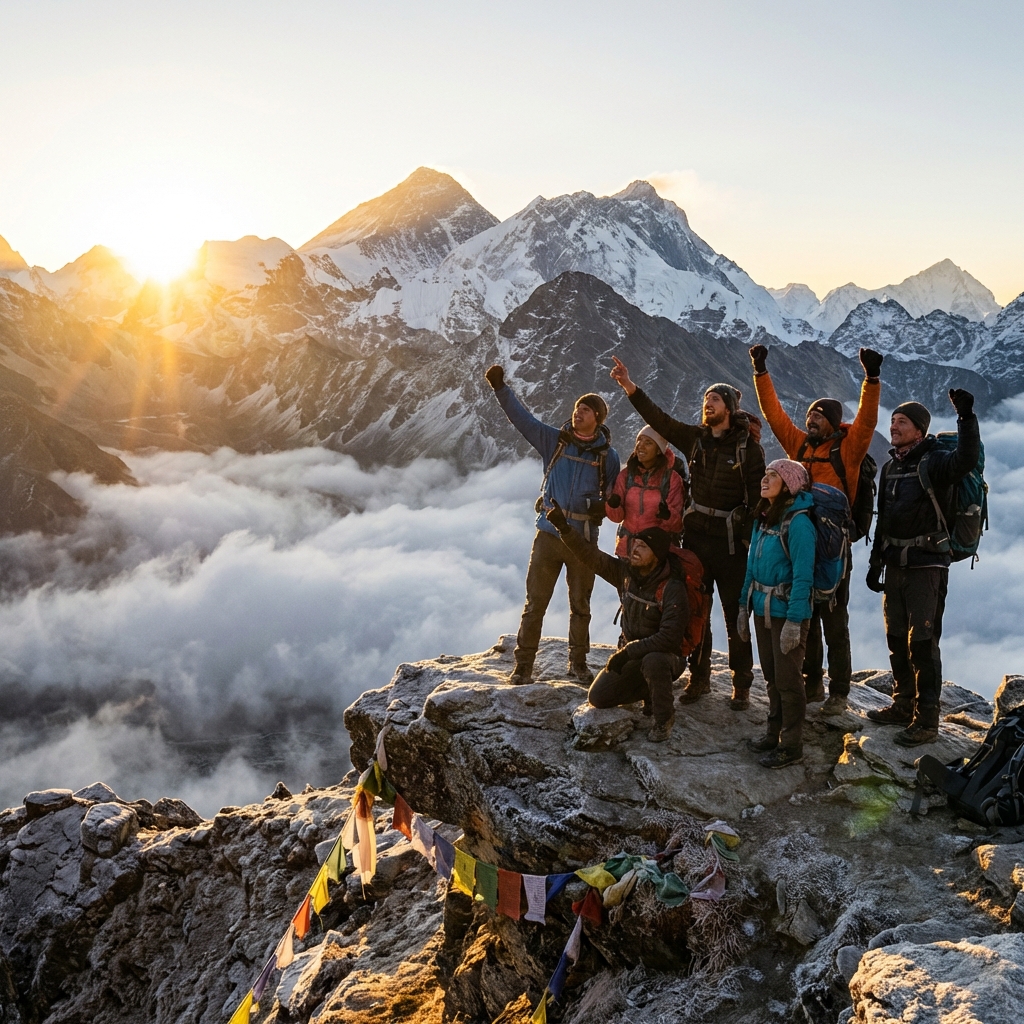
The Rolwaling Valley is Nepal's best-kept wilderness secret — a glacially carved gorge tucked between the Everest and Langtang regions that receives fewer than 500 foreign trekkers per year. This is not a comfortable trek. The trail is steep, camping above Beding village is mandatory, and the optional crossing of Tashi Lapcha Pass at 5,755m demands technical mountaineering skills. But for those who make the journey, the rewards are extraordinary: a hidden valley described in ancient Buddhist texts as a beyul (sacred hidden land), the vast turquoise expanse of Tsho Rolpa glacial lake at 4,580m, and the continuous sight of Gauri Shankar (7,134m) — one of the most beautiful peaks in the Himalaya — reflected in glacial waters at dawn.
If you have already ticked off Everest Base Camp and Annapurna Circuit and want something genuinely remote, the Rolwaling Valley will reset your sense of what Nepal trekking can be.
Why Trek the Rolwaling Valley
Most trekkers who visit the Rolwaling come once and describe it as the most profound trek they have ever done. The reasons are specific.
True remoteness without extreme logistics. Unlike Dolpo or Kanchenjunga, Rolwaling is reachable by bus from Kathmandu in a single day. Yet the valley sees a fraction of the visitors that more accessible areas receive. On the trail between Chhetchhet and Beding, you may go entire days without seeing another foreign trekker.
The sacred beyul tradition. In Tibetan Buddhist cosmology, a beyul is a hidden valley protected by mountain deities — a refuge preserved for times of spiritual crisis. Rolwaling is one of the five recognized beyuls in Nepal. The valley's Sherpa communities take this designation seriously; the absence of hunting and the presence of old-growth forest even at high elevations reflects centuries of conservation rooted in religious belief. Walking through Rolwaling feels qualitatively different from other high valleys precisely because of this.
Gauri Shankar. At 7,134m, Gauri Shankar is the sacred twin-peaked mountain of Shiva and Parvati. It dominates the lower valley and is visible from Simigaon onward in ever-changing angles. Due to its religious significance, Gauri Shankar was the last major Himalayan peak to be opened to climbers (1979), and the surrounding conservation area was established partly in its honor. The mountain's twin summits create one of the most recognizable silhouettes in Nepal.
Tsho Rolpa glacial lake. One of Nepal's largest and most dramatic glacial lakes, Tsho Rolpa sits at 4,580m and stretches over 1.5km. The lake formed in the late 20th century as the Trakarding Glacier retreated, and it has been expanding rapidly due to climate change — it is now classified as a Glacial Lake Outburst Flood (GLOF) risk and monitored by the government with a drainage tunnel installed in 2000. Standing on the moraine above it, watching icebergs calve silently into the teal water, is an experience unlike anything else in Nepal.
The Tashi Lapcha crossing. For those with mountaineering experience, the optional crossing of Tashi Lapcha Pass (5,755m) connects the Rolwaling to the Everest region, emerging at Thame village in the Khumbu. This is one of Nepal's great high-pass crossings — glaciated, technically demanding, and offering views across both the Rolwaling Himal and the Khumbu peaks. It transforms the trek into an epic point-to-point journey ending at Namche Bazaar.
12-18 days
5,755m (Tashi Lapcha Pass, optional) / 4,580m (Tsho Rolpa, standard)
Hard (Tsho Rolpa) / Hard-Technical (Tashi Lapcha)
October-November, April-May
Gaurishankar Conservation Area Permit + TIMS
Teahouses to Beding; camping required above
Strongly recommended; mandatory for Tashi Lapcha
Chhetchhet (bus from Kathmandu, ~8 hrs)
$1,500-2,500 (fully supported, 14 days)
Route Overview
The standard Rolwaling trek begins at Chhetchhet (1,980m) in the Dolakha district, reachable by local bus from Kathmandu's Sundhara bus park in approximately 8-9 hours, or by private jeep in 6-7 hours. The trail follows the Rolwaling Khola (river) upstream through increasingly dramatic gorge terrain, passing through subtropical forest, high-alpine pastures, and glacier-edge moraines before terminating at Tsho Rolpa lake or — for those continuing — at the base of Tashi Lapcha Pass.
The valley narrows progressively as you ascend. Below Simigaon, the trail passes through terraced farmland and mixed forest. Between Simigaon and Beding, the valley becomes a narrow, vertical-walled gorge with the river roaring far below. Above Beding, the terrain opens into a wide glacial basin with 360-degree views of the Rolwaling Himal.
Day-by-Day Itinerary (14-Day Standard Route to Tsho Rolpa and Return)
| Day | Route | Altitude | Trek Time | Notes |
|---|---|---|---|---|
| 1 | Kathmandu to Chhetchhet (bus) | 1,980m | 8-9 hrs drive | Early morning bus from Sundhara |
| 2 | Chhetchhet to Simigaon | 2,020m | 5-6 hrs | Gradual climb through forest |
| 3 | Simigaon to Doban / Mahadev Khola | 2,530m | 4-5 hrs | Suspension bridges, gorge views |
| 4 | Doban to Surmuche | 3,080m | 5-6 hrs | Steep gorge sections, waterfall |
| 5 | Surmuche to Beding | 3,690m | 4-5 hrs | Enter Rolwaling valley proper |
| 6 | Acclimatization day in Beding | 3,690m | Rest + hike | Visit monastery, hike to ridgeline |
| 7 | Beding to Na | 4,180m | 3-4 hrs | Glacial basin, peaks surround you |
| 8 | Na to Tsho Rolpa Lake camp | 4,580m | 4-5 hrs | Camping at lake edge |
| 9 | Tsho Rolpa exploration / rest | 4,580m | Explore | Glacial lake, moraine hiking |
| 10 | Tsho Rolpa camp to Na | 4,180m | 3-4 hrs | Return descent |
| 11 | Na to Beding | 3,690m | 3-4 hrs | Shorter day |
| 12 | Beding to Surmuche | 3,080m | 4-5 hrs | Descent through gorge |
| 13 | Surmuche to Simigaon | 2,020m | 5-6 hrs | Long descent day |
| 14 | Simigaon to Chhetchhet, bus to Kathmandu | 1,980m | 5-6 hrs trek + drive | Morning bus back |
Tashi Lapcha Extension (Add 4-5 days)
For the Tashi Lapcha crossing, add the following after Day 9 at Tsho Rolpa:
| Day | Route | Altitude | Trek Time | Notes |
|---|---|---|---|---|
| 10 | Tsho Rolpa to Trakarding Glacier camp | 4,900m | 4-5 hrs | Camping on glacier edge |
| 11 | High camp below Tashi Lapcha | 5,400m | 4-5 hrs | Technical approach, rope work begins |
| 12 | Cross Tashi Lapcha Pass to Thame | 5,755m → 3,800m | 8-10 hrs | Early alpine start, crampon use |
| 13 | Thame to Namche Bazaar | 3,440m | 3-4 hrs | Back in teahouse comfort |
| 14 | Namche to Lukla (or fly) | 2,860m | 6-7 hrs or 35 min | Flight from Lukla to Kathmandu |
Camping is Mandatory Above Beding
Above Beding village (3,690m), there are no teahouse facilities. Trekkers must carry full camping equipment — tents, sleeping bags rated to -20°C, cooking equipment, and food. An organized agency with porters and a camp cook is strongly recommended. Attempting this section independently without camping gear is dangerous.
Difficulty Assessment
The Rolwaling Valley trek is one of Nepal's most demanding non-technical treks, and the Tashi Lapcha crossing is a genuinely technical mountaineering objective.
Physical demands: The gorge sections between Chhetchhet and Beding involve sustained steep climbing on trails that are often exposed, narrow, and subject to rockfall during monsoon. Daily elevation gains of 600-900m are common. Above Na, trails cross moraine debris and glacial ice where route-finding requires experience.
Altitude: The standard route tops out at 4,580m (Tsho Rolpa), which is high enough for acclimatization to matter. The mandatory acclimatization day in Beding (3,690m) is not optional — ascending too quickly from Chhetchhet (1,980m) to Na (4,180m) without rest risks acute mountain sickness. The Tashi Lapcha crossing at 5,755m is in serious altitude territory requiring prior acclimatization above 5,000m.
Technical skills for Tashi Lapcha: The pass requires crossing glaciated terrain with crevasse risk, fixed rope sections on steep ice, and descent on loose rock on the Khumbu side. Crampons, ice axes, and helmets are mandatory. Trekkers without prior glacier travel experience must hire a certified mountain guide (not just a trekking guide) for this section.
Trail condition: The Rolwaling trail is far less maintained than Everest or Annapurna routes. Landslides during monsoon frequently close sections. Suspension bridges require inspection. Signs are minimal to nonexistent in sections. A GPS device with downloaded topographic maps (OsmAnd or Gaia GPS) is recommended alongside a local guide.
Who should attempt this trek:
- Experienced trekkers with at least 2-3 previous treks above 4,000m in Nepal
- Good cardiovascular fitness (able to run 5km comfortably, regular hiking practice)
- Comfort with camping in cold conditions
- For Tashi Lapcha: basic mountaineering training, glacier travel experience
Tsho Rolpa GLOF Risk
Tsho Rolpa is classified as a high-priority Glacial Lake Outburst Flood risk. The Nepali government installed a drainage tunnel in 2000 to lower the lake level, and a monitoring station is in place. Camping directly on the lake's eastern shore is not recommended. Camp on the lateral moraine above the southern shore. Avoid camping in the valley floor immediately downstream of the lake.
How to Get There
To the trailhead (Chhetchhet): Take a local bus from Kathmandu's Sundhara or Kalanki bus parks toward Charikot. The journey takes approximately 8-9 hours on winding mountain roads. From Charikot, take a local jeep or walk 30 minutes to Chhetchhet. Private jeep hire from Kathmandu runs approximately NPR 12,000-15,000 ($90-115) one way.
Alternatively, some trekkers start from Singati (slightly lower than Chhetchhet) or organize a flight to Ramechhap airport (IATA: RHP) and take a shorter jeep ride to the trailhead.
Returning from the Tashi Lapcha crossing: After crossing into the Khumbu, trekkers arrive at Thame village, from which Namche Bazaar is a 3-4 hour walk. From Namche, the standard route to Lukla takes 2 days, from which flights return to Kathmandu (35 minutes, approximately NPR 14,000 / $215). Book Lukla flights well in advance during October-November peak season.
Accommodation and Food
Below Beding: Teahouse lodges exist in Chhetchhet, Simigaon, and Beding. Standards are basic — shared squat toilets, no hot showers, limited menu (dal bhat, noodles, eggs). Beding has the best facilities on the route, with a handful of family-run lodges offering blankets and a basic menu. Electricity is limited to solar power. Mobile signal (NTC) reaches Beding intermittently.
Above Beding: There are no teahouses. Na village (4,180m) is an uninhabited yak pasture settlement — families move here seasonally in summer but the stone shelters are not reliably staffed. Do not plan on finding accommodation in Na. Above Na, camping on cleared ground is the only option.
Food: Below Beding, standard teahouse menus apply. Above, your agency camp cook prepares meals from carried provisions. Trekkers should ensure their agency brings adequate fuel and food for the camping section. Freeze-dried meals as backup are sensible. Water is plentiful from glacial streams but must be purified with a filter or purification tablets.
Dal bhat quality in the Rolwaling is generally excellent in Simigaon and Beding — these are Sherpa households with generations of hosting tradition. Expect fresh mountain vegetables, homemade pickles, and unlimited refills.
Beding Monastery Visit
The Nyingma Buddhist monastery in Beding is one of the valley's cultural highlights. Request permission to enter and observe any prayer rituals (puja sessions typically happen early morning and late afternoon). Small donations are welcomed. The monastery's thangka paintings and butter sculpture altar are exceptional. The head lama can sometimes provide blessings for the journey ahead — a meaningful tradition before continuing into the high mountains.
Permit and Cost Breakdown
Permits
| Permit | Cost (NPR) | Cost (USD) | Where to Get |
|---|---|---|---|
| Gaurishankar Conservation Area Permit | NPR 3,000 | ~$23 | Entry checkpoint at Chhetchhet |
| TIMS Card | NPR 2,000 | ~$15 | TAAN office in Kathmandu or Charikot |
Permit Note
Unlike the Everest or Annapurna regions, there is no separate national park permit for Rolwaling — the Gaurishankar Conservation Area Permit covers the entire valley. Permits are checked at the entry point at Chhetchhet and again at Beding. Keep copies of your passport and permit.
Full Cost Breakdown (14-Day Guided Camping Trek)
| Expense | Budget (USD) | Mid-Range (USD) | Notes |
|---|---|---|---|
| Agency package (guide, porters, camping) | $900-1,100 | $1,200-1,600 | Full service most practical |
| Teahouse accommodation (Chhetchhet-Beding) | $5-8/night | $10-15/night | 4-5 nights |
| Meals in teahouses | $15-20/day | $25-35/day | Dal bhat + tea |
| Permits (GCAP + TIMS) | $38 | $38 | Fixed |
| Transport (bus/jeep to trailhead) | $10-15 | $70-90 (private jeep) | |
| Lukla flights (if doing Tashi Lapcha) | $215 one way | $215 | Book in advance |
| Gear hire in Kathmandu (if needed) | $50-150 | - | Crampons, ice axe, sleeping bag |
| Total estimate (standard route) | $1,200-1,500 | $1,600-2,000 | |
| Total estimate (with Tashi Lapcha) | $1,800-2,200 | $2,200-2,800 |
The most cost-effective approach is to book through a Kathmandu-based trekking agency for a full package that includes guide fees, porter wages, camping equipment, meals above the teahouse zone, and all logistics. Attempting to organize camping supplies independently in the Rolwaling is both difficult and expensive.
Best Time to Go
October and November are the prime months. Post-monsoon clarity gives crystalline views of Gauri Shankar and the Rolwaling Himal. Temperatures at Tsho Rolpa are cold but manageable — daytime highs of 5-12°C at 4,580m, nights dropping to -10°C or below at high camp. The Tashi Lapcha is in best condition in late October and early November before the first heavy snowfall.
April and May are the second-best window. Rhododendrons bloom on the lower trail and conditions are generally stable, though afternoon cloud buildup is common. Snow on the Tashi Lapcha is typically stable in April but can become unconsolidated by late May.
December to February: Possible for experienced winter trekkers to reach Beding, but the upper valley and Tashi Lapcha are closed by deep snow. Temperatures at Tsho Rolpa drop well below -20°C at night.
June to September (monsoon): The lower gorge sections are susceptible to landslides and the trail can be flooded. The upper valley remains partially accessible but cloud cover eliminates views. Not recommended.
Optimal Timing Within Peak Season
In October, aim for the first two weeks when visibility is typically best and daytime temperatures are still comfortable at high altitude. By late November, cold temperatures make high camping genuinely arduous. In spring, the first two weeks of May offer a good balance of stable snow conditions on the pass and reasonable temperatures.
Packing Essentials
The Rolwaling demands more serious gear than most Nepal treks because of the mandatory camping above Beding and the potential for rapidly changing weather at altitude.
Shelter and sleep:
- Four-season tent (agency typically provides, confirm in advance)
- Sleeping bag rated to -20°C — non-negotiable at high camp
- Sleeping mat (insulated foam or inflatable)
Clothing:
- Merino base layers (top and bottom, 2 sets)
- Insulating mid-layer (down jacket, 800+ fill power)
- Hard-shell waterproof jacket and trousers
- Softshell trousers for trekking
- Fleece hat, balaclava, expedition gloves
- Camp booties or warm socks for cold nights
Technical gear (Tashi Lapcha only):
- Crampons (12-point, compatible with your boots)
- Ice axe
- Mountaineering boots (plastic or leather, crampon-compatible)
- Helmet
- Harness, carabiners, ascender (guide brings ropes typically)
Navigation and communication:
- GPS device with OsmAnd or Gaia GPS loaded with Nepal topo maps
- Garmin inReach or similar satellite communicator (no mobile signal above Beding)
- Compass and paper map as backup
Health:
- Altitude sickness medication (Diamox / acetazolamide — consult your doctor)
- First aid kit including blister care, antiseptic, bandages
- Water purification (Sawyer Squeeze filter or SteriPen)
- High-SPF sunscreen and glacier glasses (essential at 4,500m+)
Tips and Recommendations
Book an experienced agency. The Rolwaling is not a route to hire an inexperienced guide on a budget. Look for agencies whose guides have personally trekked the Rolwaling Valley and preferably the Tashi Lapcha crossing. Ask to speak with the guide before booking — a good guide should be able to describe the Tsho Rolpa moraine route and the current state of the Trakarding Glacier in detail.
Acclimatize properly. The ascent profile from Chhetchhet (1,980m) to Tsho Rolpa (4,580m) in 7 days is manageable but requires discipline. Take the acclimatization day in Beding seriously — don't try to rush to Na without it. Above Na, ascend slowly and monitor for AMS symptoms: headache, nausea, loss of appetite, and difficulty sleeping. Descend immediately if symptoms worsen.
Carry sufficient cash. There are no ATMs on the route. Bring sufficient NPR for teahouses, any emergency porter hire, and tips. Withdraw from ATMs in Kathmandu or Charikot. Budget approximately NPR 30,000-50,000 for expenses on a fully-guided trip where the agency has prepaid major costs.
Water is not the problem; food above Beding is. Glacial streams provide abundant clean water if treated. However, above Beding your food supply depends entirely on what your agency brings. Confirm your cook's meal plan covers the number of high days. Personal snacks — energy bars, nuts, dried fruit — are essential for long days.
Respect the beyul. The Rolwaling is a protected sacred landscape. Do not collect plants, disturb wildlife, or remove stones from mani walls. Avoid loud music on the trail. The valley's Sherpa communities have maintained it with care for generations — trekkers who approach it with the same respect will find a warmer welcome.
The Tashi Lapcha requires a guide with a guiding license, not just a trekking guide license. If you plan the pass crossing, confirm your guide holds a mountaineering guide certificate from the Nepal Mountaineering Association. The distinction matters legally and practically on glaciated terrain.
Weather Changes Rapidly Above 4,000m
In the Rolwaling, weather systems can move in from the south within 2-3 hours, bringing heavy snowfall even in October. Always have a tent and full camping kit accessible, even on days when you plan to reach a teahouse. At Tsho Rolpa camp, morning starts are essential — leave by 7am for any high-altitude objectives to be back before afternoon deterioration.
Frequently Asked Questions
How difficult is the Rolwaling Valley trek?
The standard trek to Tsho Rolpa is rated Hard, requiring previous multi-day trekking experience and strong fitness. The optional Tashi Lapcha Pass crossing (5,755m) is rated Hard-Technical and demands mountaineering skills including crampon and rope work. Above Beding village, camping is mandatory.
Do I need permits for the Rolwaling trek?
Yes, you need a Gaurishankar Conservation Area permit and a TIMS card. If crossing Tashi Lapcha Pass, additional fees may apply. No restricted area permit is required.
What is the best time for the Rolwaling Valley trek?
October and November offer the most stable weather and clearest views. April and May are also good but with more snow on high sections. The Tashi Lapcha crossing is safest in October-November when snow conditions are most predictable.
Can I do the Rolwaling trek without a guide?
A guide is strongly recommended for all trekkers and essential for anyone attempting the Tashi Lapcha crossing. Trail markings above Beding are minimal, and the pass requires a certified mountaineering guide from the Nepal Mountaineering Association.
How do I get to the Rolwaling trailhead?
The trek starts from Chhetchhet or Simigaon, reached by bus from Kathmandu to Charikot (5-6 hours) followed by a local jeep ride. No domestic flights are needed, making it more accessible than many remote treks like Dolpo or Kanchenjunga.
The Route
Interactive Route Map
Explore the trek on a topographic map. Tap a waypoint for elevation, accommodation, and day-by-day detail. Scroll to zoom.
Loading interactive map…


