
Ghale Gaun Trek: 3-4 Day Homestay Trek Near Pokhara
The Ghale Gaun trek is an easy 3-4 day homestay trek to a Gurung village at 2,100m in Lamjung, Nepal. Reached in one day from Khudi near Pokhara, it offers Annapurna and Manaslu views, authentic Gurung culture, and PATA award-winning community homestays — with no altitude risk and budgets from $80 to $280.
In a country full of world-class trekking destinations, Ghale Gaun stands apart. While other treks in Nepal measure their worth in altitude and dramatic passes, Ghale Gaun — a traditional Gurung village perched at 2,100 metres in the Lamjung district — is rated by the Pacific Asia Travel Association (PATA) as a Gold Award-winning community tourism destination. The award recognizes something that no mountain summit can replicate: a living, breathing model of sustainable tourism that genuinely transforms lives without eroding the culture that makes the village special.
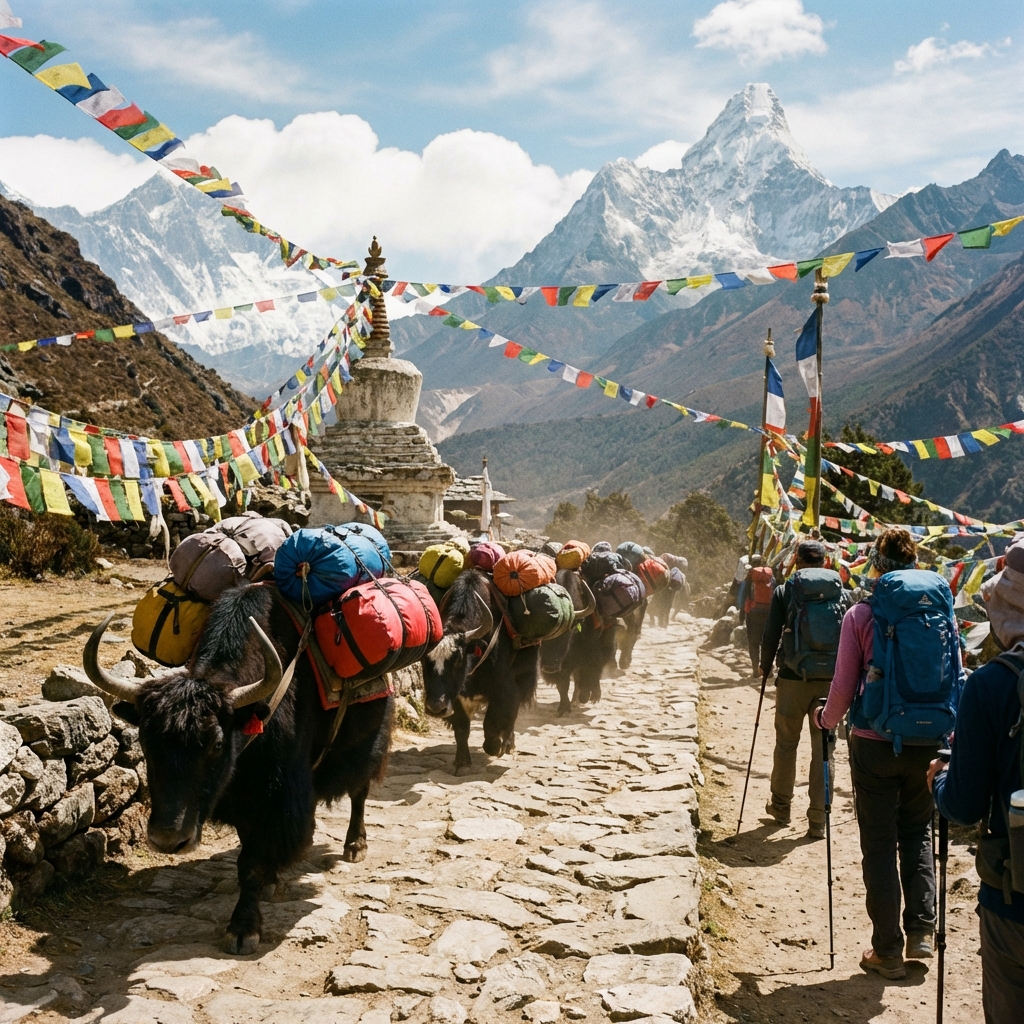
This is a trek where the mountain views are spectacular but secondary. Where mornings begin with butter tea and the sound of cowbells, afternoons are spent learning to press millet or weave traditional cloth, and evenings bring Gurung dance performances under a sky impossibly full of stars. If you have just three or four days from Pokhara and want an experience that stays with you longer than any passport stamp, Ghale Gaun is it.
Why Ghale Gaun Is Worth Every Step
Most trekkers arrive at Ghale Gaun expecting a nice village with views. They leave having experienced something closer to a cultural education — compressed into three days but no less profound for its brevity.
Community tourism done right. The Ghale Gaun homestay program was established in the early 2000s with direct support from ACAP and international development organizations. What makes it genuinely different from most "homestay" treks is the income-sharing model: all trekker fees are pooled and distributed equally among participating households, regardless of which family hosts a guest on any given night. This means you're not inadvertently favouring one family's teahouse over another's — the entire village benefits from your visit. The model is studied by development organizations across South Asia as an example of what community-based tourism can achieve.
The Gurung people. The village is home to Gurung families, one of the indigenous hill peoples of Nepal famous for their centuries of service in Gurkha regiments and for their shamanistic Bon religious traditions. In Ghale Gaun, this culture is not performed for tourists — it is lived. You'll see shamans (pachyu) conducting ceremonies, elders in traditional dress going about daily tasks, and young people negotiating the same tensions between modernity and tradition that face communities worldwide.
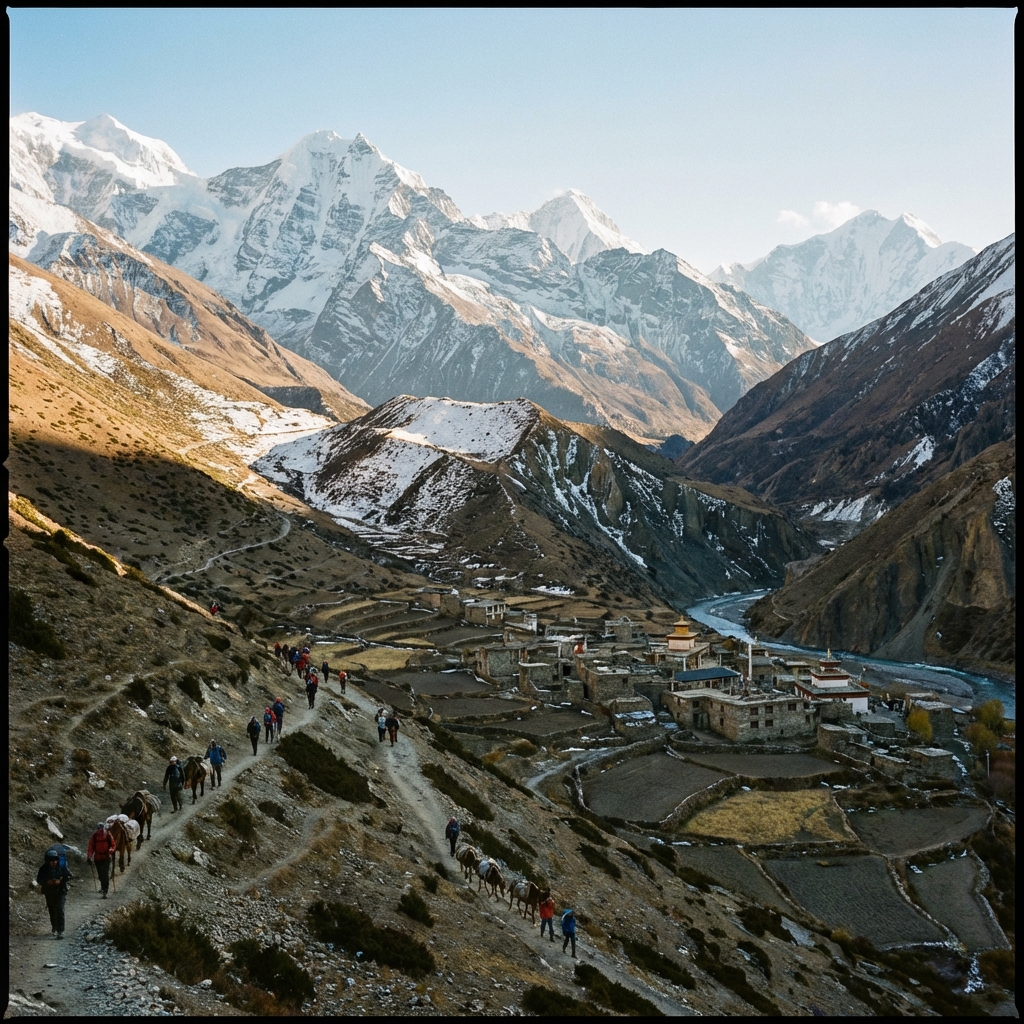
Mountain views that few short treks can match. The ridge above the village frames one of the finest mid-range Himalayan panoramas in the Annapurna region. Annapurna II (7,937m), Annapurna IV (7,525m), Lamjung Himal (6,983m), Himalchuli (7,893m), and Manaslu (8,163m) — the world's eighth-highest peak — are all visible on clear days. This is the same chain of giants that forms the backdrop of the Annapurna Circuit, seen from a quieter, less trafficked vantage point.
3-4 days (4-5 days with Sikles loop)
2,100m (6,889 ft) at Ghale Gaun village
Approx. 40-50 km return
Easy — suitable for all fitness levels
Oct-Dec (Autumn/Winter), Mar-May (Spring)
Khudi or Besisahar (via Pokhara or Kathmandu)
ACAP + TIMS Card
NPR 3,000 (~$23)
NPR 2,000 (~$15)
Community homestay throughout
NPR 1,500-2,500/night including meals
$150-$280 excluding transport
No minimum — solo and small groups welcome
Day-by-Day Itinerary
The most common trailhead is Khudi, a village on the Besisahar–Chame road that also serves as the starting point for the Manaslu Circuit and Annapurna Circuit. From Pokhara, Khudi is about 3.5-4 hours by local bus (NPR 300-400) or 2-2.5 hours by private jeep (NPR 6,000-8,000 sharing). From Kathmandu, the journey to Besisahar takes 5-6 hours by tourist bus, then another 30 minutes to Khudi by local transport.
| Day | Route | Distance | Walking Time | Altitude |
|---|---|---|---|---|
| 1 | Khudi → Ghale Gaun | 12 km | 5-6 hours | 820m → 2,100m |
| 2 | Ghale Gaun (full day exploration) | — | Half-day walks | 2,100m |
| 3 | Ghale Gaun → Khudi (return) | 12 km | 4-5 hours | 2,100m → 820m |
| 3-4 (optional) | Ghale Gaun → Ghan Pokhara → Bhujung | 6-8 km | 4-6 hours | 2,100m → 2,150m |
| 4 (optional) | Khudi → Pokhara via Begnas Lake | — | Transit day | — |
Day 1: Khudi to Ghale Gaun (5-6 hours, 1,280m ascent)
The trail begins by crossing the Modi Khola and ascending steadily through terraced rice and millet fields. The lower section passes through Gurung settlements where you'll likely share the path with mule trains carrying supplies. As you gain altitude, the villages give way to mixed forest — rhododendron, oak, and pine — and the first mountain views open up behind you. The final hour of climbing is the steepest, but the arrival at Ghale Gaun is one of those moments where the effort becomes instantly irrelevant: traditional stone houses, carved wooden windows, prayer flags, and the great wall of the Annapurna Himal filling the northern sky.
Your homestay hosts will be expecting you (book in advance through the Ghale Gaun Community Homestay Association). The evening typically includes a welcome ceremony, a home-cooked dinner of dal bhat or millet dhido with local vegetable curry, and an introduction to your host family.
Day 2: Full Day in Ghale Gaun
This is the heart of the trek. Most visitors use this day for a combination of ridge walks and village activities:
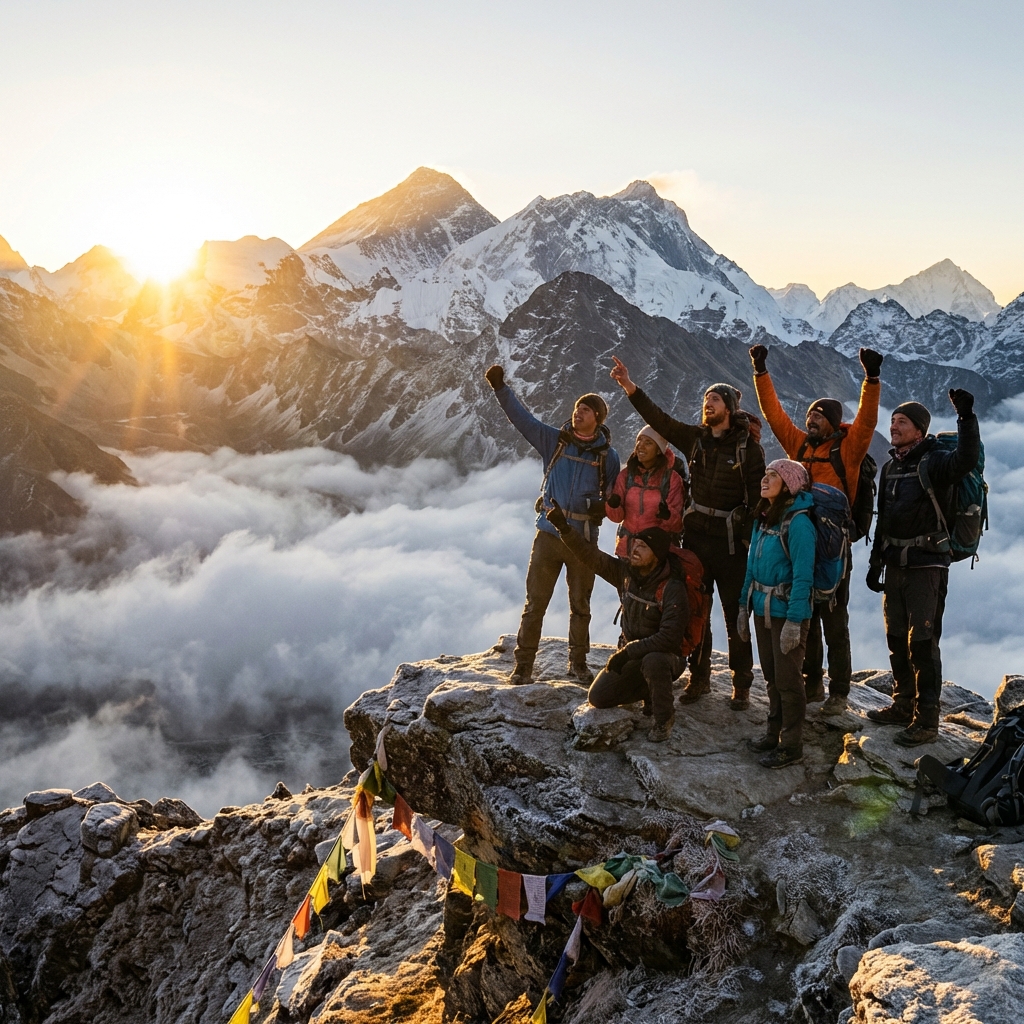
- Morning ridge walk (2-3 hours): A trail above the village leads to a viewpoint at approximately 2,400m where Manaslu and the Annapurna chain are fully visible. Start before 8 AM for the clearest conditions.
- Village activities: Depending on the season, you can participate in rice planting (June-July), millet harvesting (September-October), or year-round activities like traditional weaving and cooking demonstrations.
- Gurung Museum visit: A small community museum documents Gurung history, traditions, and the village's transformation through community tourism.
- Evening cultural programme: Most nights, village women and men perform traditional Gurung dances — the graceful Ghatu, the lively Jhyaure, and the shamanic Jhakri (pachyu) dance — rooted in the village's rodhi culture. This is genuinely arranged by the community, not outsourced to professional performers.
Make the Most of Day 2
Ask your host family if you can accompany them on their morning tasks — fetching water, tending animals, working in the fields. These unscripted moments of daily life are often more memorable than any organized activity. A basic handful of Nepali phrases goes a long way; see our guide to essential Nepali phrases for trekkers.
Day 3: Return to Khudi (4-5 hours)
The descent follows the same trail and passes quickly. Most trekkers reach Khudi by midday, allowing an afternoon bus back to Pokhara or an overnight in Besisahar if they're continuing to the Annapurna or Manaslu circuits.
Optional Day 4: Ghale Gaun to Sikles Loop
For those with an extra day, a highly recommended extension connects Ghale Gaun with Sikles village via a ridge trail, creating a multi-day loop. This requires arranging transport back from Sikles to Pokhara (via Begnas Lake) separately.
Difficulty Assessment
Ghale Gaun is classified Easy and earns that rating honestly. The maximum altitude of 2,100m puts it well below any altitude sickness threshold — even the most altitude-sensitive individuals are perfectly safe here. The single challenging element is the sustained ascent on Day 1 (1,280m of climbing over 12km), which takes 5-6 hours and requires basic aerobic fitness. Anyone who can comfortably walk for 2-3 hours in hilly terrain at home will manage this without difficulty.
Who is this trek ideal for:
- First-time trekkers wanting a genuine Nepal experience without committing to 10+ days
- Families with children aged 8 and above
- Older trekkers or those with joint concerns (low altitude, no technical terrain)
- Travelers primarily interested in culture over altitude records
- Those who have limited time but refuse to settle for a Pokhara lakeside holiday alone
Who should consider alternatives:
- Trekkers primarily seeking high-altitude or technical experiences — consider Mardi Himal or Annapurna Base Camp
- Those wanting more days of walking variety — the Sikles extension adds welcome diversity
How to Get There
To Khudi (main trailhead):
| Route | Duration | Cost | Notes |
|---|---|---|---|
| Pokhara → Khudi by local bus | 3.5-4 hours | NPR 300-400 | Departs Pokhara bus park morning |
| Pokhara → Khudi by private jeep | 2-2.5 hours | NPR 6,000-8,000 | Comfortable, flexible departure |
| Kathmandu → Besisahar by tourist bus | 5-6 hours | NPR 800-1,200 | Then local transport to Khudi |
| Kathmandu → Pokhara by flight | 25 minutes | $105+ for foreigners | Then jeep to Khudi |
Most trekkers base themselves in Pokhara before and after the trek. Pokhara is 200km west of Kathmandu by road (6-7 hours by tourist bus) or a 25-minute domestic flight.
Permit Collection
Collect your ACAP permit and TIMS card in Pokhara before departing. The ACAP office is near the Immigration Office in Damside; the TIMS card is issued at the Nepal Tourism Board office near the airport. Both require two passport photos and a photocopy of your passport biodata page. Allow 30-60 minutes for both. You can also obtain permits in Besisahar if you forget, but the Pokhara offices are more efficient.
Accommodation and Food
The Ghale Gaun homestay programme operates through the community association, which allocates guests to participating families on a rotational basis. Rooms are basic but clean: typically a wooden-floored bedroom with two or three single beds, wool blankets, and shared bucket-wash bathroom facilities. Hot water (bucket) is available for a small charge (NPR 100-150). Attached bathrooms with flush toilets are available in a few households.
Food at Ghale Gaun is a highlight, not an afterthought.
Meals are home-cooked by your host family using ingredients grown in the village fields and foothills:
- Dal bhat (rice, lentil soup, vegetable curry): The trekking staple, typically including locally grown vegetables
- Dhido: Traditional millet porridge — filling, nutritious, and genuinely delicious with gundruk (fermented greens) and pickle
- Sel roti: Fried rice-flour doughnuts served at breakfast
- Raksi: Local millet or rice spirit — offered in the evenings; drink modestly
- Tongba: Warm fermented millet beer drunk through a bamboo straw — uniquely Himalayan
One full board (dinner, bed, breakfast) costs NPR 1,500-2,500 per person. The higher end of this range includes an evening cultural performance. There are no independent restaurants or teahouses in Ghale Gaun — all guests eat with their host families.
Cost Breakdown
| Item | Cost (NPR) | Cost (USD approx.) |
|---|---|---|
| ACAP Permit | 3,000 | $23 |
| TIMS Card | 2,000 | $15 |
| Homestay (2 nights, full board) | 3,000-5,000 | $23-38 |
| Cultural programme contribution | 500-1,000 | $4-8 |
| Transport Pokhara-Khudi-Pokhara | 600-800 (bus) / 12,000-16,000 (jeep) | $5-6 / $90-120 |
| Snacks and drinks | 500-1,000 | $4-8 |
| Guide (optional, per day) | 2,500-3,000 | $19-23 |
| Porter (optional, per day) | 1,500-2,000 | $12-15 |
Estimated totals for a 3-day trek:
| Budget Style | Estimated Total |
|---|---|
| Budget (local bus, no guide) | $80-120 |
| Standard (private transport, guide) | $200-300 |
| Comfort (private jeep, guide + porter) | $350-500 |
Book Ahead — Village Capacity Is Limited
Ghale Gaun's homestay programme can accommodate roughly 30-40 guests at peak times. During October and November, and during Nepali festivals, the village fills quickly. Contact the Ghale Gaun Community Homestay Association directly or book through a reputable Pokhara-based trekking agency at least 48-72 hours in advance. Walking in unannounced is possible in the off-season but risky in peak months.
Best Time to Trek
Ghale Gaun sits at 2,100m — low enough to be trekked almost year-round, but with distinct seasonal character.
| Month | Weather | Trail Conditions | Notes |
|---|---|---|---|
| January | Cool (5-12°C days), cold nights | Clear, dry | Excellent visibility, few tourists |
| February | Warming, first rhododendrons | Clear | Good conditions, quiet |
| March | Warm (15-20°C), rhododendron bloom | Clear | Spring wildflowers begin |
| April | Warm, occasional afternoon cloud | Excellent | Best spring month |
| May | Hot in valleys, warm at altitude | Good | Pre-monsoon haze building |
| June-August | Monsoon, heavy rain | Muddy, leeches | Village is green and lush; trails slippery |
| September | Monsoon ending, clearing | Improving | Rice harvest begins — cultural bonus |
| October | Perfect (15-20°C days) | Crystal clear | Peak season — book ahead |
| November | Cool, excellent clarity | Dry and firm | Excellent, fewer crowds than October |
| December | Cold nights, warm days | Dry and clear | Millet harvesting culture; quiet |
Best overall: October and November for views, March-April for wildflowers. December-February for solitude and cultural immersion without crowds.
Monsoon Trekking at Ghale Gaun
Unlike high-altitude treks that become genuinely dangerous in monsoon, Ghale Gaun is feasible — even rewarding — from June to early September for the adventurous. The village is at its most alive: lush green terraces, rice planting activities, and almost no other trekkers. Trails are slippery and leeches are inevitable below 1,500m; wear gaiters and bring salt. The community will welcome you warmly. Pack good rain gear and embrace the atmosphere.
Packing Essentials
Ghale Gaun's low altitude and warm temperatures mean you need far less gear than most Nepal treks. The following covers everything necessary:
Clothing:
- Lightweight trekking trousers and shirts (2-3 sets)
- Fleece jacket or midlayer (evenings at 2,100m can be cool)
- Light waterproof jacket (essential even in dry season for afternoon showers)
- Comfortable walking shoes or light hiking boots (trail is not technical)
- Sandals or flip-flops for homestay evenings
Gear:
- Daypack (20-25L — no heavy loads needed)
- Trekking poles (helpful for the Day 1 ascent and Day 3 descent)
- Headlamp with spare batteries
- Reusable water bottle and water purification tablets or filter
- Sunscreen SPF 30+ and sunglasses (intense UV even at this altitude)
- Basic first aid kit
For homestay etiquette:
- Small gifts for host families (stationery, postcards, or quality food items from Pokhara)
- Earplugs (village roosters start at 4 AM)
- Modest clothing — shoulder and knee coverage for village respectfulness
For a comprehensive packing list for short Annapurna treks, see our complete beginner packing checklist.
Practical Tips and Recommendations
Hire a local guide. Not because the trail is difficult or complex, but because a guide from the village or from Khudi significantly enriches the cultural experience. A good guide translates conversations with your host family, explains the ceremonies and traditions you're witnessing, and opens doors to activities that independent trekkers simply won't know to ask for. Expect to pay NPR 2,500-3,000 per day. Arrange through your Pokhara trekking agency or the community association.
Learn a few Gurung phrases. Even a botched attempt at "namaste" in Gurung (syonme) earns enormous goodwill. Your host family will likely spend the next hour happily teaching you more.
Bring cash. There are no ATMs in Ghale Gaun or Khudi. Withdraw enough in Pokhara before departure. The community association accepts payment in cash only.
Contribute to the programme fairly. The set rate for the cultural programme (approximately NPR 500-1,000) goes directly to the performers and village fund. Don't negotiate this down — the economics of rural tourism in Nepal are tight, and your contribution matters.
Consider the Sikles extension. Adding Sikles village to create a 5-6 day loop is one of the best short trek combinations in the Annapurna region. The ridge connecting the two villages offers outstanding views and birdwatching. Arrange separately with your trekking agency.
Responsible Photography
Always ask permission before photographing people in Gurung villages, particularly during ceremonies or private moments. Many older community members are uncomfortable being photographed; respect this without discussion. The cultural programme in the evening is designed for photography — bring your camera then. Avoid sharing GPS coordinates of the village or specific homestay locations publicly; Ghale Gaun's success depends on managed visitor numbers, not viral social media traffic.
Combining Ghale Gaun with Other Treks
Ghale Gaun works beautifully as a standalone trek but also connects logically with several neighbouring routes:
Ghale Gaun + Ghan Pokhara + Bhujung (5-6 days): The classic agency loop. From Ghale Gaun, a short 2-3 hour climb reaches Ghan Pokhara (Ghanpokhara, 2,150m), a sister Gurung village with arguably the best sunrise panorama in the area. From there you can extend to Bhujung — one of the largest Gurung settlements in Lamjung — before descending to Besisahar or returning to Khudi. This three-village circuit is what most multi-day Ghale Gaun trek itineraries follow.
Ghale Gaun + Sikles (5-6 days): The most popular combination. Trek to Ghale Gaun via Khudi, spend two nights, then cross the ridge to Sikles for one or two nights, returning to Pokhara via Begnas Lake. This is an outstanding circuit covering two distinct Gurung communities.
Ghale Gaun as part of Manaslu Circuit acclimatization: Some trekkers use Ghale Gaun as a gentle warm-up before beginning the Manaslu Circuit from Besisahar/Arughat. The two treks share the same road access point at Khudi.
Pokhara cultural circuit: Combine Ghale Gaun with a few days at Panchase Hill and Begnas Lake for a diverse week-long experience around Pokhara without repeating any trails.
Plan your Ghale Gaun trek with a verified local guide
Want help arranging permits, transport, and a homestay through the community association? Connect with a verified local agency that supports Ghale Gaun's income-sharing model.
Frequently Asked Questions
How difficult is the Ghale Gaun trek?
The Ghale Gaun trek is rated Easy and suitable for all fitness levels, including families with children and older trekkers. Daily walking is 3-5 hours on established village paths with moderate elevation changes. The maximum altitude of 2,100m means altitude sickness is not a concern.
Do I need permits for the Ghale Gaun trek?
Yes, you need an ACAP permit (NPR 3,000 / ~$23) and a TIMS card (NPR 2,000 / ~$15). Both are obtainable in Kathmandu or Pokhara.
What is the best time to visit Ghale Gaun?
October through December offers clear mountain views and comfortable temperatures. March through May brings warmer weather and wildflower blooms. The village is accessible year-round, but monsoon (June-September) makes trails muddy and views hazy.
How do I get to Ghale Gaun from Pokhara?
Drive from Pokhara to Khudi or Besisahar (3-4 hours by road), then trek to Ghale Gaun in one day. Some trekkers arrange direct jeep transport closer to the village. Your trekking agency or homestay can coordinate transport.
Can I combine Ghale Gaun with other treks?
Yes. The classic extension is Ghale Gaun → Ghan Pokhara → Bhujung (5-6 days), all Gurung villages on the same ridge. The most popular Pokhara-side combination is Ghale Gaun plus Sikles in 5-6 days. You can also use it as a warm-up before the Manaslu Circuit from nearby Besisahar, or pair it with Panchase for a week-long Pokhara cultural circuit.
How much does a guided Ghale Gaun trek cost?
A self-organised 3-day trek costs roughly $80-280 depending on transport and whether you hire a guide. Full-service guided packages from Kathmandu- or Pokhara-based agencies typically run $90 per day up to $450-600 for an all-inclusive 5-6 day trip covering permits, transport, guide, porter, and meals. Book with a verified local agency for the best balance of price and the community income-sharing model.
What is Ghan Pokhara and should I add it?
Ghan Pokhara (Ghanpokhara) is a Gurung village at 2,150m about 2-3 hours uphill from Ghale Gaun, known for its sunrise views over the Annapurna and Manaslu ranges. Adding it (often continuing to Bhujung) turns the 3-day out-and-back into a 5-6 day village circuit and is the route most trekking agencies sell.
Is Ghale Gaun good for first-time trekkers and families?
Yes. At 2,100m maximum altitude with no acclimatization needed, 3-5 hours of daily walking on village paths, and comfortable homestays, the Ghale Gaun trek is one of the best beginner treks in Nepal. It suits families with children aged 8 and up, older trekkers, and anyone short on time. See our guide to the best beginner treks in Nepal.
The Route
Interactive Route Map
Explore the trek on a topographic map. Tap a waypoint for elevation, accommodation, and day-by-day detail. Scroll to zoom.
Loading interactive map…


