
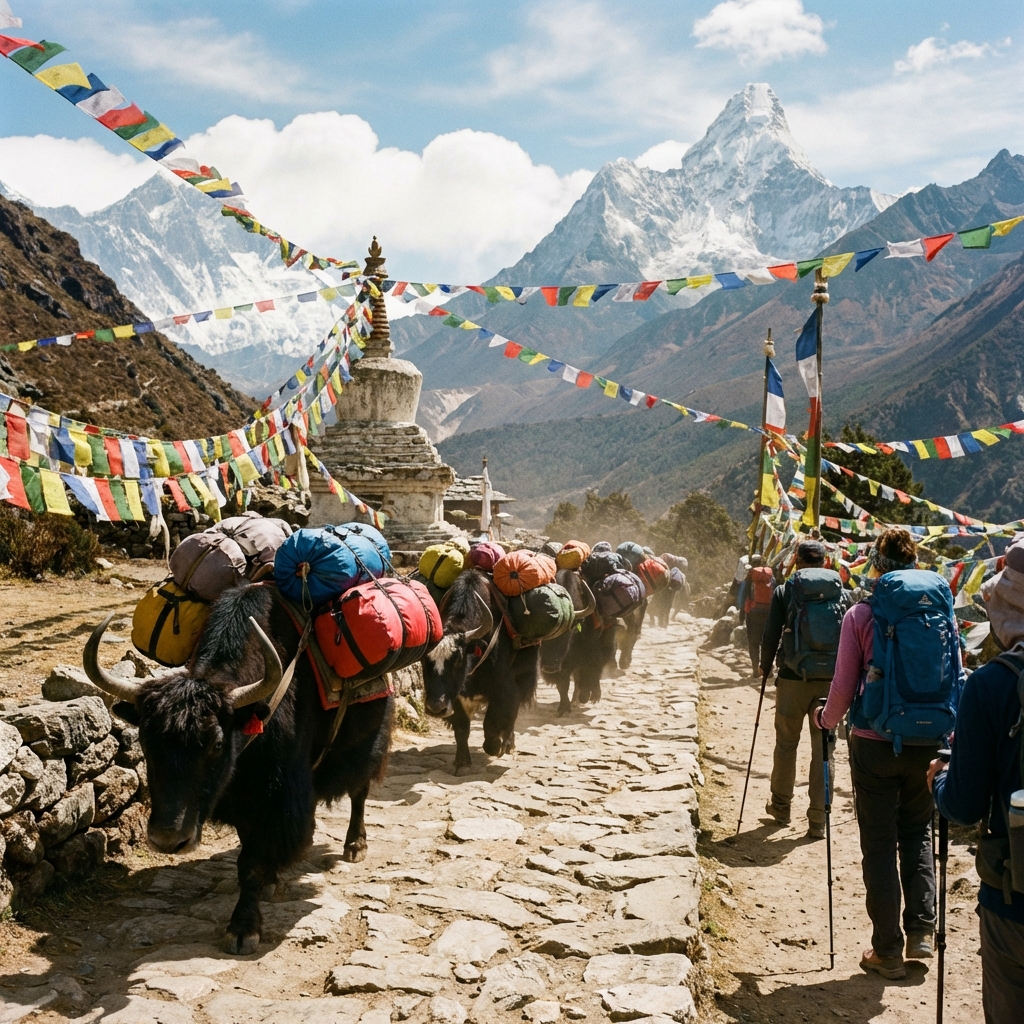
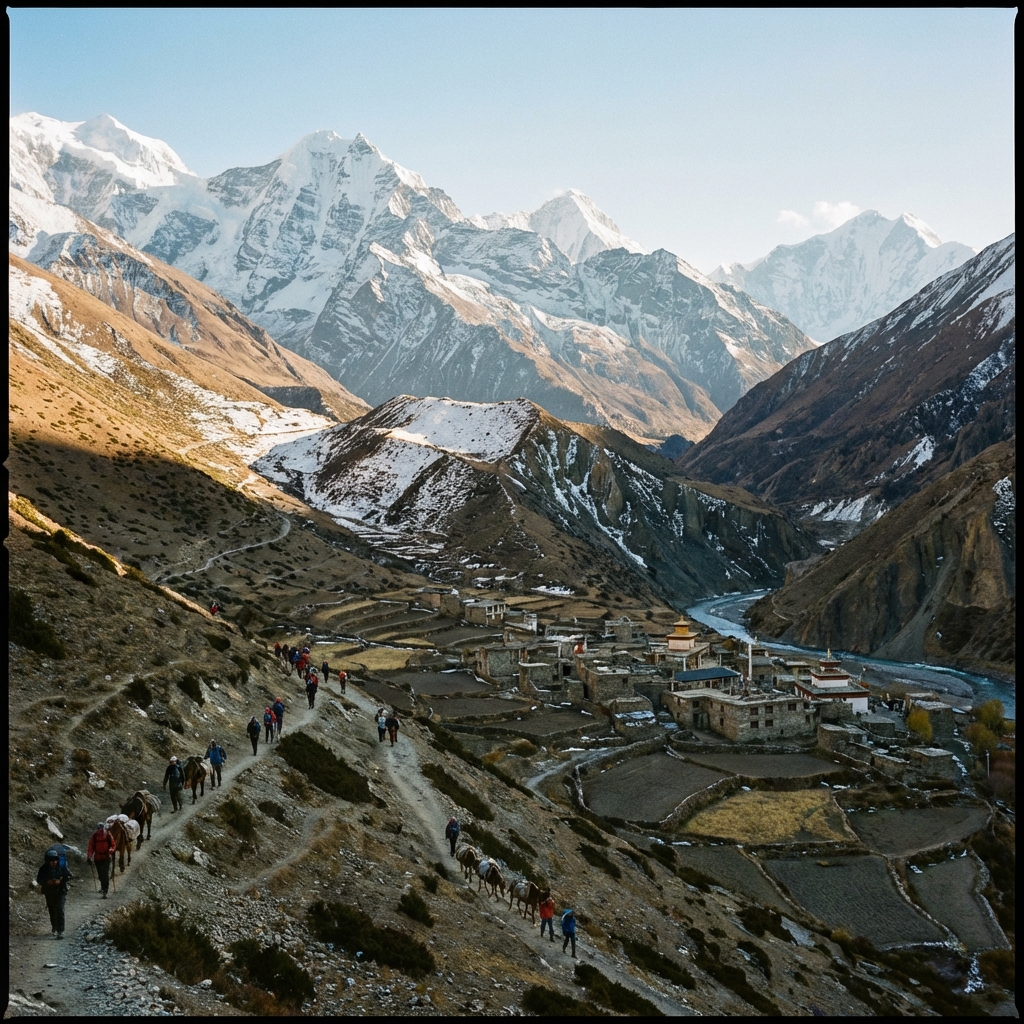
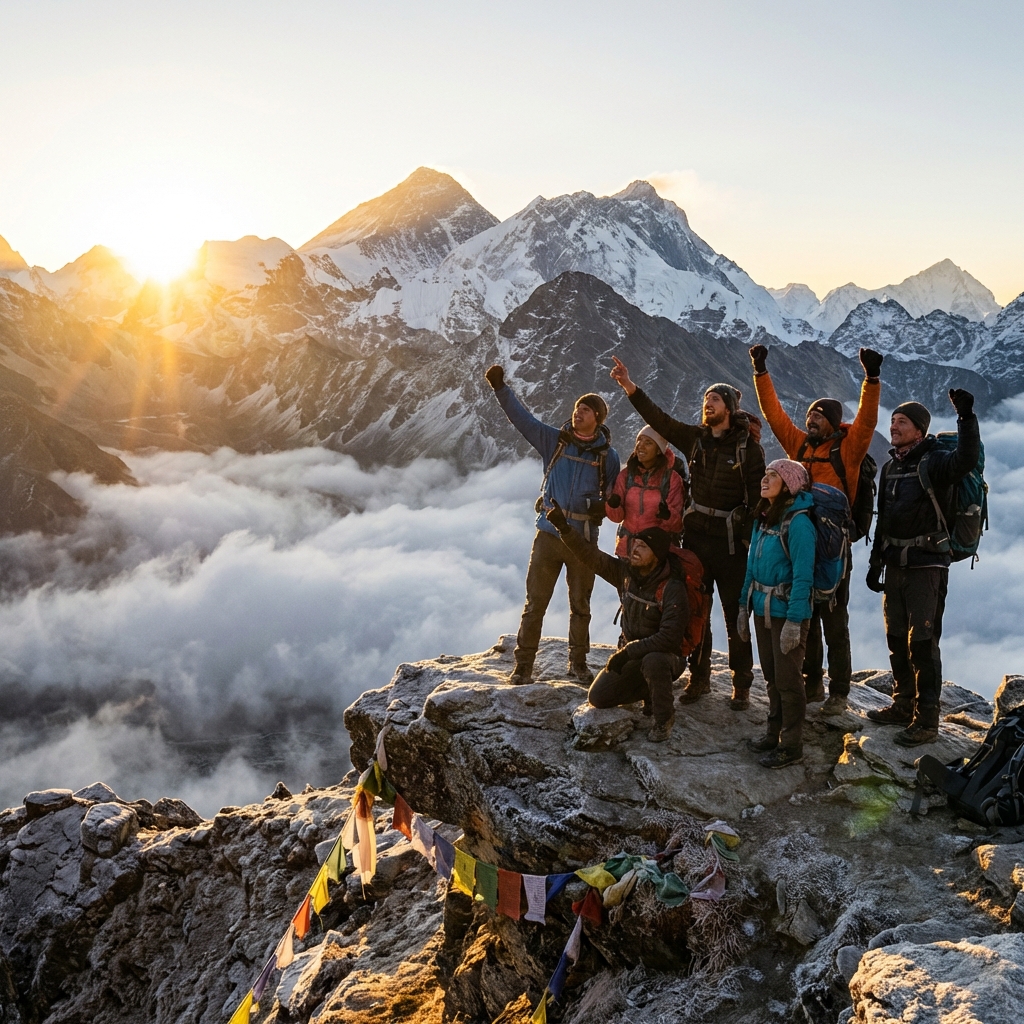
There is a particular kind of satisfaction in finding a trek that has not been polished for mass consumption — where the trail is still a trail and not a stone highway, where the teahouses are run by the same families who work the terraced fields you walk through, and where you can stand on a ridge above a Gurung village with a panoramic view of the Annapurnas and not share that view with fifty other trekkers.
Sikles delivers exactly this. One of the largest and most traditional Gurung settlements in Nepal, Sikles village sits at approximately 1,980 metres in the southern Annapurna foothills, close enough to the great peaks to offer outstanding mountain views but far enough from the main circuit routes to have retained a way of life that feels entirely authentic. The trek here is gentle — four to five days of walking through terraced farmland, subtropical forest, and the kind of river valleys that make you understand why Gurung ancestors chose these hills centuries ago.
Why Sikles Stands Apart
Genuine cultural depth. Sikles is home to over 500 Gurung households — a community large enough to have a functioning museum, a school, health post, and active community organizations, yet small enough that you encounter the same people multiple times and begin to understand something of how the village actually works. The Gurkha military tradition runs deep here: many families have fathers, grandfathers, or great-grandfathers who served in British or Indian Gurkha regiments. Evening conversations about service in Hong Kong, Brunei, or the Falkland Islands are not uncommon.
Exceptional birdwatching. The forests between Pokhara and Sikles sit within one of the Annapurna region's richest avian zones. Over 300 bird species have been recorded in the broader area, and the trail to Sikles passes through habitat types — subtropical broadleaf forest, mixed oak and rhododendron, river margin scrub — that together attract an extraordinary diversity of species. Targets include Himalayan monal pheasant, kalij pheasant, spiny babbler (Nepal's only endemic bird), various sunbird species, and several eagle and falcon species. The birdwatching is best October-April when migrants augment the resident species.
Off the beaten track. Poon Hill, the Annapurna Base Camp trail, and even Mardi Himal have become significantly busier over the past decade. Sikles has not. You will not see dozens of trekkers at Sikles. On quieter months, you may have the guesthouse to yourself. This is both the trek's appeal and its limitation — infrastructure is basic compared to the busy ACAP circuits, but the tradeoff in authentic experience is worthwhile.
Gateway to a multi-village loop. The most rewarding way to experience Sikles is as part of a longer circuit that also includes Ghale Gaun — the nearby PATA Gold Award-winning homestay village. Together, these two communities represent the best of the Annapurna foothills' cultural trekking options, accessible in a single 6-7 day loop from Pokhara.
4-5 days (6-7 days with Ghale Gaun loop)
2,100m (6,889 ft) at Sikles viewpoint
Approx. 55-70 km return or loop
Easy — suitable for beginners and families
Oct-Dec (Autumn/Winter), Mar-May (Spring)
Pokhara (via Begnas Lake / Rupa Lake)
ACAP + TIMS Card
NPR 3,000 (~$23)
NPR 2,000 (~$15)
Homestay and basic teahouse
NPR 800-1,500/night with meals
$150-$300 excluding Pokhara transport
Outstanding — 300+ species recorded in region
Day-by-Day Itinerary
The Sikles trek begins from Pokhara, with the trailhead typically reached via Begnas Tal (Begnas Lake). Begnas Tal is 17km from Pokhara lakeside — accessible by local bus (NPR 60-80, 45 minutes) or private jeep (NPR 1,500-2,000, 30 minutes). The trail from Begnas Tal ascends through the Madi river valley and its tributaries before climbing to Sikles.
| Day | Route | Distance | Walking Time | Altitude |
|---|---|---|---|---|
| 1 | Pokhara → Begnas Tal → Khilang | 15-18 km | 5-6 hours | 820m → 1,200m |
| 2 | Khilang → Sikles | 12-14 km | 5-6 hours | 1,200m → 1,980m |
| 3 | Sikles exploration day | — | 2-4 hour walks | 1,980m-2,100m |
| 4 | Sikles → Kharapani | 12-14 km | 5-6 hours | 1,980m → 1,000m |
| 5 | Kharapani → Pokhara | 15-18 km / transit | 4-5 hours + transit | 1,000m → 820m |
Day 1: Pokhara to Khilang via Begnas Tal (5-6 hours)
Most Pokhara-based trekking agencies arrange a jeep to Begnas Tal or the trailhead village of Sundari Danda, cutting the first day's walking by 1-2 hours. The trail follows the eastern shore of Begnas Lake before ascending into the Madi river valley. This lower section passes through a landscape of terraced paddy fields, small Brahmin and Chhetri villages, and groves of bamboo and sal forest.
The birdwatching along the Madi river corridor is exceptional in the morning hours — the riparian forest attracts kingfishers, egrets, cormorants, and numerous warbler species. Bird enthusiasts should start early and budget extra time for this section.
Khilang is a small settlement with basic teahouse accommodation. It is the last significant village before the steeper climb to Sikles.
Day 2: Khilang to Sikles (5-6 hours, 780m ascent)
This is the longest and most demanding day, gaining most of the trek's altitude. The trail climbs steadily through increasingly dense forest — mixed oak, rhododendron, and chestnut — where Himalayan monal and kalij pheasants are regularly heard (and sometimes seen) in the early morning hours. The forest opens periodically to give views back over the Pokhara valley and, on clear days, the first glimpses of the Annapurna massif to the north.
The approach to Sikles involves a final steep section before the village reveals itself — stone houses cascading down a south-facing ridge, prayer flags, terraced fields of millet and corn, and the great wall of Lamjung Himal and Annapurna II filling the northern horizon.
Arriving at Sikles
Arrive at Sikles by early afternoon if possible — this gives you time to walk up to the community viewpoint (30 minutes above the village) before the afternoon cloud builds. The viewpoint frames Annapurna II (7,937m) and Lamjung Himal (6,983m) at a distance and angle that few treks in the region replicate.
Day 3: Sikles Exploration
The village itself rewards a full day. Specific activities and sites:
- Gurung Museum: A community museum documenting Gurung history, traditional culture, shamanistic religious practices, and the long Gurkha military tradition of Sikles families. The curator (usually a local teacher or community elder) often speaks some English and offers genuine insight. Entry is typically free or requires a small donation.
- Ridge viewpoint walk: The trail above the village climbs to 2,100m+ with unobstructed northern views. Best before 9 AM for clarity.
- Village walk: Wander the stone-paved lanes of Sikles itself — past traditional carved-wood doorways, community water taps, weaving workshops, and the sound of children at the village school.
- Farmland participation: Depending on season, families may welcome help with specific agricultural tasks. September-October offers the most activity (millet and corn harvest); spring months (March-May) bring planting season.
- Birdwatching circuit: A local guide (NPR 500-1,000 for half a day) can lead you through the forest edges around Sikles where resident species like spiny babbler, Himalayan monal, and various babblers and laughing thrushes are regularly seen.
Day 4: Sikles to Kharapani (5-6 hours)
The return journey descends via the same trail or a slight variant through Kharapani. The downhill rhythm is faster but requires attention — the trail surface can be slippery on damp mornings, and the knee stress of sustained descent is the main physical challenge for less experienced trekkers.
Day 5: Kharapani to Pokhara
The final day completes the return journey to Pokhara — partly on foot through the lower valley and partly by jeep or local bus from the roadhead. Most trekkers are back in Pokhara by early afternoon.
Optional Extension: Sikles to Ghale Gaun Loop
For those with an additional 2 days, a ridge trail connects Sikles to Ghale Gaun, creating an outstanding 6-7 day circuit covering both villages. This requires arranging a return from Khudi (Ghale Gaun's trailhead) to Pokhara separately (local bus or jeep). The connecting ridge offers the best mountain views of the entire circuit.
Difficulty Assessment
Sikles is rated Easy, though it sits at the upper end of that category — the Day 2 ascent to the village is the most sustained climb on any of the short Pokhara-area treks, and the full 4-5 day circuit requires more cumulative walking than Panchase or the Royal Trek.
Fitness requirements:
- Ability to walk 5-6 hours on uneven terrain with loaded daypack
- Comfortable with 700-800m of elevation gain in a single day
- No specific high-altitude fitness required (maximum 2,100m)
- Basic trail awareness — paths are well-worn but not always signposted
Who is ideal for this trek:
- Trekkers seeking cultural depth over altitude records
- Birdwatchers — this is one of the finest low-altitude birdwatching treks in the Annapurna region
- Those who have done a short trek before and want slightly more walking
- Trekkers combining with Ghale Gaun for a longer circuit
- Photography enthusiasts interested in village life and mountain panoramas
Who might prefer alternatives:
- Absolute beginners with very limited fitness — consider the Royal Trek or Panchase first
- Those seeking high-altitude experiences — consider Mardi Himal or Poon Hill
- Those with only 2-3 days — Panchase or the Royal Trek fit tighter schedules better
Altitude Sickness
At 2,100m maximum altitude, Sikles presents zero altitude sickness risk for virtually all trekkers. The body acclimatizes naturally at this elevation without any deliberate adjustment protocol. Headache or mild fatigue on arrival at Sikles is normal after a long day's walking and resolves with rest and hydration — it is not altitude sickness.
How to Get There
To the Sikles trailhead:
| Route | Duration | Cost | Notes |
|---|---|---|---|
| Pokhara → Begnas Tal by local bus | 45-60 min | NPR 60-80 | Frequent departures from Pokhara bus park |
| Pokhara → Begnas Tal by private jeep | 30-40 min | NPR 1,500-2,000 | Comfortable, flexible |
| Pokhara → trailhead jeep (direct) | 60-90 min | NPR 2,500-4,000 | Saves 1-2 hours of Day 1 walking |
Most trekking agencies in Pokhara offer jeep transfers to the Sikles trailhead as part of their standard package. Independent trekkers take the local bus to Begnas Tal and walk from there.
Returning to Pokhara:
The return is typically by jeep from the lower valley roadhead to Pokhara (NPR 1,500-3,000 depending on group size and exact pick-up point). Local buses also run from Begnas Tal area. Your trekking agency will arrange the return; independent trekkers should confirm transport the evening before.
Permits — where to get them:
Both the ACAP permit (NPR 3,000) and TIMS card (NPR 2,000) must be obtained in Pokhara or Kathmandu before starting. The ACAP office in Pokhara is in the Damside/Pardi area near Immigration. The TIMS card is issued at the Nepal Tourism Board office near Pokhara airport. Allow 30-60 minutes and bring two passport photos and a passport photocopy.
Accommodation and Food
Accommodation options along the Sikles route are more basic than on the main ACAP circuits (Poon Hill, ABC) but are clean, welcoming, and entirely adequate for the style of trek.
At Khilang: Two or three small teahouses with simple rooms (dormitory or twin beds), basic squat toilet, cold water. Food is freshly cooked — dal bhat, noodle soup, fried rice. Budget NPR 500-800/night with meals.
At Sikles: More options, including dedicated homestays through the village community. Several families have renovated rooms with attached bathrooms. The community hospitality committee manages allocations similarly to Ghale Gaun. Budget NPR 800-1,500/night full board.
Food quality at Sikles is a genuine highlight. Village households grow much of what they cook — millet, corn, vegetables, lentils, and various greens. Local specialties include:
- Dhido (millet porridge): The traditional Gurung staple. Filling, nutritious, and authentically prepared with gundruk and local pickle. Worth requesting even if it's not prominently on the menu.
- Tongba: Fermented millet beer served warm in a bamboo vessel with a bamboo straw. The standard evening social drink in Gurung villages.
- Sel roti: Ring-shaped fried rice-flour bread, excellent at breakfast.
- Fresh vegetables: Seasonal vegetables from village gardens, far superior to the frozen produce served on busier trekking routes.
No ATMs Beyond Pokhara
Withdraw adequate cash in Pokhara before departing for Sikles. There are no ATMs at Begnas Tal, Khilang, or Sikles. A 4-5 day trek with guide, porter, permits, and accommodation typically costs NPR 20,000-35,000 ($150-270) in cash. Bring extra for contingencies and tips.
Cost Breakdown
| Item | Cost (NPR) | Cost (USD approx.) |
|---|---|---|
| ACAP Permit | 3,000 | $23 |
| TIMS Card | 2,000 | $15 |
| Accommodation (4 nights at NPR 800-1,500/night) | 3,200-6,000 | $25-46 |
| Meals (4 days at NPR 900-1,200/day) | 3,600-4,800 | $28-37 |
| Transport Pokhara round-trip | 3,000-8,000 | $23-62 |
| Guide (4 days at NPR 2,500-3,000/day) | 10,000-12,000 | $77-92 |
| Porter (4 days at NPR 1,500-2,000/day) | 6,000-8,000 | $46-62 |
| Birdwatching guide (1 half-day, optional) | 500-1,000 | $4-8 |
| Miscellaneous (tips, snacks, souvenirs) | 1,000-2,000 | $8-15 |
Estimated totals for a 4-5 day trek:
| Budget Style | Estimated Total |
|---|---|
| Solo, no guide, local transport | $100-150 |
| Guided, private transport | $220-350 |
| Guided with porter | $300-500 |
Best Time to Trek
| Season | Conditions | Birdwatching | Mountain Views | Notes |
|---|---|---|---|---|
| October | Perfect — 18-24°C, dry | Excellent | Crystal clear | Peak season — busy weekends |
| November | Cool, dry (14-20°C) | Excellent (migrants peak) | Excellent | Slightly quieter than October |
| December | Cold nights (2-8°C), clear days | Good | Very good | Quiet — bring warm layers |
| January | Cold nights, mild days | Good | Good | Very few trekkers |
| February | Warming, first rhododendrons | Good | Good | Spring begins |
| March | Warm, wildflowers | Very good | Good | Outstanding flora |
| April | Warm (18-24°C), lush | Excellent (breeding season) | Good (some haze) | Best spring month |
| May | Hot, pre-monsoon haze | Good (early morning) | Hazy | Still feasible, go early |
| June-August | Monsoon | Poor (heavy rain) | Obscured | Leeches prevalent; not recommended |
| September | Monsoon clearing | Improving | Clearing | Late September is excellent |
For birdwatching specifically: October-November (migrant species at peak) and March-April (resident species breeding, dawn chorus extraordinary) are the optimal windows. A dedicated birdwatcher should allocate an extra day at Sikles and arrange a local guide for the forest circuit.
Spring Wildflowers
The forest between Khilang and Sikles becomes spectacular in March-April when rhododendron (Nepal's national flower) blooms in shades of red, pink, and white at the higher elevations. Combined with the warming temperatures and active birdlife, spring is arguably the most rewarding season for the Sikles trek — despite being slightly more crowded than autumn.
Birdwatching Guide
Sikles sits at the intersection of three distinct habitat zones — river valley, subtropical forest, and sub-alpine ridge — making it one of the Annapurna region's most productive birdwatching locations.
Key species and where to find them:
| Species | Habitat | Best Time | Notes |
|---|---|---|---|
| Himalayan Monal | Upper forest, ridgeline | Dawn, Oct-Apr | Nepal's national bird; stunning plumage |
| Kalij Pheasant | Dense forest undergrowth | Dawn | Heard more often than seen |
| Spiny Babbler | Scrub forest, lower slopes | Year-round | Nepal's only endemic bird species |
| Blood Pheasant | High forest | Mar-May | Seasonal visitor to upper zone |
| Crested Serpent Eagle | Forest canopy | Year-round | Often seen soaring above trails |
| Blue-throated Barbet | Forest edge | Mar-May | Brilliant blue/red plumage |
| Various Sunbirds (4+ species) | Flowering shrubs | Mar-May | Peak during rhododendron bloom |
| Lammergeier (Bearded Vulture) | Open ridgelines | Oct-Mar | Impressive — 2.8m wingspan |
Engaging a local Sikles guide specifically for birdwatching costs NPR 500-1,000 for a half-day and is highly recommended. General trekking guides may have limited ornithological knowledge; ask your Pokhara trekking agency to connect you with a guide who has specific birdwatching experience in the area.
Practical Tips and Recommendations
Take an extra day. The 4-day minimum leaves very little time in Sikles itself. Budget 5 days if possible — the extra day in the village, the proper ridge walk, and a leisurely descent make the cultural investment worthwhile. Rushing through Sikles to return to Pokhara misses the point of coming here.
Hire a local guide from Sikles. Your Pokhara trekking agency can arrange a guide from Pokhara, but a guide with roots in Sikles itself brings an entirely different depth to the experience — family connections, knowledge of specific cultural events, and relationships with museum curators and elders who will talk more freely to a familiar face.
Visit the Gurung Museum properly. This is not a glossy tourist attraction — it is a genuine community archive of Gurung cultural history. Allow 45-60 minutes and ask questions. The exhibits on Gurkha military history are particularly detailed and moving.
Consider the Ghale Gaun loop. The ridge connecting Sikles and Ghale Gaun is one of the region's finest overlooked trails — two outstanding Gurung villages connected by a ridge walk with panoramic views and good birdwatching. If you have 6-7 days in the Pokhara area, this combination is the single best cultural trekking experience available.
Carry a birdwatching checklist. Several Pokhara-based nature organizations publish bird checklists for the Annapurna foothills region. Download one before departing and keep a running tally — the competitive element adds a surprising amount of engagement to the forest sections.
Responsible Tourism in Sikles
Sikles has benefited from tourism but has not been overwhelmed by it — yet. Pay the fair rate for homestay accommodation rather than negotiating hard. Buy locally produced honey, millet raksi, or handicrafts as souvenirs. Respect the Gurung Museum's request not to photograph specific sacred objects. These small acts of respect maintain the conditions that make Sikles worth visiting in the first place.
Frequently Asked Questions
How difficult is the Sikles trek?
The Sikles trek is rated Easy and suitable for beginners, families, and older trekkers. Daily walking is 3-5 hours on village paths and forest trails. The maximum altitude of 2,100m means altitude sickness is not a concern. The terrain is gentle compared to higher-altitude routes like Mardi Himal or Poon Hill.
Do I need permits for the Sikles trek?
Yes, you need an ACAP permit (NPR 3,000 / ~$23) and a TIMS card (NPR 2,000 / ~$15). Both can be obtained in Pokhara before departure.
What is the best time to trek to Sikles?
October through December offers clear mountain views and comfortable walking temperatures. March through May brings warmer weather with wildflower blooms. The birdwatching is best from October to April when migratory species augment resident populations.
Can I combine Sikles with Ghale Gaun?
Yes, and this is highly recommended. The ridge connecting Sikles and Ghale Gaun creates a 6-7 day loop covering two outstanding Gurung villages with panoramic views. This combination is the single best cultural trekking experience in the Pokhara region.
How do I get to Sikles from Pokhara?
Take a taxi or local bus from Pokhara to Begnas Lake (approximately 45 minutes), then walk to Sikles in one trekking day. Alternatively, arrange jeep transport closer to the village through your trekking agency or guesthouse.
The Route
Interactive Route Map
Explore the trek on a topographic map. Tap a waypoint for elevation, accommodation, and day-by-day detail. Scroll to zoom.
Loading interactive map…


