Trek Head-to-Head
Can't decide between two iconic Nepal treks? You're not alone — it's the single most common question we hear from trekkers planning their first (or fifth) trip to Nepal. Our detailed side-by-side comparisons break down altitude profiles, daily difficulty, total cost, scenery highlights, tea house quality, and crowd levels so you can pick the perfect route with confidence.
Decide with data
Why Trek Comparisons Matter
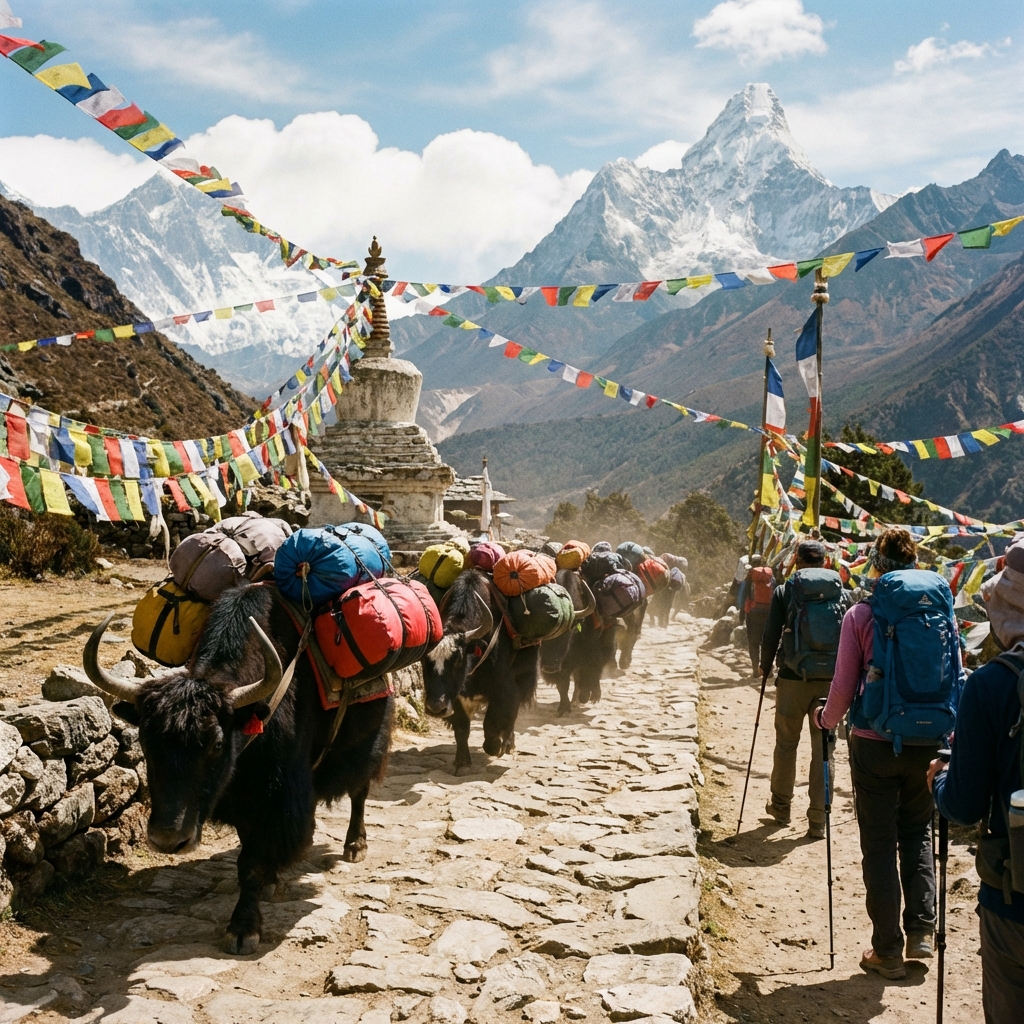
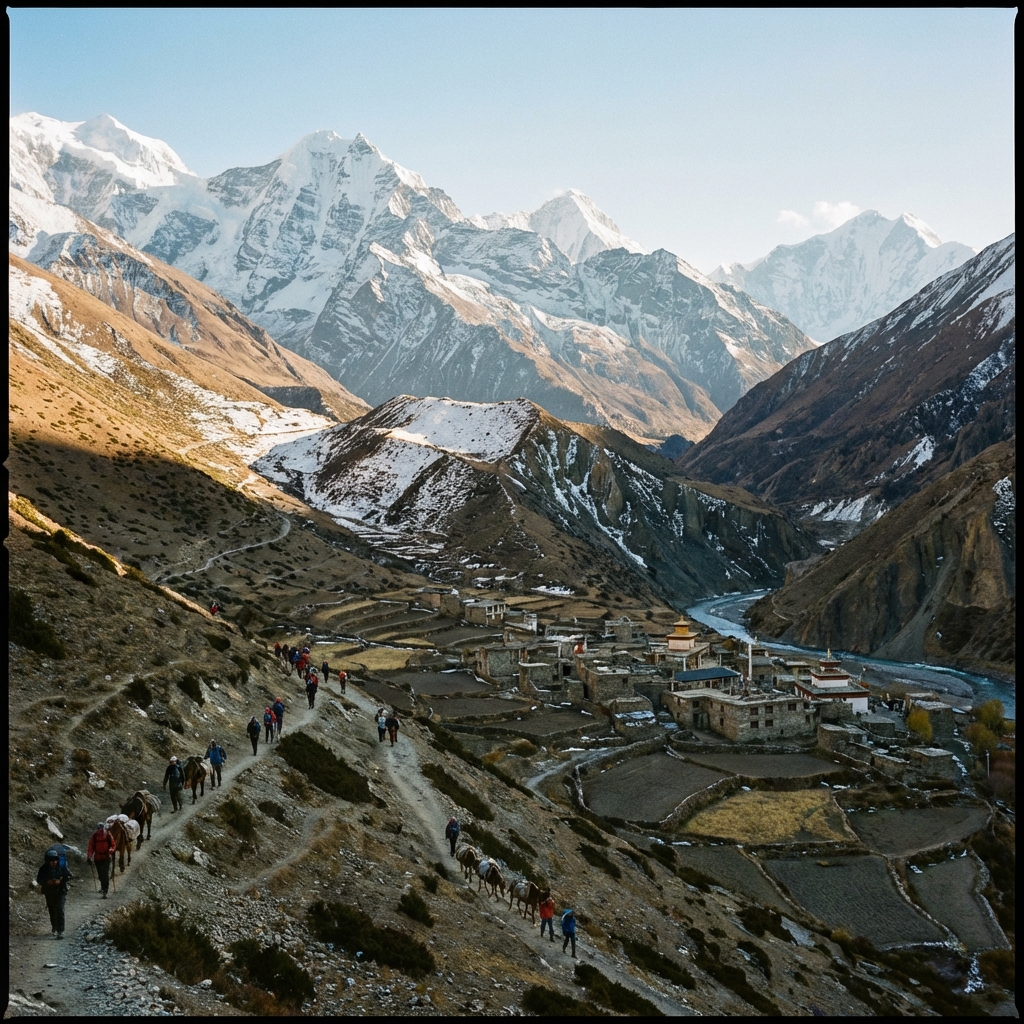
Nepal has over 30 established trekking routes, each with its own personality. The Everest region delivers raw, high-altitude grandeur among the world's tallest peaks. The Annapurna region offers extraordinary ecological and cultural diversity — from subtropical jungle to arid Tibetan plateau in a single trek. Langtang provides an intimate, less-touristed experience just hours from Kathmandu. And the restricted regions like Manaslu and Upper Mustang reward adventurous trekkers with solitude and authenticity that the popular trails no longer offer.
The problem? Most trekkers only have 2-3 weeks and can afford one major trek per trip. Choosing the wrong one means missing an experience that might have been a better fit for your fitness level, budget, schedule, or personal interests. A first-timer who chooses the Three Passes trek when they would have been happier on the Annapurna Circuit has wasted time, money, and potentially their enjoyment of Nepal entirely.
That's why we created these head-to-head guides. Each comparison uses real itinerary data, actual cost breakdowns from recent trekkers, altitude profiles with acclimatization schedules, and honest assessments of crowd levels and tea house quality. We don't just tell you which trek is "better" — we help you understand which trek is better for you.
Short on time
Quick Comparison Snapshots
Here are the key takeaways from our most popular matchups. Click through to each full guide for altitude profiles, daily itineraries, and detailed cost breakdowns.
Verdict: EBC for raw Himalayan drama; Annapurna for cultural diversity and varied landscapes
Verdict: Langtang for fewer crowds and Tamang culture; ABC for the iconic amphitheater panorama
Verdict: Gokyo for turquoise lakes and quieter trails; EBC for the Everest Base Camp achievement
Verdict: Three Passes for experienced trekkers seeking the ultimate Khumbu challenge
The full library
All Route Comparisons
Every head-to-head guide includes altitude profiles, day-by-day itinerary comparisons, real cost data, permit requirements, and our honest recommendation for different trekker profiles.
How it works
How to Use Our Trek Comparisons
Each comparison guide follows a consistent structure so you can quickly find the information that matters most to you. Here's what to expect:
- Overview snapshot — A quick-reference table comparing duration, max altitude, difficulty rating, daily walking hours, cost range, and permit requirements side by side.
- Altitude profile comparison — Visual representation of how each trek's elevation changes day by day, highlighting the key acclimatization days and the highest points you'll reach.
- Scenery and highlights — What you'll actually see on each trek, from the specific mountain peaks visible to the cultural landmarks, wildlife, and landscapes along the way.
- Cost breakdown — Real numbers from recent trekkers covering permits, guides, porters, accommodation, food, flights, and gear, compared side by side.
- Crowd and infrastructure — Honest assessment of how busy each trail gets in peak season, the quality of tea houses, availability of Wi-Fi and charging, and rescue accessibility.
- Our recommendation — Who each trek is best for, with specific advice based on fitness level, budget, available time, and trekking experience.
Good to know
Frequently Asked Questions
Which Nepal trek is best for beginners?
For first-time trekkers, Poon Hill (4-5 days) and Mardi Himal (5-7 days) are the most accessible options. Both stay at moderate altitudes, have well-established tea house networks, and offer stunning Annapurna panoramas without the altitude challenges of longer treks. If you have 10+ days and reasonable fitness, Annapurna Base Camp is the most popular "first big trek" thanks to its gradual altitude gain and diverse scenery.
EBC or Annapurna Circuit — which should I do first?
If this is your only trip to Nepal, the Annapurna Circuit offers more variety — rice paddies, subtropical forests, high desert, and the Thorong La pass at 5,416m. You'll pass through Hindu, Buddhist, and Tibetan cultural zones. EBC is the better choice if seeing Everest up close is a lifelong dream, or if you prefer a more focused high-altitude experience with Sherpa culture. Many trekkers do the Annapurna Circuit first and return for EBC on a second trip.
How do I choose between two treks in the same region?
Consider four factors: duration (how many days can you spare?), maximum altitude (are you confident at 5,000m+?), crowds (do you want solitude or social trails?), and your must-see highlights (specific peaks, lakes, or cultural experiences). Our head-to-head guides break down each factor with data from real itineraries so you can make an informed choice.
Can I combine two treks into one trip?
Absolutely. Popular combinations include EBC + Gokyo via Cho La Pass (18-20 days), the Three Passes trek that covers most of the Khumbu region (18-20 days), or doing a short trek like Poon Hill before tackling EBC or Annapurna Circuit. Just factor in rest days between treks and ensure your visa duration covers the full itinerary. Many trekkers fly into Lukla, do EBC, cross to Gokyo via Cho La, and fly out — hitting two iconic destinations in one permit.
Do different treks require different fitness levels?
Yes, significantly. Poon Hill and Mardi Himal require basic hiking fitness — if you can hike 6-8 hours with a daypack, you're ready. ABC and Langtang demand moderate fitness with 5-7 hours of daily trekking at altitude. EBC, Annapurna Circuit (with Thorong La), and Manaslu require strong cardiovascular fitness and the ability to trek 6-8 hours at altitudes above 4,000m. Three Passes and peak climbing routes demand advanced fitness, prior altitude experience, and often technical skills.
Which trek offers the best mountain views?
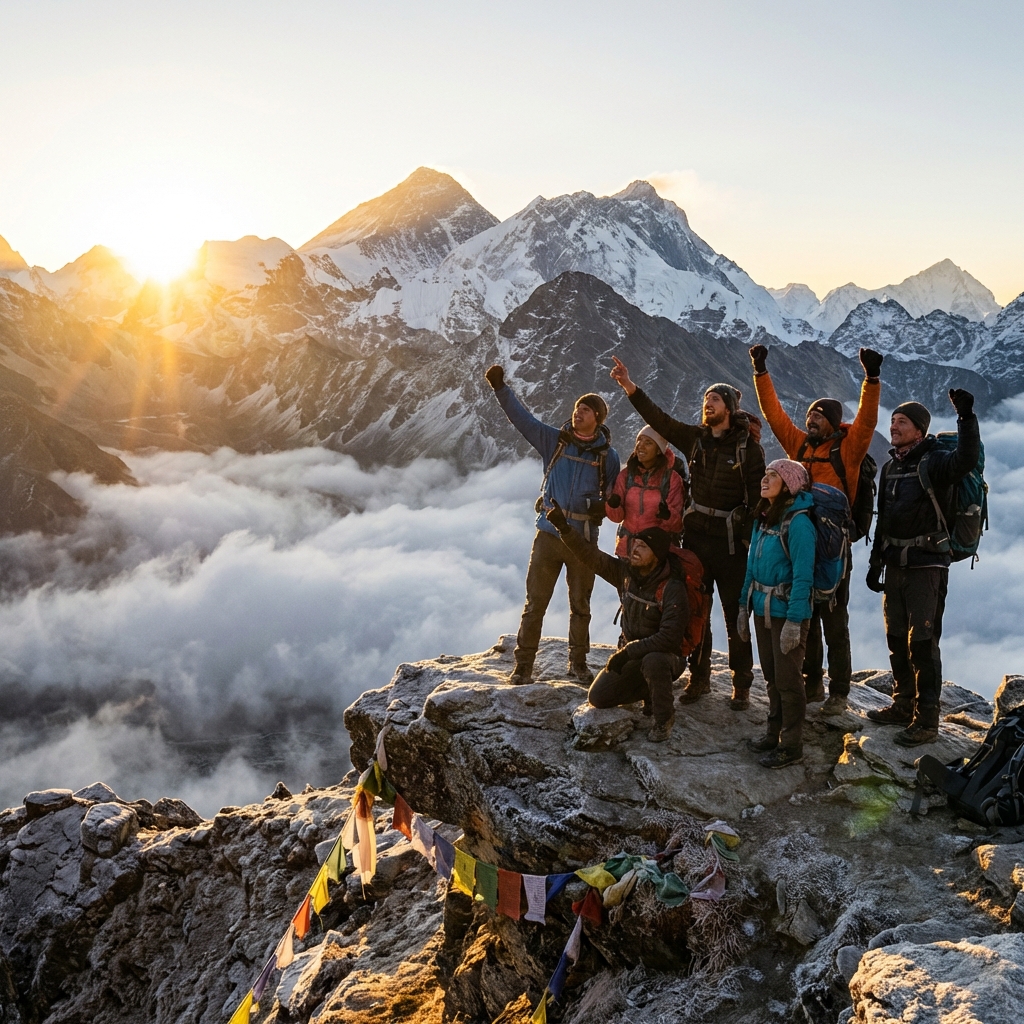
Every major Nepal trek delivers world-class mountain views, but the character differs. EBC puts you face-to-face with Everest, Lhotse, Nuptse, and Ama Dablam. ABC places you inside a 360° amphitheater surrounded by Annapurna I, Machapuchare (Fishtail), and Hiunchuli. Annapurna Circuit gives the widest variety — from Manaslu to Dhaulagiri across multiple days. Gokyo's Renjo La and Gokyo Ri offer arguably the best single viewpoints in all of Nepal, with Everest, Lhotse, Makalu, and Cho Oyu visible together.
Keep comparing