47 Guides
Other Treks & Peaks
Beyond Everest and Annapurna lies a world of extraordinary trekking — Langtang's Tamang villages, Manaslu's remote circuit, Upper Mustang's Tibetan kingdom, Dolpo's ancient salt trade routes, and peak climbs from Mera to Kanchenjunga.
Off the Beaten Path
Beyond the Famous Trails
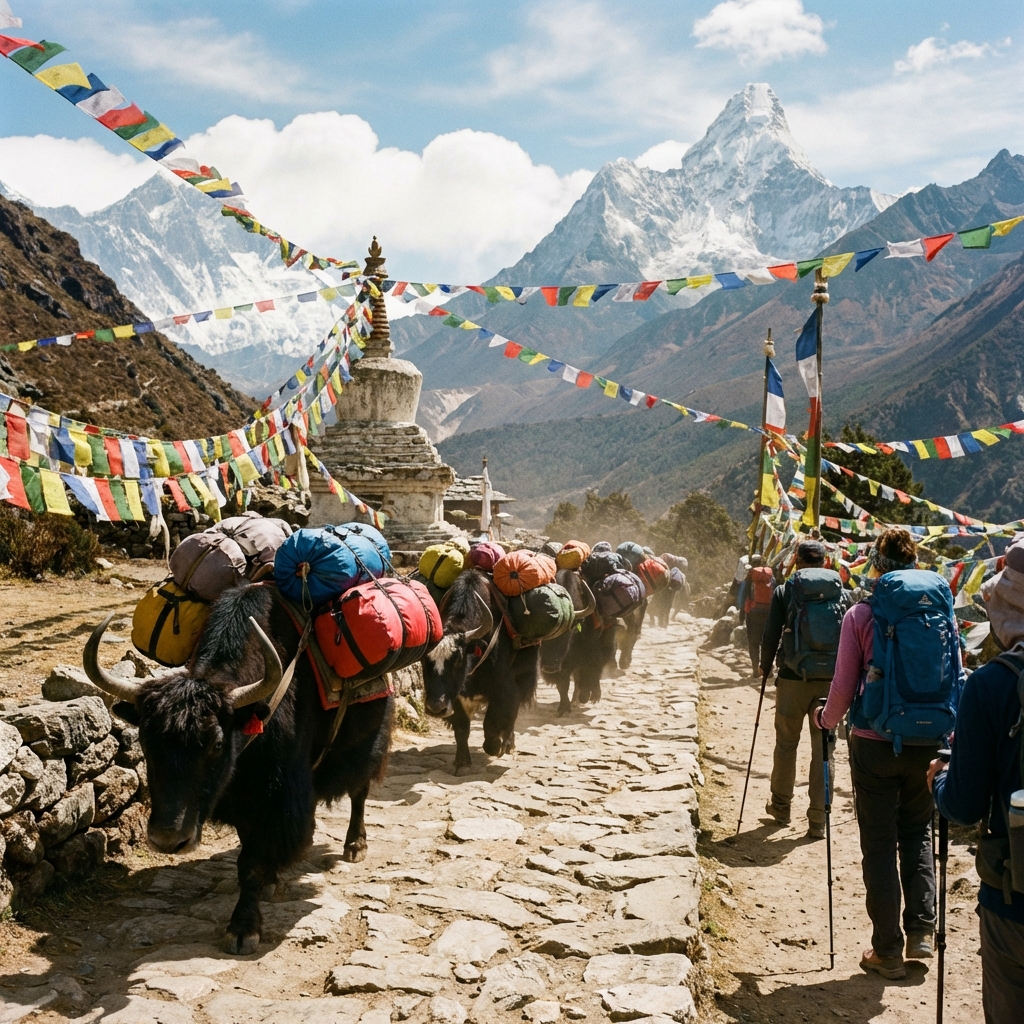
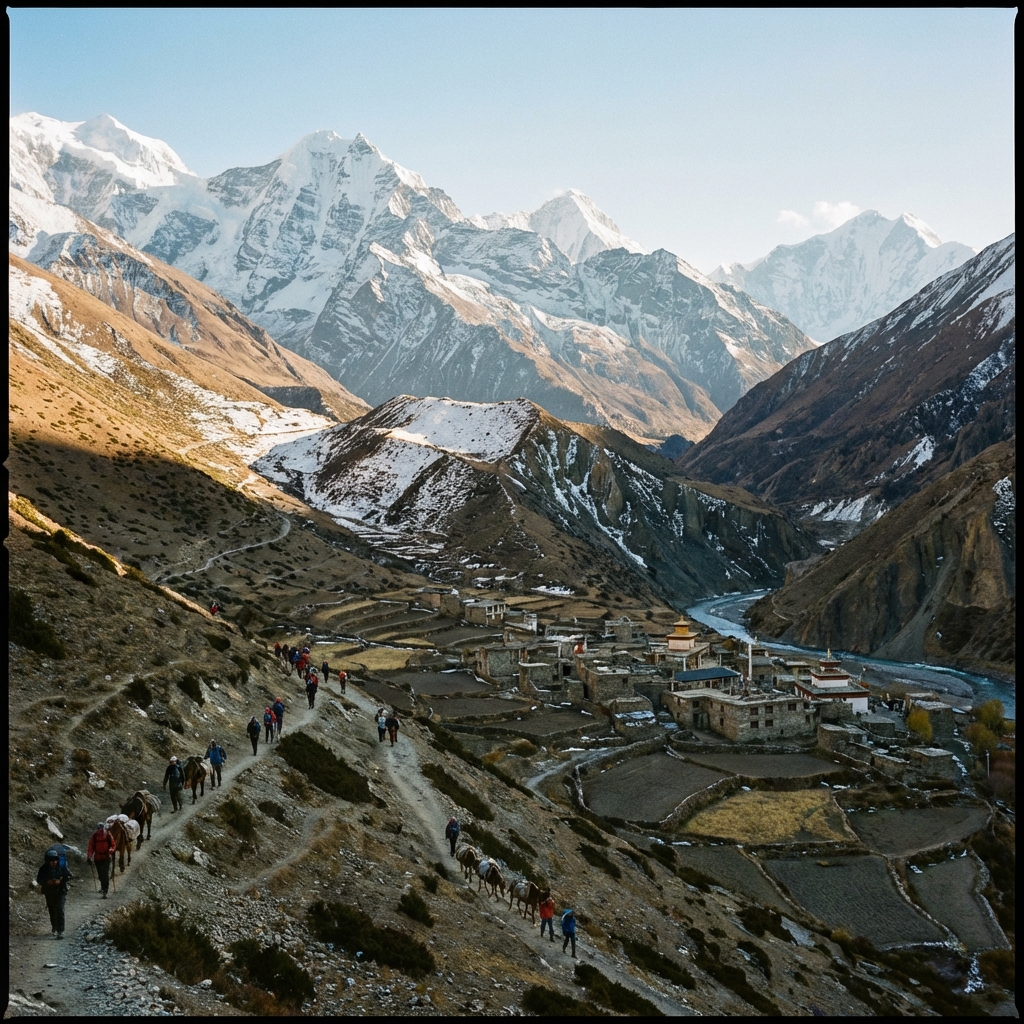
The Everest and Annapurna regions receive the overwhelming majority of Nepal's annual trekkers, but Nepal has over 30 established trekking routes, and many of the most extraordinary lie well off the tourist radar. The Langtang Valley, just 60km north of Kathmandu, sees perhaps 10% of the crowds of EBC despite offering comparable high-mountain scenery and the added dimension of Tamang Buddhist culture largely unchanged for centuries. The Manaslu Circuit rivals the Annapurna Circuit in scope and surpasses it in raw adventure — without the tea house menus printed in six languages or the lodge managers who speak better English than some of the trekkers.
Nepal's restricted-area treks represent the country at its most authentic. Upper Mustang, the ancient Lo Kingdom bordering Tibet, feels like stepping back 500 years into a landscape of eroded ochre cliffs, cave monasteries, and whitewashed fortresses. The $500/10-day permit price tag limits visitors to those serious about the experience. Upper Dolpo, immortalized in Peter Matthiessen's "The Snow Leopard," is one of the most remote inhabited places on Earth — a land of crystal mountains, ancient Bon monasteries, and nomadic yak herders.
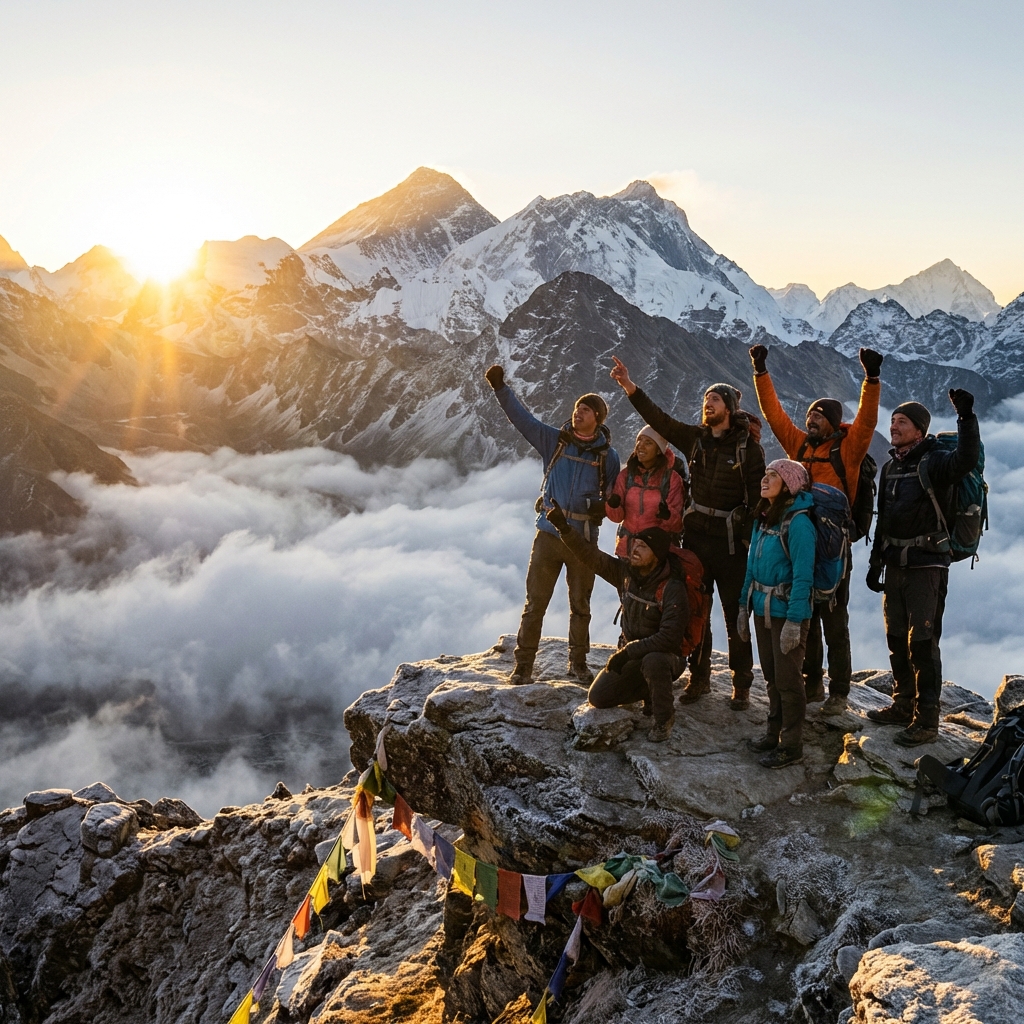
For those wanting to move vertically as well as horizontally, Nepal's 33 official "trekking peaks" offer summit objectives from 5,587m to 6,654m. Mera Peak (6,476m), the highest commonly attempted, is a snow plod accessible to determined trekkers with a good guide. Island Peak (6,189m) is typically paired with the EBC trek for a complete Khumbu adventure. Lobuche East, Chulu West, and Pisang Peak offer more technical challenges for aspiring mountaineers wanting to develop alpine skills in a supported environment. Our guides cover every aspect of these routes — from permit costs and mandatory guide requirements to training plans, equipment lists, and seasonal logistics tailored to each region's unique characteristics.
By the Numbers
Other Treks at a Glance
20+
Treks Covered
Routes & peak climbs
5,000–6,476m
Altitude Range
Mera Peak summit
$100–$500
Restricted Permits
Per person per week
7–25 days
Trek Durations
Langtang to Kanchenjunga
Browse the Library
All Other Trek & Peak Guides
Comprehensive guides for Nepal's remote treks and trekking peaks — permit logistics, itineraries, difficulty ratings, and region-specific advice.
Good to Know
Frequently Asked Questions
How does the Manaslu Circuit compare to the Annapurna Circuit?
The Manaslu Circuit is broadly similar in structure to the Annapurna Circuit — both circumnavigate a massive Himalayan peak via a high pass — but offers a dramatically more remote and less commercialized experience. Manaslu (8,163m) is the world's eighth highest peak, and the circuit crosses the Larkya La Pass (5,213m) through genuinely wild terrain. Tea house infrastructure exists but is simpler than Annapurna's — expect basic meals, shared bathrooms, and limited phone signal for stretches of the route. A restricted area permit ($100/week) and mandatory guide are required for Manaslu. Most trekkers who have done both circuits rate Manaslu as the more rewarding experience for its solitude and authentic Tibetan-influenced culture, while Annapurna is more comfortable and logistically easier. Manaslu is best attempted after you have some trekking experience under your belt.
What are restricted area permits and which treks require them?
Several regions of Nepal require special restricted area permits in addition to standard TIMS cards and national park fees. These permits exist to limit visitor numbers, protect fragile ecosystems, and preserve unique cultures. Current restricted area treks include: Upper Mustang ($500/10 days, minimum 2 people, mandatory guide), Manaslu ($100/week in peak season, mandatory guide), Dolpo ($500/10 days for Upper Dolpo, mandatory guide), Nar Phu Valley ($90/week, requires ACAP permit too), Tsum Valley ($35/week), and Kanchenjunga ($20/day, minimum 2 people, mandatory guide). Permits must be arranged through a registered TAAN (Trekking Agencies Association of Nepal) agency — they cannot be obtained independently at trailheads. Plan and book these permits well in advance, especially for Upper Mustang and Dolpo where seasonal quotas apply.
What experience is needed for trekking peak climbing like Mera or Island Peak?
Nepal's "trekking peaks" — officially 33 peaks up to 6,654m that require a climbing permit but no advanced mountaineering certification — span a wide range of difficulty. Mera Peak (6,476m) is the highest of the commonly attempted trekking peaks and is largely a snow walk with minimal technical terrain; motivated trekkers with good fitness and altitude tolerance complete it regularly with guide instruction. Island Peak (6,189m) involves a more technical summit ridge with fixed ropes and a short ice section requiring crampon confidence. Lobuche East (6,119m) is considered more technical with a steeper ice face. For all three, you should have prior high-altitude trekking experience to 5,000m+, good physical conditioning, and complete the peaks through a licensed guide company that provides technical equipment and instruction. No prior climbing certification is required.
Can I trek to Langtang as a day trip or short excursion from Kathmandu?
Langtang is one of the few major trekking regions that genuinely starts close to Kathmandu — the trailhead at Syabrubesi is about 7–8 hours by road, or 2 hours by flight to Ramche (seasonal). However, you need a minimum of 7–10 days to properly trek to Kyanjin Gompa (3,870m) and back, including at least one rest day for altitude acclimatization. A rushed 5-day version exists but cuts out the best upper sections. The Langtang Valley was devastated by the 2015 earthquake and subsequent landslide, and rebuilding has given the region a remarkable and poignant resilience. Tamang Heritage Trail extensions allow cultural village visits rarely seen on other treks. For Kathmandu-based travellers wanting a shorter trek without flying to Lukla or Pokhara, Langtang is the best option.
What is the best remote trek for a first-time adventurous trekker?
For trekkers stepping beyond the main tourist circuits for the first time, Langtang is the recommended starting point — it has enough infrastructure to be comfortable while offering genuine remoteness and fewer crowds than Everest or Annapurna. The Manaslu Circuit is the natural next step: more remote and requiring a mandatory guide, but with well-established tea house lodging and a clear, well-worn trail. Tsum Valley is excellent for cultural depth with minimal altitude challenge. Upper Mustang is ideal for those drawn to Tibetan culture and arid landscapes — the restricted permit controls crowds brilliantly. Dolpo (both Upper and Lower) represents the frontier of trekking adventure in Nepal, requiring thorough logistical preparation, helicopter contingency plans, and comfort with genuine remoteness for 2–3 weeks.
Is the Kanchenjunga trek worth the extra effort and cost?
For experienced trekkers seeking the ultimate remote Nepal experience, Kanchenjunga absolutely delivers. It visits the base camps of the world's third highest mountain (8,586m) — both the north and south base camps are included in the classic loop — through landscapes and communities almost entirely untouched by mass tourism. The restricted permit ($20/day), mandatory guide requirement, and 20–25 day duration naturally limit visitor numbers to a trickle. You'll trek through rhododendron forests full of red pandas, past traditional Rai and Limbu villages, and along glaciers with jaw-dropping mountain panoramas that rival anything in Nepal. The logistics are more complex — domestic flights to Taplejung are irregular, and the trailhead approach adds days — but agencies specializing in eastern Nepal can handle everything smoothly.
Keep Exploring